Silkroad Innovation Hub: How 2024 Went for the IT Hub in San Francisco
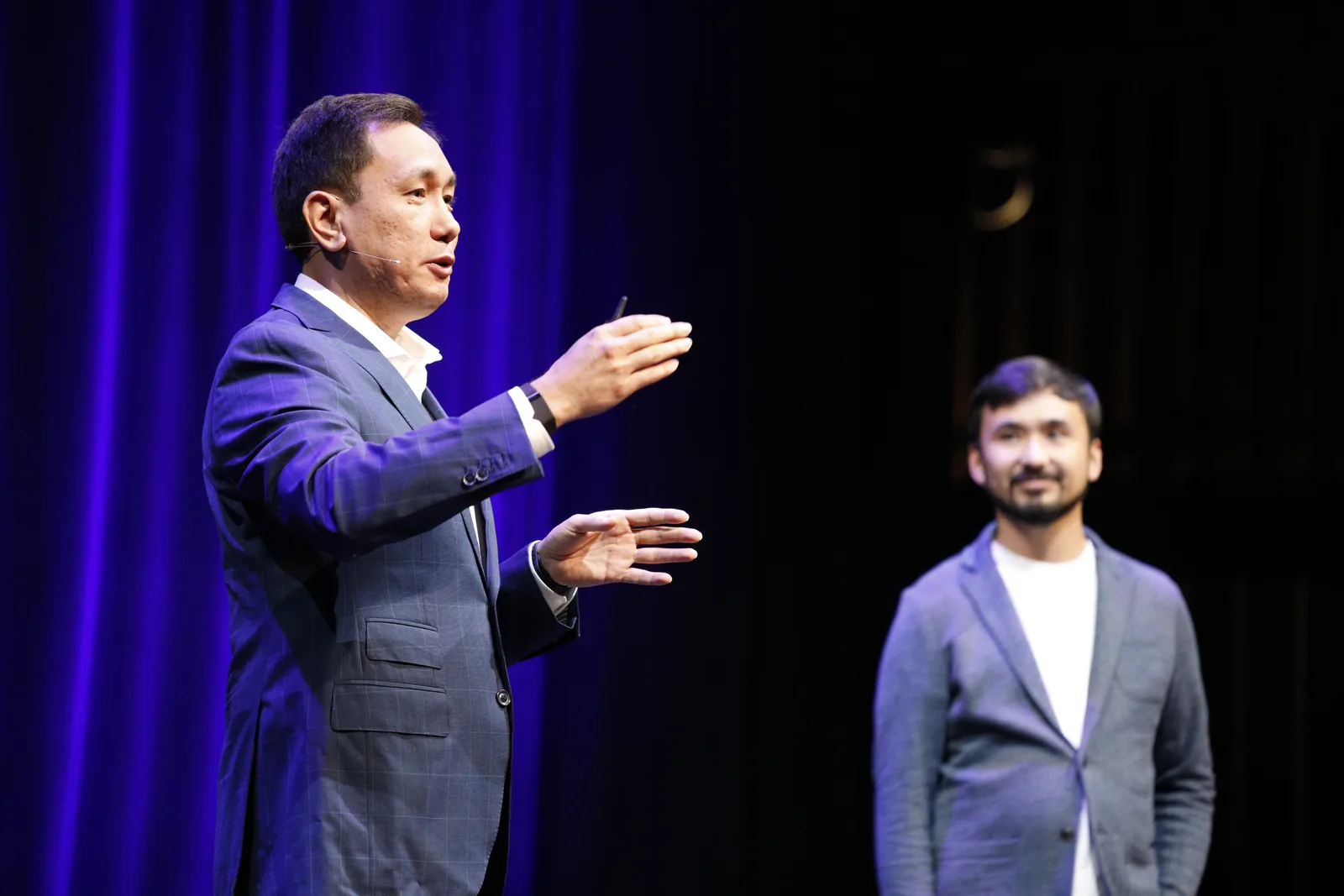
Summing up the year, the co-founder of the Silkroad Innovation Hub project shared the hub's achievements and key results, as well as outlined plans for the future.
Author - Mansur Ismagulov
The Tech AI
Get the key points in seconds - a short summary from The Tech AI.
Over the past year, Silkroad Innovation Hub launched programs with Alchemist, FPIP, the World Bank, and other partners. The accelerators included 10 startups earning millions of dollars, 70 companies in the Go Abroad program, and more than 30 in the Soft Landing Program. The Silkroad Angels Club was launched to invest in Silicon Valley. The main challenges are a shortage of high-quality projects and a lack of female founders. For 2025, a major startup competition and the development of the angel ecosystem are planned.
Asror Arabzhanov, Co-founder of Silkroad Innovation Hub
Results of Silkroad Innovation Hub
It has been a little over a year since our official opening, and in this short period, we have made tremendous progress. It seems to me that today, more and more people in the startup community in our region are talking about Silicon Valley, and this is becoming a trendy direction for scaling their projects. We see that people have become bolder.
Our goal is to show that entrepreneurship and startups can be prestigious and significant. This is not just about "buying and selling," but an opportunity to build a team and a company that can achieve success even at the level of Silicon Valley.
Over the past year, many people in our hub have found co-founders, refined their ideas, and launched projects. These results show that building your own business is no less important than joining large tech companies like Google or Facebook. We are building a new culture, and it is truly awesome.
We launched two major startup programs: an acceleration program with the largest B2B SaaS accelerator, Alchemist, supported by the World Bank and the "Stimulating Productive Innovations" project (FPIP) of the Ministry of Digital Development, Innovations and Aerospace Industry of the Republic of Kazakhstan and Astana Hub. As part of this project, we selected 10 successful startups, some of which are already earning several million dollars in the Central Asian market and want to expand into the US market.
Additionally, 13 startups participated in our own Silicon Valley Residency Program, which helps startups enter the American market. We also conducted a training session on venture and angel investments jointly with BGlobal Ventures and the Kazakhstan Investment Corporation. About 200 participants who completed the VC Bootcamp program attended the full course of the training.
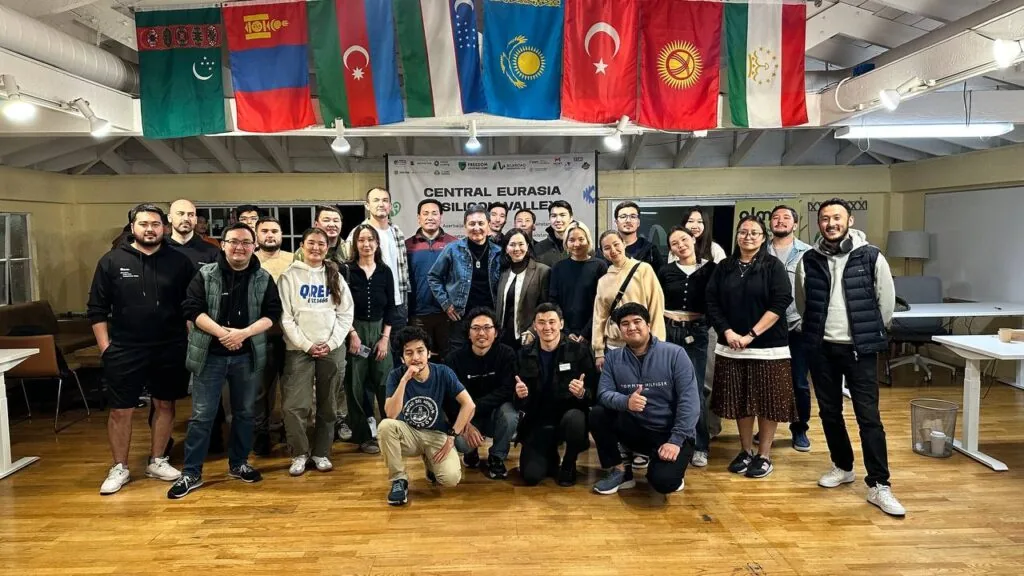
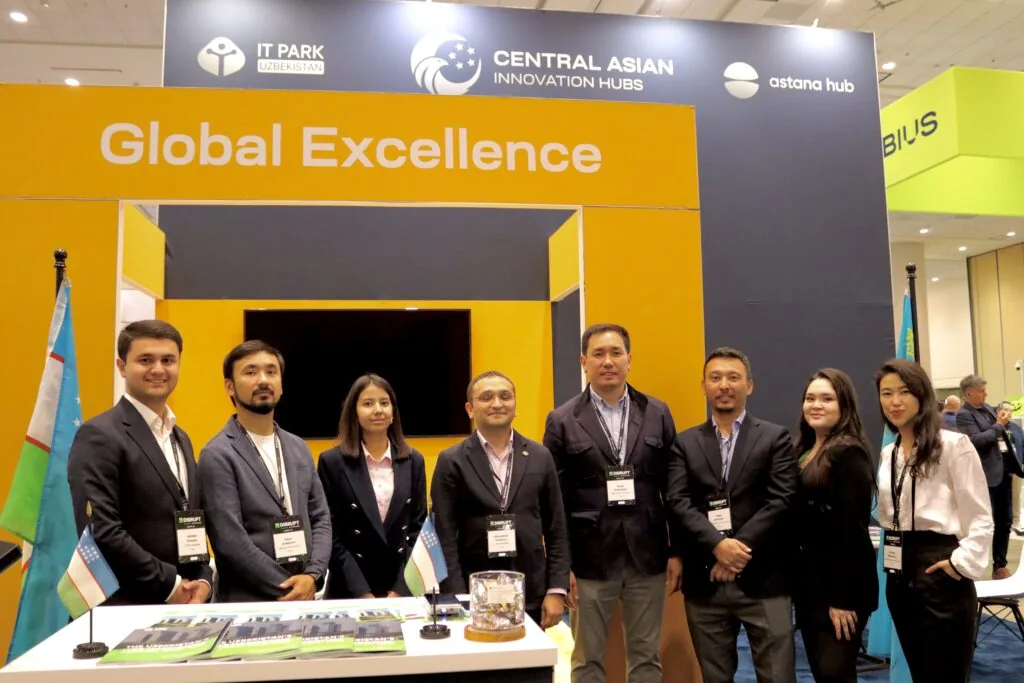
We also conducted the Go Abroad acceleration program jointly with ajyljv Nazarbayev University Research and Innovation System (NURIS) and the SIT Foundation, in which 70 startups participated in the online part, and 10 founders visited Silicon Valley. They underwent training, attended conferences such as Central Eurasia @ Silicon Valley 2024 and TechCrunch Disrupt, and participated in networking events.
We also organized a program with TechGarden, an innovative technology park, which included a five-day training in Silicon Valley for startups working with the mining industry in Kazakhstan. Startups providing services to mining enterprises underwent a program tailored to their needs.
Furthermore, we conducted the Silicon Valley Soft Landing Program with the World Bank and the "Stimulating Productive Innovations" project (FPIP). This program was aimed at helping startups open companies, including legal, financial, and tax aspects. At the end of the six-day program, participants received a ready-made company with a tax ID number and a bank account. More than 30 startups went through this program, and 11 of them registered companies as Delaware C Corporations, opened bank accounts, set up cap tables in Carta, and received legal addresses.
We organized numerous trainings for large corporations, including an intensive Executive Training Program for BI Group. Additionally, we launched the Silkroad Angels Club, which provides investors from our region with the opportunity to invest in startups in Silicon Valley. Investors can contribute small amounts that are pooled together to invest in a single startup. For example, 10 people contributing $10,000 each pool $100,000 to invest in a project.
The Central Eurasia @Silicon Valley 2024 conference became a bright conclusion to the year and a good summary of all our efforts over the past year and a half.
Main Challenges for the IT Sector
There are fewer high-quality startups, and many believe that there are no longer promising projects in Central Asia for investment. However, I think the problem is not the lack of startups, but rather those who work in this industry—such as Astana Hub, IT parks, venture investors, and us, as Silicon Innovation Hub. We need to work harder to find talents and support them. When we selected startups for Alchemist, many of them were a surprise for us.
There are many interesting projects that do not call themselves startups but have every chance of becoming successful if guided correctly. It is important not just to help founders, but to create a suitable environment for their growth and development.
I sincerely wish all market participants—venture investors, development institutions, and other players—to better seek out and find new talents. Instead of simply bringing in ready-made startups, it is worth turning to technical universities, selecting talented young people with interesting ideas, even if they have nothing yet. Perhaps they will create something significant.
We must do serious work at the foundational level to help young people understand that creating companies is not only interesting but also profitable, and most importantly, beneficial for society. This will open doors for them in the world of innovation and entrepreneurship.
There is a lack of female founders, and I would like to see girls being more active and not afraid to submit their projects. Attracting more women to the startup environment is a challenge for next year. However, this is not just a problem in our region, but a global one. Even in the US, the ratio of female CEOs to male CEOs in startups and large companies is significant. We have almost no such examples here, although there are a few strong female entrepreneurs, such as Yana Shoybekova or Laura Yeraliyeva, who have become excellent role models. We need to talk about them, share their cases, so that little girls can see, be inspired, and understand that they too can create something great.
We actively support female entrepreneurs and investors. For example, within the VC Bootcamp, we announced five grants for women, allowing them to participate in the training for free. Such initiatives help encourage women's participation in entrepreneurship and startups.
The most important thing for us is that we have become the place where our entrepreneurs and talented youth aspire to go, even those studying at universities in the US or Europe. They hear about us, write to us, and show interest, and this was our goal—to create a unifying platform for all talented people from our region. We have become such a center, and I believe this is our main achievement. In a global context, including Silicon Valley, we communicate with people from Southeast Asia, London, Europe, and the Middle East, creating a platform for ambitious people who want to change the world for the better.
We are confident that several unicorns will soon emerge from our region, and we will be part of this process by investing in the new generation of founders. Our mission is to continue this cycle: we support startups, help them grow, and this yields results. The example of Y Combinator, which worked with its first founders and helped create billion-dollar companies, shows how this works. They invest in new founders, who in turn support other Y Combinator startups, thereby creating a huge network.
We want to become such a platform, and all that we earn, we will reinvest in the most talented people from our region, continuing this cycle every year, creating opportunities for the next generation of successful entrepreneurs.
Plans
We are not stopping where we are and will continue to develop the startup ecosystem. Silkroad Innovation Hub remains open to all founders from our region, and our doors will be open to them. We will host events, organize networking for founders who come to Silicon Valley, and provide them with the opportunity to meet with other successful founders, investors, and advisors for collaboration.
We plan to launch an acceleration program for startup founders who come to Silicon Valley, and we will continue to search for the best startups in this field to offer them to our investors. We are actively developing the Angels Club, as we are confident that startups cannot achieve full growth without a strong angel ecosystem. We strive to teach angels how to invest correctly and help them earn returns, so they realize all the benefits of investing in startups, not just in traditional assets such as real estate.
In 2025, we plan to hold a major startup competition and are currently working on the format of this event, considering the possibility of conducting both a global and a regional contest.
About Motivation and Inspiration
For me, this is non-standard work: communicating with founders and exploring new directions. Each new startup is an opportunity to learn something new. 100 founders, 100 different models and businesses, which motivates me not to stop and constantly learn something new every day. This is on a personal level.
At the hub level, we are doing important work. When we just started, we asked ourselves a key question: if we don't do it, who will? Each of our events helps solve this task. And another important principle is "Go big"; we want people to be ambitious.
The second principle is "Give first." This is a community of people ready to give more than they receive. For example, someone helps others by creating an atmosphere of mutual support. The third principle is a community of ambitious and talented people. And the most important principle is "be the change." When you see a problem and ask yourself: "If not me, then who?" For example, Ayzada Marat and Asel Tuleubayeva noticed a problem with emigration to America—the process should be fast and hassle-free for talented people. They asked themselves this question and started the Alma startup.
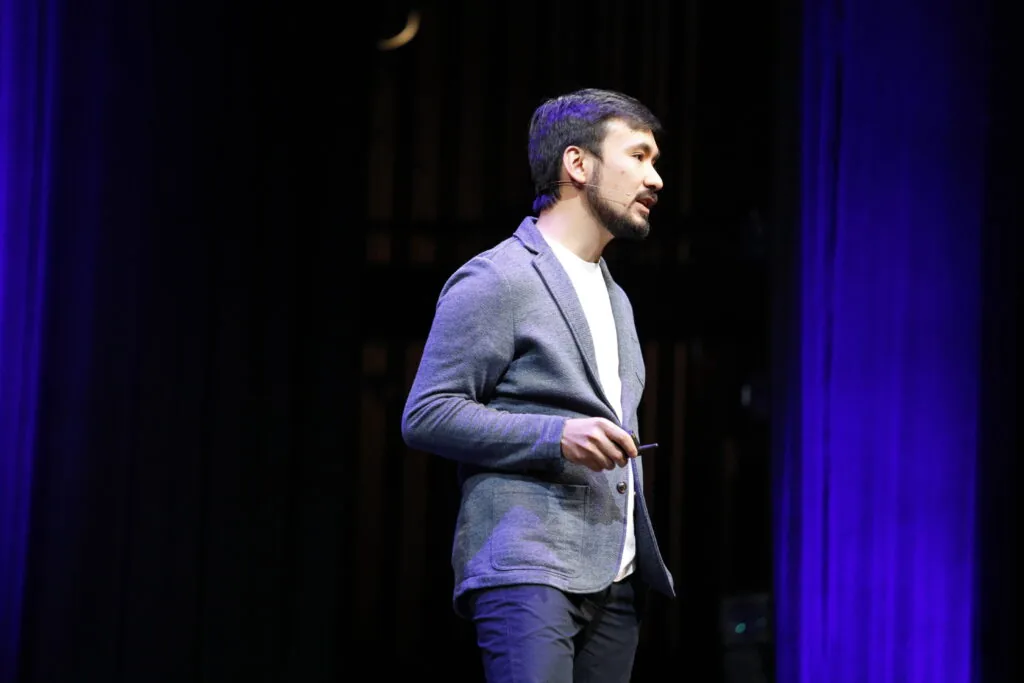
We want people around us who do not just complain, but see problems and solve them. I notice this trait in all successful founders. For example, Askhat Omarov, who went through Y Combinator, created a ticket ordering system called Santufei because he personally encountered this problem. This motivates us to do what others do not. For example, we decided to hold a conference because if we do not, no one will organize a technology conference about Central Eurasia in Silicon Valley. This is our great motivation.
We believe in the principle: "Talent is distributed equally, opportunity is not"—talent and potential are distributed equally regardless of a person's background, but opportunities, such as access to education and resources, unfortunately, are not. We believe that there are many talented people in our region, and they should have the same opportunities.
The Tech on Telegram Follow The Tech on Telegram
Keep up with the latest technology and startup news.
Related reading


More from this author
News
zypl.ai begins operations in Japan and focuses on next-generation risk models
Mansur Ismagulov

News
Elon Musk's net worth has exceeded $700 billion for the first time
Mansur Ismagulov
Article Interviews
"Central Asian countries should build a joint ecosystem," — Bekhzod Ismoilov on the development of AI in the region
Mansur Ismagulov
Article Interviews
Bloom's Taxonomy and Engineering Levels: A Practical Growth Model
Mansur Ismagulov
Article Useful
How the IT industry in Azerbaijan developed in 2025: key events
Mansur Ismagulov
News
Tajikistan has become a new member of the regional innovation alliance Central Asian Innovation Hubs
Mansur Ismagulov