Al-Farabi Innovation Hub: How 2024 Went for the IT Hub in Riyadh
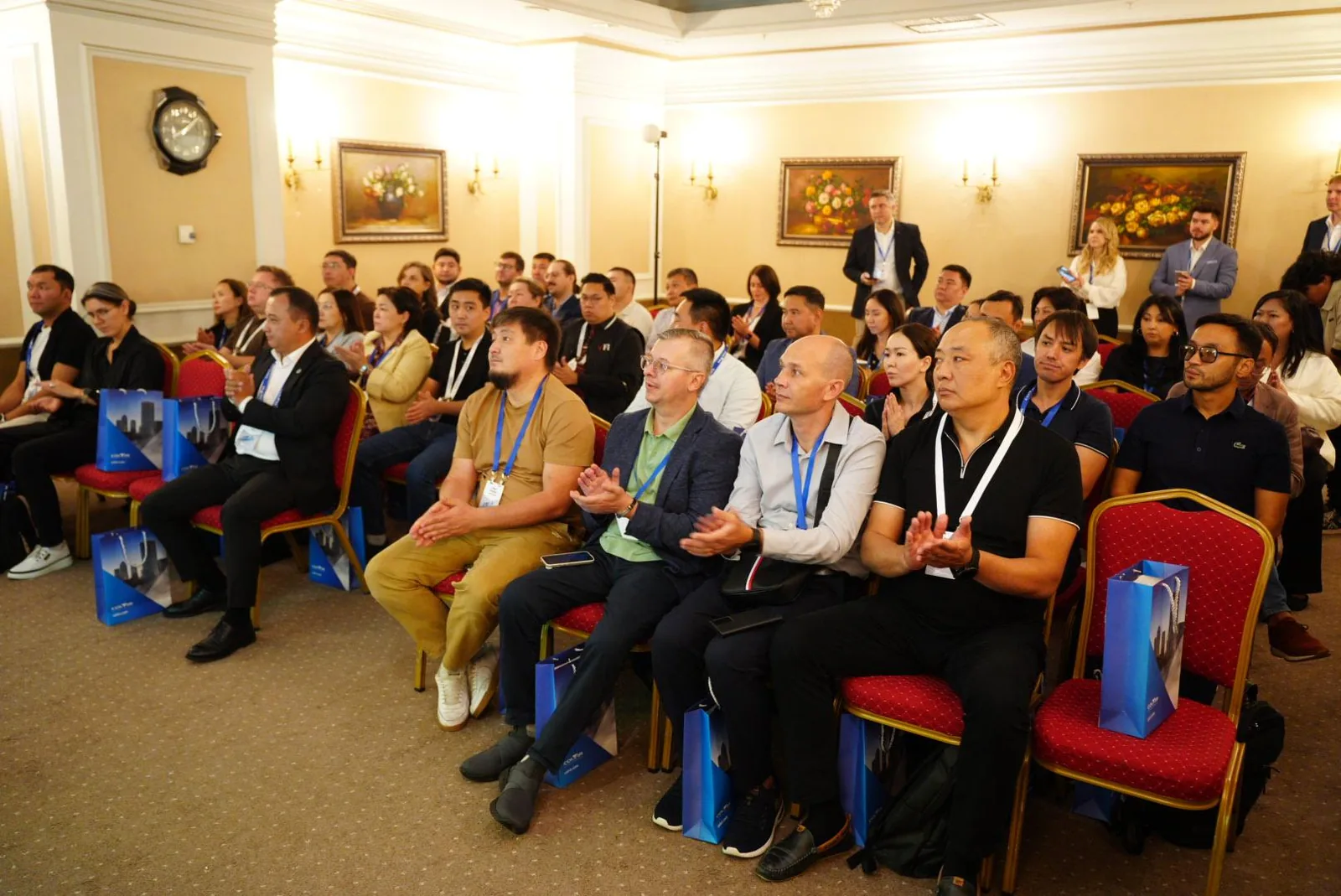
Since its opening this year, Al-Farabi Innovation Hub has done significant work to develop the country's IT ecosystem. The Tech editorial team learned about its key achievements and future plans. Read the full interview below.
Author - Mansur Ismagulov

The Tech AI
Get the key points in seconds - a short summary from The Tech AI.
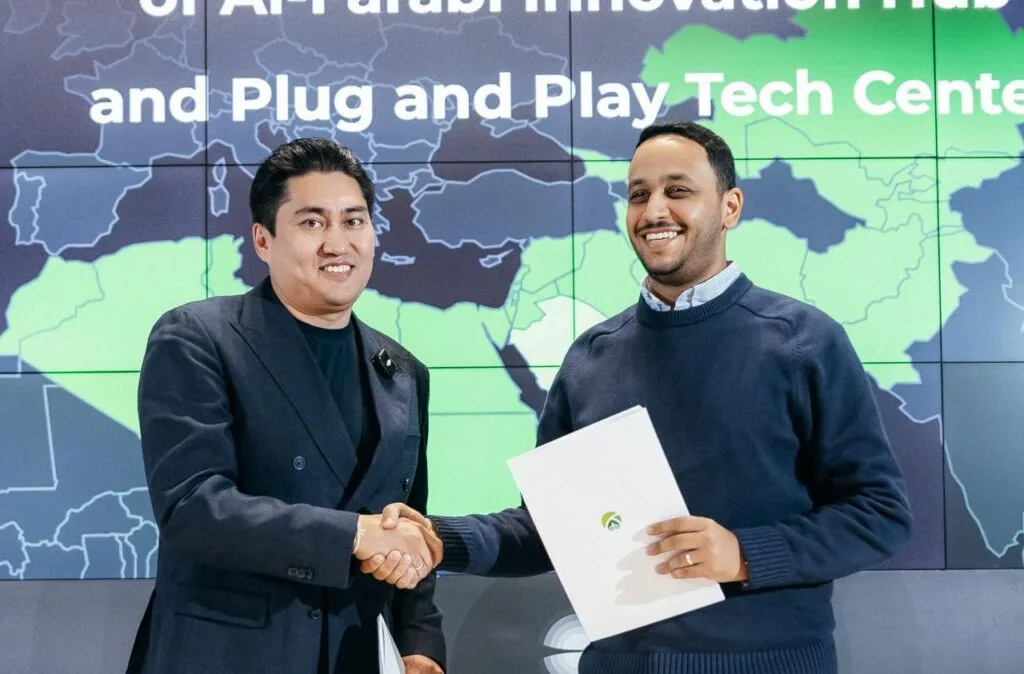
Aslan Sultanov, Managing Partner of White Hill Capital, summarized the results of Al-Farabi Innovation Hub's operations in Astana. Over the past year, the company obtained a license for accelerators in Saudi Arabia and launched a program in partnership with Plug and Play for startups from Central Asia and the Caucasus. Starting January 10, participants will travel to Saudi Arabia to develop their businesses, and successful ones will receive funding from the Tumar Venture Fund. Sultanov notes that the small size of the Kazakh market (20 million people) and the lack of investment at the Series A stage force companies to scale up abroad, particularly in the MENA region. Plans include completing the construction of an IT park in Saudi Arabia by summer 2025 and launching a second accelerator focused on DeepTech.
Aslan Sultanov, city — Astana, managing partner of the venture company White Hill Capital, @aslan_sultanovvv
Results of Al-Farabi Innovation Hub
We opened in March this year with the support of the Center for International Programs in Education and Science, the World Bank, and Astana Hub. Over the past year, we obtained a license to conduct accelerators in Saudi Arabia. In November, we launched the first program for startups from Central Asia and the Caucasus in collaboration with Plug and Play. We selected startups from Azerbaijan, Kazakhstan, Mongolia, Saudi Arabia, Tajikistan, and Uzbekistan that are already ready to scale. The online part of the program is complete; startups are studying the market and identifying partners. Starting January 10, they will travel to Saudi Arabia for two months for business development. Our goal is to help these startups register companies in Saudi Arabia and sign contracts. Those who successfully complete the accelerator will be funded through our Tumar Venture Fund. This accelerator helps export IT innovations and startups, which is important for the development of the region and for Kazakhstan, where startups have a strong technical foundation.
There are two key things missing in Kazakhstan. The first is the market size, which is significantly smaller than in Saudi Arabia or other countries in the MENA region. To achieve an exit, companies need to enter broader markets, such as the US or others. The second is the depth of the capital market. There are not many funds in Kazakhstan willing to finance at the pre-seed stage and above. Therefore, to grow, companies need to scale abroad. The third aspect is exit. I have not heard of major exits in Kazakhstan, and if a company wants to scale, it needs to enter the MENA or Southeast Asian markets.

Main challenges for the IT sector
The first is the limited market size. Kazakhstan has only 20 million people, and if we consider all of Central Asia and Uzbekistan, it is about 60 million. However, in terms of purchasing power and company size, this is still a small market. We are bringing them to the MENA market, giving access to a market 10-20 times larger.
The second is investment. Investments in Kazakhstan are growing, reaching about $80 million annually. However, for startups to develop, they need to enter international markets. For Pre-seed, Seed, and Early-seed stages, there is enough investment; there are angels and small funds like MOST. But for companies at the A stage, finding investment in the region is difficult. We help startups enter new markets, as was the case with CodiPlay and zypl.ai.
Plans
Our plans for next year are to complete the creation of the ecosystem. Currently, we are in what is called the "garage" — an analogue of our Astana Hub, a large IT park, but in January 2025, we plan to move to our Hub in Saudi Arabia. We want to fully complete the construction of the ecosystem by the end of next year so that startups from Kazakhstan can come to us, receive help with coworking, legal issues, and access to the local ecosystem, becoming residents of Al-Farabi Innovation Hub. We plan to complete this structure by summer next year.
Our second plan is to launch a second accelerator. If this time we worked with companies from different sectors, next year we may focus on DeepTech and more specialized startups.
Third, since we operate in the region with two structures, we already have funds, and we hope to attract additional capital that will be invested in startups entering the market.
About motivation and inspiration
We are motivated by the success of startups. We are interested in helping them with business development and bringing them to international markets because we compete with other countries, and this inspires us. We like to achieve great results and show success. This is a different level of competition that helps us become stronger and better.
In Kazakhstan, everything is developing clearly, especially in terms of funds — they are timely and of high quality. I believe that all conditions for success are present, and next year also promises to be successful for the venture IT community.
The Tech on Telegram Follow The Tech on Telegram
Keep up with the latest technology and startup news.
Related reading


More from this author

News
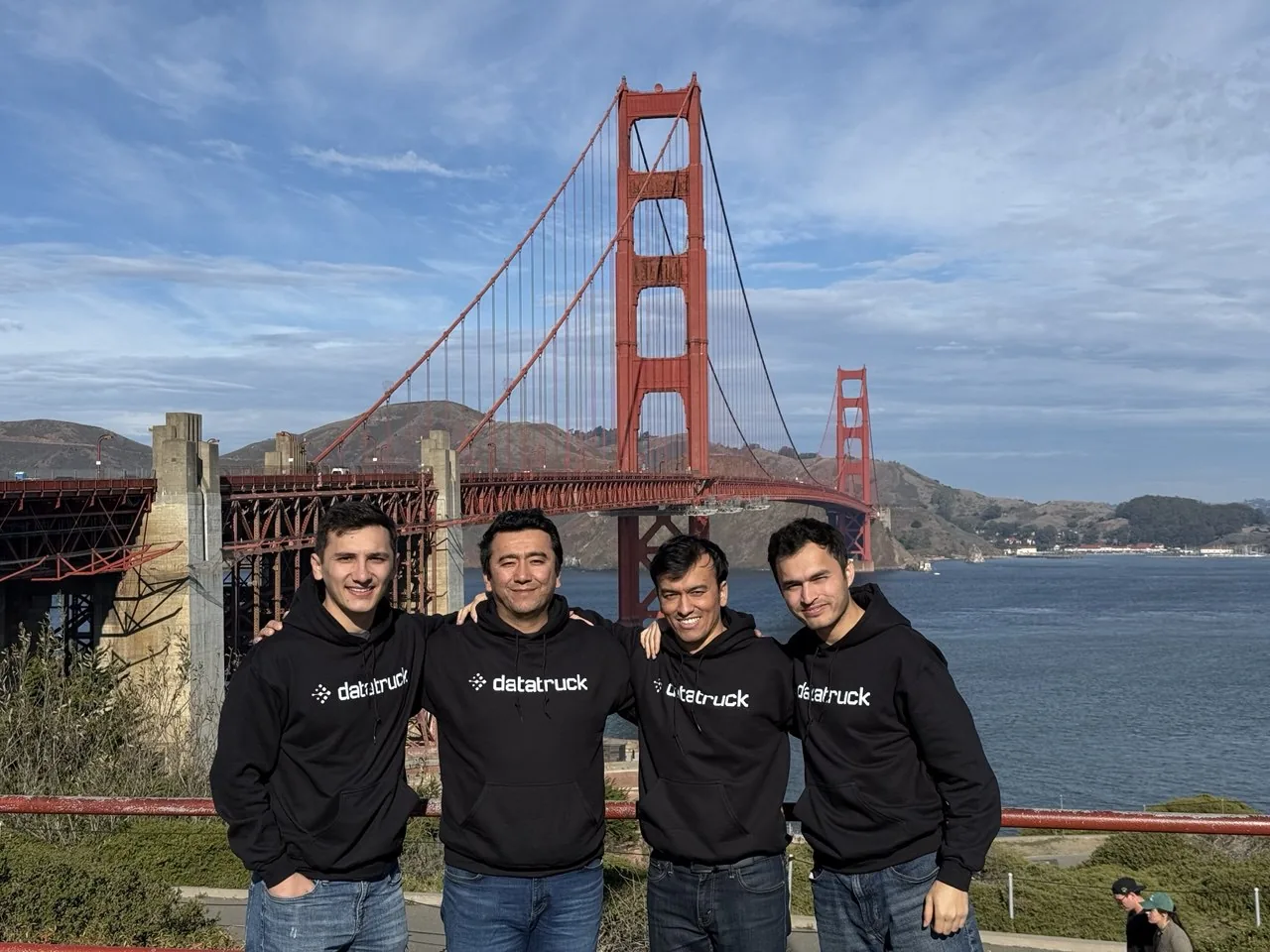
zypl.ai begins operations in Japan and focuses on next-generation risk models
Mansur Ismagulov

News
Elon Musk's net worth has exceeded $700 billion for the first time
Mansur Ismagulov
Article Interviews
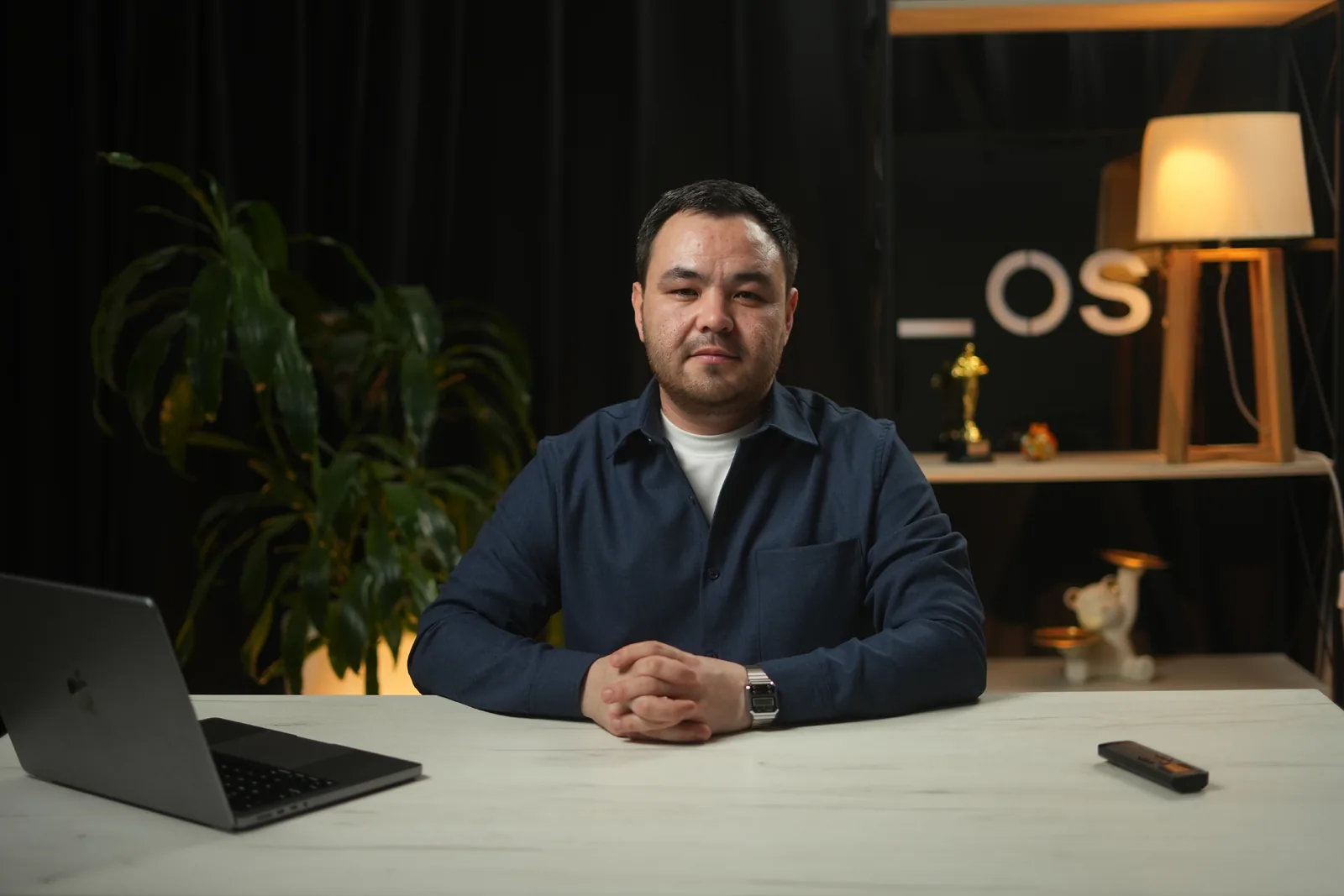
"Central Asian countries should build a joint ecosystem," — Bekhzod Ismoilov on the development of AI in the region
Mansur Ismagulov

Article Interviews
Bloom's Taxonomy and Engineering Levels: A Practical Growth Model
Mansur Ismagulov
Article Useful
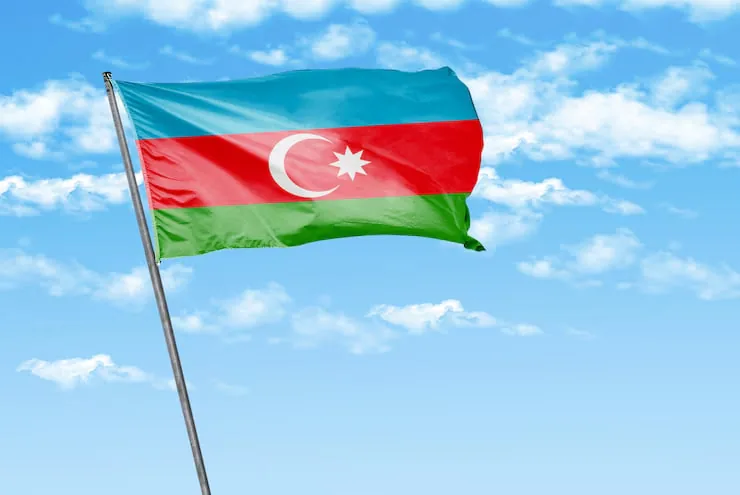
How the IT industry in Azerbaijan developed in 2025: key events
Mansur Ismagulov
News
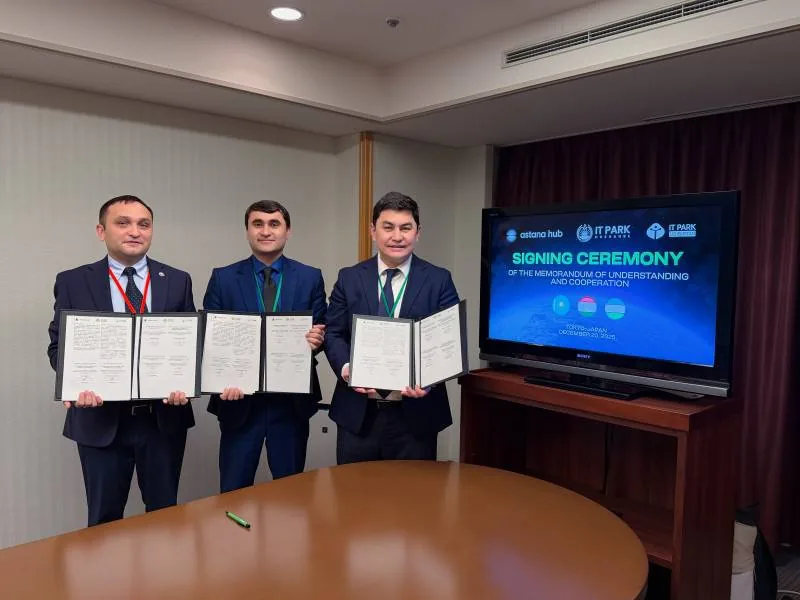
Tajikistan has become a new member of the regional innovation alliance Central Asian Innovation Hubs
Mansur Ismagulov