How to choose a startup accelerator: what programs offer besides investments
An accelerator is often perceived as a source of initial funding. However, the initial check is usually small, and the main value of the program lies elsewhere: in mentors, connections with investors and clients, discipline, and community. What startups actually receive from accelerators, how much it costs, and what questions founders should ask themselves before submitting an application.
The Tech AI
Get the key points in seconds - a short summary from The Tech AI.
Accelerators (3–6 months) work with ready-made products, while incubators work with ideas. Berkeley SkyDeck offers an accelerator for rounds from funds and incubator Pad-13; Alchemist has 7000+ mentors. SkyDeck invests $210k for 7.25% and a $7500 contribution, Alchemist provides ~$30k for 5%. Programs provide access to investors, clients, partner resources worth over $750,000 and relocation assistance. Alchemist alumni have raised over $5 billion.
How an accelerator differs from an incubator
An accelerator is a program with clear deadlines. It typically lasts from three to six months, runs in cohorts, and concludes with a Demo Day, where teams present to investors. Startups that already have a product, initial customers, or a clear go-to-market plan join accelerators.
An incubator works with earlier-stage projects, sometimes at the idea stage. It provides more time to find a business model and rarely guarantees investment.
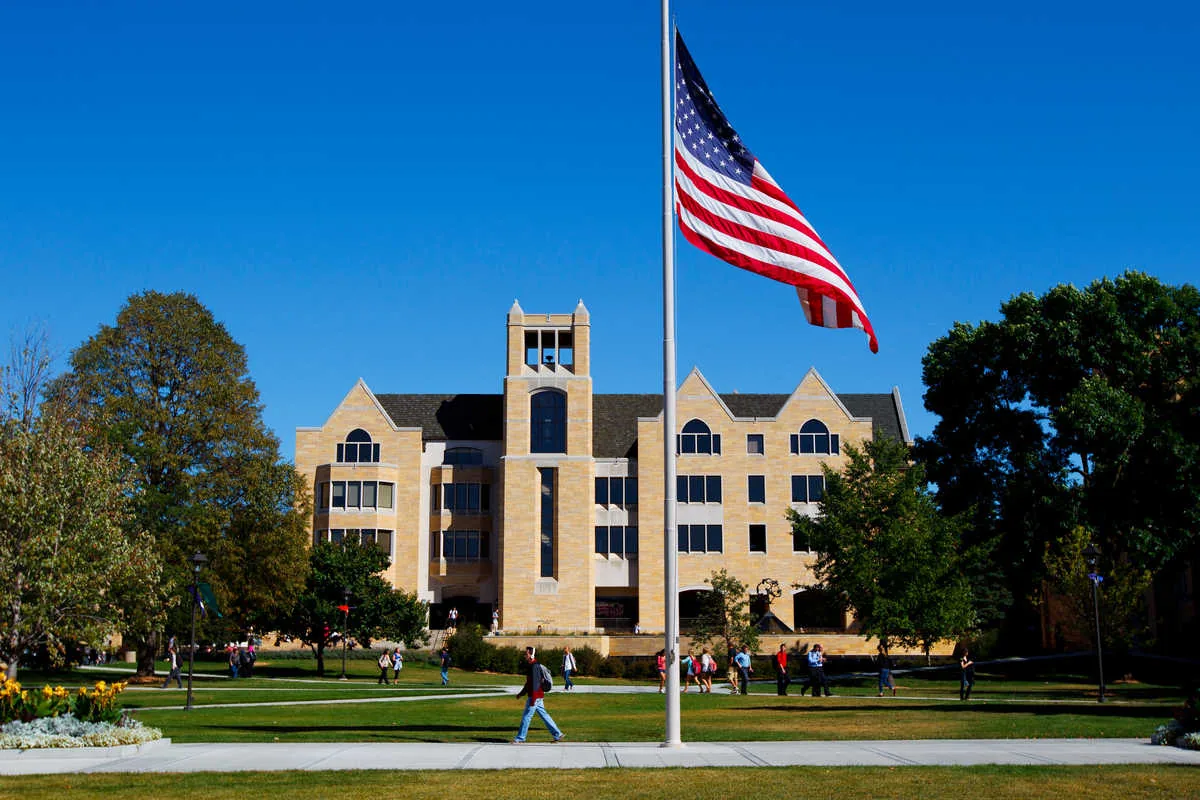
A good example of both formats is Berkeley SkyDeck, a program of the University of California, Berkeley. It offers an accelerator for teams preparing for their first round from venture funds, and an incubator, Pad-13, for early-stage projects.
What programs offer besides money
Investment in an accelerator is only part of the package. The rest is often even more valuable.
— Mentors and experts. Founders receive regular consultations from entrepreneurs, investors, and industry specialists. The Alchemist Accelerator community has over 7,000 mentors, while SkyDeck has more than 900 advisors.
— Access to investors. The program helps prepare the pitch and financial model, then introduces the team to funds. SkyDeck’s Demo Day attracts over 600 participants, including hundreds of investors.
— Access to customers. For B2B startups, this is often the main benefit. Accelerators open doors to large companies where it is difficult to get a first meeting without a recommendation.
— Structure and discipline. Weekly meetings, deadlines, and reports prevent the team from relaxing and help them test hypotheses faster.
— Alumni community. After the program, the startup remains in a network where it can find partners, employees, and advice. Alumni of Alchemist, numbering over 750, have raised more than $5 billion.
— Partner resources. Credits for cloud services, discounts on legal and accounting services, and access to laboratories. SkyDeck participants receive partner resources worth over $750,000.
— Relocation assistance. For international teams, this is a separate value. Global Founders Program by SkyDeck helps solve practical relocation issues to the US: immigration, housing, and insurance.
How much does participation cost
Free money in an accelerator is rare. Most often, the program invests in exchange for equity in the company. The deal is usually structured through a SAFE — an agreement under which the investor puts in money now and receives equity in the next round.
Some programs also charge a participation fee. For example, SkyDeck invests $210,000 for 7.25% of the company and charges a fee of $7,500. At Alchemist, the tuition fee is offset by the investment: on average, $30,000 comes to the company’s account, and in exchange, the accelerator typically receives about 5%.
The real cost of participation consists of several parts: equity, fee, expenses for flights and accommodation, and the team’s time. This should be calculated in advance.
5 questions before applying
Is the stage appropriate?
Some programs look for teams with an idea, while others seek startups ready to raise a round in the next six months. SkyDeck explicitly states that its accelerator is suitable for those ready for their first institutional round within six months.
Does the focus match?
Industry-specific accelerators know the market better and bring in relevant investors. Alchemist works only with companies that earn revenue from business clients. SkyDeck has separate tracks for biotech, chips and quantum technologies, aerospace, fintech, and climate technologies.
What results have alumni achieved?
It is worth studying the program’s portfolio: how much capital companies raised after graduation, and whether there are startups from a similar industry or region among them. For example, the Armenian startup Krisp went through SkyDeck in 2018 and raised $8 million during the program.
What is the format?
Some programs are online, while others require relocation. Alchemist allows participation from anywhere in the world, and classes are scheduled according to California and European time zones. SkyDeck provides accelerator participants with a workspace in Berkeley.
What else is included in the deal terms?
Aside from equity, the accelerator may ask for the right to participate in subsequent rounds. The SkyDeck fund reserves the right to invest up to 10% of the startup’s first institutional round, and Alchemist may also request co-investment rights.
Before applying, it is useful to talk to two or three alumni. They will tell you how much the program’s promises matched reality.
When an accelerator is not needed
If the team already has investors, customers, and a strong network, an accelerator may offer less than the equity cost. In this case, it is worth looking at incubators and programs without mandatory investments. For example, participation in Pad-13 costs $500 or 1% of the company, and there are no guaranteed investments there.
The main rule is to choose a program based on the startup’s task, not the brand’s fame. The right accelerator saves months of work and opens doors that would otherwise take years to find.
The Tech on Telegram Follow The Tech on Telegram
Keep up with the latest technology and startup news.
Related reading

More from this author

News
Now in ChatGPT, you can hide conversations with a PIN code or Face ID
The Tech
News
Anthropic has introduced Claude Duet, a personal AI agent for business
The Tech

News
Autonomous taxis from inDrive, Pony.ai, and NVIDIA will appear in Astana
The Tech
News IT
AICONF-2026: NVIDIA, OpenAI, and SpaceXAI will come to Dushanbe
The Tech

Article Startups
How a startup from Baku combined more than 30 AI tools for moms into one app
The Tech
Article
n8n, Flowise, or OpenClaw: which one should a business choose
The Tech