"Start working with AI, even if you don't feel ready," — Greg Brockman's advice
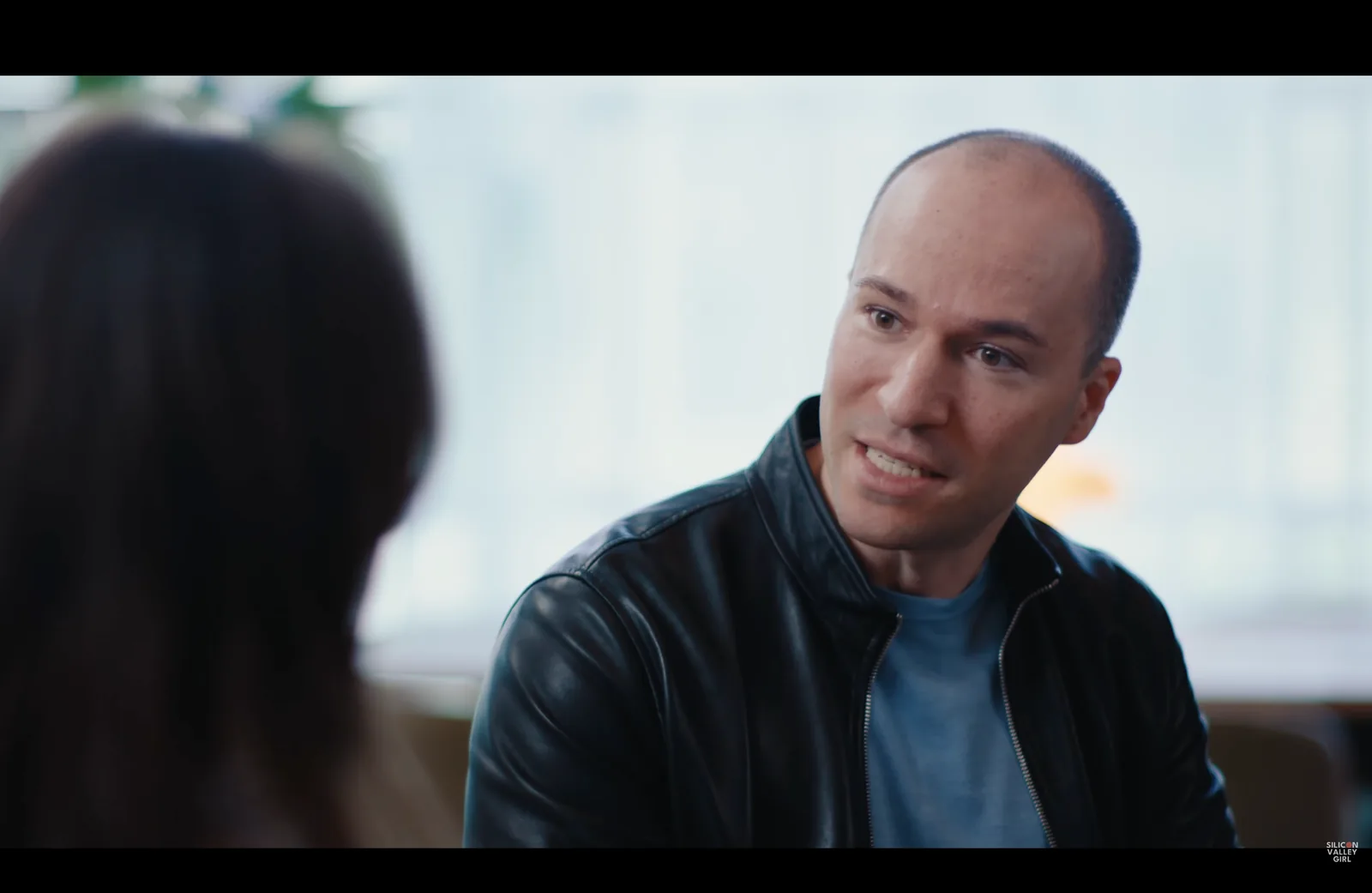
OpenAI co-founder Greg Brockman gave an interview to the Silicon Valley Girl podcast. It covers why people use AI for only a small fraction of its capabilities, how AI will help small businesses, and where to start working with agents if you have just one hour. The Tech gathered the key points.
The Tech AI
Get the key points in seconds - a short summary from The Tech AI.
Greg Brockman, former CTO of Stripe and co-founder of OpenAI, notes that ChatGPT is used weekly by 1.2 billion people. He believes that AI should suggest use cases on its own, as users who find three ways to use it become active. A boom in entrepreneurship is expected in the next one to two years due to the accessibility of technology.
Greg Brockman was there at the founding of OpenAI, the company that created ChatGPT. Before that, he was the CTO of the payment service Stripe. Today, he is one of those who determine how artificial intelligence will develop.
AI can do more than we ask it to
1.2 billion people use ChatGPT every week. But most use it to solve just one or two tasks.
At OpenAI, they noticed an interesting pattern. If a person finds at least three different ways to use ChatGPT, they become an active user and don’t leave. The problem is that few people reach these three scenarios.
Therefore, AI should suggest what it can do on its own. For example, remind you about an email you haven’t replied to for several days, find the necessary information, and offer a ready-made response. You’ll just need to click “send.”
AI writes code for Brockman
Brockman is a good programmer, but he no longer writes code by hand. He sets tasks for AI, provides feedback, and directs the work.
AI also helps in everyday life. Brockman’s acquaintance wanted to build a guest house. AI prepared the drawings, they were handed over to the contractor, and now the house is already being built. In the past, this would have required hiring a specialist.
The advice is simple: from time to time, ask AI for something slightly more ambitious than before. And see if it works.
The main limitation is not technology, but ambition
It is impossible to use AI too ambitiously. You can always do more.
A good example is the owner of an antique watch shop. He was convinced that he didn’t need AI. An OpenAI employee showed him how to create a website in a few minutes using a voice chat. Then the owner told AI the story of each watch, and beautiful descriptions of the collection appeared on the site.
It is useful to ask yourself: what would you entrust to the best programmer in the world if they worked for you? Now everyone has that opportunity.
We are facing an entrepreneurship boom
A real boom in entrepreneurship will begin in the next one to two years. The first signs are already visible.
Starting a small business is easier now than ever before. Everyone has a business consultant and an expert at the doctoral level in their pocket. And it’s free.
The boundary between business for companies and business for ordinary people will begin to blur. In the past, building personal relationships with each customer was too expensive. AI will allow doing this on a massive scale. But the main thing in business will not change: you need to understand the customer and provide them with real value.
How to create a product that won’t become obsolete
Many are afraid that a new AI model will make their product unnecessary. This can be avoided.
Products that only address the weaknesses of current models will not last long. But a product that improves along with the models will only become stronger.
The main advantage is deep knowledge of your industry. Take hospitals, for example. There are patients, doctors, administration, and insurance companies. Whoever manages to win the trust of each of them will get a product that is difficult to replicate.
There are still many inefficient processes in the economy. In any industry, you can find tasks that are easy to improve. And the most interesting ideas may appear at the intersection of different fields, just as educational technologies appeared once.
Personal AI assistant
Brockman’s agent is connected to email, work chats, and company data. Any question about OpenAI, he first asks AI.
The agent can even collect business metrics from the database. At Stripe, this required writing to the analytics department and waiting a week for a response. Now AI handles it in minutes.
Brockman also has a live assistant, the head of his staff. AI did not replace her but freed her from routine questions. Now she can focus on more important tasks.
The rule of five
Those who are just getting acquainted with agents should start small. Write something, click “send,” and see what happens.
Find a small task that annoys you. For example, an email you should have replied to long ago. First, solve it manually with AI. Do this five times. When you understand how the process works, automate it.
This approach helps maintain a connection with the task. After all, responsibility for the result still lies with the person.
What to do if you have one hour
Try a new OpenAI AI agent. Connect it to your email and calendar so it understands your context. Give it a simple task. For example, to buy something, conduct research, or perform a repetitive task.
Such an agent works in the cloud. You can close your laptop, and it will continue to perform the task.
What the future will look like
AI will continue to surprise. Soon, every person will have a tool capable of solving tasks that were previously available only to narrow experts.
This will open the path to breakthroughs in medicine, drug development, and materials science. Every person and every company will have their own AI that works in their interests. And the main task is to ensure that these technologies are reliable and help people.
The Tech on Telegram Follow The Tech on Telegram
Keep up with the latest technology and startup news.
Related reading

More from this author
News
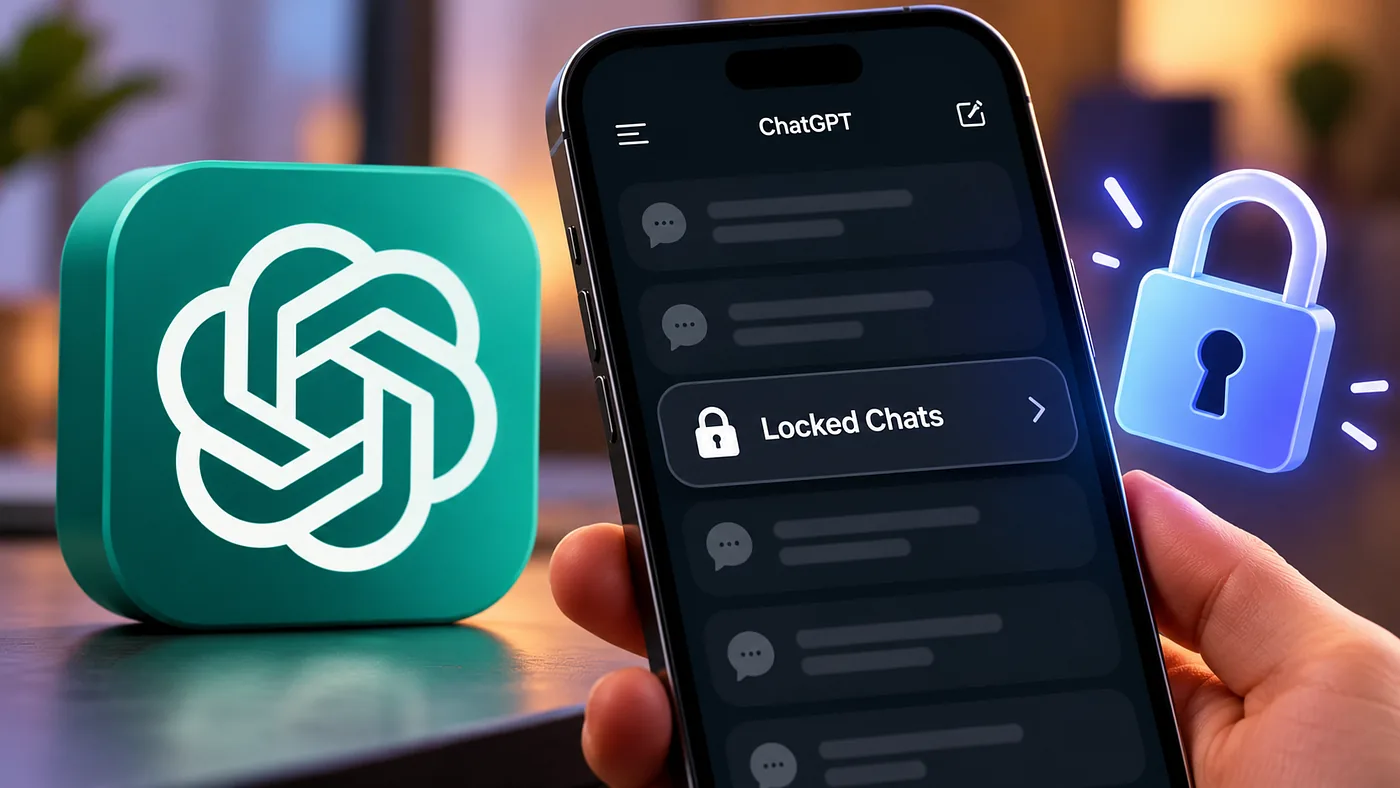
Now in ChatGPT, you can hide conversations with a PIN code or Face ID
The Tech

News
Anthropic has introduced Claude Duet, a personal AI agent for business
The Tech
News
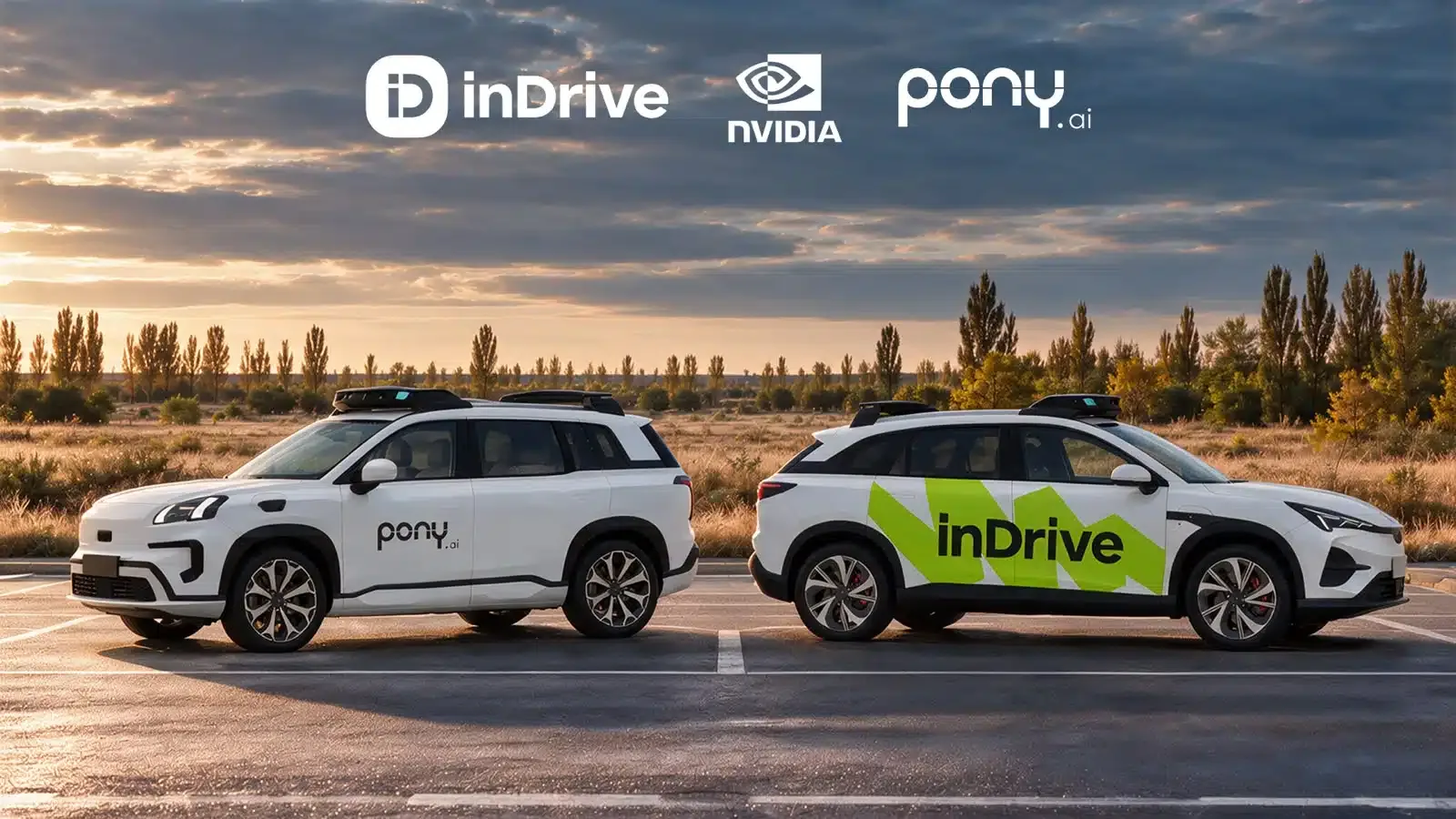
Autonomous taxis from inDrive, Pony.ai, and NVIDIA will appear in Astana
The Tech
Article Useful
How to choose a startup accelerator: what programs offer besides investments
The Tech
News IT
AICONF-2026: NVIDIA, OpenAI, and SpaceXAI will come to Dushanbe
The Tech

Article Startups
How a startup from Baku combined more than 30 AI tools for moms into one app
The Tech