n8n, Flowise, or OpenClaw: which one should a business choose
The Tech AI
Get the key points in seconds - a short summary from The Tech AI.
n8n, Flowise, and OpenClaw overlap in their capabilities for agent scenarios and self-hosted deployment. n8n integrates AI into workflows with human-in-the-loop verification. Flowise enables the creation of AI applications and RAG services through a visual builder. OpenClaw provides continuous agent-user interaction via messengers as a self-hosted Gateway. All three systems are available in PS Cloud Services on a VPS with root access retained for environment configuration.
The capabilities of n8n, Flowise, and OpenClaw overlap significantly. All three can participate in agent scenarios, work with external services, and be deployed independently. Therefore, it is more useful to compare them not by a list of features, but by the core focus of their operation.
n8n: Embed AI into existing processes
Suppose a client submits a request on a website. n8n passes it to the CRM, the model determines the subject of the inquiry and prepares a summary, the manager reviews the result — after confirmation, the workflow triggers the next step.
By this principle, you can generate reports, process documents and support tickets, transfer data between services, and schedule actions.
The central entity of n8n is the workflow: a sequence of steps, conditions, and integrations. It can include API calls, models, and manual confirmations. AI becomes part of the process, and humans can be kept at points where actions require verification. n8n supports human-in-the-loop for AI Agent tool calls.
Flowise: Build an AI application
Another scenario is an internal assistant for employees. Instructions, regulations, and product materials are loaded into it. An employee asks a question, the system finds relevant information in the knowledge base, and passes it to the model to prepare an answer.
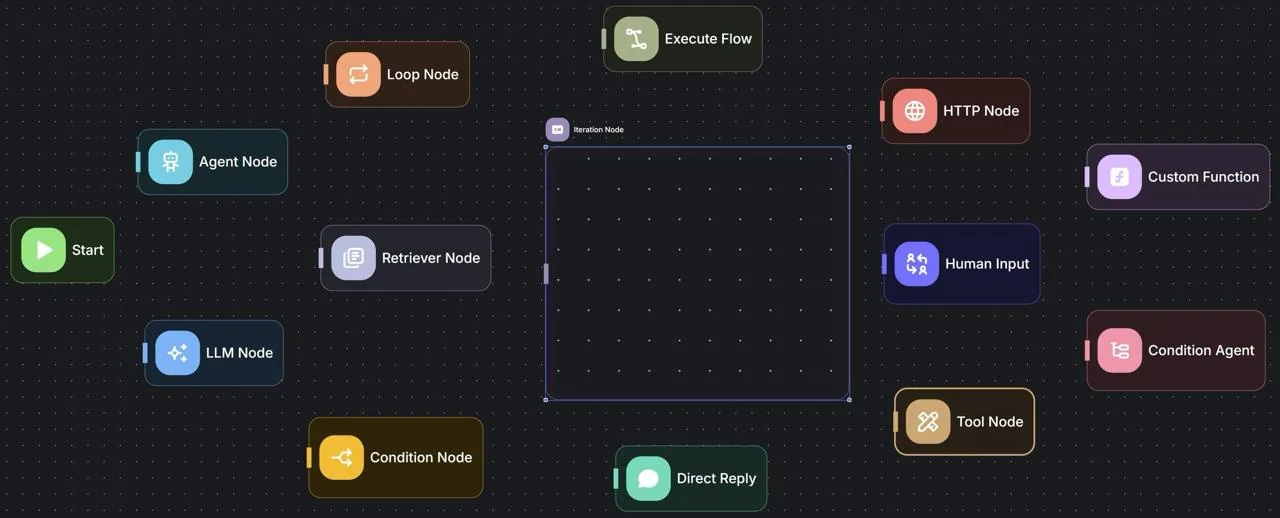
On Flowise, you can build assistants for sales and support, chatbots, RAG services, and single or multi-agent systems. In the visual builder, models, knowledge sources, tools, and their invocation logic are connected.
Thus, the starting point of Flowise is the AI application or agent flow itself. A significant part of the AI infrastructure can be assembled within a single environment without separately developing model interaction, retrieval, tools, and routing.
OpenClaw: Provide the agent with a persistent interaction channel
OpenClaw has a different starting point: how the user interacts with the agent. The Gateway connects agents to Slack, Telegram, WhatsApp, Teams, and other channels. A separate interface does not need to be introduced: the employee writes to the agent in their familiar chat and receives the result there.
Further capabilities depend on configured tools and permissions. The agent can work with files, execute allowed commands, and schedule tasks. OpenClaw supports its own scheduler for persistent and periodic tasks.
OpenClaw operates as a self-hosted Gateway — a persistent process that connects channels, agents, and tools. Therefore, it is particularly suitable for scenarios where a work messenger becomes a permanent entry point to the agent.
All three systems can be deployed independently. A local installation is suitable for testing, while a server is more convenient for 24/7 scenarios: workflows and agents do not depend on the employee's computer and continue to work after their session ends. n8n and Flowise officially support self-hosted deployment, and OpenClaw is initially described as a self-hosted gateway.
In PS Cloud Services, n8n, Flowise, and OpenClaw are available as ready-made VPS configurations. After creating the server, you can connect models, corporate services, and necessary access rights. Root access is retained, so the environment can be further customized and additional software installed.
The Tech on Telegram Follow The Tech on Telegram
Keep up with the latest technology and startup news.
Related reading



More from this author
News
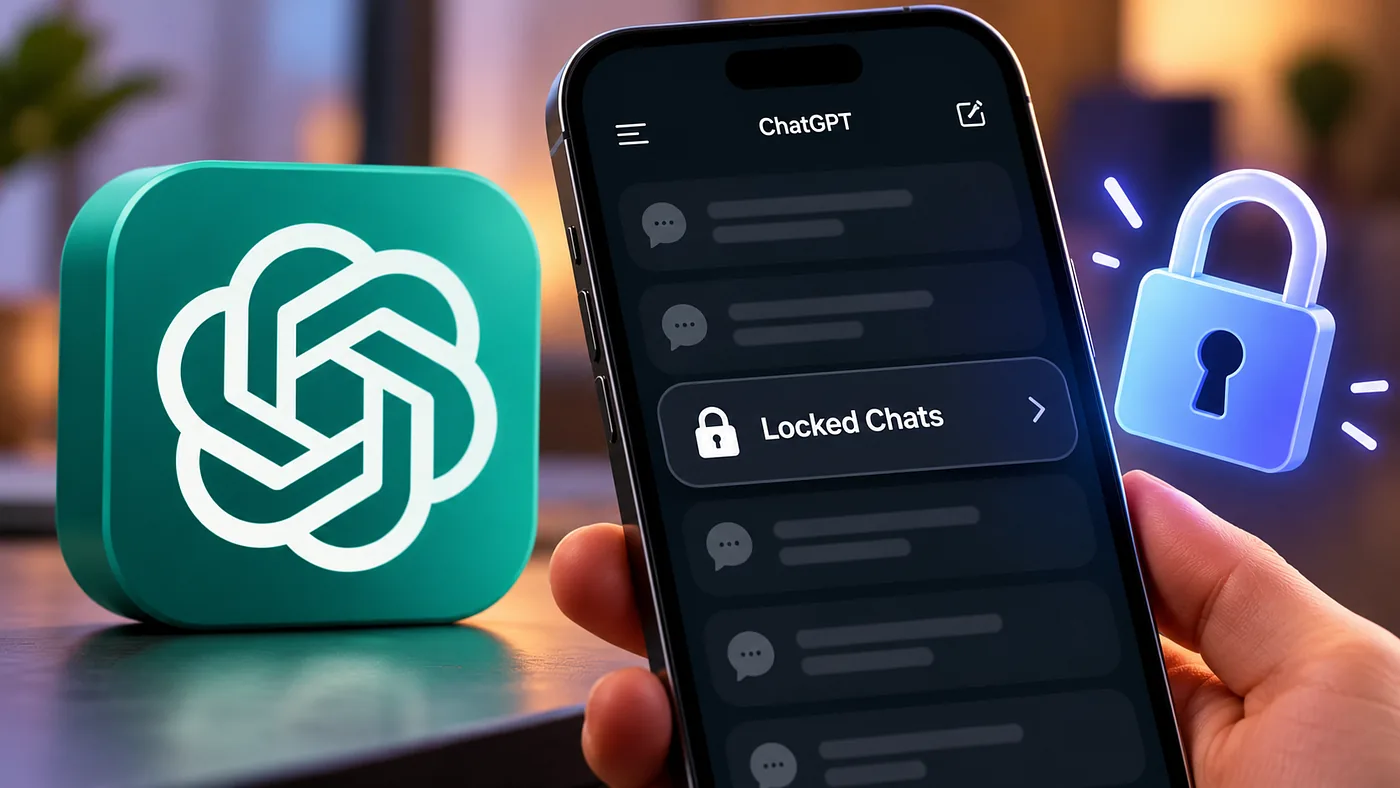
Now in ChatGPT, you can hide conversations with a PIN code or Face ID
The Tech

News
Anthropic has introduced Claude Duet, a personal AI agent for business
The Tech

News
Autonomous taxis from inDrive, Pony.ai, and NVIDIA will appear in Astana
The Tech
Article Useful
How to choose a startup accelerator: what programs offer besides investments
The Tech
News IT
AICONF-2026: NVIDIA, OpenAI, and SpaceXAI will come to Dushanbe
The Tech

Article Startups
How a startup from Baku combined more than 30 AI tools for moms into one app
The Tech