"I want every resident of Uzbekistan to know about Uzum in 10 years," — Roman Lavrentiev on the company's development
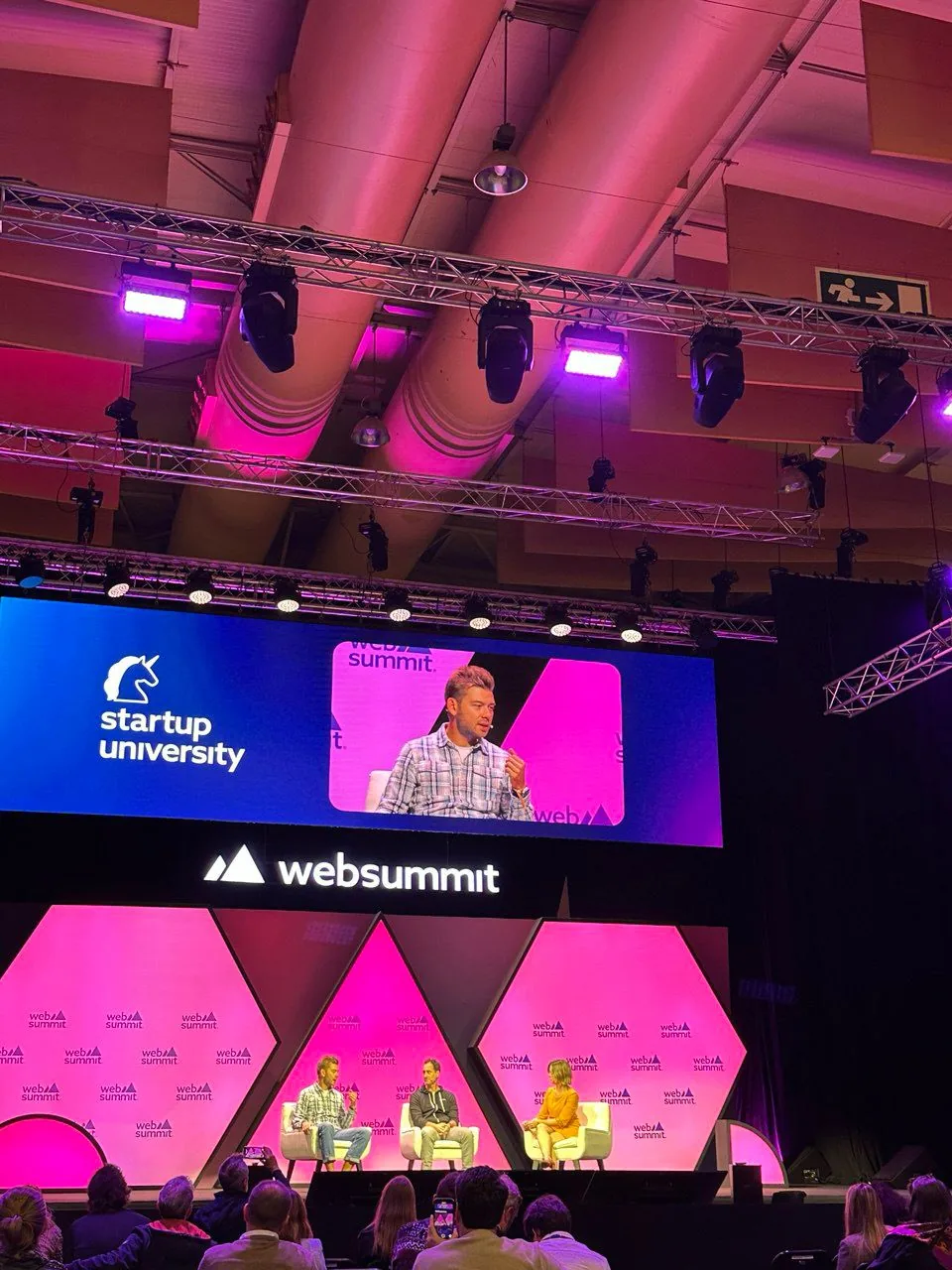
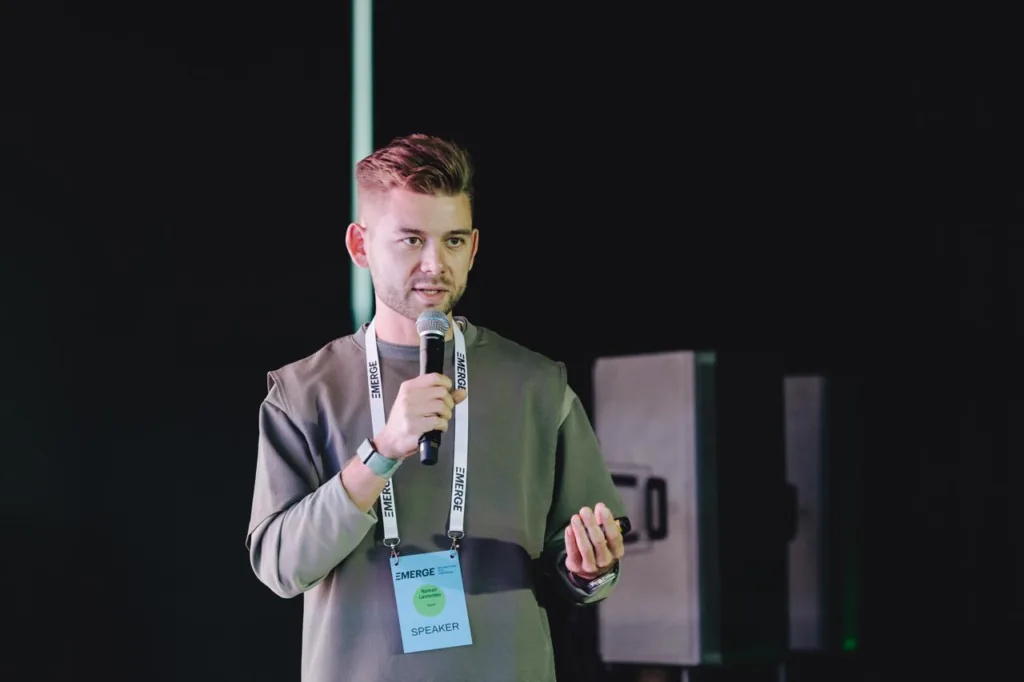
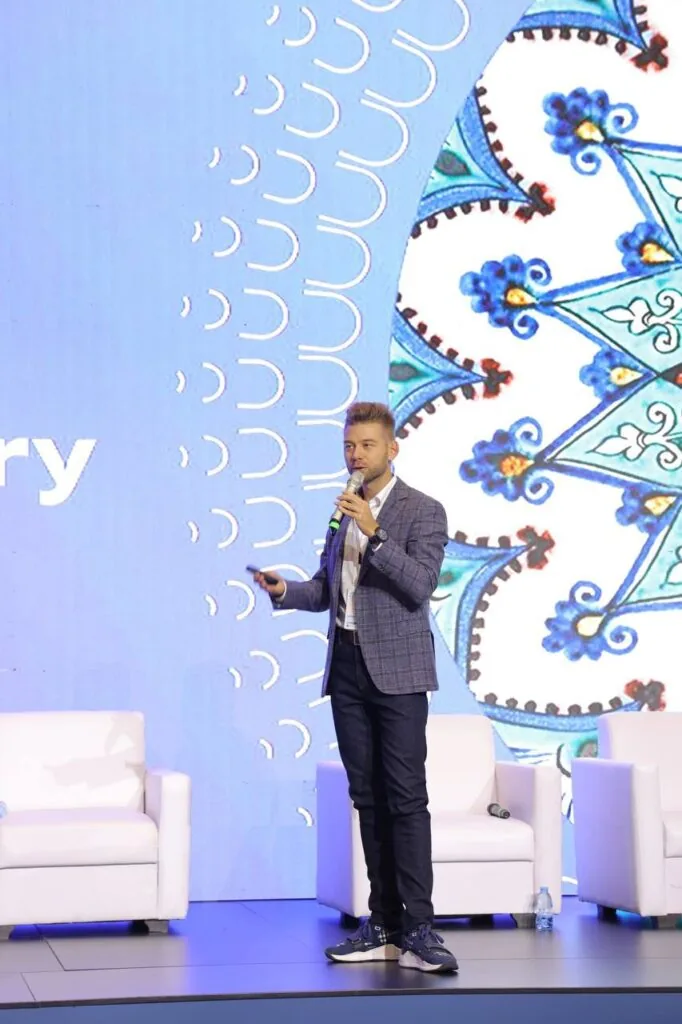
We continue to summarize the year and discuss plans with IT leaders from Central Asia. Our next guest is Roman Lavrentiev, COO of Uzum from Uzbekistan. He shared his thoughts on global changes, trends, and the company's plans.
Author - Mansur Ismagulov
The Tech AI
Get the key points in seconds - a short summary from The Tech AI.
Roman Lavrentiev, COO of Uzum (Tashkent), notes the shortening of strategic cycles and a shortage of IT professionals. AI and ML accelerate releases to weekly updates. Uzum's culture is built on data and empathy. The strategy is focused on e-commerce and FinTech in Uzbekistan. In 10 years, the company aims to save users' time. Uzum is developing an IT academy and environmental projects for society.
Roman Lavrentiev, City — Tashkent, COO Uzum, Linkedin
About global changes and trends
The main change we are observing concerns business processes and decision-making. Strategic cycles have become shorter. Company cultures and processes are adapting to respond promptly to changes. For example, budget cycles, product planning, and release speeds have become flexible to align with external conditions.
Comparing approaches now with those from five years ago, one can note that product release cycles, decision-making, and analysis have significantly shortened. Company cultures have become more flexible to quickly respond to environmental changes and develop in various directions.
About new challenges
One of the main challenges is the shortage of talents and experts. Companies are growing faster than countries can train IT specialists. The demand for experienced professionals exceeds their availability in the market. This creates a problem in attracting and retaining staff, especially in emerging markets. It is important to prevent their mass exodus to developed markets.
The second challenge is the rapid adaptation to new technologies. In recent years, AI and big data work have emerged, requiring integration into existing infrastructure. For IT companies, the task is to promptly integrate innovations into business processes.
About the role of new technologies
New technologies are finding applications in various industries. For example, ML technologies have been used for over 10 years in scoring models, and in BioTech, they help in making accurate diagnoses and changing the approach to product creation.
At the applied level, these technologies accelerate production cycles. For instance, AI is actively used in marketing and HR, where it helps test hypotheses and find successful products. AI also facilitates coding and its testing.
The main change that new technologies will bring is the reduction of release cycles. In every function, from marketing to development, the process will become continuous. Companies will be able to release updates every week. This will give a significant advantage to users, who will receive improvements almost constantly.
About future employees
IT companies develop products in various industries, so processes and cultures differ significantly.
If we talk about Uzum, our culture is based on the value "data is more important than opinions." In the creative process, whether it is marketing or product development, there is always a desire to do things one's own way. However, when making decisions about design, interface, or user journey, we rely on data. We are open to any opinions, but the final decision is always based on facts and figures.
The key competencies of our employees are the ability to work with numbers and empathy. A person must not only understand data but also comprehend user needs. Competition in technology is growing, so it is important to feel the customer's context, reduce their unnecessary actions, and make the product useful. For Uzum, it is important to find people who can work with data and subtly sense the local culture and customer needs.
About the impact of global trends on company strategy
Macroeconomics for business is like an open sea with varying weather. When Uzum becomes a large ship, we learn to maneuver in any conditions. Macroeconomic stability in the region is critically important: it gives companies a visible horizon for investing in fundamental projects. Any investment, especially in infrastructure, requires time and must pay off. For this, a predictable and stable "weather" is needed.
We are focused on the Uzbek market, which, in our opinion, is undervalued by international investors. We are confident that this market will develop both at the macro level and for our company, Uzum. In the near future, our strategy is oriented towards creating digital products in the e-com and FinTech segments with a focus on Uzbekistan.
Today, managers cannot be experts in all technologies—from ML to AI. Therefore, the main task of leaders at any level is to create a culture where the team itself proposes technologies and solutions. This is a culture of openness, criticism, and innovation.
One of our values is "to be honest with oneself and the team." For example, at Uzum, any employee can write a letter with an idea or suggestion directly to the CEO. The concept of open doors and feedback creates an atmosphere where innovations are born. Specific tools and frameworks depend on functions and directions, but it is the culture of openness that allows us to move forward.
What a future leader should be like
A leader must be able to find the right people for the team. At the same time, it is important to understand that "rightness" is determined not only by professional skills and values but also by the company's current stage of development. Different stages of a company's life require different specialists. For example, some people have the ability to quickly launch a project, others can analyze and improve processes in detail, and others have strategic vision for long-term growth. The ability to select the right people at the right time is the key to a leader's success.
Furthermore, a future leader must create an environment where people do not feel that they are just working. It is important for employees to feel that they are creating something significant. This approach helps motivate the team, and in such an atmosphere, success is inevitable—the result appears over time when people see that their efforts bring benefit.
What the company will be like in 10 years
I would like Uzum to be associated in 10 years with a company that helps people save time by eliminating unnecessary operations and routine tasks. Currently, the company is already implementing small but important features that significantly simplify life. For example, in our Uzum Bank app, you can automatically top up your mobile account or pay utility bills. Such features, although they may seem insignificant, are of great importance because previously people had to spend time going to the bank and standing in queues to perform these operations.
I want every resident of Uzbekistan to know about the Uzum company and actively use our services in 10 years. Uzum should become a brand associated with saving time and improving quality of life. If we manage to achieve this goal, I will be proud that our company has made a significant contribution to people's lives.
About the company's role in the future
The Uzum company strives to be not only successful in business but also to leave a positive social footprint. We understand that an IT company should not be limited to economic results alone. It is also important to contribute to societal development and improve the social situation. For example, we launched an IT academy that teaches people development skills, giving them a chance to find employment not only in our company but also in other organizations.
We also participate in environmental projects. One such project is the monitoring of air quality in Uzbekistan. We have installed sensors across the country that collect information on the state of the ecology, which helps provide accurate data to government bodies for decision-making. Environmental responsibility is an important issue for us, and we will continue to work in this direction to improve the quality of life in the country and preserve nature for future generations.
Thus, the Uzum company continues to work not only for the benefit of its business but also for the benefit of society, contributing to social and environmental initiatives.
The Tech on Telegram Follow The Tech on Telegram
Keep up with the latest technology and startup news.
Related reading




More from this author

News
zypl.ai begins operations in Japan and focuses on next-generation risk models
Mansur Ismagulov

News
Elon Musk's net worth has exceeded $700 billion for the first time
Mansur Ismagulov
Article Interviews
"Central Asian countries should build a joint ecosystem," — Bekhzod Ismoilov on the development of AI in the region
Mansur Ismagulov

Article Interviews
Bloom's Taxonomy and Engineering Levels: A Practical Growth Model
Mansur Ismagulov

Article Useful
How the IT industry in Azerbaijan developed in 2025: key events
Mansur Ismagulov
News
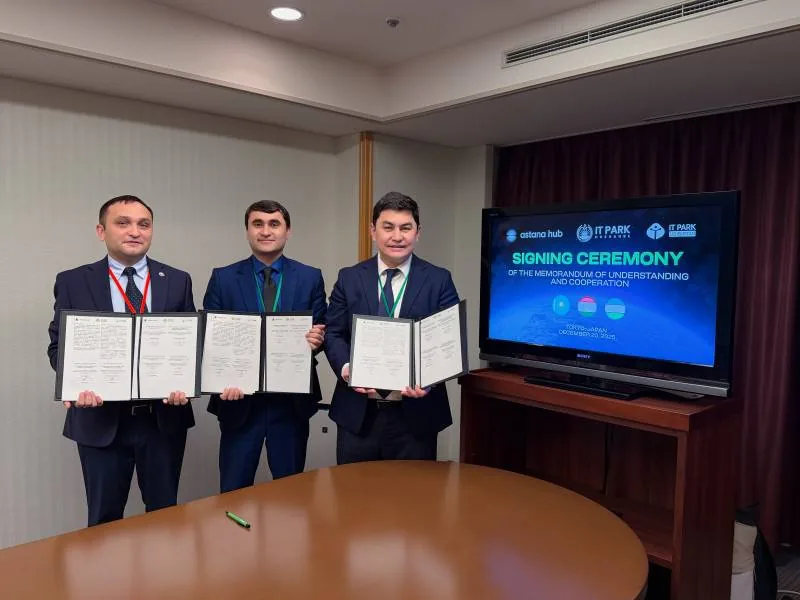
Tajikistan has become a new member of the regional innovation alliance Central Asian Innovation Hubs
Mansur Ismagulov