WomenInTech. "Women give 150% of themselves, setting an incredibly high standard," — young women from Central Asia on how they are changing the IT industry
Successful young women from Kazakhstan and Uzbekistan shared their experiences in IT and provided advice for those looking to develop their careers in this field.
Author - Mansur Ismagulov
The Tech AI
Get the key points in seconds - a short summary from The Tech AI.
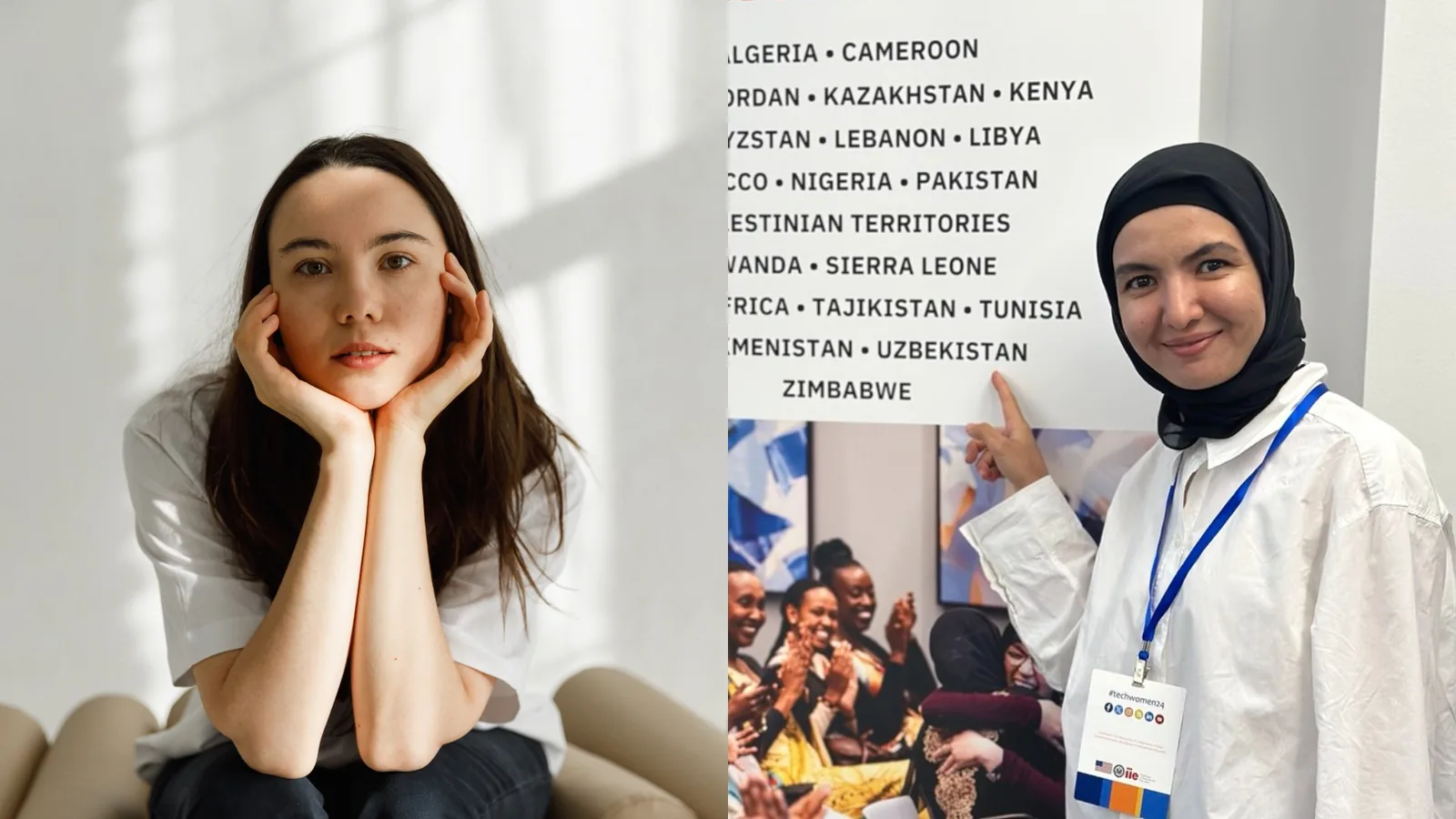
Ksenia Molchanova (Moscow, Yandex) and Raano Sidikova (Tashkent, Plug and Play) shared their experience in IT. Ksenia changed her profession from cartographer to product manager, emphasizing the importance of choosing a career based on passion. Raano, with over 15 years of experience, fights stereotypes as an ambassador for Women Techmakers, where her team gathered 400 event participants. Both women recommend mindful career choices, continuous learning, and community support for professional growth.
Ksenia Molchanova, city — Moscow, product-manager, @boboriska
About myself
I am a product manager at Yandex. My product includes solutions for user authorization and registration. This is a complex and technically dense area, but I enjoy solving tasks that resemble puzzles. I compensate for the sometimes stressful and tense work with hobbies: I am learning to play the ukulele, studying the basics of music, running a blog about management in IT, and traveling to unusual places. For example, I recently returned from the tundra—such trips are inspiring and energizing.
How I entered the IT profession

My path into IT was unconventional. I studied to be a cartographer and completed my master's degree in the department of applied astronautics. My first job involved creating geoportals and processing data—we created informational maps from arrays of coordinate points to support decision-making.
Later, I moved into business analysis, working at a company that automated business processes. I helped users solve their problems while simultaneously meeting business needs. After some time, I wanted more influence over the product, so I began considering product manager vacancies.
The turning point was accepting an offer for a product manager position at a FinTech startup. It was a challenge: I changed professions, industries, and cultural contexts all at once. This experience became a test of resilience: I learned to handle difficulties and realized that I could achieve my goals if I stayed on the right path. After three years, I decided to move forward and started working at Yandex.
I never had the goal of entering IT—nor was it as popular five years ago. I always chose what inspired me and contributed to my development. That is why, in my blog, I emphasize the importance of choosing a profession based on passion rather than popularity. This approach helps with growth and feeling at home in one's role.
On stereotypes
I have encountered stereotypes, especially in the public sphere. There is still a belief that IT is a field for men, although it is worth remembering that the first programmer was Ada Lovelace.

The IT sector is generally progressive, but prejudices still exist. For example, I see how my female colleagues give 150% effort, setting an incredibly high standard to prove their value. This is inspiring, but I would like their professionalism to be recognized without the need to constantly prove their competence.
Barriers for women in IT
One of the difficulties is internal limitations related to imposter syndrome. According to a study by the University of California, women experience this syndrome more often than men. Even when work is done well, doubts can hinder progress.
My environment helped me—support from colleagues and family. When I doubt myself, I ask for honest feedback, and this has become an important part of my professional journey. I have also learned not to fear mistakes: they are inevitable, but it is precisely through them that we develop.
Recommendations for those just starting their path
1. Make conscious choices. Seek a field that inspires you, even if it doesn't seem "trendy" or "promising." It is important to do what you enjoy.
2. Don't be afraid to take risks. Career pivots can be scary, but they offer the opportunity to unlock your potential. The main thing is patience and confidence in your abilities.
3. Keep learning. The industry is constantly changing, so it is important to be flexible and open to new things.
4. Ask for help. Experienced colleagues and the professional community can become powerful support and a source of inspiration.
Every person has experience that can be adapted to a new field. The main thing is to "sell" it correctly. For example, women on maternity leave often underestimate their skills. But look at the incredible time management, multitasking, and responsibility skills they have! No coach can teach that.
Rano Sidikova, city — Tashkent, Partner Success Manager at Plug and Play, Linkedin
About myself
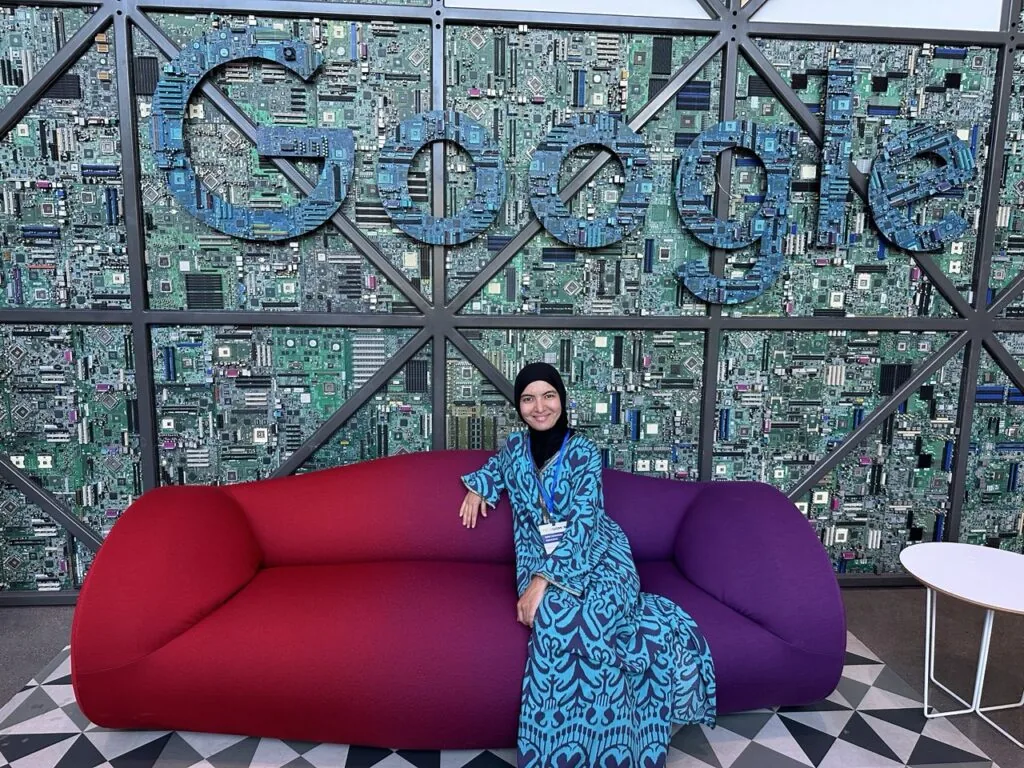
Today, I work as a Partner Success Manager at Plug and Play. I focus on business development, connecting startups with large corporations, and primarily interact with corporate partners. Additionally, I am an ambassador for Women Techmakers—an initiative by Google aimed at supporting women in technology.
As a Women Techmakers ambassador, I work in a team of more than 10 women, and we organize various events. Last year, we focused on Tashkent and held a major event that brought together 400 participants, 80% of whom were women. This year, with the support of USAID, we expanded the geography of our events, organizing them in Samarkand and Fergana for the first time. Our goal is to support diversity in the technology industry, as the presence of women in this field is still insufficient. There is a stereotype that technology is exclusively a "male" profession, and we strive to destroy this misconception.
My story with Women Techmakers began when I was looking for IT courses for my daughter and was told that it was men's work. At that moment, I was already holding the position of General Manager at the IT company Applied Labs, headquartered in New York.
Before working at Plug and Play, I was the General Manager of the Tashkent office of Applied Labs, a company known in IT circles for outstaffing projects and numerous job openings. This was my first job in a pure IT environment. Initially, I submitted a resume for a project manager position, but after the interview, I was offered the role of General Manager, which was a pleasant surprise.
I have over 15 years of work experience. Before Applied Labs, I led the IT team at the travel company Advantour, where all sales went through the website. We actively worked on SEO to attract clients for key queries such as "tours in Uzbekistan," "tours in Central Asia," and others, and we managed to achieve over a million page visits per month without advertising costs, solely through optimization. We competed not only with Uzbek but also with international travel companies, and I consider this an achievement to be proud of.
How I entered the IT profession
I graduated from Westminster University with a degree in Business Administration. Later, friends recommended the company Ucell to me, and I got a job there. This was around 2010, when the internet was still not very widespread. I clearly remember the day when our sales volume through the internet reached the level of sales through phone calls. We celebrated this event, as back then everyone talked on the phone for hours, and internet packages were not sold as easily.
My position at Ucell was called "marketing specialist," although it could more accurately be described as product owner. I was responsible for the development of services via short codes: from idea development and coordination with technical, financial, and legal departments to launching and supporting sales, as well as interacting with customers regarding support. My area of responsibility covered the entire process, including P&L, which made this work close to the IT sphere, although formally it was telecommunications.
After Ucell, I worked in FinTech. During this period, the internet was already quite developed. One of my projects was Global Custodian—a magazine headquartered in the US. We collaborated with them as an outsourcing team and conducted seven annual surveys among international banks such as HSBC and Bank of America. I was the main point of contact between a team of four technical specialists and clients from the US, helping to conduct customer surveys for banks worldwide and process the received data. These surveys determined the quality of service in banks and provided customers with information about the best service in various areas. This was between 2012 and 2014, when the internet had not yet reached its current scale.
Later, I worked at Advantour as the team lead for the IT department. My career gradually evolved towards technology, as the IT sector offered more and more opportunities, although I did not actively seek it out.
On stereotypes
I often notice how stereotypes hinder women in business. For example, the position of general manager is perceived as male by default. This seems harmless at first glance, but it reflects a real problem: men are more often associated with leadership positions, which complicates career growth for women.
In startups and meetings with investors, I am often the only woman in the room. Sometimes I feel excluded from discussions. However, in Uzbekistan, a culture of mutual aid softens these challenges.
It is important for women to support each other, especially in IT, where all conditions exist: remote work, flexible schedules, and decent pay. But the situation is more complex in startups. Out of 40 startups with investments, only one is female-owned. Globally, only 2% of female-founded startups receive funding, which, according to studies by Harvard University and the Massachusetts Institute of Technology, is related to stereotypes.
To change this, we launched the FoundHER and Tumaris Tech projects. We conducted acceleration programs for dozens of startups, sent teams to Silicon Valley, and helped them enter new markets. These initiatives are already bearing fruit, inspiring women in business.
Barriers for women in IT
For girls in IT, having technical qualifications is a significant advantage. Teams value diversity, including the female perspective, which brings fresh ideas and improves results. However, attracting women to technical fields remains a difficult task, despite active support and advertising.
Many girls do not believe in themselves: if they have less experience than stated in the job description, they often do not apply, unlike men. In interviews, they demonstrate a high level of knowledge, but low self-esteem and a lack of habit in advocating for their interests hinder career growth. Often, women do not ask for raises, hoping that their efforts will be noticed on their own. But this does not work—companies minimize costs if employees remain silent.
The situation is improving: IT increasingly values diversity and women on teams. Today is an excellent time for girls who want to build a career in IT, as opportunities for them are opening up like never before.

Recommendations for those just starting their path
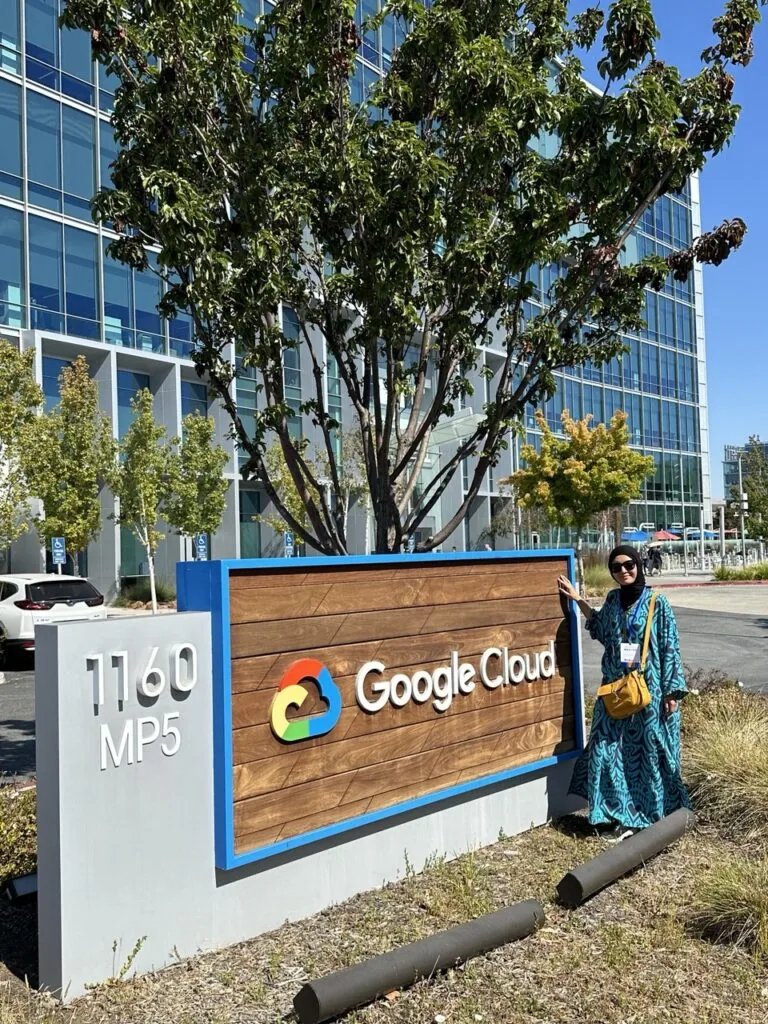
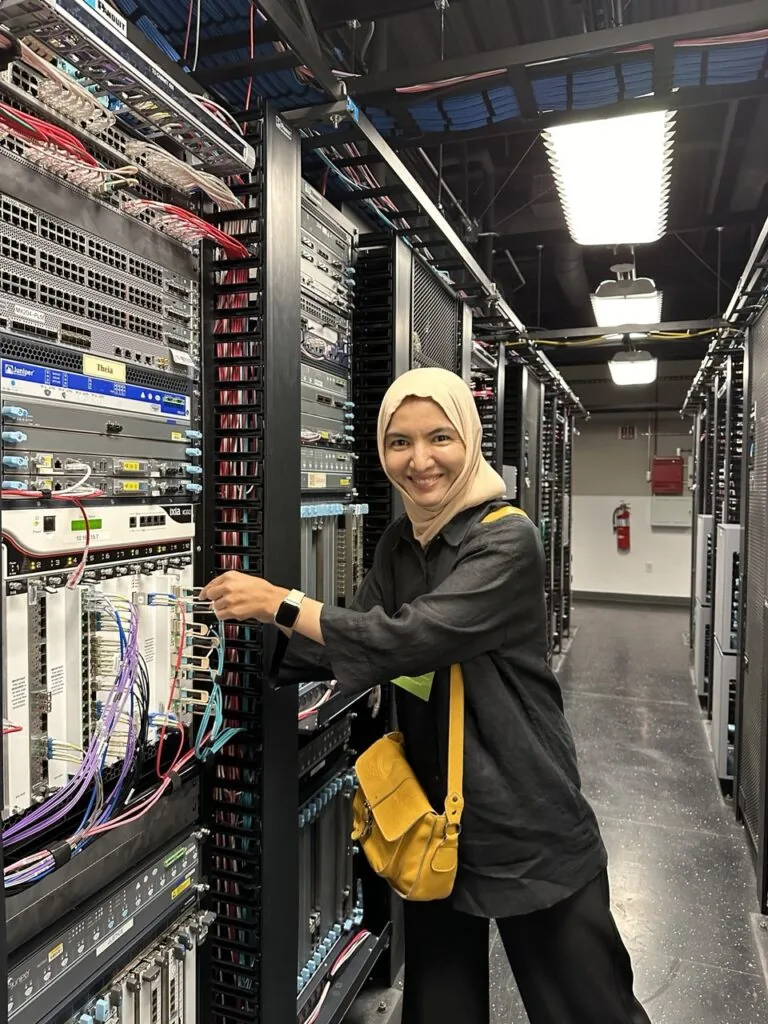
If girls are interested in IT, I would recommend exploring different areas such as frontend, backend, and data engineering, as well as paying attention to initiatives like TechWomen. Recently, during the TechWomen program in the US, I was told that AI is the next big thing, and its development over the next 30 years will be as significant as the development of the internet.
I advise girls to study AI and become experts in it, but if they realize during the process that it is not their path, that is normal. It is important to choose what resonates with you, but also to stay informed about events in IT, as technology supports the development of all industries. For those already in IT, it is useful to actively work on their LinkedIn profile, which will open up new career prospects.
The Tech on Telegram Follow The Tech on Telegram
Keep up with the latest technology and startup news.
Related reading







More from this author

News
zypl.ai begins operations in Japan and focuses on next-generation risk models
Mansur Ismagulov

News
Elon Musk's net worth has exceeded $700 billion for the first time
Mansur Ismagulov

Article Interviews
"Central Asian countries should build a joint ecosystem," — Bekhzod Ismoilov on the development of AI in the region
Mansur Ismagulov

Article Interviews
Bloom's Taxonomy and Engineering Levels: A Practical Growth Model
Mansur Ismagulov

Article Useful
How the IT industry in Azerbaijan developed in 2025: key events
Mansur Ismagulov

News
Tajikistan has become a new member of the regional innovation alliance Central Asian Innovation Hubs.
Mansur Ismagulov