WomenInTech. "Challenges Make Us Stronger," Successful Women from Kyrgyzstan and Uzbekistan on Obstacles in IT
Successful women from Kyrgyzstan and Uzbekistan shared their experiences of overcoming barriers in the IT world.
Author - Mansur Ismagulov
The Tech AI
Get the key points in seconds - a short summary from The Tech AI.
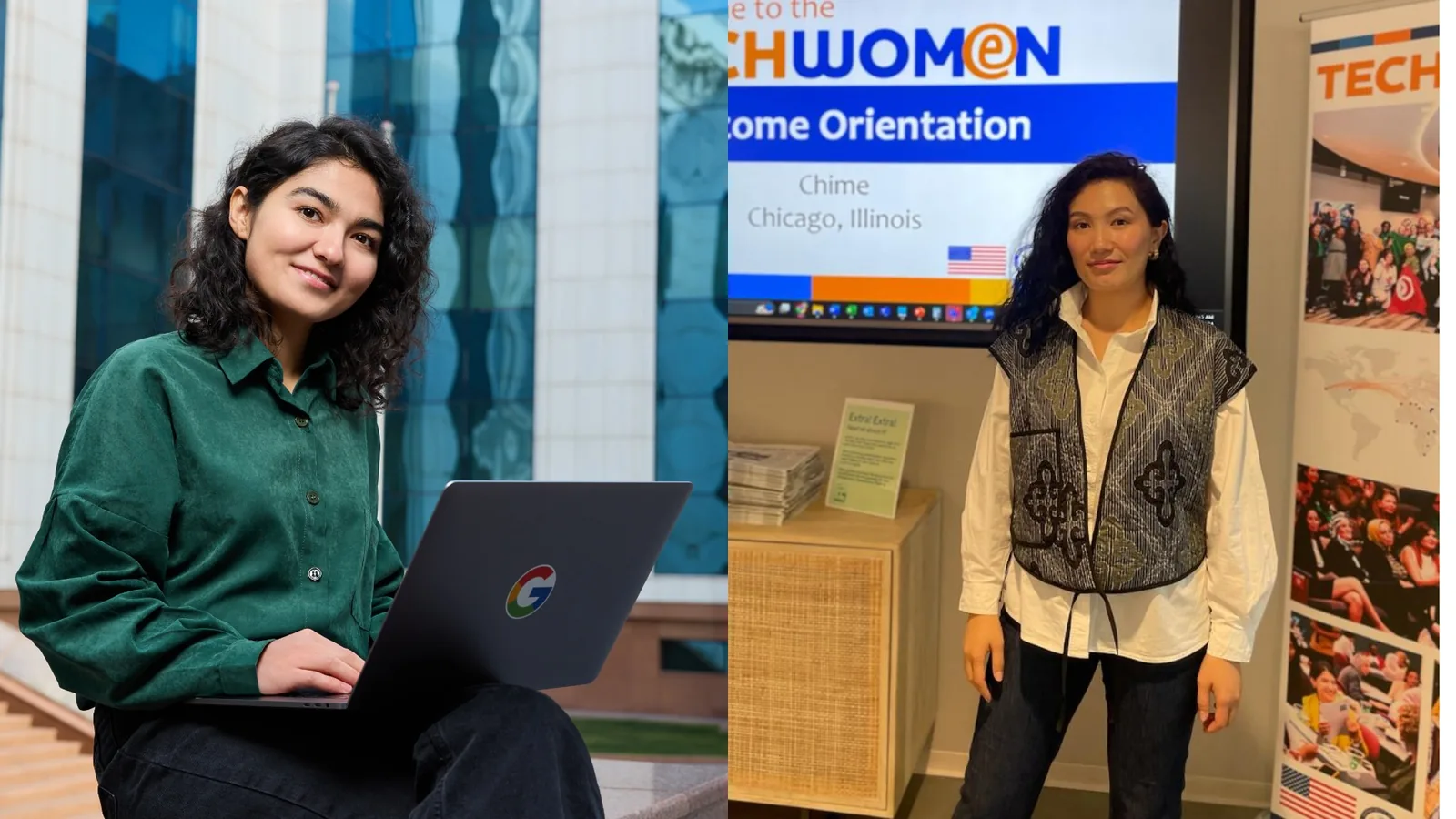
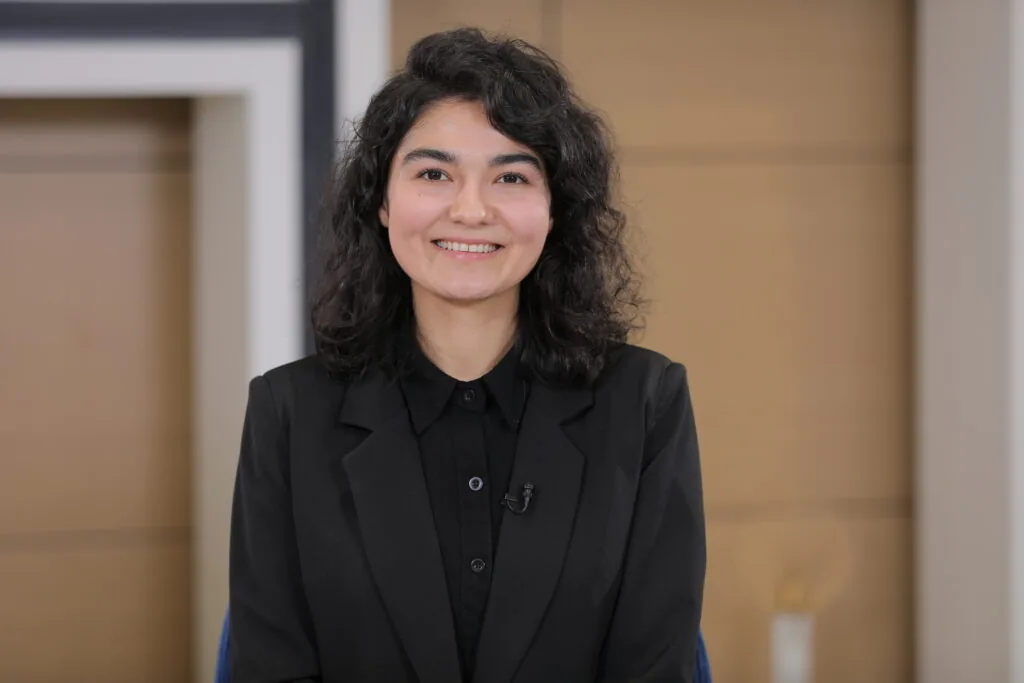
Durdona Bakhranova (Tashkent) — frontend engineer at Super Dispatch, leader of Women Techmakers Tashkent, and member of Google Developers Group Tashkent. Nurzat Tynymbek (Bishkek) — senior business analyst at EPAM Kyrgyzstan, participant in the TechWomen 2024 internship program at Salesforce.
Durdona Bakhronova, city — Tashkent, programmer and community builder, Instagram , Linkedin
About Me
I work as a frontend engineer at the American startup company Super Dispatch.
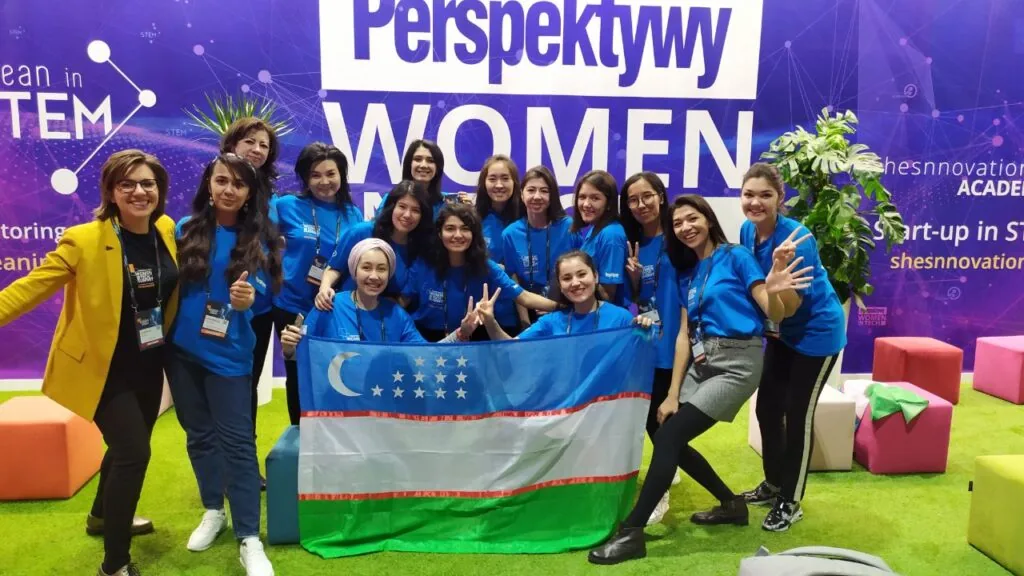
Aside from my job, I am also actively involved in IT communities in Uzbekistan. I am the leader of the Women Techmakers Tashkent community and an active member of the organizing team for Google Developers Group Tashkent.
We organize technology festivals, meetups, and workshops for a large audience. For example, at our last festival, we gathered more than 1,000 participants.
How I Entered the IT Profession
I studied at the Faculty of Business Information Systems at Westminster International University in Tashkent. This major offered me two possible career paths: in the business sector. Even as a student, I was unsure about what I wanted to do. Therefore, in my third year, I began an internship at one of the local companies as a business analyst.
However, my work mainly involved handling documents, which turned out to be boring for me. It was so uninteresting that I left the internship before completing it. From a professional standpoint, this was a mistake, but I learned an important lesson: I do not like working with documents. Therefore, the next natural step for me was to try programming. I started self-education and decided to study Big Data, which was quite popular at the time. However, due to the lack of real-world experience, I failed to find a job in this field.
At that moment, a friend offered me to work on his project, and that is how my career in mobile development began.
About Stereotypes
Since I have been working in this field for some time, it is difficult for me to recall exactly what happened at the beginning of my career. I am sure there were moments when someone belittled my efforts or expressed doubts, and at times I felt uncomfortable among many male colleagues. But at the same time, I received a lot of support from those around me.
I feel that stereotypes are more prevalent among people who do not work in IT than among those who are in the field.

Barriers for Women in IT
1. Lack of support from family.
Lack of interest and financial support in the professional growth of girls. Some people prefer to invest in boys, not allocating funds for education and courses for girls. This leads to impatience due to slow career growth, which can completely halt their progress.
Early marriages. Some families marry off their daughters before they have a chance to find their place in society. As a result, girls end up trapped in domestic life without work experience, useful connections, and future prospects.
2. Lack of female role models and mentors in their lives.
Having a role model is like a guiding star: it increases motivation and helps stay on course. However, there are fewer female programmers, which is considered a problem not only in Uzbekistan but worldwide. It can be difficult to find a female mentor or role model. Fortunately, more and more girls are entering the industry each year.
3. Culturally submissive and insecure nature of girls.
Our culture has strict rules about what girls should do, and submission is often encouraged. This can lead to them becoming unprofessional, unable to take responsibility or argue when necessary. If they had strict upbringing in their families, they may feel insecure at work and fear making mistakes. And programming is mostly about making mistakes and fixing them, so insecurity becomes a serious obstacle.
Personally, I did not have problems with my family. They supported me both financially and emotionally. My parents are my heroes.
I was also lucky to find good mentors at work and follow them as role models. I had to change jobs several times before I found them. So, if you face this problem, do not hesitate to leave. Do not sacrifice your time and energy on unsuitable environments or colleagues.
I still struggle with my own insecurity.

Recommendations for Those Just Starting Their Journey
— “More action creates more clarity. Reflection and planning only lead to more reflection and planning,” — Diarbek Sadullaev, Software Engineer at Pinterest. Therefore, take more action.
— try to find like-minded people, learn and develop together with them. It is faster, more effective, and much more pleasant.
— do not lose heart after the first failure. The main thing is to learn from mistakes and keep moving forward.
— do not blindly follow what others say. Find your own answers to your problems.
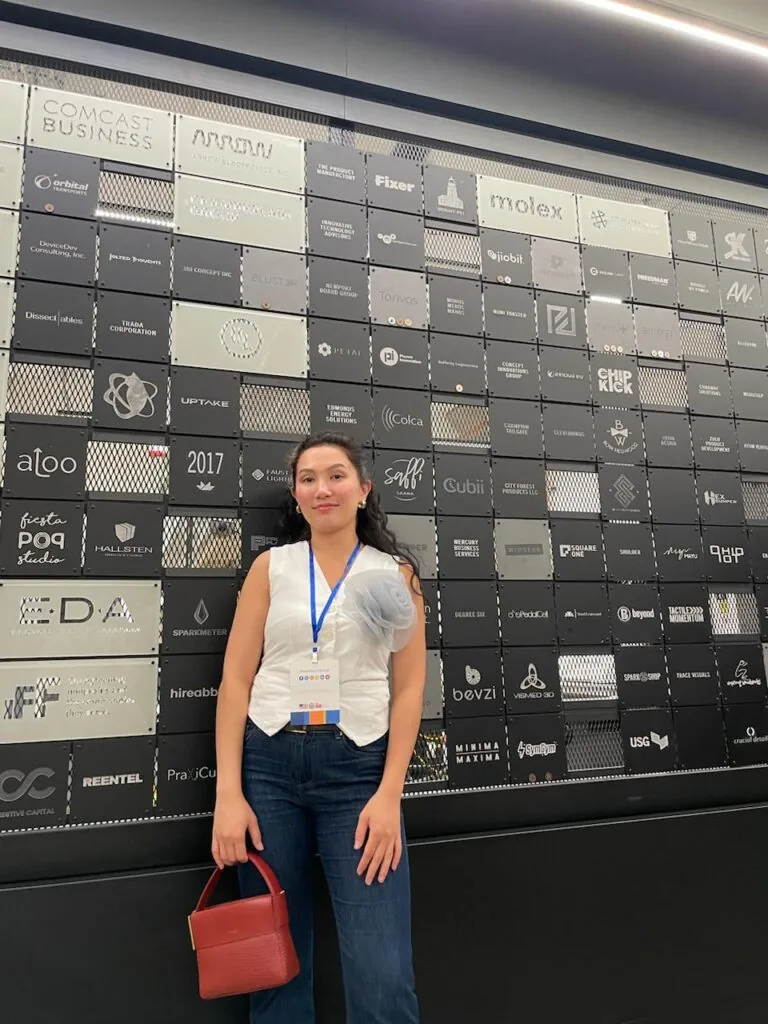
Nurzat Tynymbek, city — Bishkek, Business Analyst, Instagram
About Me
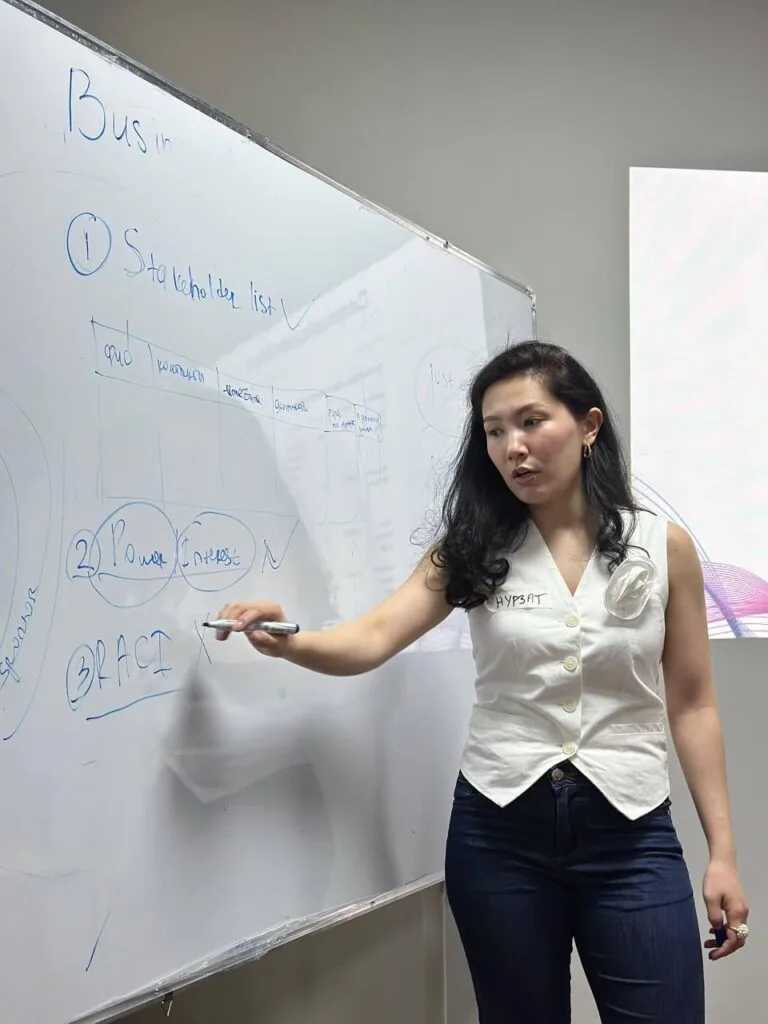
I am a Senior Business Analyst at EPAM Kyrgyzstan. I have been working in this field for over five years and am developing the community of business analysts in Kyrgyzstan. I help organizations improve their processes and products. I also identify and analyze their needs and maintain documentation.
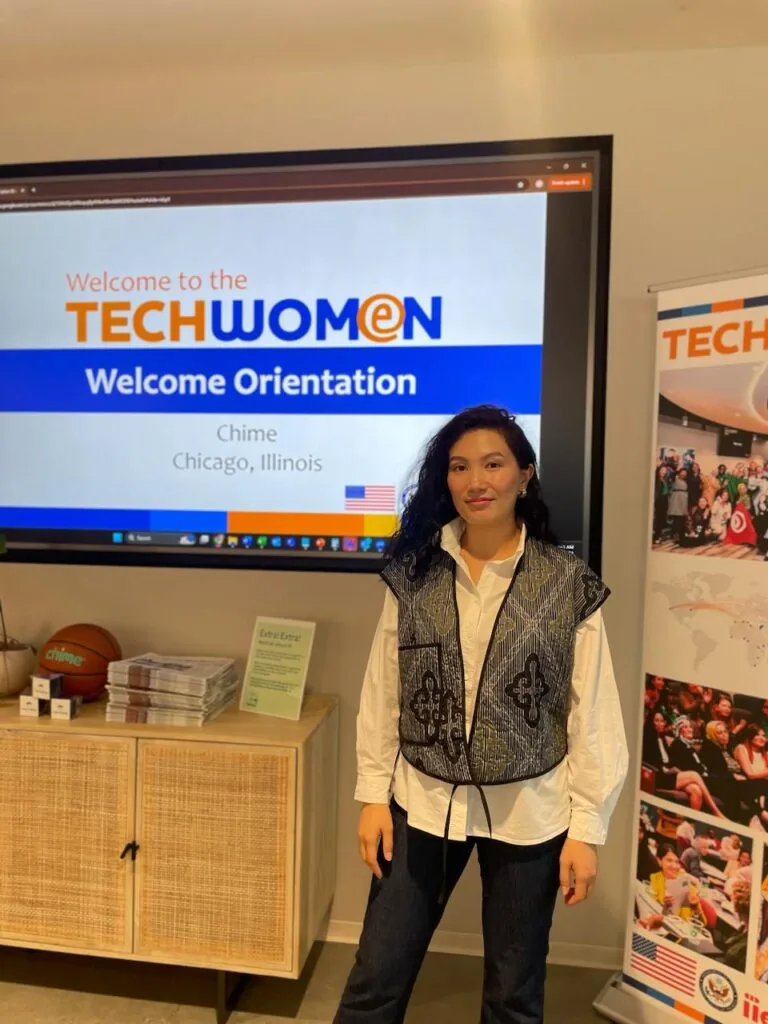
Aside from working at EPAM, I consult for local firms and participate in international programs that help women realize themselves in IT. This year, I was selected for TechWomen 2024. This is an internship program in the USA for women leaders in STEM. It opens once a year, and about 100 participants are chosen from 6,000 applications. This year, I was fortunate to become one of them. I will be interning at Salesforce. The program is fully funded: flight, accommodation, and expenses.
Path into IT
I did not plan to work in IT. I studied to be a financier and thought my future would be related to audit services. But I quickly realized that it was not for me. Nevertheless, I always liked working with systems and analyzing data, and when my friend suggested trying business analysis, I agreed, even without knowing what the profession entailed.
I was traveling to an interview at a telecom company and reading about business analysis on the internet. I was not hired as an analyst, but they offered me a job as a tester. This was my first step into IT. Three months later, I moved to the position I had originally applied for — business analyst.
About Stereotypes and Barriers for Women in IT
When I started my journey, there were more stereotypes. Many in Kyrgyzstan believe that IT is not for women, although today the situation is much better than five years ago when I first started working in this field. This applies not only to work but also to education: when I was studying, we were directly told that some majors were preferable for men. At university and at work, I often found myself being the only girl in the audience.
I like that in international companies like EPAM, there is equality and equal opportunities for professional growth. Here, the focus is on skills and contributions, not gender. Unfortunately, I sometimes encounter prejudices in our local market, but fortunately, they are becoming fewer.
I admit that starting work in IT was not easy. When I was hired by the telecom company, I had to quickly immerse myself in processes, master new programs, and even write code in C#. I had no such experience before, and I had to learn on the fly.
Another important aspect is adapting the experience gained in Kyrgyzstan to international standards. Working in an international company requires a different level of skills, and I had to learn a lot to meet these requirements. For this, I participate in various projects, learn a lot within the company through our educational programs, and interact with professionals around the world.
Recommendations for Those Just Starting Their Journey
First, stop fearing failure and doubts. Often, I hear from women that they will not succeed, that this is not their field. Many have “imposter syndrome” — the feeling that you do not deserve success. You need to overcome it.
Second, do not be afraid to ask questions and learn from more experienced specialists. In IT, the community plays a huge role. Active participation in professional groups, meetings, and conferences will help not only in gaining knowledge but also in building connections.
Third, set specific goals and steps to achieve them. Do not be afraid of new challenges — they are what make us stronger.
The Tech on Telegram Follow The Tech on Telegram
Keep up with the latest technology and startup news.
Related reading







More from this author

News
zypl.ai begins operations in Japan and focuses on next-generation risk models
Mansur Ismagulov

News
Elon Musk's net worth has exceeded $700 billion for the first time
Mansur Ismagulov

Article Interviews
"Central Asian countries should build a joint ecosystem," — Bekhzod Ismoilov on the development of AI in the region
Mansur Ismagulov

Article Interviews
Bloom's Taxonomy and Engineering Levels: A Practical Growth Model
Mansur Ismagulov

Article Useful
How the IT industry in Azerbaijan developed in 2025: key events
Mansur Ismagulov

News
Tajikistan has become a new member of the regional innovation alliance Central Asian Innovation Hubs
Mansur Ismagulov