WomenInTech. "More and more women are achieving career success" - success stories of girls from Tajikistan
In this article, we will share inspiring stories of girls from Tajikistan.
Author - Mansur Ismagulov

The Tech AI
Get the key points in seconds - a short summary from The Tech AI.
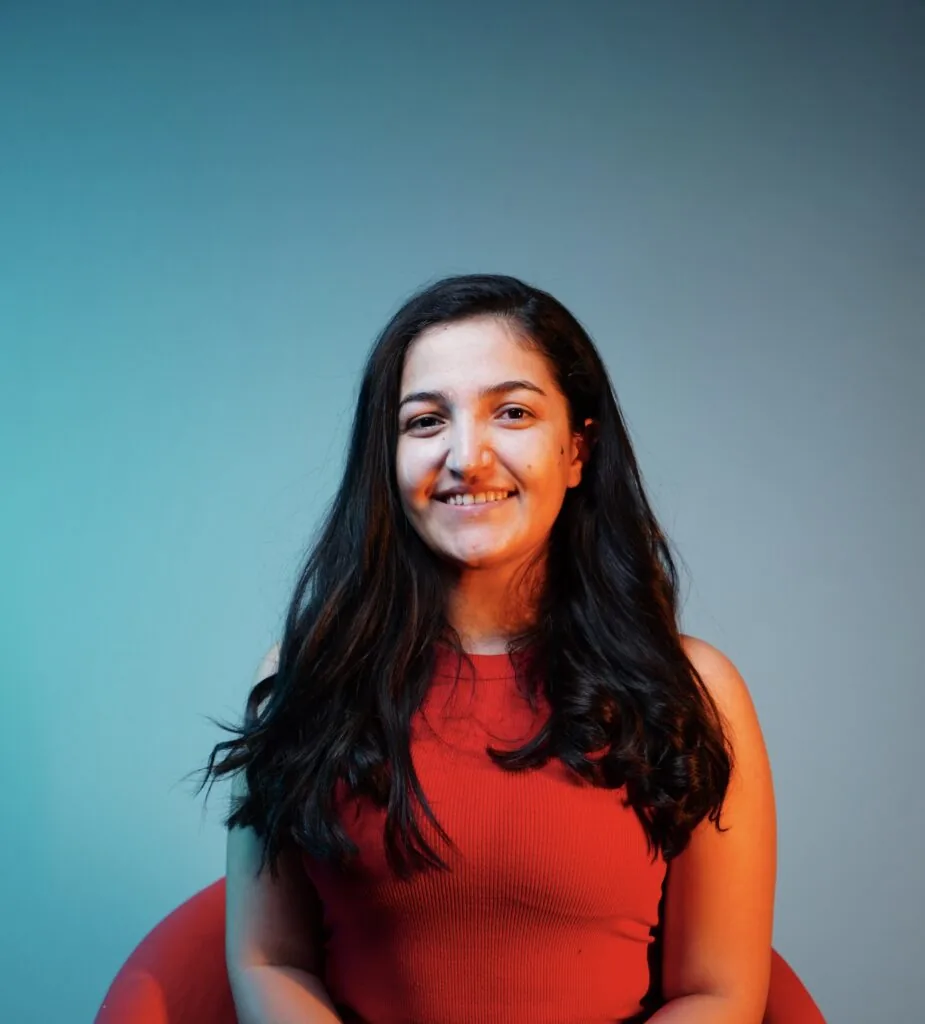
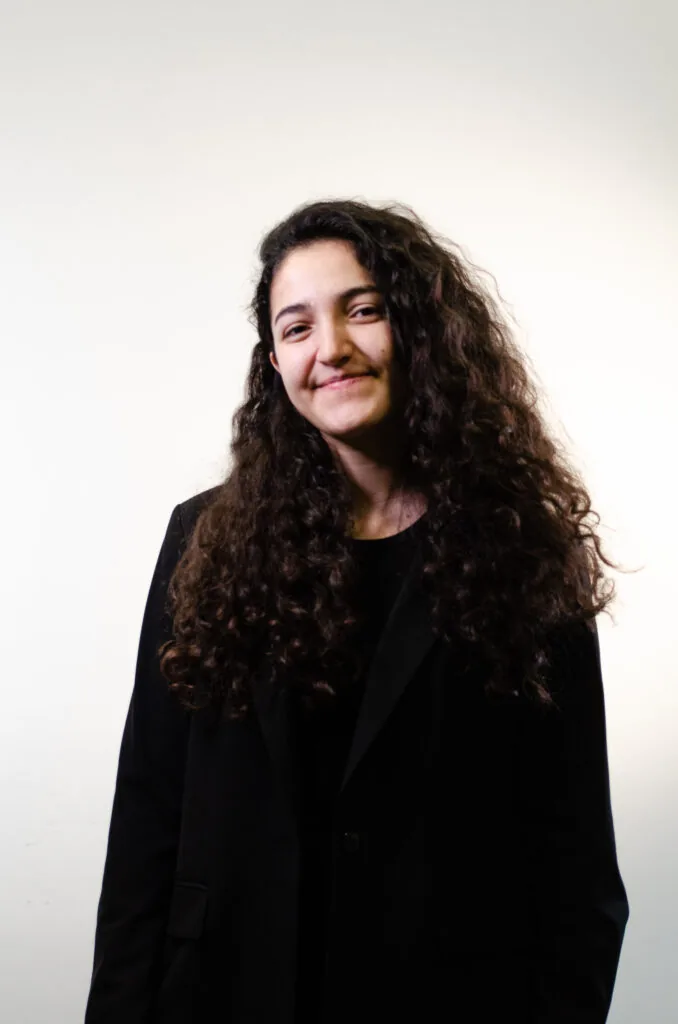
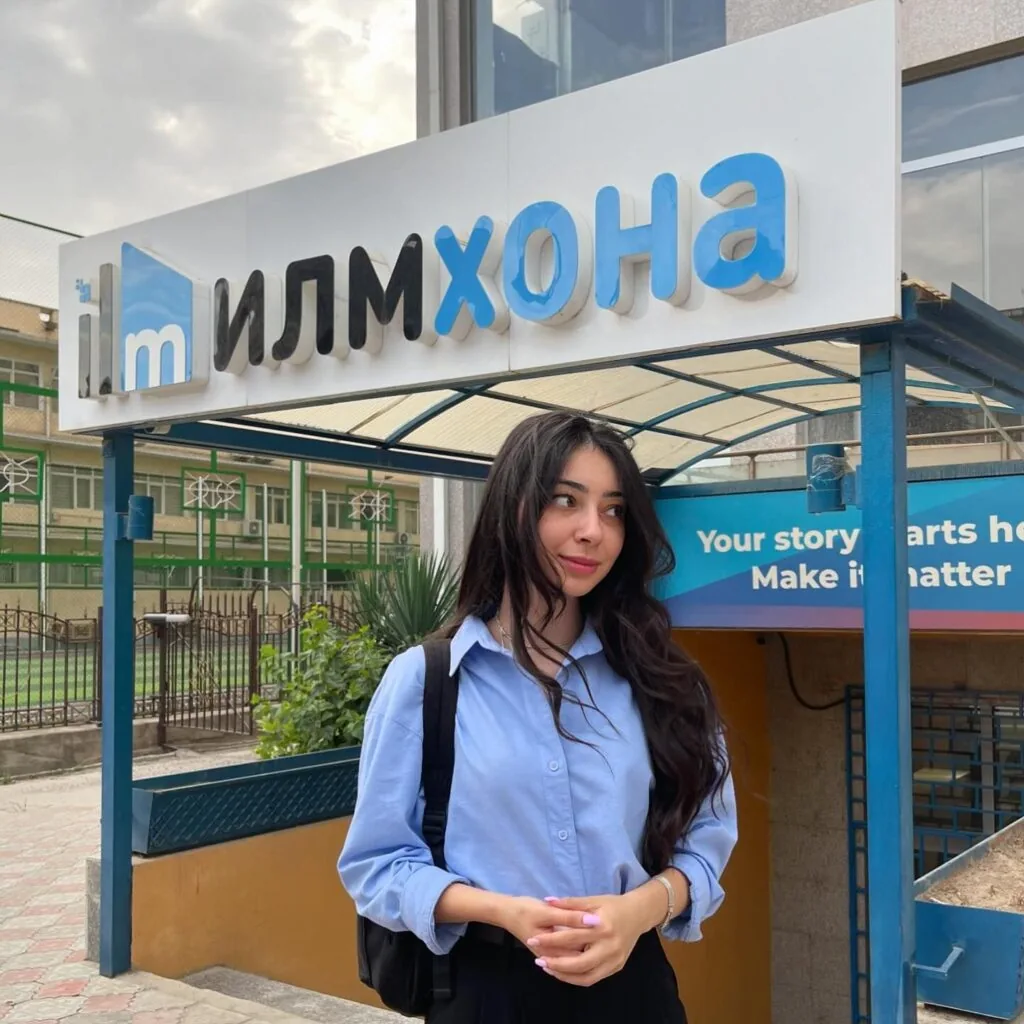
Nilufar Murodova, Director of American Space Dushanbe and local leader of NASA Space Apps in Tajikistan, co-founder of iCode Bootcamp. In 2023, her team took first place among 8,000 global teams. She became the Business Development Director at an IT company operating in Central Asian markets. Ozodamo Faromuz — CEO of the public organization ilmhona, managing a team of over 20 people and four offices. Starting her career as an IT recruiter, she led the organization, overcoming stereotypes and ageism in the tech industry.
Nilufar Murodova, city — Dushanbe, Director of American Space Dushanbe, local leader of NASA Space Apps in Tajikistan, co-founder of iCode Bootcamp, Instagram
About Me
I am the Director of American Space Dushanbe. In this role, I manage the activities of our center and the national programs of American Spaces in Tajikistan. We reach over 30,000 young people in 9 cities across the country and implement more than 1,000 programs annually. My primary goal is to develop technical and digital skills among young people to provide them with greater opportunities in education and the economy.
Working at American Spaces allowed me to realize two long-held ideas:
— Since 2020, I have brought the NASA Space Apps Challenge program to Tajikistan and have served as its local leader for five years. In 2023, our team placed first in the "Art and Technology" category for the first time in the program's history, among 8,000 teams worldwide.
— In 2022, I became a grantee of the Alumni Engagement Innovation Fund and co-founded iCode Bootcamp for women.
In 2022, I was listed among the top 30 young leaders under the age of 30 in Central Asia by the U.S. Department of State. In 2023, I was a speaker at the prestigious One Young World Summit.
My life mission is to provide as many people as possible, especially young people and women, with the opportunity to realize their personal, academic, and professional dreams. Education, mentorship, and resources can change lives and create lasting positive changes in Tajikistan.
I earned a Bachelor’s degree in International Relations from the Russian-Tajik Slavic University. Studying at RTSU was a turning point in my career. The faculty maintained a balance between theory and practice, allowing me to try my hand in various fields even in my second year. I participated in volunteer activities with UN Volunteers, OSCE, and local NGOs, won olympiads, and took part in startup challenges. American Space Dushanbe held a special place, where I volunteered actively. This experience, along with university knowledge, shaped my values and principles, which have remained unchanged.
After graduating from university, I began working as a Makerspace Coordinator at American Space Dushanbe. My work coincided with the pandemic, which accelerated the development of technological programs. Over two years, our programs significantly increased interest in STEM and IT in the country. During this period, together with Ilmhona, Alif Academy, and HumoLab, we created the IT-gap platform, which continues to operate successfully. It was also during this time that the NASA Space Apps Challenge was launched—the largest hackathon in the country and the region.
After working for two years, I became the Director of American Space Dushanbe. In this new role, I focused on developing long-term strategies, which allowed us to become a hub for talented youth. We achieved record attendance numbers and launched key programs such as iCode, NDL, Digital Media Lab, and Tech Accelerator. We automated processes and developed an internal system that optimized the operation of spaces in Tajikistan and the region. For the first time, we launched our own website.
Now, I am transitioning into the IT sector, starting a new role as Director of Business Development at a company operating in Central Asian markets.
How I Entered the IT Profession
My interest in IT began during an exchange program in the United States. In California, I met a developer, and our discussions about social media and politics sparked my interest.
While working as a Makerspace Coordinator at American Space Dushanbe, I had to learn the basics of IT and education. Gradually, I became part of the IT community. During the pandemic, I deepened my knowledge of 3D modeling and printing: we made protective helmets for doctors and figurines for film awards. My passion for STEM led to the creation of an online course for Tech Accelerator. Over two years, I became a true techie, working extensively with 3D printers and microcontrollers.
Now, as I transition into an IT company, I am starting a new stage of my career, where I will work on developing products for various sectors, including but not limited to education.
About Stereotypes
I was the only granddaughter among more than 10 grandchildren. Boys were sent to a gymnasium, while I was sent to a regular school. I did not resent this, realizing that resources would not be invested in my education, so I focused on my studies. No one helped me with homework, but everything changed when I started bringing home certificates. This became a signal to my parents that I was serious. I did not notice gender inequality at school, perhaps because in Rudaki, it was not recognized until high school.
Throughout my career, I have often faced ageism. I am sometimes not taken seriously due to my young age.
I do not feel uncomfortable about being a woman—in fact, I am proud of it. However, there are many stereotypes around me, and I often hear stories not only from women but also from men and members of minorities who face bias. In recent years, I have observed positive changes—more women are achieving success in their careers. We see women becoming ministers, scientists, deputies, and developers, which gives me optimism.
Barriers for Women in IT
I see two difficulties: lack of support and stereotypes.
Women continue to perform the roles of wives and mothers full-time, which limits their career opportunities. In their careers, they are required to balance work, child-rearing, and family care, but not everyone has a supportive partner. In fields like IT, especially in the early years, focus and skill development are crucial. For a successful career, women need support from their loved ones to help them grow and achieve their goals.
At the same time, I believe that not all women are obligated to build a career. Some may be happy focusing on family and household, and that is also a worthy choice.
Support is particularly important in IT, as this field is considered male-dominated. Women often have to prove their worth by performing three times better due to existing stereotypes. When we hear terms like "founder," "developer," or "analyst," we rarely think of women.
I do not dwell on difficulties. I focus on finding solutions.
I am proud to be a woman and see stereotypes as a challenge to become better. I am concerned that they have broken many women I know—those who gave up. Therefore, I highlight stereotypes as a problem, although for myself, I perceive them as an abstraction, however paradoxical that may sound.
Recommendations for Those Just Starting Their Path
Hard work and curiosity will surpass any talent and create conditions for your success. In a company of 10 or 100 people, strive to be the most hardworking and curious.
In the race for success, it is important to find a balance between family and career, material and spiritual well-being.
Bring value and share this idea with others. If everyone follows this principle, we can build a progressive world.
Go for it! Exactly as you know how.
Ozodamo Faromuz, city — Dushanbe, Chief Executive Officer, Linkedin

About Me
I am the Director of the public organization Ilmhona. I manage a team of more than 20 people and four offices in Tajikistan.
My career path began during the pandemic. It was difficult to adapt because the skills and knowledge I acquired at university were not entirely suitable for remote work. Therefore, in the first period, I worked part-time as an English teacher and online translator while pursuing a master’s program at KIMEP. Then, I worked as an HR specialist at the real estate company "Etazhi" in Kazakhstan, where I handled mass recruitment of realtors in the recruiting department.
Next, I moved to work in Tajikistan, working as an HR and administrator at an international school. This was an interesting experience for me.
Then I transitioned to private consultations and worked with some companies from Kazakhstan and the USA. At the same time, I worked on my own projects, actively conducting sessions on Soft Skills, interviews, and everything related to HR. In 2022, I joined Ilmhona as an IT Recruiter and progressed over two years. After that, I was offered the position of Director.
How I Entered the IT Profession
I entered IT by chance because when I started looking for a job, all the options were in this sector. These were vacancies on vazifa.tj, a project by Umed Rahimov, which I love and appreciate. I started working with the guys and performed various tasks. Later, I had to choose between zypl.ai and Ilmhona. Fate decided that I ended up at Ilmhona.
About Stereotypes
Stereotypes about professional women are common, especially in the IT sector. I remember one interesting and not entirely pleasant moment when we had an open vacancy for a PHP developer, and I was looking for a candidate in an IT startup group. There, I was simply harassed by local programmers and IT specialists because I was an HR who supposedly knew nothing about tech stacks, didn’t understand technologies, and so on. It was an unsuccessful experience that made me realize that there is indeed bias against women specifically in the IT sector.
Barriers for Women in IT
Overcoming obstacles is related to the goals you have. My goal is to develop youth, regardless of whether they are men or women, privileged or from lower social strata. Therefore, I did not pay much attention to the difficulties I faced on my path. The difficulties are bias, ageism, and sexism. They are strong in the IT sector. However, more and more initiatives, associations, and projects are emerging that strive to bring gender balance to a higher level and help women realize themselves in this field.
Women face difficulties because technical professions are considered un-feminine. Because of this, it is harder for them to gain trust and take on projects, especially in freelancing. There are common stereotypes: either you are too young and will get married, or you are married and will go on maternity leave, or you are already older and emotional, which can also lead to not being hired.
Therefore, it is important to understand what you are fighting against and to find like-minded people, which, fortunately, is becoming more and more common.
Recommendations for Those Just Starting Their Path
It is important to understand that you are not going for a position, but for the skills you will acquire there. Even if you think you do not want to be an assistant, read the job description for a technical services recruiter position and realize that these are the tasks you want to improve, then you should go for it. Also, you need to understand that a career path should be planned ahead.
This means the question: "Where do you see yourself in five years?" is indeed relevant. Perhaps, even if not in one company, but across several, you want to grow from an assistant to a middle manager or reach a leadership position. This does not always happen in one company or sector. You can transition, for example, from marketing to HR or from HR to sales.
Therefore, build your career path based on the skills you want to acquire in a particular position. And think two to three steps ahead—either horizontally or vertically.
The Tech on Telegram Follow The Tech on Telegram
Keep up with the latest technology and startup news.
Related reading







More from this author

News
zypl.ai begins operations in Japan and focuses on next-generation risk models
Mansur Ismagulov

News
Elon Musk's net worth has exceeded $700 billion for the first time
Mansur Ismagulov

Article Interviews
"Central Asian countries should build a joint ecosystem," — Bekhzod Ismoilov on the development of AI in the region
Mansur Ismagulov

Article Interviews
Bloom's Taxonomy and Engineering Levels: A Practical Growth Model
Mansur Ismagulov

Article Useful
How the IT industry in Azerbaijan developed in 2025: key events
Mansur Ismagulov

News
Tajikistan has become a new member of the regional innovation alliance Central Asian Innovation Hubs.
Mansur Ismagulov