WomenInTech. How successful young women from Kazakhstan launch startups and build careers in IT
In this interview, successful women share their stories — about how they started their careers, the challenges they faced, how they balance work and family, and why they believe that technology is a space for everyone, regardless of gender and stereotypes.
Author - Mansur Ismagulov
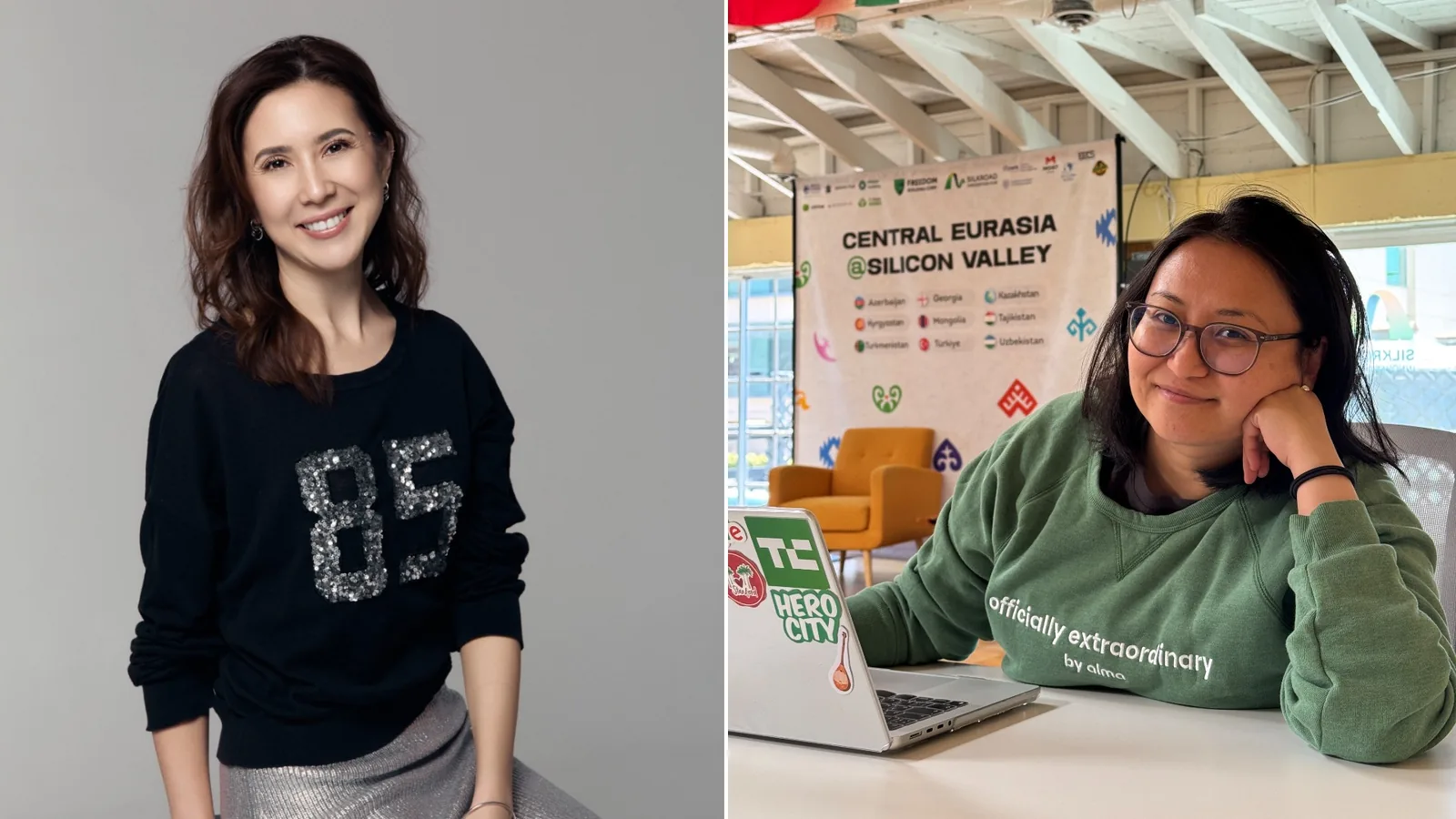
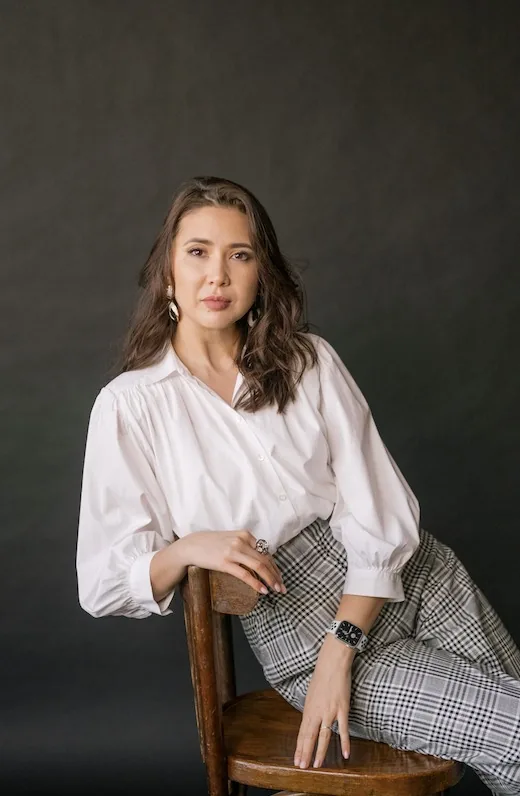
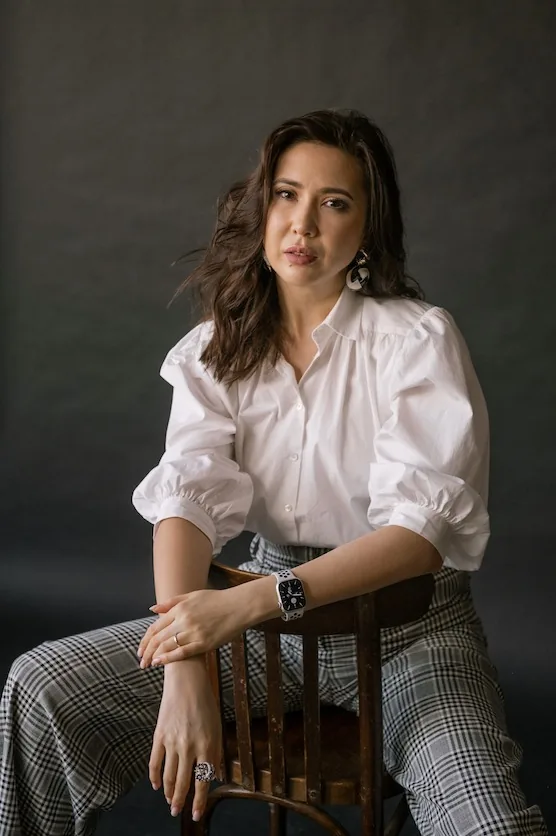
Elmira Obry, City — Almaty, Founder of Foody AI, Instagram, LinkedIn
About Me
I am a startup founder. My entrepreneurial experience is not new to me, but in the startup industry, I was often on the other side. I led MOST, the largest private accelerator in Central Asia, and previously, in a subsidiary company of the Astana International Financial Centre (AIFC), I developed startups in the fields of EdTech, HRTech, FinTech, and LegalTech. It was there that my journey in IT began. My total work experience exceeds 20 years, with more than 15 years in management as a professional manager. I hold international certifications in change management, tracking, and strategic management, and have specialized education in finance and management.
I supervised consulting projects and worked with national champions—companies expanding into exports—under the NATR program as an independent expert. This gave me experience interacting with large manufacturing enterprises, even if not directly from the IT sector, but related to business transformation and development.

How I Entered the IT Field
My transition to IT began approximately two years before the pandemic, which became a "black swan" event and significantly fueled interest in technology.
The starting point was the BCPD project, where we first actively raised the issue of EdTech and the digitalization of education, bringing it to the highest level. As part of this work, a dialogue platform was created involving all key stakeholders of the EdTech Forum, and shortly thereafter, one of the first fully cloud-based programming schools in the country and region without grades or teachers, Qwant, was established. Later, after passing a rigorous competition, I became an Emerging Leader in the TechWomen program of the U.S. Department of State in 2022, aimed at supporting women in technology and STEM. This program unites more than 22 countries, including the recently joined Balkans. I also served on the Board of Directors of JSC "Kazakhstan GIS Center" and Kazinnovation.
I have been working in the field of entrepreneurship and startup development for nearly 10 years. For the past two years, I led the MOST accelerator—one of the largest private accelerators in Central Asia. Our mission and task were to help startups find product-market fit, attract investment, and enter new markets.
Currently, I am fully focused on my own project Foody.ai—a digital assistant for healthy eating. My startup combines two technology stacks, Computer Vision and AI, at the intersection of FoodTech and Health Tech. We are developing a solution in the field of digital nutrition, combining the best holistic approaches to preserve active longevity, maintain a healthy lifestyle, and prevent diseases related to eating disorders. Our mission is to help 1 billion people worldwide by democratizing nutrition, making it accessible, practical, and understandable for everyone.
On Stereotypes
In my professional activities, I have often encountered gender stereotypes. Overall, the IT sector, in my opinion, is one of the most loyal to women. Nevertheless, holding C-level positions, I often found myself to be the only woman among participants in strategic negotiations and key decision-making processes. The situation in Kazakhstan is gradually improving: year by year, gender equality indicators show positive dynamics, as confirmed by statistics. However, there are still not enough women in leadership positions, despite the introduction of 30% quotas for women's participation in boards of directors and at the decision-making level. This initiative creates the necessary leverage, allowing women to contribute to the strategic development of companies. Women in management tend to think more broadly, focus on long-term positive effects, and weigh the possible consequences of decisions. This value has not yet received sufficient recognition.
Childcare systems, fair maternity leave payments, increased maternal capital, support for a safe environment and legal protection for women, and expanding the role and participation of women in the economy are issues that we still need to seriously address, including at the legislative level, by creating social and financial prerequisites. Due to career interruptions, women have significantly smaller pension savings: about 30% less compared to men.
Barriers for Women in IT
I am a certified trainer for Google’s I’m Remarkable program. This initiative is aimed at supporting vulnerable groups, particularly women, and is implemented on a volunteer basis. I regularly conduct such trainings both within private and national companies, as well as within regional communities, including Central Asia TechnoWomen and other public associations working to protect interests and promote women not only in technology but also in the professional environment. Practice shows that women most often face similar problems.
The first barrier is a lack of support. It is absent at the level of family, corporate policies and procedures, as well as at the level of mentoring and guidance from society. It is important that support for women is enshrined in company strategies, including within ESG initiatives, which are actively being implemented in our country until 2030. Mentoring practice is of particular importance: the presence of female mentors in key management positions significantly contributes to the development and advancement of other women. In the absence of such practice, many face serious barriers to career growth, including the so-called "glass ceiling."
The second barrier is the "glass wall." Career movement is often perceived exclusively as vertical growth. However, in practice, careers can also develop horizontally: expanding professional competencies, transitioning to adjacent fields, reaching a new level of influence and leadership. Nevertheless, gender stereotypes continue to assign certain professions to women—pedagogy, medicine, social and service sectors. When women choose careers in science, technology, engineering, or innovation, they face prejudice. Only by proving their professionalism do they manage to overcome this barrier, but it often takes much more time, resources, and achievements than for men, including education level, experience, and accomplishments.
The third barrier is the "high-ma" effect. This phenomenon is rarely discussed openly, but it is widespread. It refers to situations where a woman's professional achievements are devalued or ignored, and she faces emotional pressure, bullying, gaslighting, or even harassment and misogyny from colleagues, including women. Such cases are extremely difficult to prove; they are not recorded within corporate ethics procedures and lack formal evidentiary basis, making them even more complex and painful for the targets of harassment.
Despite existing barriers, positive dynamics are observed in Kazakhstan. Comfortable conditions are being created for female leaders, support infrastructure is developing, and new social elevators are appearing. More and more girls are choosing technical and IT specialties, successfully proving themselves in professions traditionally considered "not for women." Professional communities are actively forming in the country—TechnoWomen, Women in Tech, SHE Community, and others—that unite women and help them solve professional and personal tasks.
Nevertheless, the representation of women among founders of technology startups remains low—less than 1-3%. The main reason lies in the biased attitude of investors, who often consider men to be more reliable and competent partners in financial and business matters. Female founders note that they have to additionally prove their readiness to combine professional realization and personal life.
In my opinion, special attention should be paid to supporting women of reproductive age. This period is simultaneously the most active professionally and associated with a crucial social function. Many women are forced to balance between career and family, and here systemic support measures, mentoring programs, and state initiatives are especially important.
In this context, the Tumaris program for female entrepreneurs in Central Asia in the field of technological entrepreneurship, implemented jointly with colleagues from IT Park Uzbekistan, serves as an example. Even after the program ended, participants demonstrated stable results, entered new markets, and successfully monetized their projects. Avrora tech award InDrive, Underdog, She’s Next from Visa/Halyk bank, and other initiatives help women with their social realization and professional development. The more such cases and acceleration programs are created, the more sustainable the ecosystem of female entrepreneurship in technology will become in the region with established traditions and values.
Recommendation for Those Just Starting Their Journey
When I participated in the Tech Women program of the U.S. Department of State, we formulated a thesis with which we returned home to develop initiatives supporting women. Since then, my beliefs have not changed; I believe that in addition to the legal framework and economic effects, the following are extremely important for women:
First — role models. I recommend girls to look for mentors and be guided by those who truly inspire them and are close to them in spirit, values, professional achievements, or personal qualities. Today, there are no geographical restrictions: social networks and the internet allow communication with mentors around the world. My mentors have been vice presidents of technology companies, CTOs, product directors, strategists, investors, professors, and entrepreneurs from Silicon Valley. Since then, the pool of mentors has significantly expanded and now includes more than 50 mentors from more than 10 countries. Over time, our relationships have grown into strong friendships. This provides colossal support and opens up many new opportunities and global prospects.
Second — financial independence. It is extremely important for a woman to have her own stable source of income. This is the foundation of confidence and independence. Modern technologies allow earning remotely, working for international companies without leaving Kazakhstan. This is especially relevant for the IT sector, where global career opportunities become accessible literally from home.
Third — freedom of choice. It is important that the state provides women with more opportunities through laws and regulations. In the last three years, many steps have been taken in Central Asian countries: laws on protecting women in the workplace, on quotas, and laws related to protection from violence have been adopted. This is significant progress, as working laws, a fair judicial system, and legal literacy of citizens create a reliable legal basis for protecting women's rights.
Fourth — professional development and professional communities. Constant self-improvement, participation in professional associations and interest clubs give women not only knowledge but also a sense of belonging. Community support strengthens confidence and opens up new career opportunities.
Fifth — mutual support. Believe in yourself and support women in their strength. If someone nearby demonstrates good results, it is worth giving positive feedback, helping, and thanking, noting, and supporting. This is a basic principle taught, among others, by the I’m Remarkable by Google program. Support can be expressed even in simple words but have enormous significance. It is important not to compete but, on the contrary, to facilitate each other's success—everyone wins from synergy.
Currently, my focus has shifted to the field of women's health and the development of the Health Tech industry. I left the corporate sector at the peak of my career to develop my startup and dedicate myself to creating a community for female entrepreneurs and founders of projects in the field of public and women's health. In this field in Kazakhstan, there are currently few initiatives, although the need is huge: issues of active longevity, preventive and alternative medicine, reproductive and mental health remain without due attention. I believe that technology and healthcare together can provide society with effective solutions.
In Kazakhstan, there are no more than five projects focused specifically on women's health. They need to be found, supported, highlighted, and developed. Within the global community, I plan to lead one of the committees on women's health and hope that new teams will join this work. Such projects are extremely important and should receive more public and professional recognition.
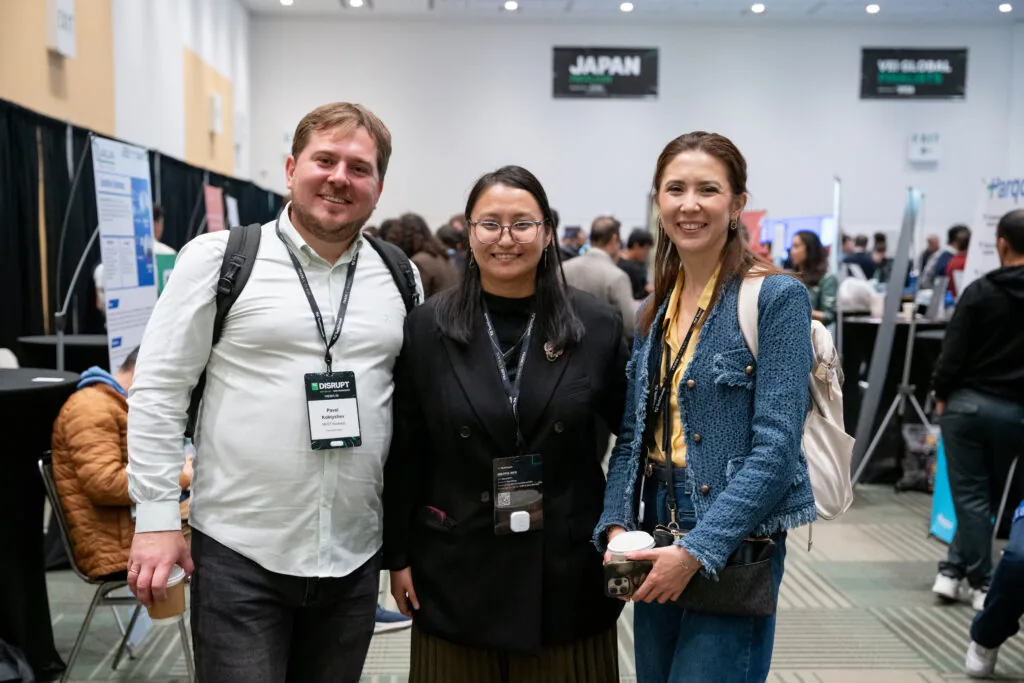
Aykumis Seksenbaeva, City — Palo Alto, Representative of Astana Hub in North America
About Me
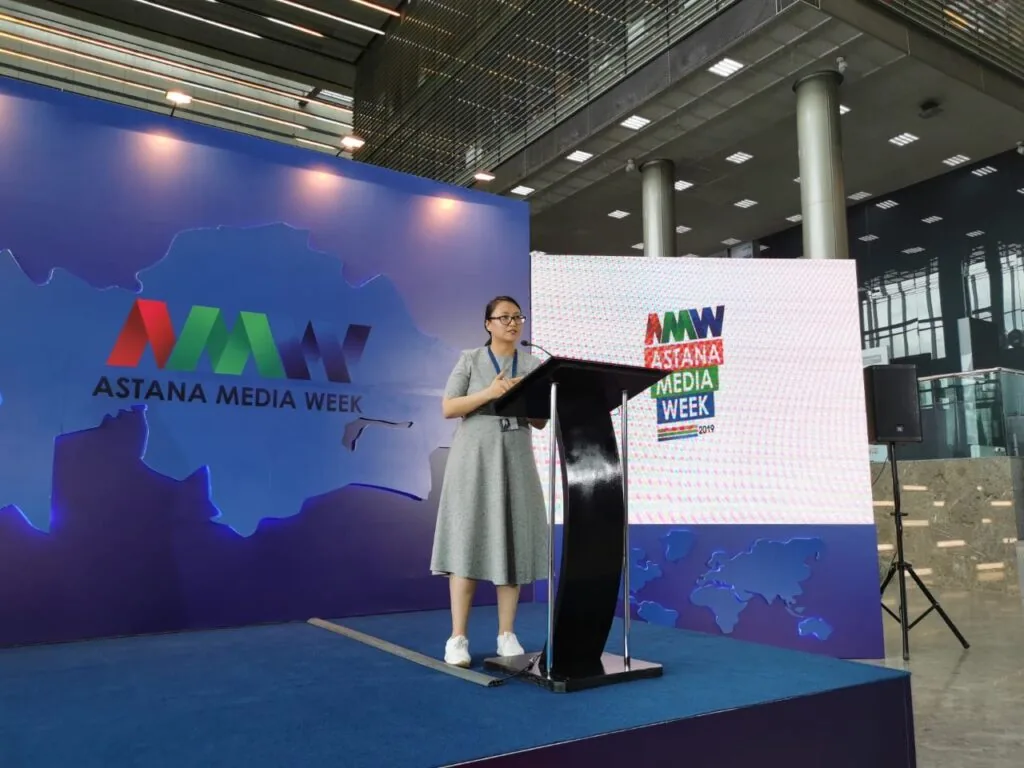
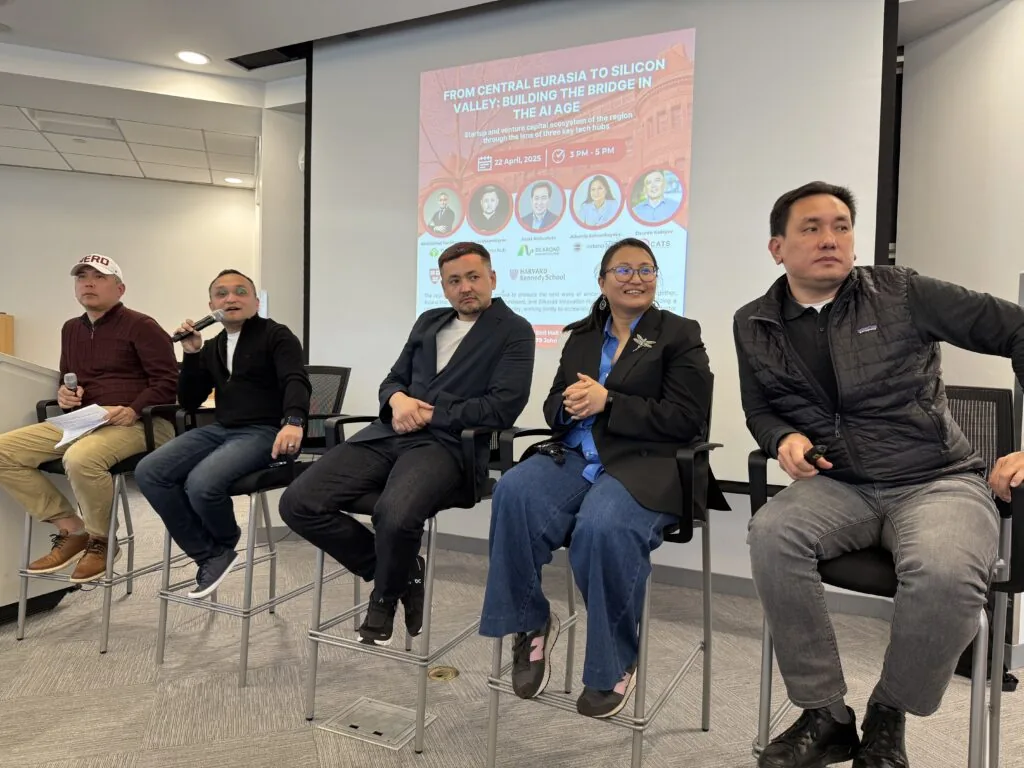
I represent Astana Hub in North America and work in the Silkroad Innovation Hub team. There are many joint projects aimed at promoting the Kazakh startup ecosystem and technologies in Silicon Valley. I have been working on these initiatives directly in Palo Alto for over a year now.
How I Entered the IT Field
I entered the IT and startup field through a non-traditional path. Before that, I worked in the media sector for about eight years. After graduating from the "Bolashak" master's program in London in media and communications, I began my career at the "Khabar Agency." I worked in the structure of Kazakh TV and "Khabar" channels as a programming director and producer. Then I continued my career at the NTK channel in Almaty as a general producer.
My tasks included content creation, programming planning, and managing media processes. This experience gave me an understanding of how to be a media manager and effectively manage teams and projects. Despite the creative component, television requires systematization and structure, which is what I dealt with. I fondly remember projects—from "Junior Eurovision" and Central Asia's Got Talent to the filming of series and documentaries. It was interesting work at the intersection of creativity and management.
At some point, I realized that for further professional growth, I needed to obtain management education. I enrolled in an MBA program at San Francisco Bay University, located in Silicon Valley. This step became a turning point: it was my studies that connected me with the world of technology and startups. Here, almost every university—whether Stanford, Berkeley, or my university—is in one way or another integrated into the technological environment. For example, our blockchain course was taught by Ahmed Banafa—one of the most authoritative experts in the field of technology, whom LinkedIn recognized as the #1 Tech Voice to Follow. His comments and analytics regularly appear on the air of leading TV channels.
Thus, while studying for my MBA, I became increasingly involved in the IT and startup sphere: I studied new technologies, attended events, and met with people working in Silicon Valley, founders, and their products.
It was during this period that Silkroad Innovation Hub began its work, launching the first educational projects and acceleration programs for startups. It was also then that I met representatives of Astana Hub and Silkroad Innovation Hub—Aset Abdualiev and Asror Arabjanov—which became the beginning of fruitful cooperation.
From that moment on, I realized that this field interested me. The startup community is captivating: surrounded by motivated people striving to change the world and improve life through technology. The opportunity to be part of this environment, help startups learn and develop, and form the understanding that Central Asia has potential in the field of technology and innovation became an important professional mission for me.
On Stereotypes
If we talk about stereotypes, for a long time in our region, people did not have a sufficient understanding of what is happening in the IT industry. Previously, few people understood what a startup ecosystem consists of.
The situation is changing rapidly, and with each year, the level of engagement and understanding is growing. So, recently we held a large-scale startup competition, Road to Battlefield, as part of TechCrunch Startup Battlefield. Among the participants were even schoolchildren—14-year-old boys with a team of classmates. It is incredibly interesting to watch.
If we talk about stereotypes in Silicon Valley, the industry itself is very open. There are many communities here, from university alumni associations to professional groups and country-based groups. But they are united by one thing: people are open to communication, and to a large extent, are ready to listen and help with advice. It is this atmosphere that I particularly appreciate.
This is not about who is better, nor about rivalry. Competition is certainly present—for investments, talents, and commercial growth. But at the core of this community are people who strive to change the world for the better.
I had an exclusively positive experience related to this openness and mutual support.
In particular, over the last few years, more and more startups from our region have come to the Valley to develop their companies or gain experience. And in such an environment, the advice of a person with similar life experience, who has gone through similar challenges, is especially valuable. This is how a community is formed: here they will tell you who to contact, which events to attend, and how to best build a strategy.
Barriers for Women in IT
I would like more attention to be paid to supporting female founders, of whom there are currently significantly fewer than men.
This is not about gender discrimination—no. But the IT sector historically remains predominantly "male." Only in recent years has there been active discussion about female engineers, developers, founders, or female investors supporting new projects. This is a positive and important trend.
It is especially important to develop programs aimed at supporting female entrepreneurship in IT outside of large megacities. There are already inspiring examples: investors are uniting to work with female founders, and female entrepreneurs themselves are joining forces.
In Kazakhstan, there are already many bright examples of female entrepreneurs who create competitive products and solutions. Among them are Laura Yeraliyeva, Yaya, Aigerim Nurgaliyeva, Flowsell.me, Laura Vaygorova, Smartestprep, and Tatyana Plotnikova, gro.now. Their stories are inspiring, but it is especially important that there become more such examples.
I do not see serious discrimination; rather, it is a matter of time. For young girls who have ideas, it is important to have access to mentors and initial support—whether it be small investments or the opportunity to undergo training. It is important that this support be systematic, not one-time, just as it is implemented through Astana Hub and other IT programs that help businesses go international.
Recommendation for Those Just Starting Their Journey
I am just beginning to integrate into the system and am observing how specialists coming to Silicon Valley work. The first and most important thing is not to be afraid and to expand horizons. America seems far from our region, so many prefer to first test their ideas at home, and only then think about entering large markets. In my opinion, it is better to set big goals right away. There are currently many programs and opportunities, starting with educational ones, so there is no need to waste time—you must try!
The second important aspect is networking. You need to participate in professional events, actively communicate, ask questions, and ask for advice. Despite the fact that the IT industry in Kazakhstan is not so large, it is quite open: if you show activity and position yourself correctly, you can receive support and recommendations.
I also want to note the importance of knowing English and continuous learning. Most information, technologies, and resources are presented in English. And when going international, whether it be pitching, client negotiations, or communicating with investors, it is important to know the language. Therefore, I recommend investing time in developing language skills.
As for girls, I want to wish them to believe in themselves first and foremost. Many often experience insecurity, but it is important not to be afraid to move forward. If you are a professional and ready to work hard, you will definitely achieve results. It is also important to find like-minded people and a team. Team support plays a key role; it is precisely what helps implement ideas and bring visions to life.
Additionally, I want to emphasize: you can enter the startup and technology field not only from IT. There is a place for specialists from the most diverse fields, starting from project management to PR and marketing. If you have an interest, do not be afraid to retrain and try. Today, it is extremely important to keep up with global trends, for example, by reading professional resources, you can follow free courses and lectures that universities often make publicly available. A huge amount of useful content can be found in podcasts. All of this is available to everyone and allows for a deeper understanding of the industry, and most importantly, finding your place in it.
The Tech on Telegram Follow The Tech on Telegram
Keep up with the latest technology and startup news.
Related reading







More from this author

News
zypl.ai begins operations in Japan and focuses on next-generation risk models
Mansur Ismagulov

News
Elon Musk's net worth has exceeded $700 billion for the first time
Mansur Ismagulov

Article Interviews
"Central Asian countries should build a joint ecosystem," — Bekhzod Ismoilov on the development of AI in the region
Mansur Ismagulov

Article Interviews
Bloom's Taxonomy and Engineering Levels: A Practical Growth Model
Mansur Ismagulov

Article Useful
How the IT industry in Azerbaijan developed in 2025: key events
Mansur Ismagulov

News
Tajikistan has become a new member of the regional innovation alliance Central Asian Innovation Hubs.
Mansur Ismagulov