WomenInTech. "If you know your job well, then gender doesn't matter," — how girls in IT balance work and family
In this interview, we will share the stories of women who have overcome stereotypes and built successful careers in IT.
Author - Mansur Ismagulov
The Tech AI
Get the key points in seconds - a short summary from The Tech AI.
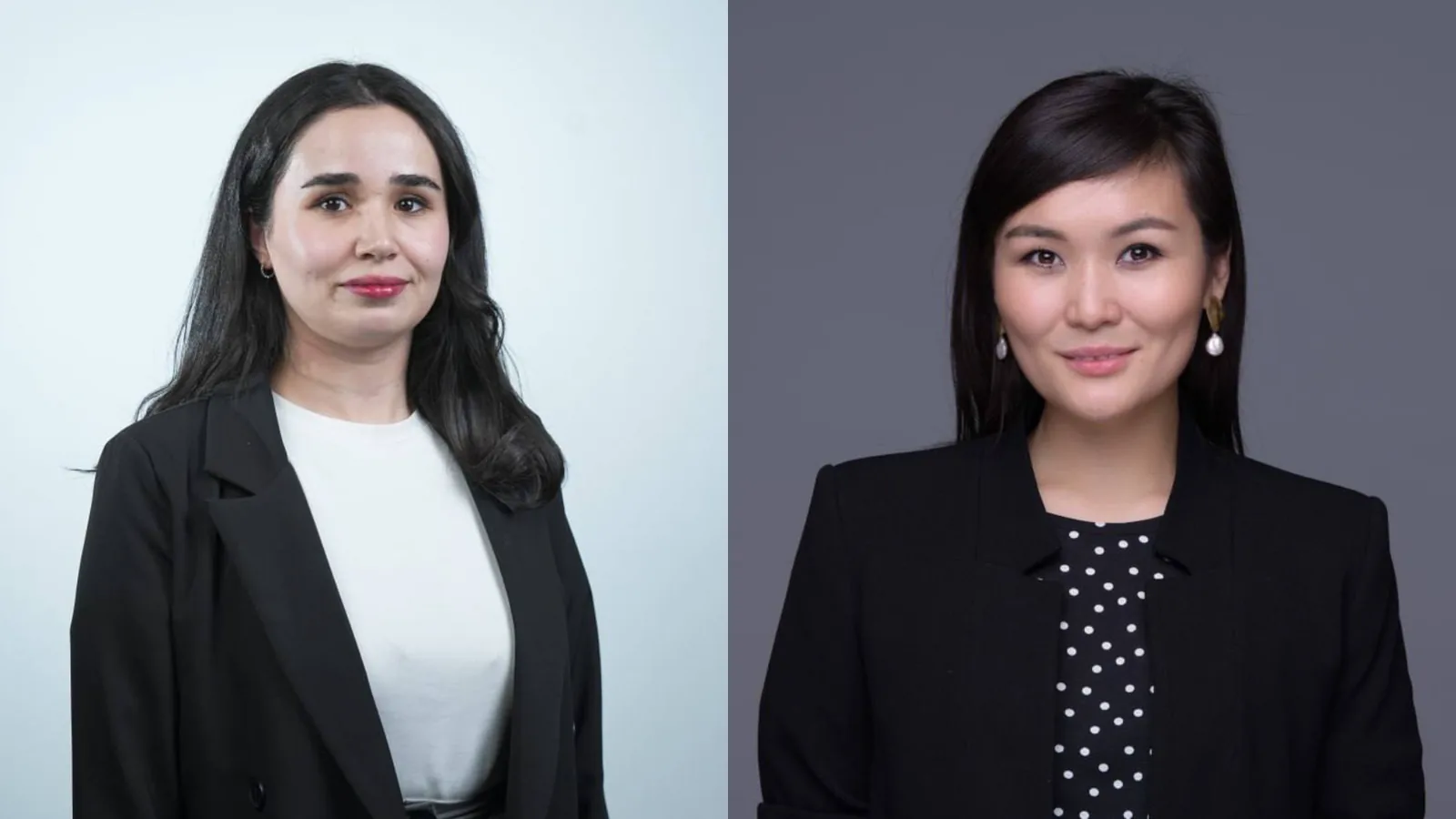
Aziza Azizova from Dushanbe is an IT project manager at Alif Bank, having progressed from an operator role to managing the CRM system. Aynur Zhanturina from Almaty is the founder of Rise Research and former CEO of the FinTech Competence Center at the Astana International Financial Centre (AIFC), specializing in startup and venture capital analytics in Central Asia.
Aziza Azizova, city — Dushanbe, IT project manager, LinkedIn, Instagram
About me
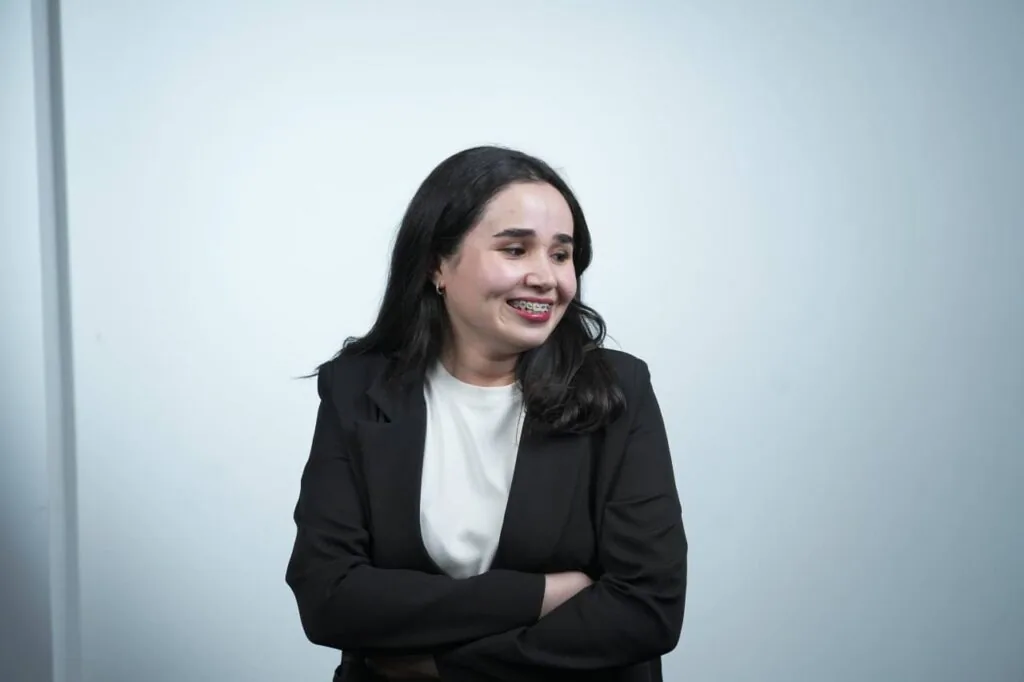
I am an IT project manager at Alif Bank. I am involved in the development and maintenance of the internal CRM system.
In 2018, I started working as an operator at the Remote Service Center of Alif Bank. After some time, I moved to the IT department as a Scrum Master. I worked in teams for the alif.mobi mobile app, terminals, frontend, as well as on the external project Fortu. At the time of my transition, my IT knowledge was limited, but I was constantly learning, and the team leads helped me — for which I am immensely grateful. That is how I entered the exciting world of IT, where I continue to develop to this day.
How I came to the IT profession
I came to IT from customer service. I was always interested in how the technical side of the products I worked with functioned. An opportunity arose to try myself in a new role — I did not miss it, and since then I cannot imagine myself outside this field.

About stereotypes
Stereotypes, of course, existed. I think they have become fewer only in recent years — largely thanks to women who actively break them. At the beginning of my path, I encountered biased attitudes from some developers. But through diligence and quality work, I proved that, regardless of gender, I can be a valuable team member — even in an environment where men predominate.
Obstacles for women in IT
It is often more difficult for women to build their careers, especially after marriage and the birth of children. This applies not only to IT but to many other fields. When going on maternity leave, you essentially miss two or three potential promotions and return to a changed work environment. Of course, this is felt. But I believe that everyone has their own path — some focus on family, some on career, and some successfully combine both. Women are often excellent multitaskers who know how to handle stress — and this is their strength.

Recommendations for those just starting their path
Do not be afraid to start something new. Even if it does not work out in one area — there are many directions in IT, and by trying, you will definitely find something that makes your eyes and heart burn with passion. It is never too late to learn. Today, there is a huge number of accessible resources — and even ChatGPT can become your assistant on this path.
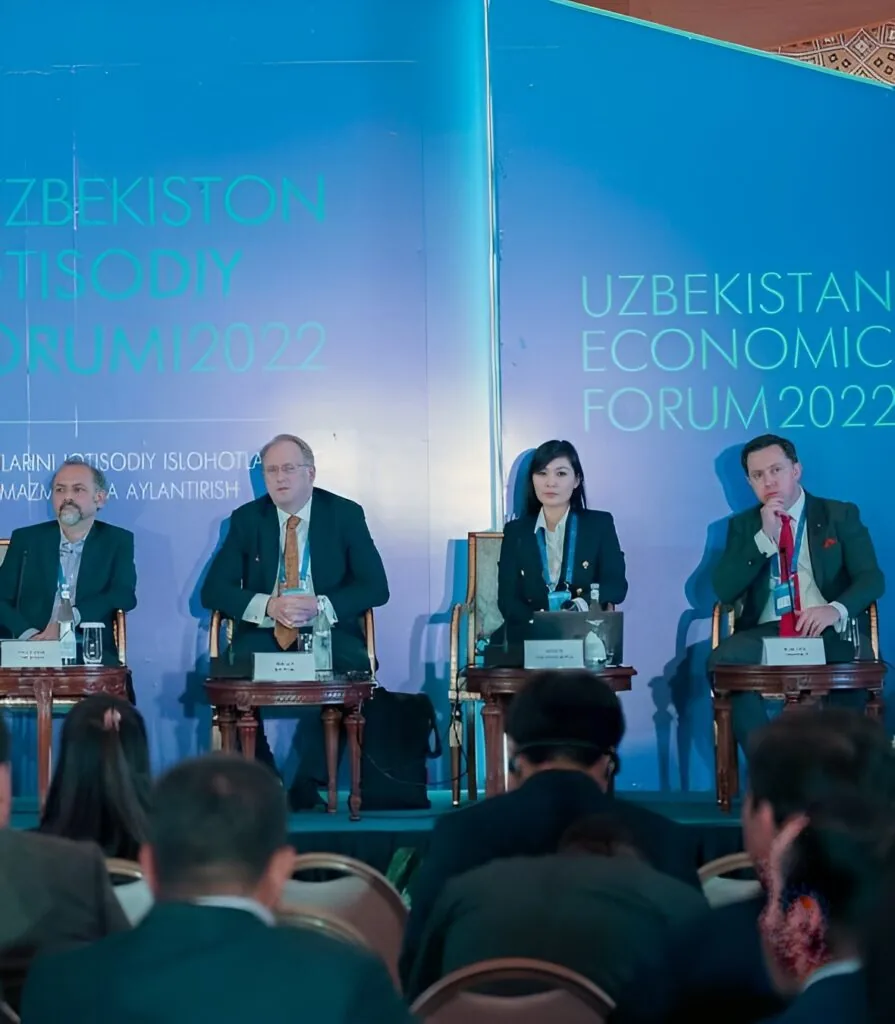
Ainur Zhanturina, city — Almaty, founder of Rise Research, Instagram, LinkedIn
About me
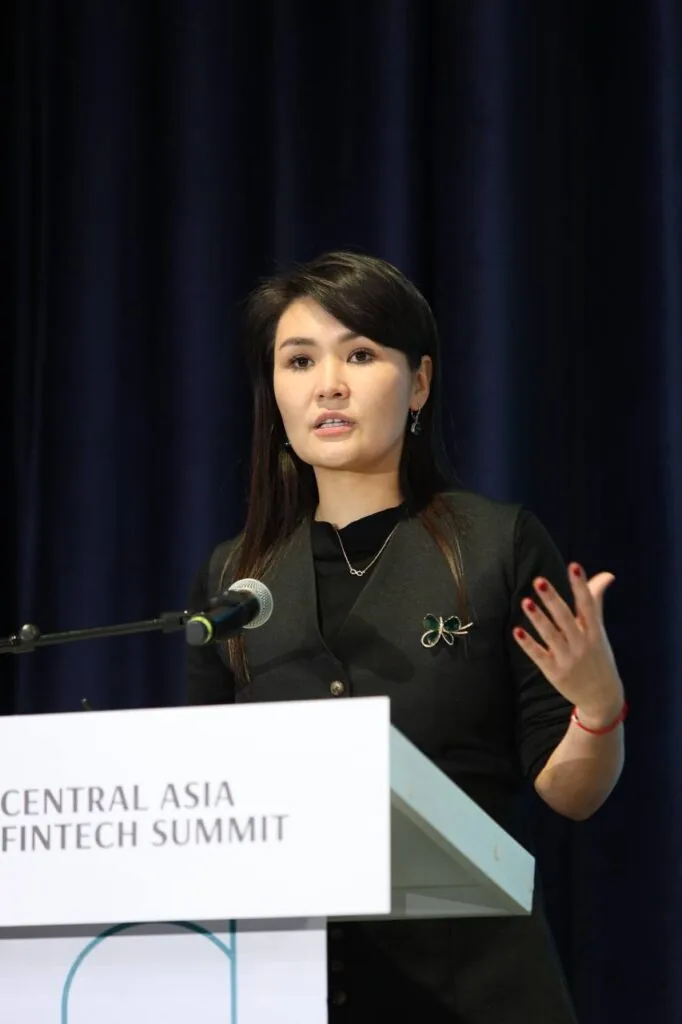
I am the founder and CEO of Rise Research. This is a company that conducts research and analytics in the fields of innovations, FinTech, venture capital, and startups in Central Asia as a whole.
How I came to the IT profession
I graduated from KIMEP with a degree in Finance and began my career in consulting at PwC, where I worked for about five to six years. During my maternity leave, I enrolled in an MBA in Finance at Nazarbayev University. At that time, I began to think about the future of finance — FinTech was gaining momentum, and it became clear that traditional finance was losing relevance.
At the same time, the International Financial Center (IFC) started operations, and I was invited to join. A department called the FinTech Competence Center was being launched there — a unit engaged in analytics and research in this field.
At that time, there was practically no quality information about Central Asia. One of the center's tasks was attracting investments, which is difficult without analytics. I headed this department and began developing the research direction. We published the first reports on startups and the FinTech ecosystem of the region. I worked there for about four years.
At some point, I decided to take a pause to consciously rest and understand what I was truly interested in. Working at the IFC was interesting, but with hours from 9:00 to 18:00 at work, followed by household chores, there was no time for family. After the pandemic, with two children, I reconsidered my priorities and, together with my husband, who also left the public sector, began to think about what we wanted to do next.
Given my experience in FinTech, I had long been interested in foreign solutions, one of which was daily salary payments. I shared the idea with my husband, and he quickly got involved and launched the project.
But research work turned out to be "mine." Even while at home, I continued to collect data — not by order, but simply because I liked it. I was especially interested in things that were not publicly available. For example, data on venture deals — at that time, no one was collecting them at all. I was always irritated by long reports that no one reads. I wanted to structure the market, visualize data, and simplify perception.
I did this for myself and published it on LinkedIn. Gradually, I noticed that many began to reference my data, even though formally they were not formatted as official documents. Then I thought: why not create full-fledged reports that government agencies, investors, and startups can reference? This would help them better understand the market, its dynamics, trends, and transparency. The main thing is to do this independently, without ties to the state or major players.
We began to do what we were interested in. First, we published a report on venture capital, then on FinTech, startups, and digital assets. These areas became ours due to our extensive expertise and the database collected since 2018. I am still interested in simply sitting down, opening Excel, looking at how the market has changed, and making a graph.
Today, we are supported by government agencies, private investors, and venture funds, and we continue to develop in this direction because the market needs it.
About stereotypes
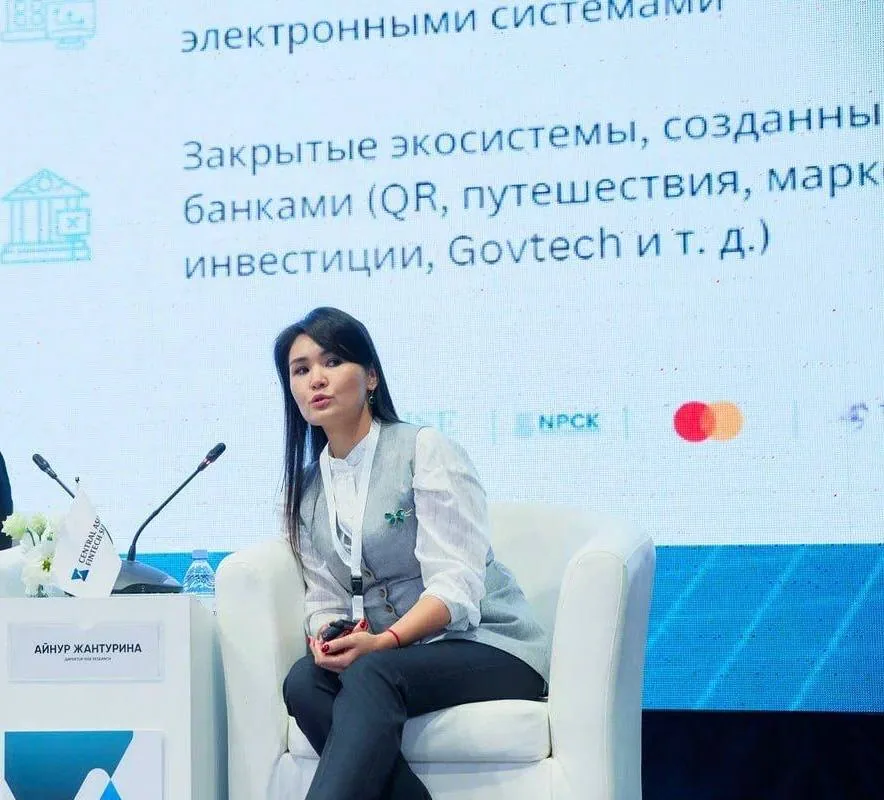
Personally, I have not faced discrimination, and I believe I was lucky to fall into such a work atmosphere where management and colleagues did not have biased attitudes. This is luck, especially in a field where such stereotypes still occur.
I worked at PwC, then at the International Financial Center, and currently I also cooperate primarily with men — both as colleagues and as management. But there was never a feeling that I could be limited or that a man would be preferred solely because of gender. On the contrary — because I had small children, management showed support: they let me leave early and accommodated me in work matters. They understood how difficult it is to combine motherhood and a career. And I am sure: if you know your business well and perform your work with quality, then gender does not matter.
Obstacles for women in IT
Difficulties, of course, exist, especially in combining family and career. This always requires choice and sacrifice. I am like a juggler who balances and tosses balls. Both sides — family and work — are important, and one has to find a balance. I think that Eastern women do this especially well — we are flexible, multitaskers, know how to adapt and adjust. This is our advantage.
Nevertheless, it is hard, and it is important to rest in time so as not to burn out. Sometimes, especially at the end of the month, you feel tired. Therefore, you need to stop, take care of yourself, find time for sports, self-development, and rest.
I am sure that combining is possible. And personally, I chose the path of balance. Because I cannot be happy without family, without children, or without my beloved work.
Recommendations for those just starting their path
I believe that until the age of 30, you need to work hard and move forward persistently, even when you do not want to. This is an important stage for forming a solid professional foundation. From my own experience, I know that working at Big Four was hard: we often stayed until morning, had no time for personal life or rest. All energy went into work.
But it was precisely this that became the foundation for later leaving the corporate environment and doing what I like. Currently, I do not perceive my activity as work — it is a beloved endeavor that brings pleasure, and there is also time for family and myself. This balance comes when you invest in yourself in your youth — in knowledge, experience, and labor. Over time, this begins to pay dividends.
Experience begins to work for you. You are not just looking for a job, but choosing projects, building your schedule and conditions. It is like passive income — you continue to develop with pleasure and on your own terms.
Currently, we are hiring young people, and I notice that the new generation has different priorities — balance, comfort, a relaxed pace. Sometimes this is alarming. Perhaps this is a new approach, and it has its own advantages. But I am sure that deep involvement at the beginning of a career will definitely pay off. Do not be afraid of difficult projects, responsibility, or overtime. This is an investment that will give the opportunity in the future to be in demand, confident, and free in choice and conditions. This is true pleasure.
The Tech on Telegram Follow The Tech on Telegram
Keep up with the latest technology and startup news.
Related reading







More from this author

News
zypl.ai begins operations in Japan and focuses on next-generation risk models
Mansur Ismagulov

News
Elon Musk's net worth has exceeded $700 billion for the first time
Mansur Ismagulov

Article Interviews
"Central Asian countries should build a joint ecosystem," — Bekhzod Ismoilov on the development of AI in the region
Mansur Ismagulov

Article Interviews
Bloom's Taxonomy and Engineering Levels: A Practical Growth Model
Mansur Ismagulov

Article Useful
How the IT industry in Azerbaijan developed in 2025: key events
Mansur Ismagulov

News
Tajikistan has become a new member of the regional innovation alliance Central Asian Innovation Hubs
Mansur Ismagulov