The third Neuralink patient with a brain implant was able to restore their voice using AI
Author - Mansur Ismagulov
The Tech AI
Get the key points in seconds - a short summary from The Tech AI.
Brad Smith, the third participant in Neuralink's Telepath program, has restored his speech using AI and an implant in the motor cortex. The device replaces part of the skull, connects via Bluetooth, and allows control of a MacBook Pro cursor without dependence on lighting conditions. Communication is facilitated through a virtual keyboard and a chat application based on Grok 3, featuring a cloned voice of the patient.
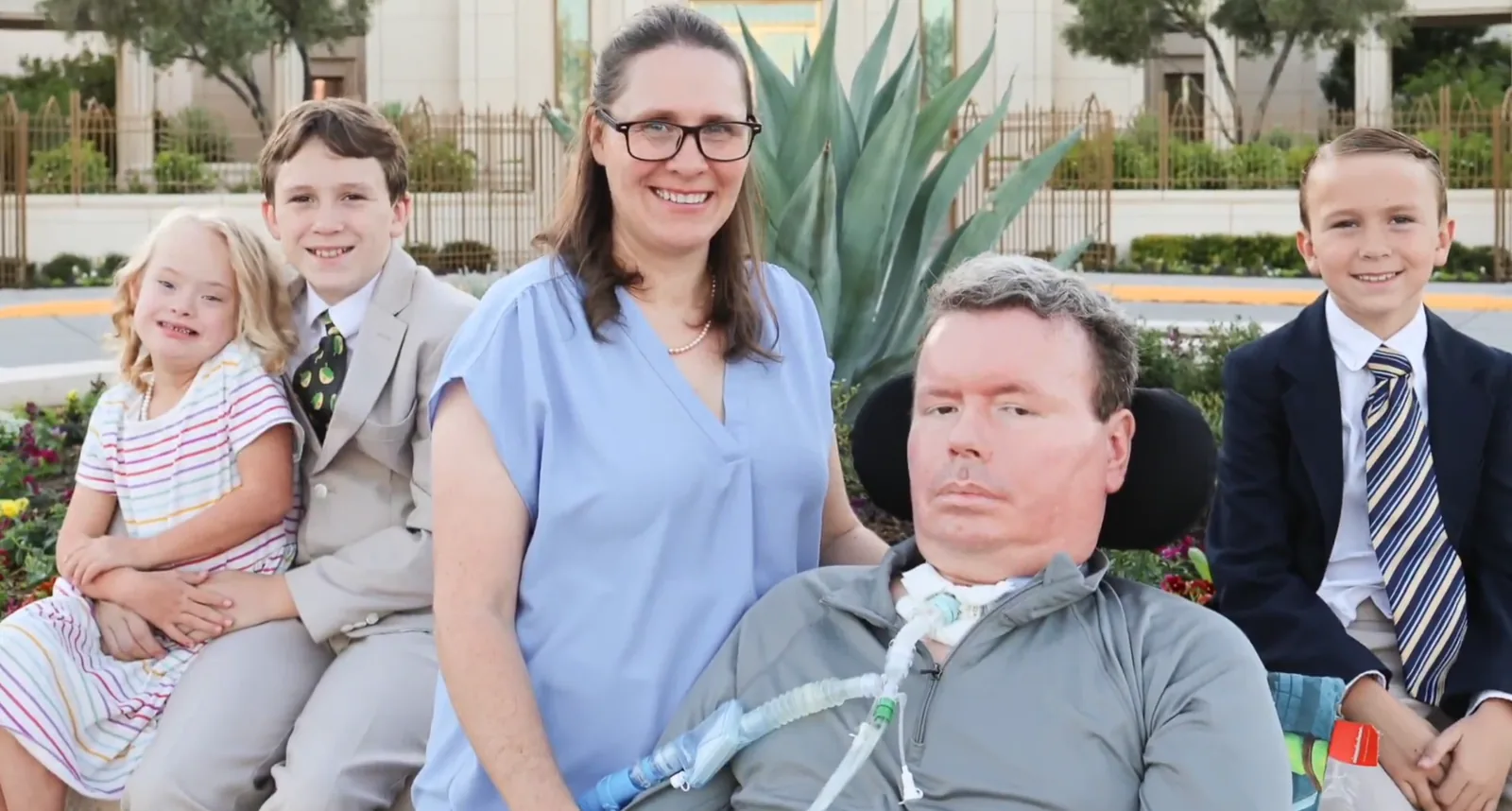
Brad Smith, the third person to receive a Neuralink implant and suffering from a non-verbal form of ALS, was able to speak again in his own voice thanks to advanced technologies and artificial intelligence.
Neuralink, the company founded by Elon Musk, announced in January that three people, including Brad Smith, are participating in the Telepathy program. All three are unable to move their hands and legs.
Smith is completely unable to move or speak, except for movements of the corners of his mouth and his eyes. In a video, he explained that he now relies entirely on the Neuralink implant for communication, using a brain-computer interface to control the cursor on a MacBook Pro. His voice was recreated using AI based on old recordings made before he lost his speech.
The implant is installed in his motor cortex, the area of the brain responsible for movement. The device replaces a portion of the skull, and its ultra-thin threads, inserted by a robot, penetrate only a few millimeters into the brain, bypassing blood vessels and minimizing bleeding. The implant communicates with a computer via Bluetooth, and most of the data processing occurs directly on the device.
Before the surgery, the patient used a computer controlled by eye tracking, which worked best in the dark. Neuralink has allowed him to leave the dark room and no longer depend on lighting conditions.
The technology enables the patient to communicate by training cursor control and using custom tools he created to speed up typing, including a virtual keyboard with useful features such as copy, paste, and undo.
Smith, along with the Neuralink team, developed an AI-based chat application that listens to conversations and suggests possible responses. The program uses Grok 3 and a cloned voice of the patient.
Source: foxbusiness.com
The Tech on Telegram Follow The Tech on Telegram
Keep up with the latest technology and startup news.
Related reading



More from this author

News
zypl.ai begins operations in Japan and focuses on next-generation risk models
Mansur Ismagulov

News
Elon Musk's net worth has exceeded $700 billion for the first time
Mansur Ismagulov
Article Interviews
"Central Asian countries should build a joint ecosystem," — Bekhzod Ismoilov on the development of AI in the region
Mansur Ismagulov

Article Interviews
Bloom's Taxonomy and Engineering Levels: A Practical Growth Model
Mansur Ismagulov

Article Useful
How the IT industry in Azerbaijan developed in 2025: key events
Mansur Ismagulov
News
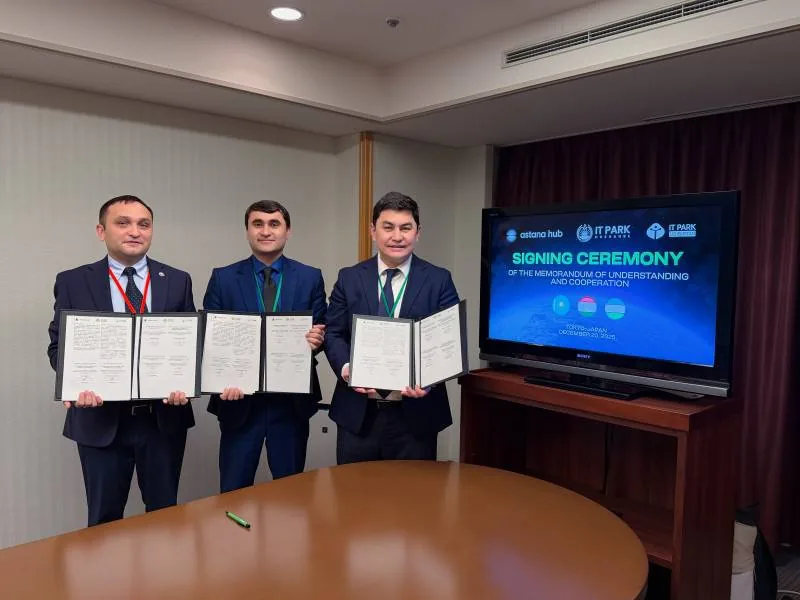
Tajikistan has become a new member of the regional innovation alliance Central Asian Innovation Hubs
Mansur Ismagulov