"You can't be a leader for just four hours a day," — Azizbek Kurbonov on what a part-time founder is
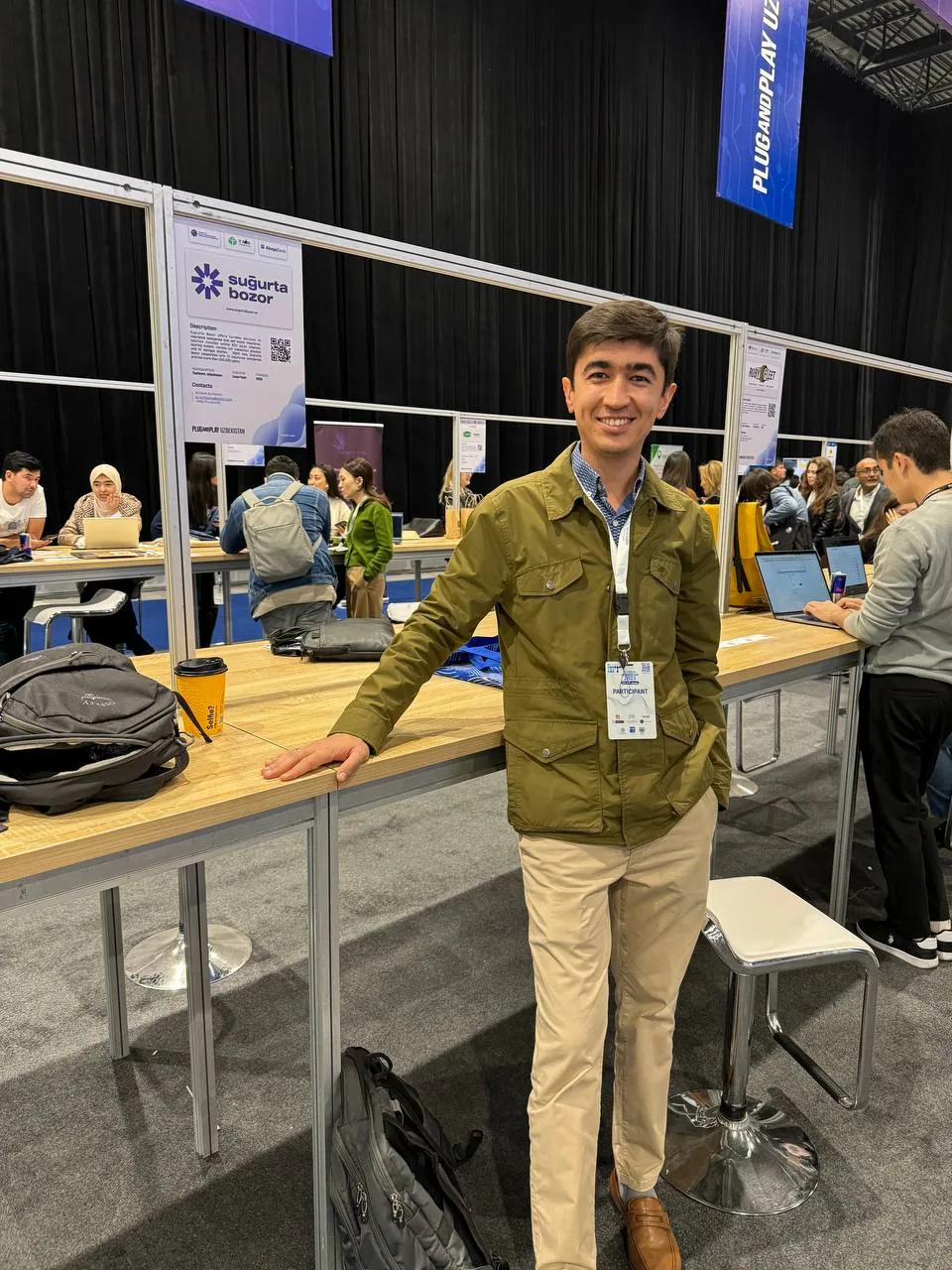
Co-founder of the startup Sug’urta Bozor, Azizbek Kurbonov, explained who a part-time founder is and why founders should receive a salary.
Author - Mansur Ismagulov
The Tech AI
Get the key points in seconds - a short summary from The Tech AI.
Azizbek Kurbonov, co-founder of Sug’urta Bozor from Tashkent, analyzes the problems faced by part-time founders. He highlights three key mistakes: refusing a salary in the financial model, losing focus while working on multiple projects, and fear of leaving corporate jobs before securing investment. The author argues that success requires 100% focus and full commitment, as investors demand "skin in the game."
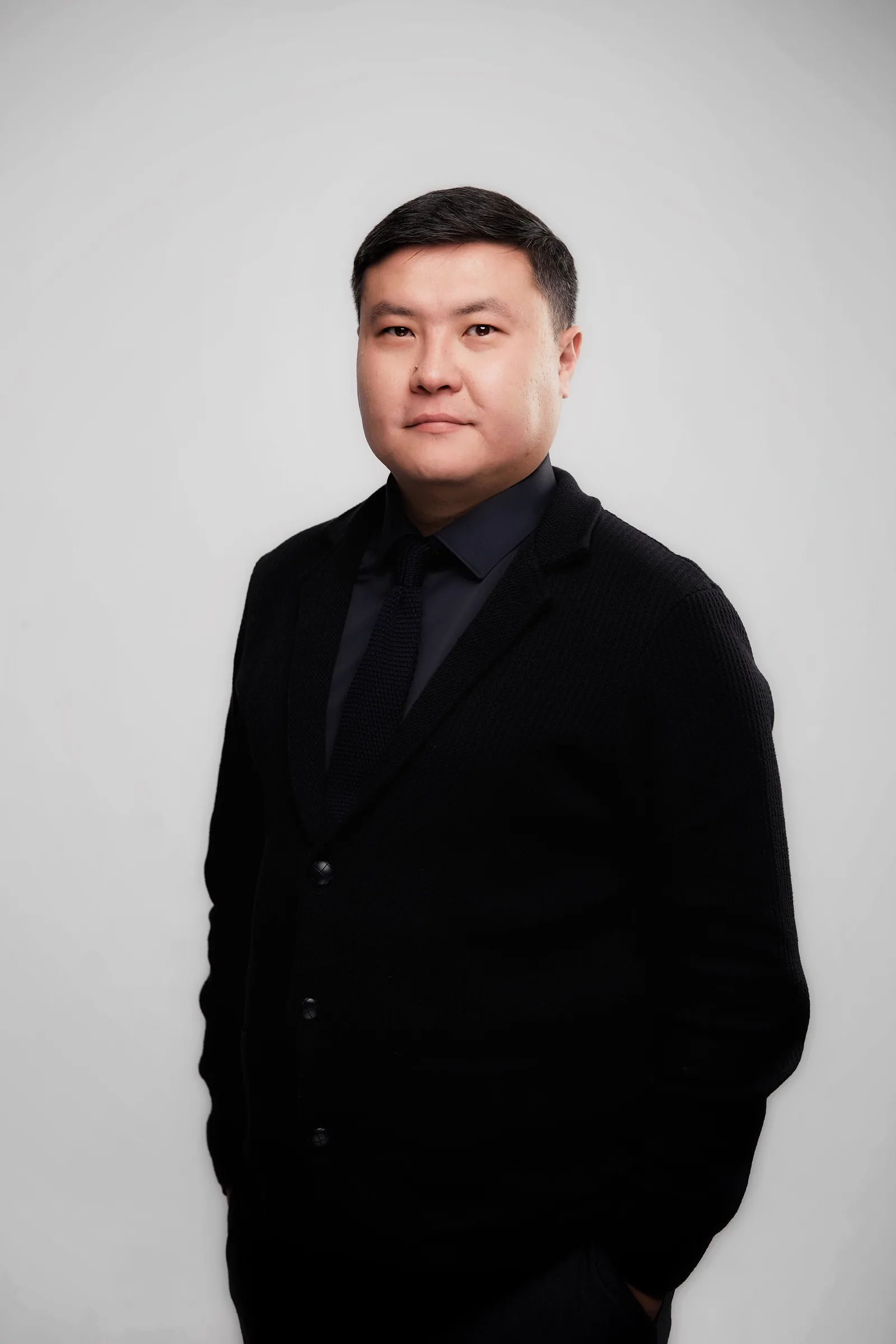
Azizbek Kurbonov, city — Tashkent, co-founder of the startup Sug’urta Bozor, @az.kurbonov
Startup gatherings, conferences, and acceleration programs help better understand other founders and entrepreneurs. Each exchange of ideas provides something new to reflect on. Recently, I have started noticing part-time founders who either work on multiple projects or are employed in a corporation while simultaneously developing a startup. I decided to delve deeper into this situation.
By dedicating a few hours a week to consulting other founders, I get the opportunity to take off the founder's hat and put on the consultant's hat. This gives me an excellent chance to see my own problems through the lens of other startuppers. I am mainly interested in technology projects pre-seed round, as this topic is close and interesting to me.
For the past few months, I have been systematically thinking about the reasons why some founders do not want to commit fully.
Often, when analyzing startups, I notice several recurring problems.
1. When developing a financial model, founders often do not include their own salaries. They fear that investors will refuse funding if they find out that the founders will receive a salary.
I believe that founders should receive a salary to sustain their activities and avoid going hungry. This way, they will be focused on the startup and will not need to earn money from side projects.
Including an average salary in the financial model signals to investors that you are a mature entrepreneur who understands your expenses. Additionally, it shows that you will be working on the project full-time.
2. Some founders launch multiple projects and plan to allocate 50/50 time to each project. In their view, when one of the startups takes off, they will be able to focus fully on it.
I have always been against working on multiple fronts because it means significant distraction. However, there are moments when several ideas arise in different directions. Or there is a desire to test your idea and satisfy your entrepreneurial spirit. In such cases, I recommend setting a deadline to test the hypothesis/idea and not returning to it.
Sometimes it is not even necessary to test the idea. You just need to find a specialist or entrepreneur who has gone through this path. Then you can get a different perspective. For example, there may be legal, administrative, and other barriers to entry.
So, 100% focus is the minimum you can do for your project.
3. A founder launches a startup while being an employee of a corporation. They promise themselves and other founders to quit their job as soon as they raise investments.
Starting a project while employed is normal. You have a certain income that you can live on and test hypotheses. This option is ideal if you do not have savings for six to nine months of living expenses.
However, a comfortable corporate salary can become an addiction from which you may not be able to break away at the right moment. Therefore, if the reader encounters such a problem, they must prioritize and choose one direction. On the surface, it seems simple, but in practice, it can be painful. That is why not everyone becomes an entrepreneur.
If the reader has a co-founder receiving a high salary, and the success of the project depends on them — this is the first red flag. It is urgent to sit down and discuss this topic, clarifying the commitment of each participant.
Our startup Sug‘urta Bozor was also launched as a side hustle, but before raising the first round of investments, the founders quit their jobs and switched to full-time. For investors to put their skin in the game, they need to understand the risks the founders have taken. This phenomenon is well explained in the book Skin in the Game.
The conclusions are simple. At the hypothesis testing stage, a founder can work on the project part-time, but success requires focus and complete immersion in the product. An entrepreneur differs from an ordinary employee by vision, willingness to take risks, and leadership qualities. You cannot be ready to take risks and be a leader only four hours a day.
The Tech on Telegram Follow The Tech on Telegram
Keep up with the latest technology and startup news.
Related reading


More from this author

News
zypl.ai begins operations in Japan and focuses on next-generation risk models
Mansur Ismagulov

News
Elon Musk's net worth has exceeded $700 billion for the first time
Mansur Ismagulov
Article Interviews
"Central Asian countries should build a joint ecosystem," — Bekhzod Ismoilov on the development of AI in the region
Mansur Ismagulov
Article Interviews
Bloom's Taxonomy and Engineering Levels: A Practical Growth Model
Mansur Ismagulov

Article Useful
How the IT industry in Azerbaijan developed in 2025: key events
Mansur Ismagulov
News
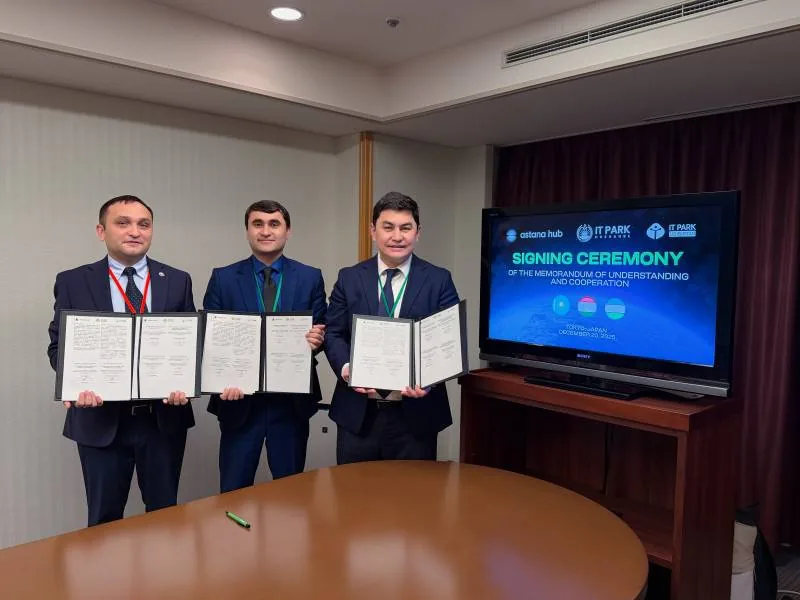
Tajikistan has become a new member of the regional innovation alliance Central Asian Innovation Hubs
Mansur Ismagulov