"Don't be afraid to be original," Asylkhan Nazir on starting a career in IT
Author - Mansur Ismagulov
The Tech AI
Get the key points in seconds - a short summary from The Tech AI.
Asylkhan Nazir, Head of Design at Tekmates (Almaty), began his career in graphic design and transitioned to IT in 2018, joining Kassa24. He highlights the high level of competition and offers three pieces of advice: be original, participate in the local community, and start gaining experience through paid projects early on.
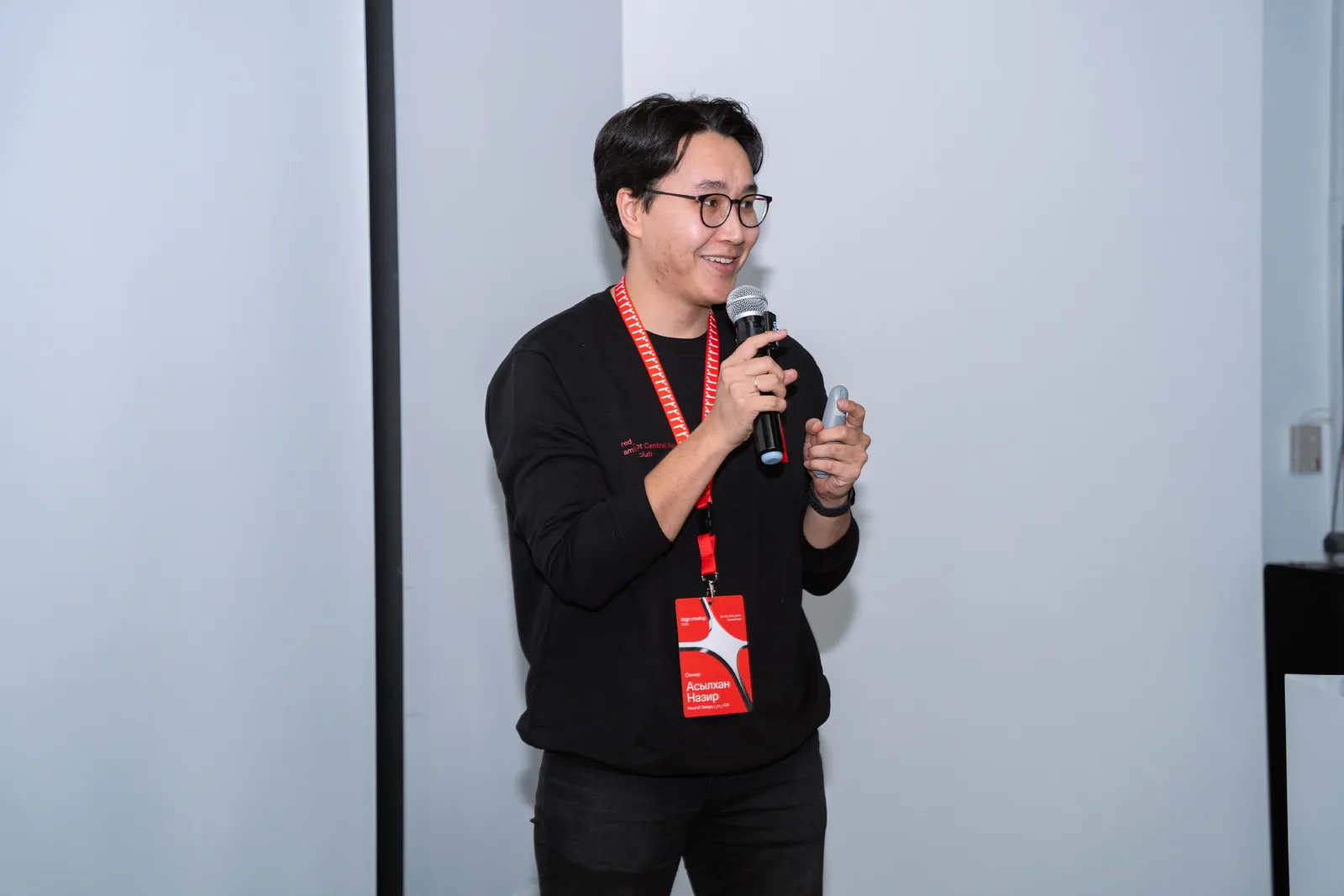
Asylkhan Nazir shared his journey in IT and offered three tips to help you find a job in the field.
Asylkhan Nazir — Almaty, Head of Design at tekmates
About Me
By education, I am an elementary school English teacher. I could have become a full-time teacher, but I didn’t pursue a master’s degree. I’m just an ordinary guy from the neighborhood. If I were in a movie, I’d probably be part of the crowd rather than the main character.
My path into IT was gradual. I spent a long time hovering around graphic and web design. Eventually, life led me to tekmates, where I’ve been working as Head of Design for over a year now.
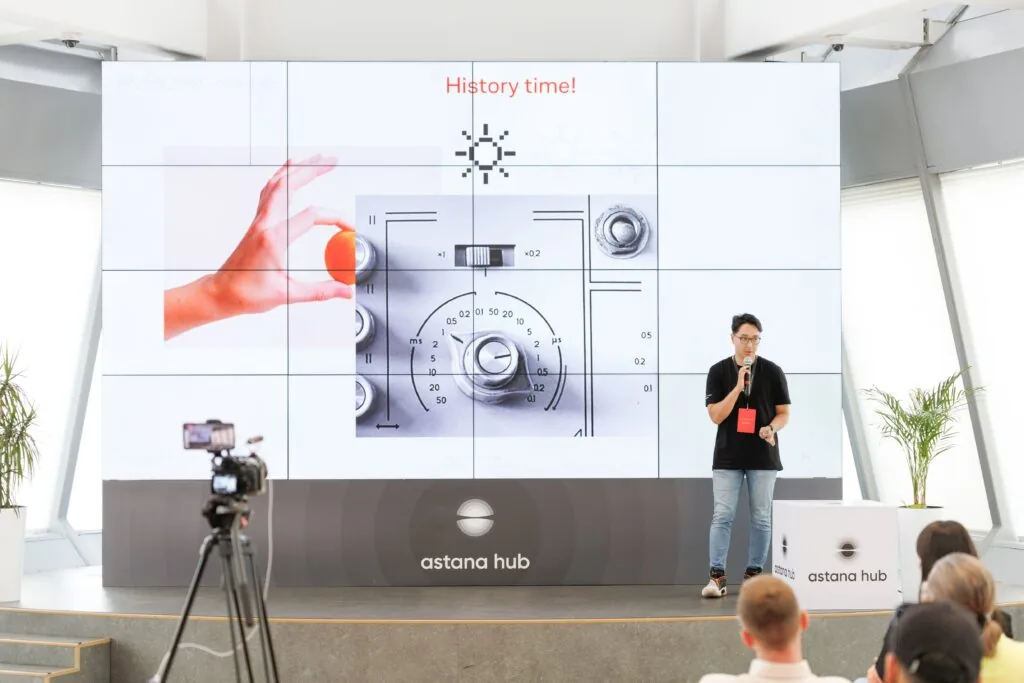
About My First IT Job
It all started at a small event agency called MusicShow. I joined as a graphic designer during my third year of university. I was 20 years old and barely knew anything. I made posters for events and graphics for websites.
Over time, we opened an internal web studio called WebSign and started taking external orders. Later, I worked as a web designer at AlmaU University, where I built an intranet — a student portal. After that, I spent two years as an art director at the online magazine "Vlast." However, I consider my real entry into IT to be 2018, when I joined Kassa24.
In the fall of 2018, I deepened my knowledge of UX/UI design. I quit my job and started looking for a new one. I interviewed at Alfa-Bank, Beeline Kazakhstan, Arbuz.kz, Aviata, and Kassa24. I didn’t pass the first three because I lacked experience. Aviata and Kassa24 offered me jobs. Aviata wanted to set up a paid two-week trial period. I decided not to take the risk and chose Kassa24 because they offered immediate job stability.
I’m not sure if my education helped me find a job — it’s completely unrelated. But knowing English still helps. Although my conversational English has declined due to lack of practice, I can still comfortably read any articles and publications, which greatly helps in finding up-to-date information.
Everything followed the standard process for small companies. First, a screening interview with a recruiter, who also happened to be the HR Director. Then, an interview with the CEO and COO. The interview was quick, with few questions, and they gave me a test task. I completed it and waited about a month: sometimes the director got sick, or there was some other reason. I’m not even sure if a designer reviewed my test task, since I was replacing a designer. In the end, I was hired.
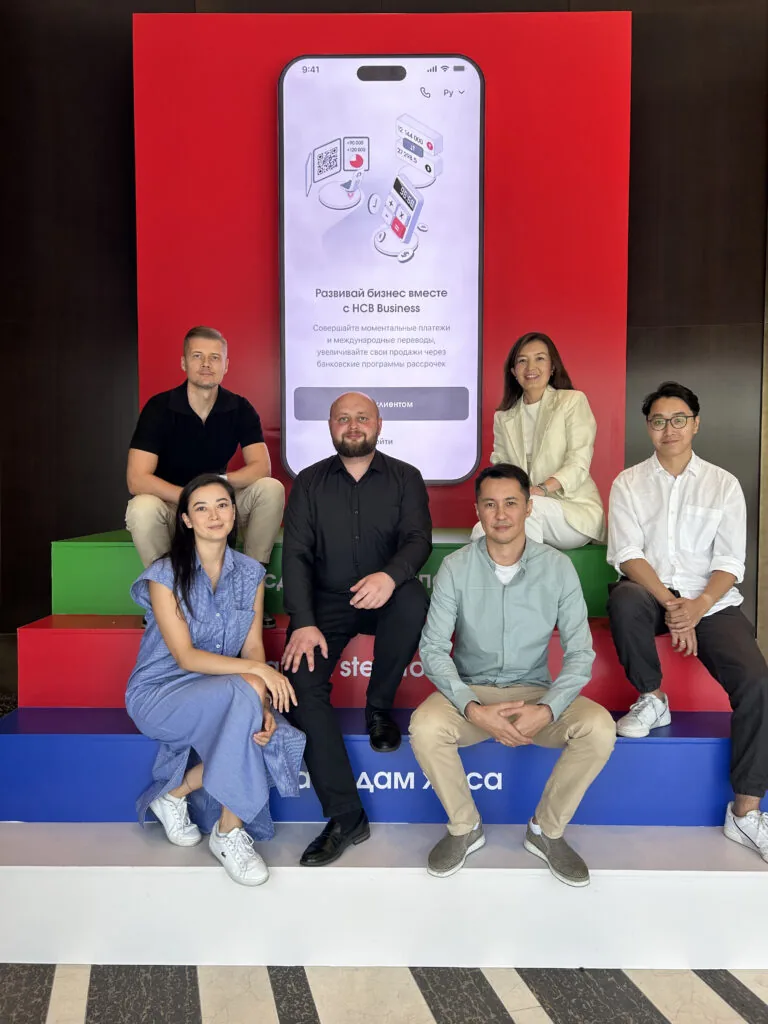
About Challenges
After leaving my job, I took freelance orders for book layout design for about a month to make ends meet. That was the first challenge.
It was also difficult to pass interviews. By nature, I’m more of a practitioner than a theorist, so my knowledge was unstructured and chaotic. Many things I practiced during technical interviews, I didn’t know the names or terms for. This left a poor impression of me.
I handled rejections calmly. Each rejection provided material for self-reflection and helped me adjust my approach to interviews. For example, I started preparing more thoroughly: I studied the company’s profile, found information about the hiring manager, and asked recruiters for additional details. This is especially important early in your career.
At this job, I discovered many new things. I only knew the nuances of mobile app design theoretically, but here I quickly started applying them in practice. Since the development team was small, I quickly integrated into the team and earned their trust. Over time, I took on more responsibilities and became the design team lead.
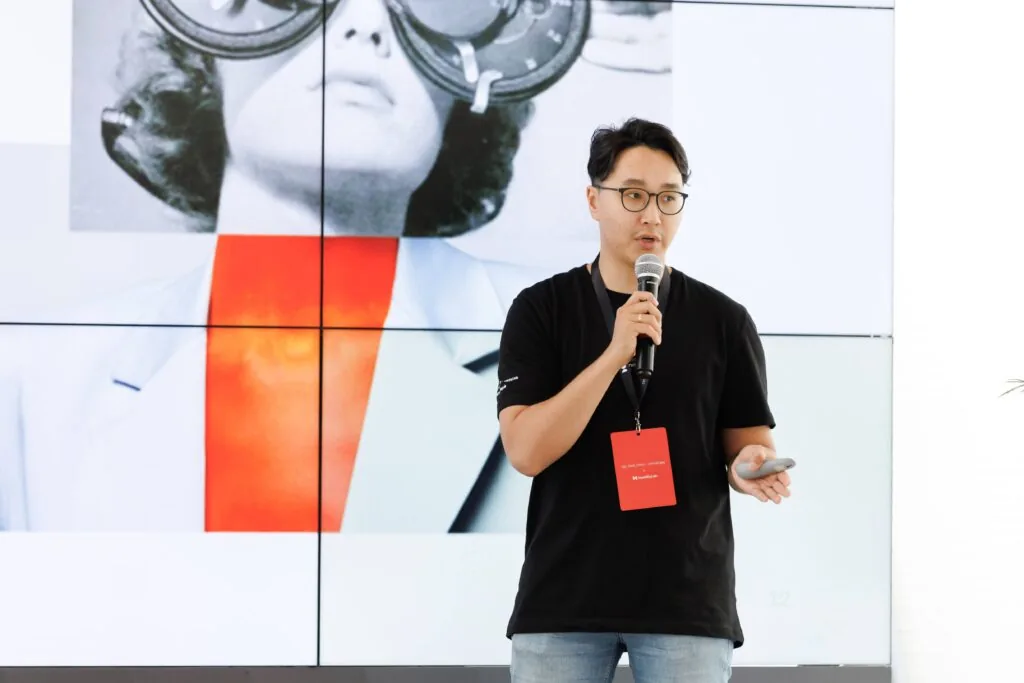
3 Tips to Help You Find a Job in IT
It used to be easier because there were fewer applicants. Currently, the main challenge is high competition. It makes you feel anonymous: you have to learn not only how to stand out during interviews but also how to get noticed beforehand and get invited to them. So here are my tips:
Don’t be afraid to be original. Modern courses and approaches often push designers into rigid frameworks of ideal design processes, but in practice, they don’t always work. You’ll stand out more by approaching a task in an unconventional way than by doing things “the right way.”
Actively participate in the local community. Join chats and channels, attend meetups and conferences. This increases the chances that hiring managers and recruiters will notice you, since they themselves are active in the community.
Start practicing as early as possible. Take small freelance orders from acquaintances, complete internships and practicums at companies, and work on your own projects. The earlier you start working on relevant real-world projects, the better. The most important thing is never to work for free! Even if it’s minimal pay, your work should always be compensated.
The Tech on Telegram Follow The Tech on Telegram
Keep up with the latest technology and startup news.
Related reading







More from this author

News
zypl.ai begins operations in Japan and focuses on next-generation risk models
Mansur Ismagulov

News
Elon Musk's net worth has exceeded $700 billion for the first time
Mansur Ismagulov

Article Interviews
"Central Asian countries should build a joint ecosystem," — Bekhzod Ismoilov on the development of AI in the region
Mansur Ismagulov

Article Interviews
Bloom's Taxonomy and Engineering Levels: A Practical Growth Model
Mansur Ismagulov

Article Useful
How the IT industry in Azerbaijan developed in 2025: key events
Mansur Ismagulov

News
Tajikistan has become a new member of the regional innovation alliance Central Asian Innovation Hubs.
Mansur Ismagulov