"We strive to be the driver of digital transformation in Kazakhstan," says the CIO of JSC "Kazakhtelecom" on the company's role in the future
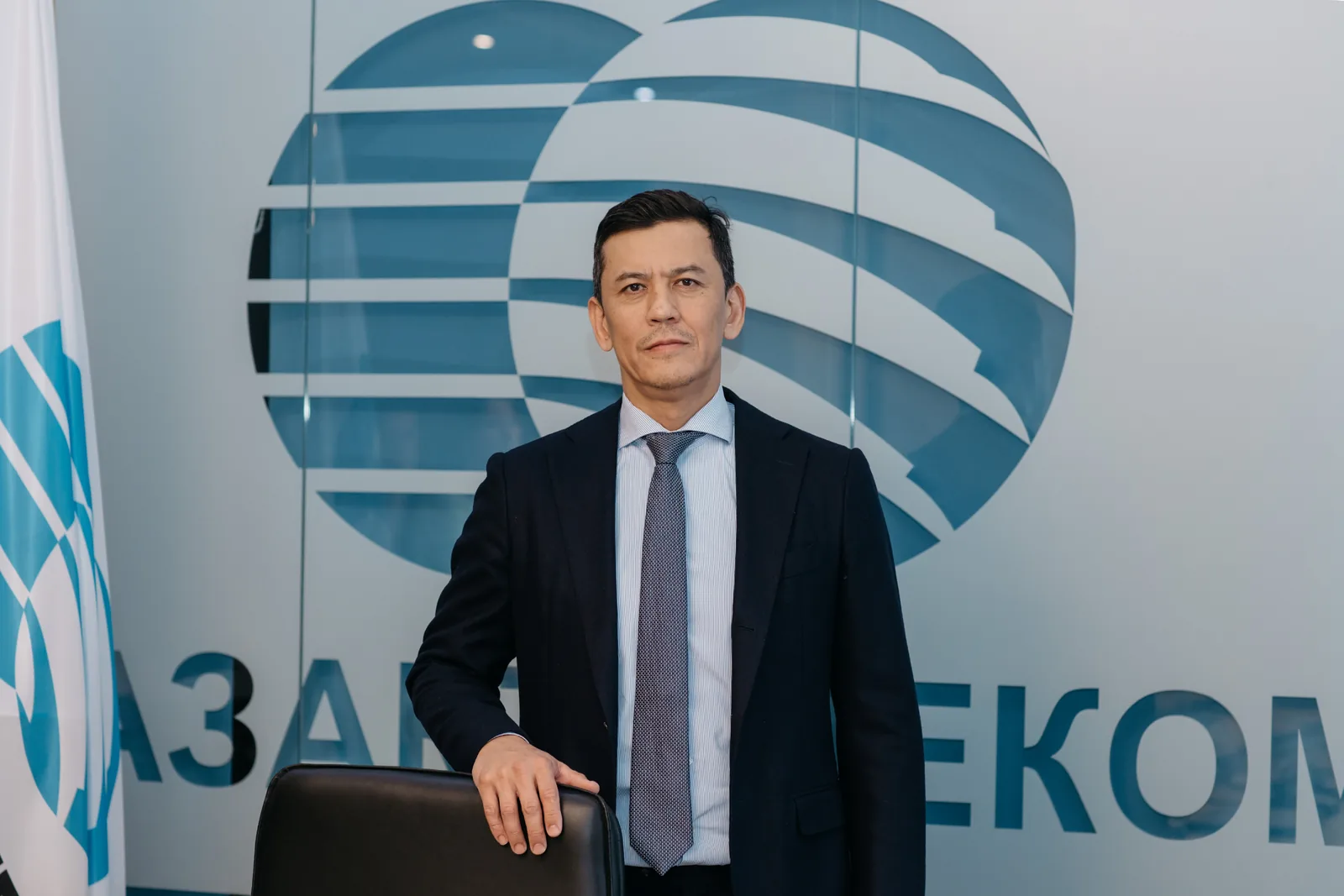
We continue discussing plans with IT leaders from Central Asia. Our next guest is Nurlan Meirmanov. He shared insights on the role of new technologies in the company and outlined his plans for 2025.
Author - Mansur Ismagulov
The Tech AI
Get the key points in seconds - a short summary from The Tech AI.
Nurlan Meirmanov, Chief Strategy and External Assets Director of JSC "Kazakhtelecom," highlighted the importance of digital transformation for business resilience. Starting in 2025, the company is implementing AI and IoT technologies, developing cloud solutions and Smart City projects. In rural areas, such as the village of Sarybai Bi, connection speeds have increased from 3 to 300 Mbps due to the development of FWA.
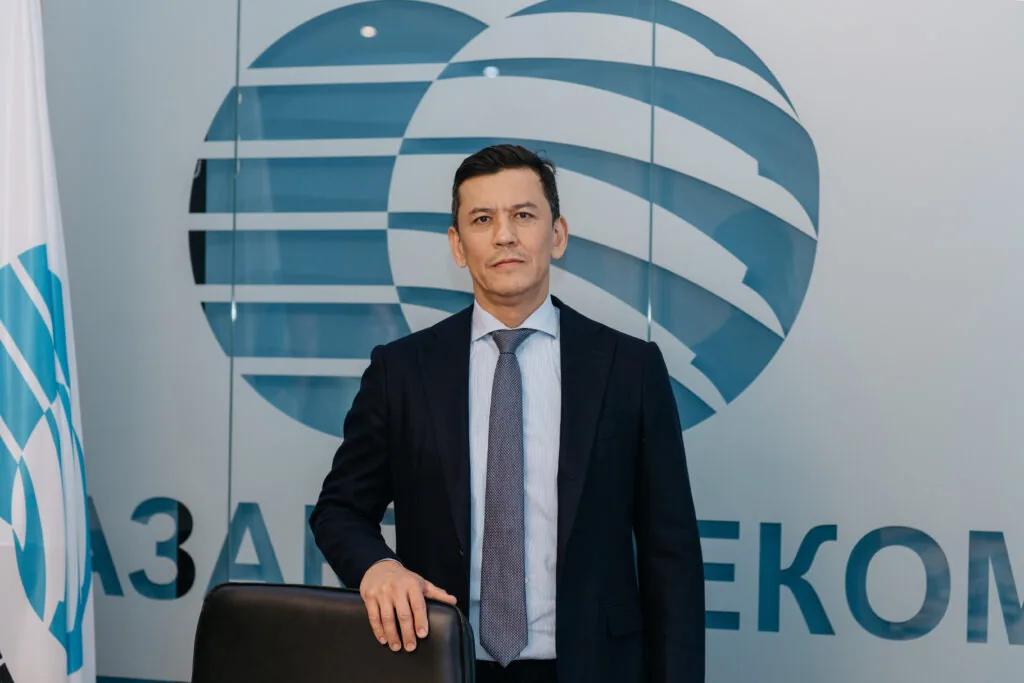
Nurlan Meirmanov, city — Astana, Board Member — Chief Strategy and External Assets Management Director of JSC “Kazakhtelecom”, LinkedIn
On Global Changes and Trends
The COVID-19 pandemic and the subsequent economic crises have become a powerful catalyst for change, highlighting the critical importance of creating a resilient and flexible business model. In conditions of uncertainty and a rapidly changing environment, we realized that traditional approaches to conducting business are no longer capable of ensuring the necessary resilience and competitiveness. This became the starting point for a deep rethinking of our strategies and operational processes.
Management and the company as a whole recognized the need for accelerated digitalization and adaptation to rapidly changing conditions. We understood that digital technologies are not just a tool for optimization, but the foundation for survival and growth in new realities. This prompted us to actively implement innovations, including the development and promotion of cloud solutions that provide our customers with flexibility, scalability, and accessibility of their data and applications at any time and from any point in the world, infrastructure expansion, improvement of network capabilities, and the implementation of artificial intelligence technologies to automate processes and increase efficiency.

On New Challenges
The telecommunications sector, characterized by dynamic development and rapid changes, in our view, may face the following challenges in the near future:
1. Ensuring cybersecurity in the face of growing threats.
With the increasing volume of data transmitted and stored in digital format, as well as the expanding use of cloud technologies and the Internet of Things, the risks of cyberattacks are becoming more serious. Companies need to implement multi-level protection systems, including data encryption, the use of artificial intelligence for threat detection, and regular training of employees in the basics of cybersecurity.
2. Adapting to rapid technological progress and integrating new technologies.
The pace of technological change continues to accelerate, and companies must be ready to implement innovations such as artificial intelligence, machine learning, blockchain, and quantum computing. This requires not only investment in new technologies but also a review of business processes to effectively integrate them into current operations. Additionally, it is important to consider the risks associated with the obsolescence of existing systems and update them in a timely manner.
3. Preparing qualified personnel capable of working with advanced technologies.
The rapid development of technologies creates a shortage of specialists with the necessary skills. Companies need to invest in employee training and retraining, as well as actively attract talented specialists through internship programs, partnerships with educational institutions, and participation in industry events. Moreover, it is important to create conditions for continuous professional growth of employees to retain them within the company.
4. Meeting growing customer expectations regarding service quality and speed.
Modern customers expect a personalized approach, instant access to services, and a high level of service. This requires companies to implement CRM systems, use big data analytics to predict customer needs, and optimize processes to reduce order fulfillment time. Additionally, it is important to actively use digital interaction channels, such as mobile applications, chatbots, and social networks, to stay in touch with customers 24/7.
On the Role of New Technologies
Starting from 2025, the company is implementing artificial intelligence technologies to significantly improve customer service quality and optimize internal business processes. Key areas include using AI to analyze large volumes of data, which allows us to better understand customer needs and offer personalized solutions. Additionally, we are implementing chatbots and virtual assistants that help promptly handle customer requests, reducing wait times and increasing satisfaction. Internally, AI is used to automate routine tasks, forecast demand, and optimize logistics, which helps reduce costs and increase efficiency.
Regarding IoT, the company’s attention is focused on providing IoT solutions for large corporate clients and projects within the Smart City concept. For corporate clients, we are developing IoT platforms that allow automating production processes, monitoring equipment status in real-time, and improving energy efficiency. Within Smart City projects, we are implementing solutions for intelligent management of traffic flows, energy supply, security systems, and environmental monitoring. This not only helps our customers improve operational efficiency but also contributes to creating a more comfortable and safe environment for residents.
These initiatives have become part of our digital transformation strategy, aimed at creating a resilient and innovative business model capable of adapting to rapidly changing market conditions and customer needs.
On Future Employees
In the telecommunications industry, as one of the technological sectors, in our view, the following will be in demand in the future:
— technical skills in AI, data analysis, and cybersecurity
— flexibility and the ability to quickly adapt to new technologies
— creativity and innovative thinking
— interpersonal communication and teamwork skills.
The company is actively investing in employee training, including EMBA programs, to ensure they meet future requirements.
On the Impact of Global Trends on Company Strategy
The global economy significantly influences our strategies, shaping both challenges and opportunities. Fluctuations in demand for services, caused by changes in economic conditions, consumer preferences, or geopolitical instability, require flexibility and readiness to adapt. We closely monitor trends in key markets to respond promptly to changes and offer solutions that meet current customer needs.
To minimize risks associated with global economic instability, we strive for diversification of both our services and sales markets. This includes developing new product lines, adapting existing solutions to the needs of different regions, and investing in innovative areas such as artificial intelligence, the Internet of Things, and cloud technologies. Diversification allows us not only to reduce dependence on specific markets or industries but also to ensure steady growth even in conditions of economic uncertainty.
According to the development strategy and goal-setting, the company plans expansion into the following segments:
— data centers and cloud services: given the growing demand for digital solutions
— AI-based services: providing smart solutions for various sectors of the economy and business.
Innovation is considered a key element of our strategy, and we integrate it at all levels of our activities to remain competitive and meet the rapidly changing requirements of the market. This is achieved through the following main directions:
— cooperation with leading technology companies and educational institutions
— implementation of new technologies in our services and processes
— training and development of employees to support innovation.
Thus, integrating innovation into our strategy allows us not only to meet current market requirements but also to shape the future of our industry. We strive to be not just participants in the technological revolution, but its active drivers, creating value for our customers, employees, and partners.
What Should the Future Leader Be Like
The key elements of success in modern conditions will be the following qualities and approaches:
— adaptability: the ability to quickly respond to changes
— vision: the ability to foresee trends and guide the company in the right direction
— empathy: understanding the needs of employees and customers
— innovativeness: encouraging new ideas and approaches.
These four elements — adaptability, vision, empathy, and innovativeness — form the foundation of our strategy and corporate culture. They allow us not only to successfully handle current challenges but also to create a stable platform for long-term growth and leadership in the industry. We are confident that this approach will help us remain competitive and continue to bring value to our customers, employees, and partners.
What Will the Company Be Like in 10 Years
In 10 years, we see our company as a leader in digital services in the region, with a wide network of Data Centers and cloud solutions, integration of AI into the daily lives of our customers. Also, international recognition as a key telecommunications hub between Europe and Asia, and a strong corporate culture focused on innovation and sustainable development.

On the Role of the Company in the Future
We strive to be a driver of digital transformation in Kazakhstan, ensuring access to advanced technologies for all segments of society. We continue to build FWA, Fixed Wireless Access, in rural regions, for example, in the village of Sarybai Bi, the company has already connected more than 100 households, where connection speed increased from 3 Mbit/s to 300.
Our goal is to contribute to the development of the digital economy, improve the quality of life of citizens, and increase the country’s competitiveness on the world stage.
As a socially responsible corporate citizen, we continue to support initiatives in education, healthcare, and ecology, strengthening our partnership with the state and society.
The Tech on Telegram Follow The Tech on Telegram
Keep up with the latest technology and startup news.
Related reading







More from this author

News
zypl.ai begins operations in Japan and focuses on next-generation risk models
Mansur Ismagulov

News
Elon Musk's net worth has exceeded $700 billion for the first time
Mansur Ismagulov

Article Interviews
"Central Asian countries should build a joint ecosystem," — Bekhzod Ismoilov on the development of AI in the region
Mansur Ismagulov

Article Interviews
Bloom's Taxonomy and Engineering Levels: A Practical Growth Model
Mansur Ismagulov

Article Useful
How the IT industry in Azerbaijan developed in 2025: key events
Mansur Ismagulov

News
Tajikistan has become a new member of the regional innovation alliance Central Asian Innovation Hubs
Mansur Ismagulov