Murat Aliokhanov on stepping down from operational management of 1Fit and future plans
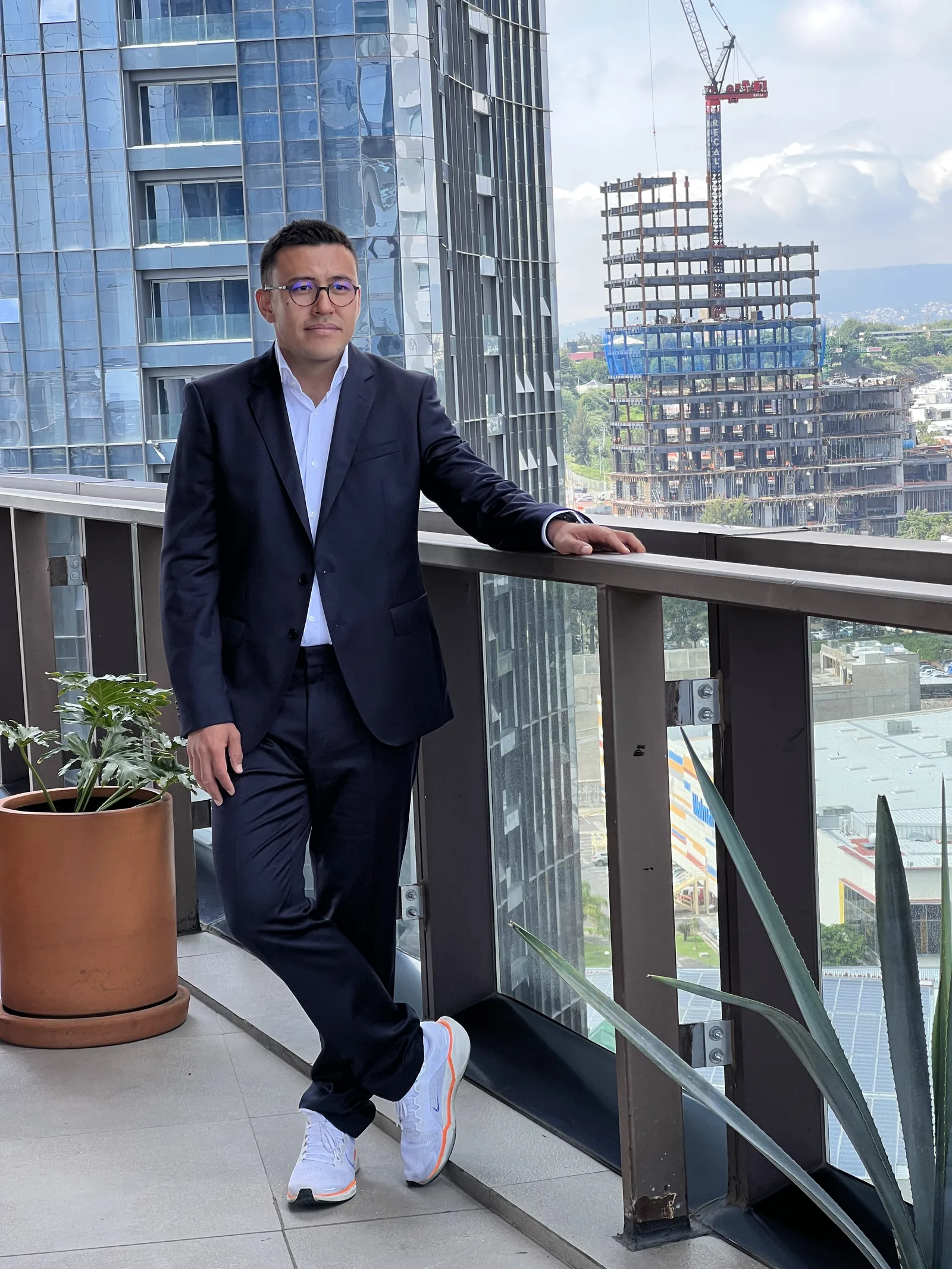
It recently became known that Murat Alihanov is stepping down as CEO of 1Fit, the largest fitness business in Central Asia. The Tech editorial team spoke with Murat about the reasons behind this decision, pivotal moments in the company's history, and why he now finds it more interesting to work with founders.
Author - Mansur Ismagulov
The Tech AI
Get the key points in seconds - a short summary from The Tech AI.
Murat Aliokhanov, founder of 1Fit, grew the company to $50 million in revenue, making it the largest fitness business in Central Asia with a team of over 250 people. He is handing over operational management to Vitaly Kotelnikov and will head the board of directors, planning to advise founders of B2C startups. Aliokhanov emphasizes the importance of data-driven decisions and adapting strategy to regional conditions.
Murat Alikhanov, city — Almaty, IT entrepreneur
About me
I am an entrepreneur and have been doing this for almost my entire life — from selling financial calculators at university to launching 1Fit. Therefore, I still consider myself an entrepreneur who has gradually acquired top management skills and was able to scale the business to respectable proportions.
About 1Fit and its achievements
The main thing we managed to achieve was growing the company from scratch to an annual revenue of $50 million. We took a leading and dominant position in the market, becoming the largest fitness business in Central Asia. We also managed to build a strong team and become a Kazakh startup that successfully expanded beyond the country. We always had simple and direct communication — this greatly helped in our work. Currently, the team has more than 250 people.
There were many turning points that transformed the company in one way or another. I can highlight several key ones.
The first one was obtaining the first revenue and stabilizing the business model. In the very beginning, we had a rather complex constructor: users could choose from many options what suited their taste. But over time, we moved to a simpler and more flexible format where there is no need to limit the user. This understanding was not easy for us to achieve.
For a long time, we sold the product at a low price. The next difficult stage came when we had to sharply — almost doubling — increase the cost to "close" the unit economics. This was a painful but absolutely necessary decision that allowed 1Fit not only to survive but also to continue growing.
Another turning point is related to team growth. When we became more than 100 people, it became difficult to maintain the previous level of communication. If earlier we all sat in one open space, and it was enough to just stand up and say: "Hey, team," — then with the move to a large office with offices and corridors, everything changed. Some teams began to work in isolation, and then we realized how important systematic and transparent communication is.
The last significant and painful stage was our launches and closing markets. We behaved like a venture startup: launching in new countries, making risky investments. But in fact, we were not a venture startup. We did not have access to large investments like projects from the US or Europe — simply because we were from Central Asia.
We had to reformat and slightly change our strategy. If earlier we aimed at launching in new countries, now we focused on developing in current markets.
For a long time, we only sold a single fitness subscription and did not focus on creating additional value for the client. Now this is starting to change. We are moving towards creating new products that we will offer to the same clients, enhancing their experience and increasing the value of our service.
About the transition and new role
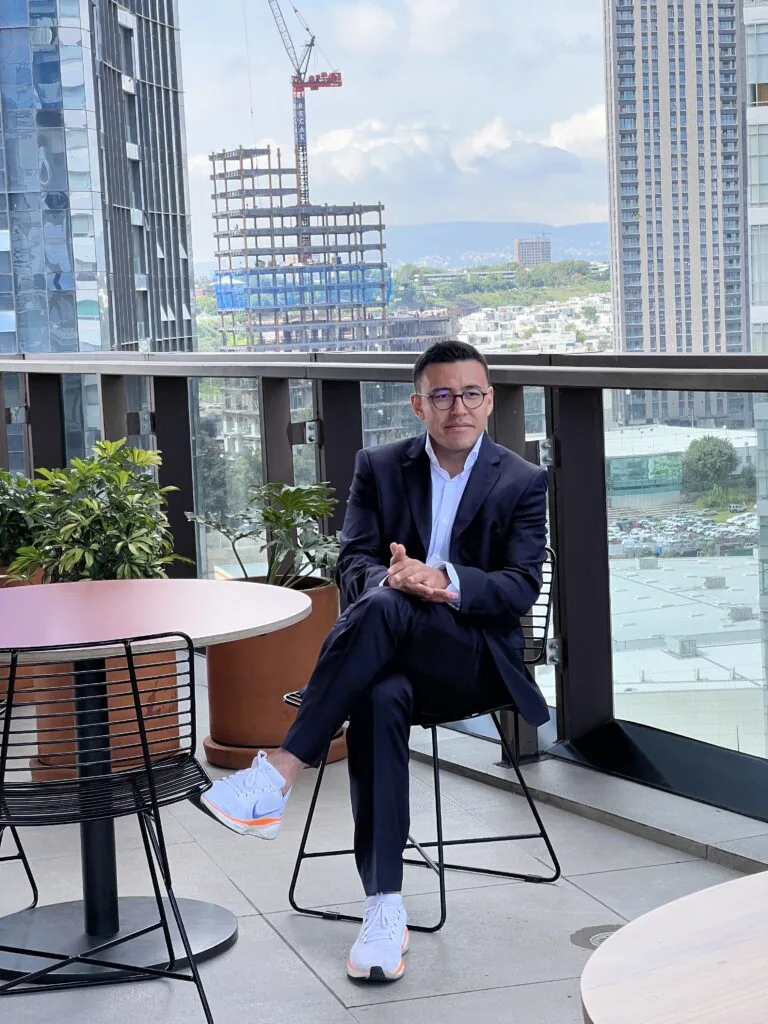
In fact, the decision turned out to be quite prosaic. In recent years, I did not manage Central Asia — this direction was managed by Vitaly Kotelnikov, who has been with us for a long time and successfully developed the business independently. When we closed new markets, the need for my operational involvement disappeared. Therefore, we decided to promote Vitaly, and I, in turn, can step out of operational management and do something new.
Nevertheless, I remain a shareholder. We are forming an official board of directors, which I will lead. In fact, this will be some kind of a board of shareholders and investors, before whom top management will report.
Plans
1Fit is a B2C startup, and I am well versed in everything related to B2C. Therefore, I will most likely be comfortable working with B2C startups.
What attracts me most is working with founders. In the past, I had experience consulting top management in large companies. This was useful experience, but I realized that working with management is more difficult: such teams are rarely willing to change, do not like being pointed out their mistakes or being told to do things differently.
I spent seven years working on 1Fit, and by the end of the year, I want to simply consult, communicate with people, and then make a more serious decision about my future.
Consulting founders is a kind of rest for me. It is difficult for me to do nothing, and I thought it would be great to talk to different people during this time, look at different business models — and perhaps this will guide me further. Most likely, sooner or later, I will want to do something new again.
Kazakh startups often lack the courage to go beyond the country and launch in new markets. For example, this year Uzbekistan surpassed Kazakhstan in terms of inflation — this is a direct signal of economic growth and purchasing power for 1Fit.
What a good leader should be like
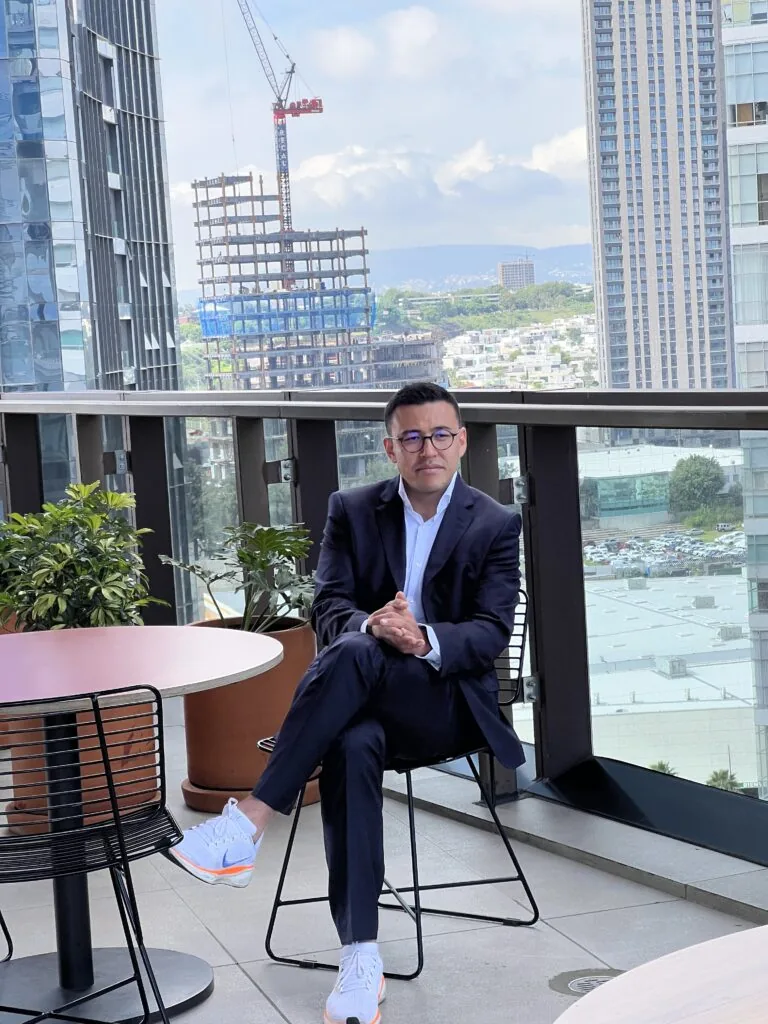
Much depends on what direction the particular leader manages. Working in product and working in sales are completely different tasks requiring different approaches and skills.
Nevertheless, there are general principles that we tried to adhere to always. One of the key ones is making decisions based on data. For us, this was fundamental: we calculated everything, and instead of relying on opinions, we tried to rely on numbers. This, perhaps, is what united all the leaders.
But at the same time, it is important to understand: leaders of different directions should be different. An HR manager is one type of personality and approach, while a sales department head is completely different. Nevertheless, if they all equally mastered data and relied on analytics, working would be much easier.
The Tech on Telegram Follow The Tech on Telegram
Keep up with the latest technology and startup news.
Related reading







More from this author

News
zypl.ai begins operations in Japan and focuses on next-generation risk models
Mansur Ismagulov

News
Elon Musk's net worth has exceeded $700 billion for the first time
Mansur Ismagulov

Article Interviews
"Central Asian countries should build a joint ecosystem," — Bekhzod Ismoilov on the development of AI in the region
Mansur Ismagulov

Article Interviews
Bloom's Taxonomy and Engineering Levels: A Practical Growth Model
Mansur Ismagulov

Article Useful
How the IT industry in Azerbaijan developed in 2025: key events
Mansur Ismagulov

News
Tajikistan has become a new member of the regional innovation alliance Central Asian Innovation Hubs.
Mansur Ismagulov