"I would like us to be seen as pioneers," — Anvar Bakiyev on the future of the IT sector and Choco
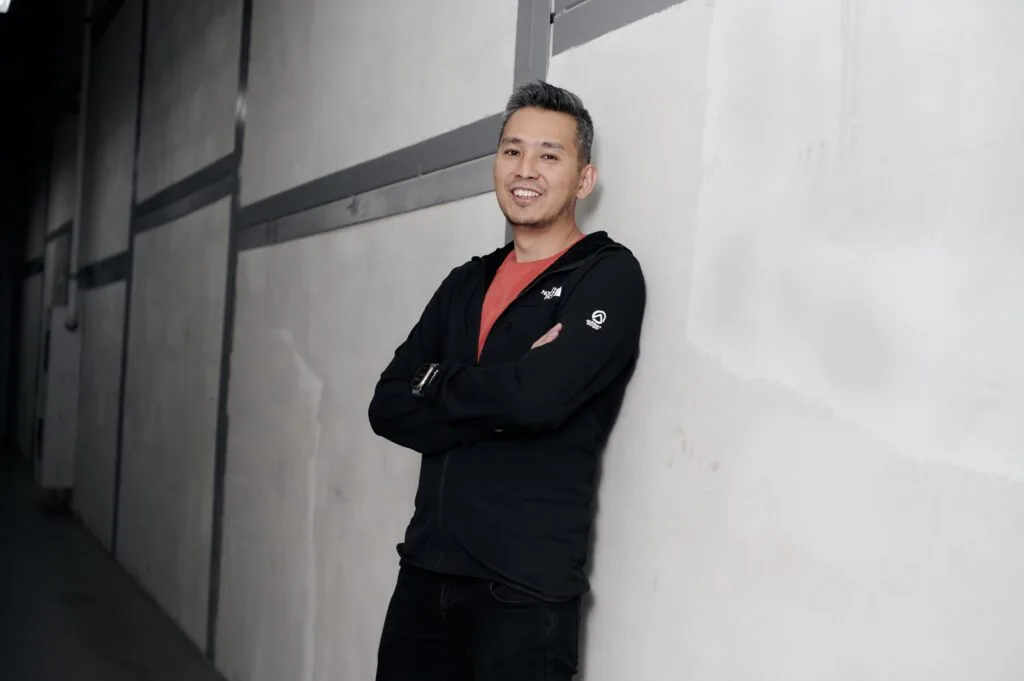
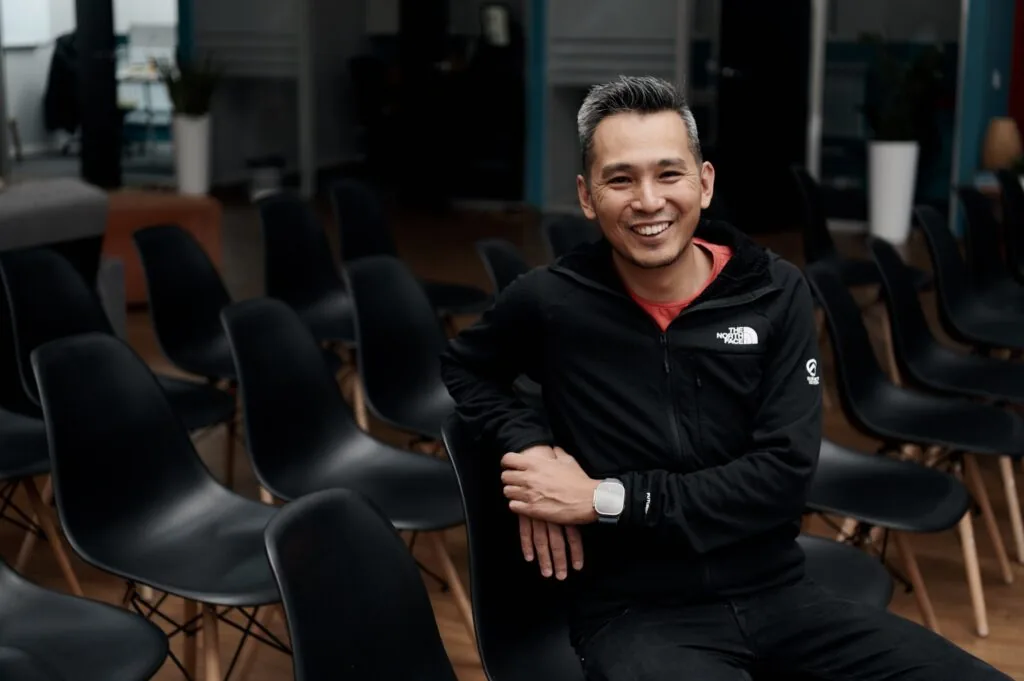
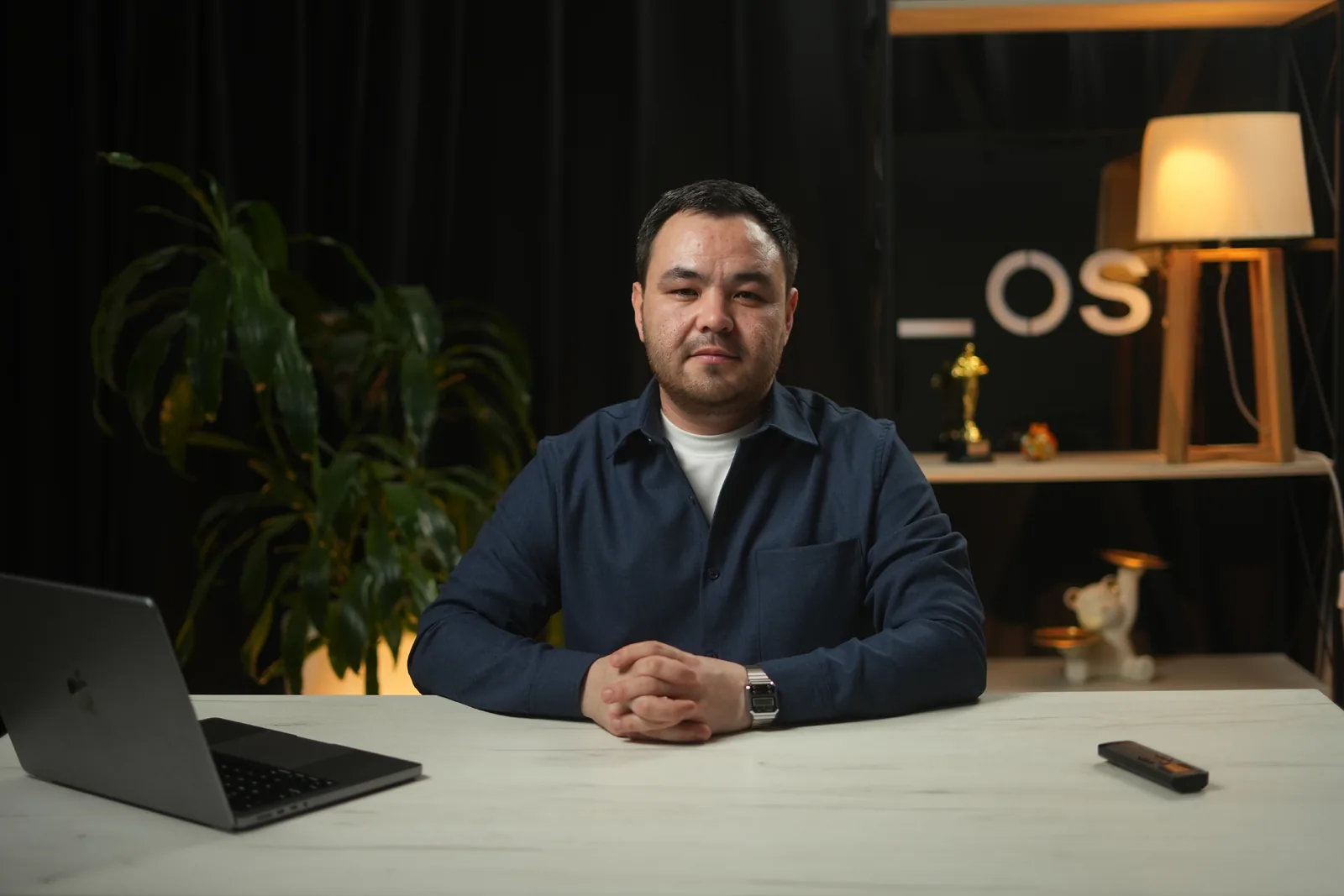
We are starting to summarize results and discuss plans with IT leaders from Central Asia. We spoke with Anvar Bakiyev, an entrepreneur and co-founder of the Choco holding company, author of weproject.media in the "Business" section. Anvar shared insights on changes in the global economy, the decisions they led to, new opportunities, AI, and his readiness to support tech entrepreneurs.
Author - Mansur Ismagulov

The Tech AI
Get the key points in seconds - a short summary from The Tech AI.
Anvar Bakiyev, co-founder of Choco (Almaty), notes that the pandemic, the events of January 2022, and the conflict in Ukraine have changed business prospects. The rise in US Federal Reserve interest rates made loans cheaper, making venture funding more cautious; now, projects need to demonstrate Product Market Fit to secure funding. In the IT sector, there is expected to be growth in AI startups and the closure of niches by major players, while in Kazakhstan, technology adoption lags due to management inertia. The company focuses on the consumer sector (ChocoFood, iDoctor) and is considering expansion into Latin America, the Middle East, and Southeast Asia.
Anvar Bakiyev, city — Almaty, co-founder of Choco, @anvarbakiyev
On global changes and trends
Recent global events — the pandemic, the January events in Kazakhstan, and the conflict between Russia and Ukraine — have significantly changed our perspective on business and its prospects. For example, we were preparing for a major deal to sell the holding, but it fell through, which drastically altered our plans.
At the same time, changes were occurring in the global economy. Central banks, especially in the US, began raising interest rates, making credit more expensive. This, in turn, changed the approach to business financing, especially in the IT sector. Previously, venture capital was actively invested in startups, multiples were high, and funds were readily available. Companies could experiment, maintain large teams, and not worry about immediate profitability. Now, everything is different.
We realized that catastrophes are inevitable and cannot be fully prepared for. The first lesson we learned is accepting unpredictability. If you fall, it is important to know how to get back up. The second lesson is the need to be flexible. People who have lived in stability for a long time become rigid and find it difficult to adapt to changes. After the pandemic, we reviewed many directions, closed some projects, or transferred them to shareholders. We incurred losses in some areas but decided not to compensate for them, considering this a healthier solution.
Changes in interest rates will have significant consequences for the entire IT industry and the venture sector. There will be less money, and it will be lent with greater caution. Loans are now issued only for projects that have Product Market Fit and traction. It is difficult to raise funds for an idea alone, even in areas like AI.
The second consequence is difficulties for venture investors. Before 2019, they received a stable return of 15-30% on invested funds, but now they earn less. These are bad years for the venture market.
Significant changes are also occurring in the technology sector. Large companies such as Google, OpenAI, or local players like Kaspi and Yandex are creating infrastructures on which other services can develop. However, these same companies quickly close promising niches, making them inaccessible to startups.
On the other hand, the rapid development of artificial intelligence opens up new opportunities. There are nuances here:
1. There will be many AI startups because the technology is accessible and teams can quickly create MVPs. The market will become a real "meat grinder," where even investors will not know where to invest.
2. Local companies will be able to occupy niches freed up by sanctions. This applies to a wide variety of industries, from restaurant management systems to cash register equipment.
But there is a risk here: technologies become obsolete quickly, and startups built on one approach may be displaced by more modern solutions.
On new challenges
The world continues to adopt new technologies — the same artificial intelligence or blockchain. But their impact on labor productivity is still difficult to assess. Yes, cryptocurrencies and various startups have been created based on blockchain, but no significant breakthrough has occurred yet. These technologies have not yet demonstrated their true functionality; there are no fundamental projects that would significantly change people's lives or substantially increase productivity.
Technologies must radically improve labor productivity. Once upon a time, Microsoft Office or email made the work of office employees significantly more efficient. Blockchain and artificial intelligence have not yet reached such a level. This is the key challenge — to find ways to implement technologies that noticeably improve everyday life.
For most people, technologies like AI have not yet become a necessity. For example, in the scientific field, they can accelerate research, but for ordinary employees or workers, there is currently no tangible impact. To achieve this, it is necessary to develop solutions that will help people work less and achieve greater results.
On the role of new technologies
We are confident that AI will change business processes in the future. For example, it already helps in inventory management, warehouses, conducting inventories, as well as in advertising systems.
We are also conducting experiments in our company. Perhaps some of our projects will become fully AI-driven. For instance, in iDoctor, we developed an AI-based chatbot that helps with primary diagnosis. It does not provide an exact diagnosis, but it can suggest possible diseases based on symptoms and recommend a doctor. We received good traffic, especially in the Kazakh language; people often seek help from us that they cannot find in other services.
In Kazakhstan, 99% — or maybe even 100% — of companies lag behind the global process of implementing new technologies. This is due to management inertia and the lack of developed niches, as in the West, where there are small companies with specialized solutions. Our market is small, and it is often cheaper to hire employees than to develop technologies for processes. In addition, employees are overloaded with current tasks and simply do not have time for experiments. If some resources were allocated to testing and implementing innovations, the results would be completely different.
On the impact of global trends on company strategy
The influence of the world economy on our company is not as strong because we operate in consumer business related to end customers. Our key projects are ChocoFood, Smart Restaurant, Chocolife, and iDoctor, which cover areas such as food delivery, restaurants, and medical services. These industries, despite economic challenges, have great growth potential, especially considering that internet penetration in these sectors in our region is still low. For example, food delivery covers only 3-5% of the population, and grocery delivery even less. Forecasts for the next 10 years show that this market will continue to grow, and internet services will penetrate deeper into everyday life.
At the same time, such projects require significant investments. They are all capital-intensive, and attracting financing is becoming more difficult. Attracting investment is becoming an increasingly complex task because competition for capital is intensifying, and the cost of money is rising. This affects our company, and we are already feeling the impact of these factors. We notice that sometimes we lack funds to scale the business, and we also face difficulties in ensuring high service quality. We are working on solutions: in some niches, we are considering selling projects, while in others, we are focusing on narrow directions.
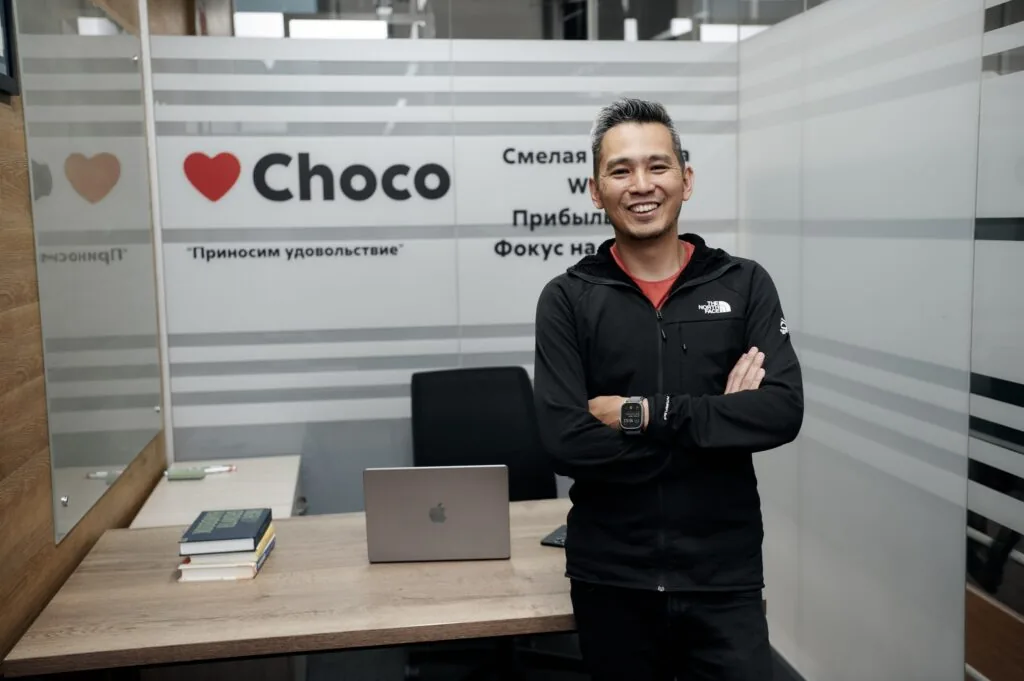
We do not currently plan to move into new segments, but we are geographically ready to expand. At the moment, we are negotiating with a major partner within the deal with "Ryadom," and we may expand to other countries. We are considering the possibility of expansion in regions such as Latin America, the Middle East, and Southeast Asia, especially in the area of grocery delivery. Also, our Smart Restaurants project has the potential to go to other countries. At the moment, we are actively conducting market research and studying opportunities for further growth and development.
On corporate culture and working with employees
In the coming years, approaches to organizational culture and human resources management will not undergo fundamental changes. The main focus will still be on the professional development of employees: training, career growth, and skill development.
An important trend will be working with Zoomers. These are employees with clear boundaries, high ambitions, and a focus on quick results. They are not willing to build a career in one company for years and can easily change employers if the organization's culture does not meet their expectations. These people value personal comfort and flexibility, quickly master new professions, and are ready for change.
Companies must adapt to these features. This is not about radically changing management principles, but it is important to create a culture suitable for the new generation. For example, a company should not promote young employees to key positions too quickly, because managing complex business processes requires not only ambition but also professional experience.
Key trends — innovation, work-life balance, modern offices, agile, and horizontal management — are already set in corporate culture, but they are not fully implemented everywhere. There are thousands of companies in the country, and many are just beginning to adapt these approaches. We still have a long way to go.
In our holding, core values are already formed and remain unchanged. Among them: respect for employees, attention to their development, and support for initiatives. We always give people the opportunity to experiment, we grow from within, and many employees get the chance to manage projects or divisions. An open culture is also important to us: everyone can express their opinion and suggest changes, regardless of their position level.
Another key value for us is profitability. In the past, we focused on scaling, often ignoring profitability. Today, the emphasis has shifted to efficiency: we strive to avoid unprofitable projects, paying attention only to those that bring real value to the company.
We also maintain a focus on main tasks. During periods of economic growth, there were many experiments; however, now it is important to concentrate on priorities, avoiding unnecessary dispersion of resources.
Finally, one of our fundamental values is the "wow effect." We strive to exceed customer expectations by creating a service that inspires admiration. This is expressed in the fast and quality resolution of any issues, whether it is returning goods or communicating with customer support.
On future employees
I will not highlight any specific skills, as every person has their own strengths. For example, good negotiation skills are important, but that does not mean everyone should become an excellent negotiator. Any well-honed skill will be valuable. It is important to be at a high level in your field. For this, there are many educational materials, courses, and mentors.
To become a good specialist, one must go against the trend of clip thinking, where everything is done quickly without in-depth study. It is important to develop perseverance and devote time to both work and study.
Modern culture often encourages focusing only on what you like and are good at. For example, if you are good at negotiations, do only negotiations. But it is important to develop weak sides as well — this can lead to interesting results. For example, it is useful for humanities graduates to study finance, and for introverts to develop communication skills. This helps overcome difficulties and opens up new horizons. It is also important to be tactful and know how to build good relationships, because today no one will tolerate boundary violations and abuse at work.
Our company builds its employee recruitment strategy based on corporate culture. We understand that different values are important to different people, so it is important to determine what values we have and look for people who fit our culture. This is a very important point because if we try to attract people who are looking for something else, they will not stay with us for long.
Also, in our company, promotion is fast: we give people the opportunity to develop without limits. If a person shows results, they can expect a raise or support, regardless of how much time has passed since they were hired. Everything strictly depends on their success and contribution. We support open relationships within the team, where everyone can address any partner or director with any question. This atmosphere contributes to rapid development and attracts strong specialists. Therefore, it is comfortable to work here, and few people leave.
What the leader of the future should be like
Leadership qualities will not change over time. This should be a flexible and brave person, capable of falling and getting up, trying new things. An important quality is the ability to form strong teams, to be an integrator to whom talented personalities are drawn, including partners, consultants, investors, and mentors. The environment plays a key role. Also important is the talent for attracting financing and the ability to sell your product. After all, investment is also about selling: the ability to present, find supporters, and learn from rejections.
In our company, we actively support the training and development of our managers. Recently, we had large trainings on Kaizen, sales, and negotiations. We provide employees with the opportunity to learn during working hours if necessary. We allocate additional vacation days for exam preparation or training. Training is part of our corporate culture, and we always support initiatives to improve professional skills.
On managing teams
I do not believe in the great prospects of remote and hybrid work. This will be more of an exception for some companies or individual employees and departments.
I think that in the future, remote work will be associated with a high degree of automation. All processes must be effectively organized using technologies such as artificial intelligence, which will minimize the need for frequent meetings and reduce the number of contacts between employees and managers.

What the company will be like in 10 years
We were the first in Kazakhstan in several areas. For example, we launched a coupon service in 2011, when the internet was just beginning to develop. We became one of the first services for food delivery from restaurants in the country. We were the first in the field of airline ticket sales — we launched simultaneously with Aviata, and then made a merger deal with them. Among the first, we launched 15-minute grocery delivery and implemented Smart Restaurant — a restaurant management system via an app.
We have always been involved in capital-intensive projects requiring significant investments. I assume that this strategy will continue in the future, but perhaps in a different format. In 10 years, I see us as an organization that helps startups develop, supports them in incubators, looks for new segments, forms successful teams, helps with attracting investments and in merger and acquisition deals. We could become more of an investment company than an operating one. This is a desirable prospect for me, but not necessarily how everything will happen.
On the role of the company in the future
We have always focused on consumer markets, helping people solve routine tasks. We like this direction because we see how people save time and receive quality products. We strive to make life easier by helping people make everyday tasks simpler, cheaper, and more convenient.
Our role in the IT industry is to help technological entrepreneurs. We have extensive experience, a broad network, and expertise in various industries. If we find motivated people with vision and good management skills, we will be ready to create teams and partnerships with them to develop the IT industry in Kazakhstan.
The country has huge potential for automation and the implementation of IT solutions. Over time, many local initiatives appear, and there are more talented young people.
I would like us to be perceived as pioneers. Yes, we have competitors who are catching up, but we were the first to enter the market with new solutions — whether it is food delivery, tickets, or other innovations. We are not afraid to experiment, overcome crises, and always remain in the market despite difficulties. We are proud that we represent Kazakhstan, and we hope that we will be perceived as brave entrepreneurs who managed to build something significant in competitive markets without large foreign investments.
The Tech on Telegram Follow The Tech on Telegram
Keep up with the latest technology and startup news.
Related reading



More from this author
News
zypl.ai begins operations in Japan and focuses on next-generation risk models
Mansur Ismagulov

News
Elon Musk's net worth has exceeded $700 billion for the first time
Mansur Ismagulov
Article Interviews
"Central Asian countries should build a joint ecosystem," — Bekhzod Ismoilov on the development of AI in the region
Mansur Ismagulov
Article Interviews
Bloom's Taxonomy and Engineering Levels: A Practical Growth Model
Mansur Ismagulov

Article Useful
How the IT industry in Azerbaijan developed in 2025: key events
Mansur Ismagulov
News
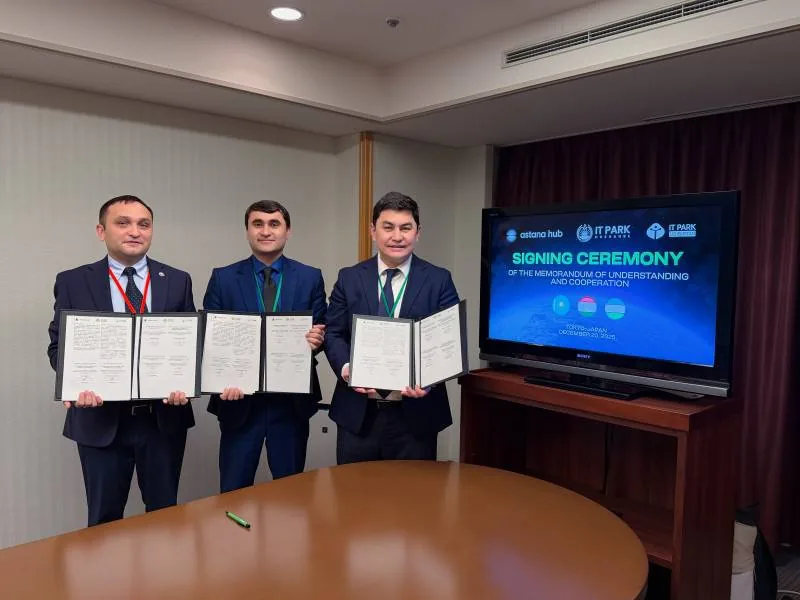
Tajikistan has become a new member of the regional innovation alliance Central Asian Innovation Hubs
Mansur Ismagulov