How to get a job at IKEA: Kaisar Akhmet's experience
Find out how to join one of the world's largest companies — IKEA. Kaisar Akhmet shared his work experience, talked about the hiring process, and provided valuable advice.
Author - Mansur Ismagulov
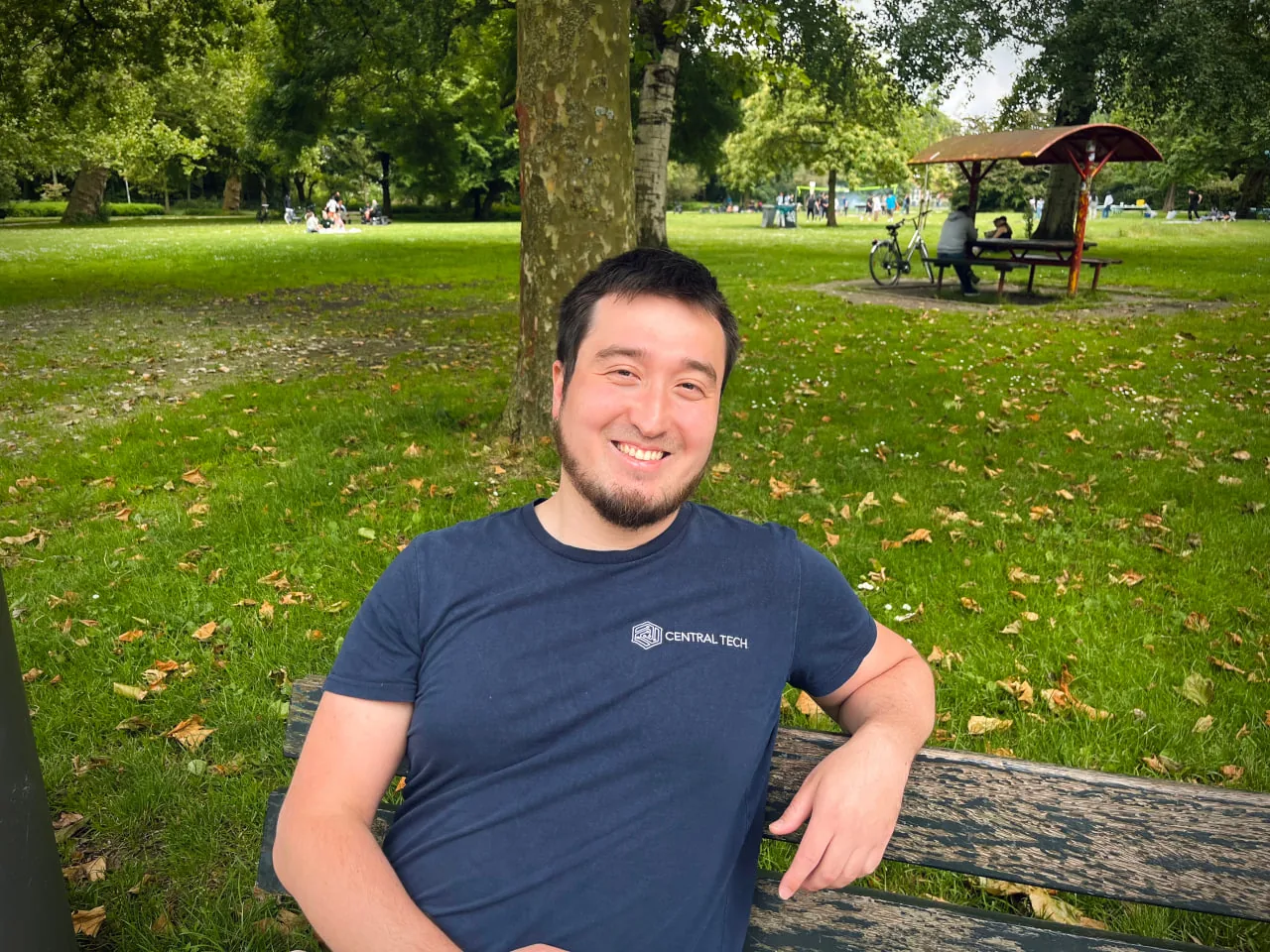
The Tech AI
Get the key points in seconds - a short summary from The Tech AI.
Kaysar Akhmet, a senior software engineer from Purmerend, has been working at IKEA Amsterdam for over two years on the order processing system. His responsibilities include developing with Kotlin and the Spring Framework on Google Cloud and mentoring colleagues. His family moved to the Netherlands in 2019; his wife works at Booking.com.
Kaisar Akhmet, city — Purmerend, senior software engineer, Instagram
About me
I have been working at IKEA in Amsterdam as a senior software engineer for over two years. I develop the company's central order processing system, which unifies all sales channels. Over 11 years in the tech industry, I have had the opportunity to work in startups, universities, as well as in large Kazakhstani and international companies such as Kcell, Veon, Nike, and others.
I live and work in the Netherlands. My family and I moved here for work in 2019. My wife is a data scientist working at BigTech in Booking.com, and our son attends a Dutch school and plays for a local football club.
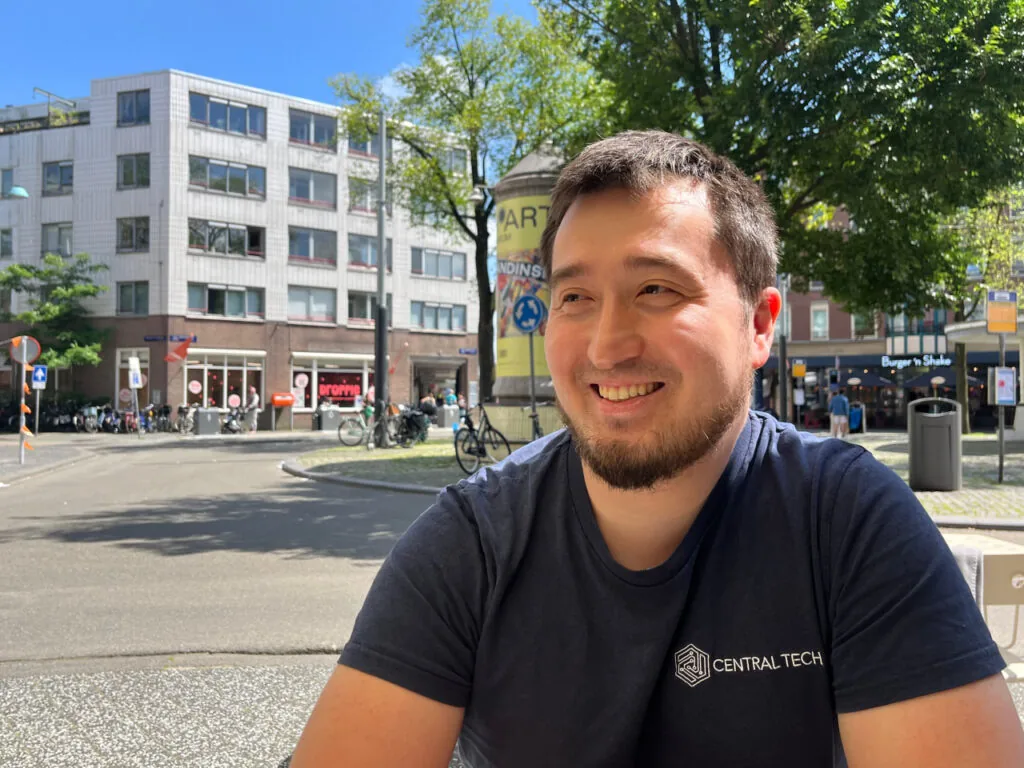
How to get into IKEA
I saw the job opening on LinkedIn. The process took about a month and included four interview stages:
- Call with the recruiter
The recruiter asked about my motivation and why I wanted to work at the company. He also told me about the project and explained why I was chosen among the candidates — I had experience working with relevant frameworks. - Interview with the hiring manager
Next, I had an interview with my future manager. I asked many questions about the project and the system architecture I would be working on. He explained everything in detail and openly discussed the work and expectations from the candidate. - Technical interview
The next stage was a one-hour technical interview with a senior software engineer. He asked about my previous projects, architectural decisions, and wanted to understand what solutions I implemented during my work. - Interview with the senior manager
This stage focused on leadership qualities. For many candidates, it turns out to be the most difficult. However, thanks to my experience at Nike, where I led a team, I managed to pass it without any problems.
For those who want to join an international company, I would advise finding a mentor who can help prepare a strong resume and create a step-by-step plan to achieve your goals. I also recommend applying through the referral system — with the help of friends and acquaintances.
As for tips, it is important to treat the interviewer as a colleague, even if he is an engineer from Apple or another FAANG company.

Work specifics
I develop the central order processing system that unifies all sales channels. My responsibilities include writing code, system design, conducting knowledge-sharing sessions, and mentoring colleagues.
We work in quarters, and the team has different goals in each one. I led the process of integrating our system with the POS terminal, which required active interaction with customers and cross-functional teams, as well as working out the architecture. This quarter, we are focused on cost optimization in the department: I am working on efficient use of cloud resources and data storage optimization.
We use the Kotlin programming language with the Spring Framework. Our microservices are deployed in Google Cloud, Kubernetes, and managed via Terraform.
The main challenge in my role is to be language-agnostic and a generalist, constantly learning new technologies. Not to get stuck on one language or framework, but to find the most optimal solution. Sometimes the best solution requires learning a new language, which I have done in every project. To successfully perform my duties, it is important to be well-rounded, show initiative, and be able to motivate the team.
The company provides extensive opportunities for professional development. Employees have access to educational platforms such as Coursera and Pluralsight. In addition, the company supports participation in industry conferences where you can exchange experiences with colleagues from the industry and learn about the latest trends in technology.
Working in an international team requires adapting to the cultural specifics of colleagues. Differences in mentality, communication styles, and work habits sometimes create difficulties in interaction.
European companies pay great attention to work-life balance. Companies do not evaluate employees based on the number of hours worked, but focus on results. They also monitor workload to avoid professional burnout.
One of the most memorable moments related to working at the company was receiving an offer from my dream company. Overall, I view work as work and try not to mix it with my personal life. It is important for me to enjoy the moment: for example, to drink a cup of coffee with my wife and warm up in the sun, which is so lacking in the Netherlands.
For success in this field, it is important to continuously learn. Technologies are developing rapidly, and programming is not just a profession, but a lifestyle that requires constant development and adaptation.
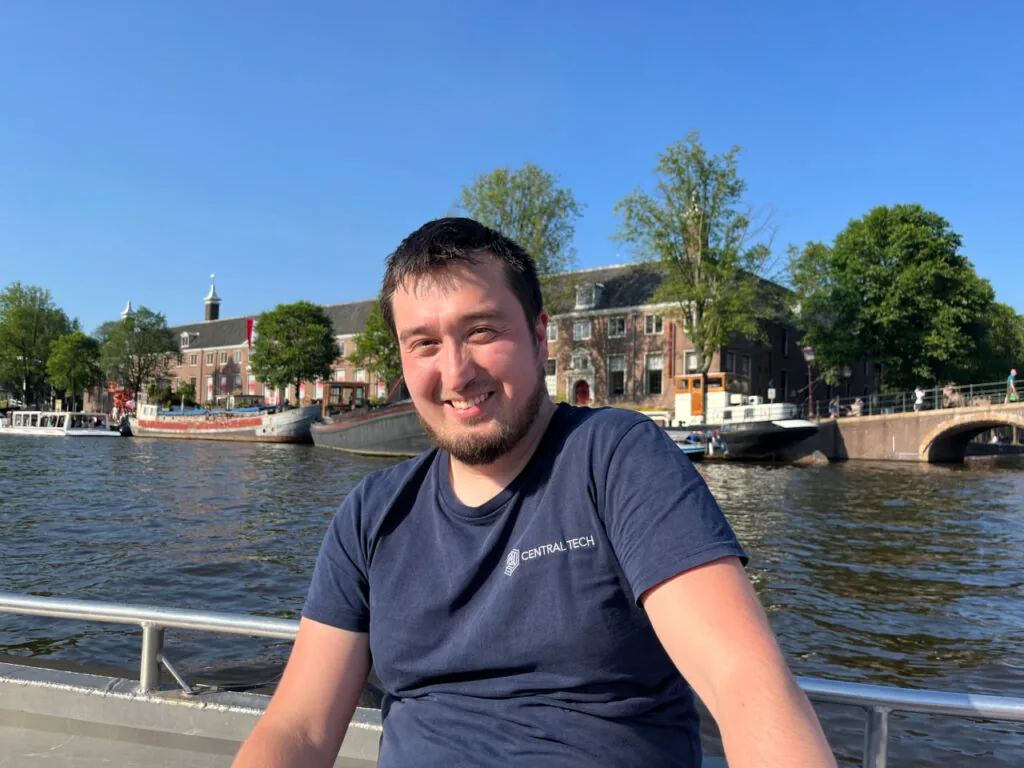
About life abroad
I was interviewing while still in Kazakhstan. After receiving an offer from a Dutch startup and a visa, I flew to Amsterdam. At first, I lived in a hotel and looked for housing on the spot. It turned out to be more difficult than finding a job. My family flew to me later, after I found housing and passed the probation period. Then my wife also started looking for a job and received an offer from Booking.com three months later. It is impossible to move to Europe without a work visa.
My first company, which I joined, was a startup. They provided a small relocation package, but apart from that, I did not receive active help with adaptation. My wife and I managed on our own; it was like one big quest.
In the Netherlands, companies trust employees more and give them freedom. Here you can start working earlier, for example, at 8:00 AM, and finish earlier. Overtime work after 6:00 PM is not encouraged and is considered bad form.
My main lessons when moving abroad: leaving means starting everything from scratch. The first year or several years can be financially costly and emotionally difficult. It is also important to understand exactly why you are moving and what you want to achieve. In addition, you should consider that it is difficult to get rich in Europe due to high tax burdens.
The Tech on Telegram Follow The Tech on Telegram
Keep up with the latest technology and startup news.
Related reading







More from this author

News
zypl.ai begins operations in Japan and focuses on next-generation risk models
Mansur Ismagulov

News
Elon Musk's net worth has exceeded $700 billion for the first time
Mansur Ismagulov

Article Interviews
"Central Asian countries should build a joint ecosystem," — Bekhzod Ismoilov on the development of AI in the region
Mansur Ismagulov

Article Interviews
Bloom's Taxonomy and Engineering Levels: A Practical Growth Model
Mansur Ismagulov

Article Useful
How the IT industry in Azerbaijan developed in 2025: key events
Mansur Ismagulov

News
Tajikistan has become a new member of the regional innovation alliance Central Asian Innovation Hubs
Mansur Ismagulov