How does Startup Garage work and why is it more than just investments
How does Startup Garage differ from traditional funds and accelerators, and why does its approach increase startups' chances of success? In our article, the founder detailed the key advantages of the venture studio model.
Author - Mansur Ismagulov
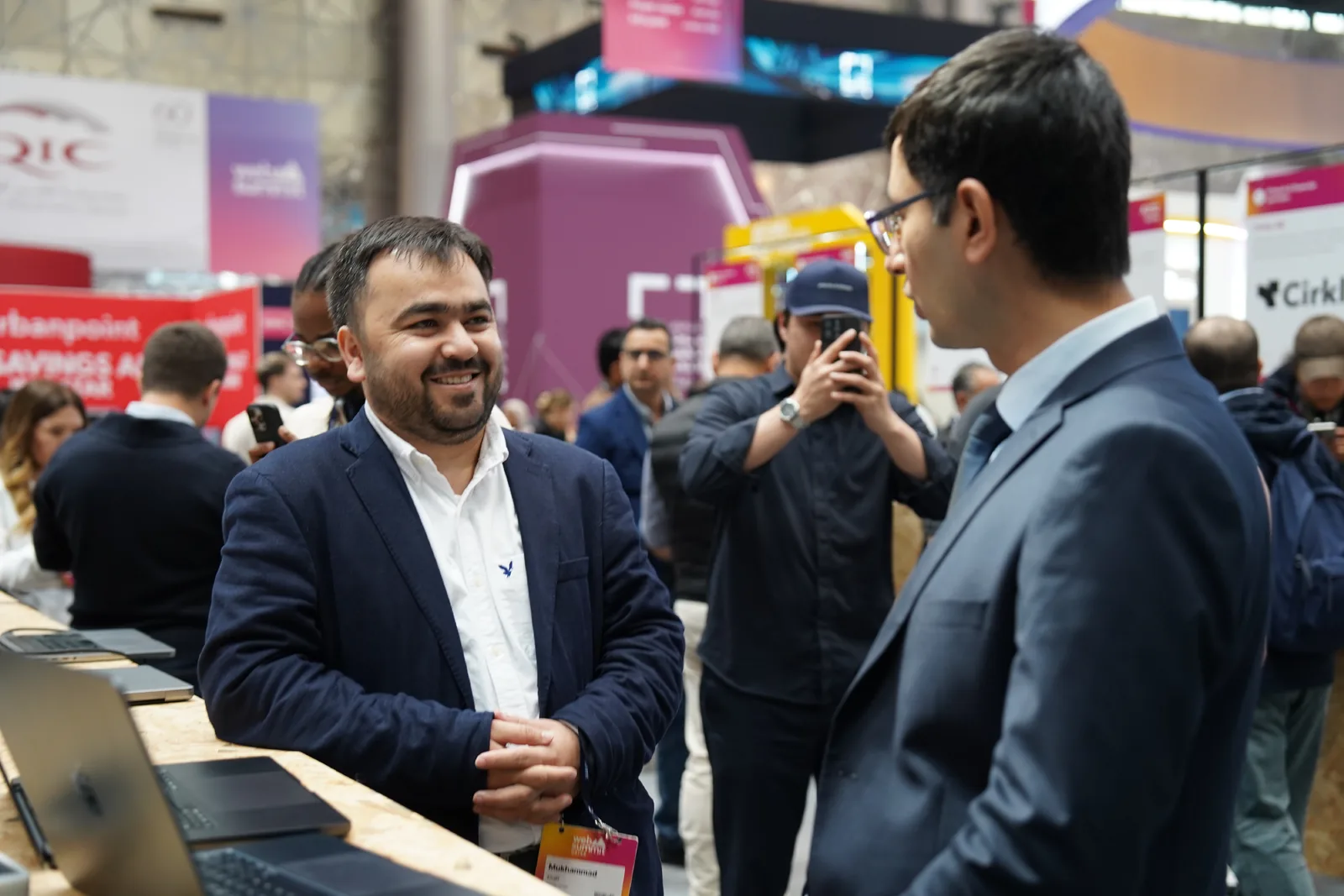
The Tech AI
Get the key points in seconds - a short summary from The Tech AI.
Muhammad Khalil from Tashkent founded a venture studio that helps founders in Central Asia and MENA (Qatar, UAE, Saudi Arabia). The company has invested from $5,000 to $100,000+ at various stages and supported over 150 startups, 10 of which have attracted external investments. Plans include launching up to 100 projects per year and expanding presence in the specified regions.
Muhammad Khalil, city — Tashkent, founder
About me
I have always loved creating not only products but also ecosystems. Starting as a developer and entrepreneur, I launched projects in online education, SaaS, and the startup ecosystem, including Mohirdev and Startup Garage. Over time, I realized that early-stage founders, especially in Central Asia, are hindered not by a lack of ideas, but by a shortage of support, connections, and capital.
This led me to the venture studio model—a platform where we do not just invest, but develop startups together with founders. This approach combines launching, mentoring, and funding, as well as active work with teams, sharing experience and resources.
For me, this is the best way to support innovation where the ecosystem is just forming. Our goal is to connect strong local teams with global practices and help them reach a global level.
A venture studio is not just an investor, but a full-fledged co-author of the startup. We do not limit ourselves to money or mentoring, as funds and accelerators do, but participate in the entire process—from idea to market launch. Often, we form ideas ourselves or refine them with founders, involving a team of developers, designers, marketers, and lawyers.
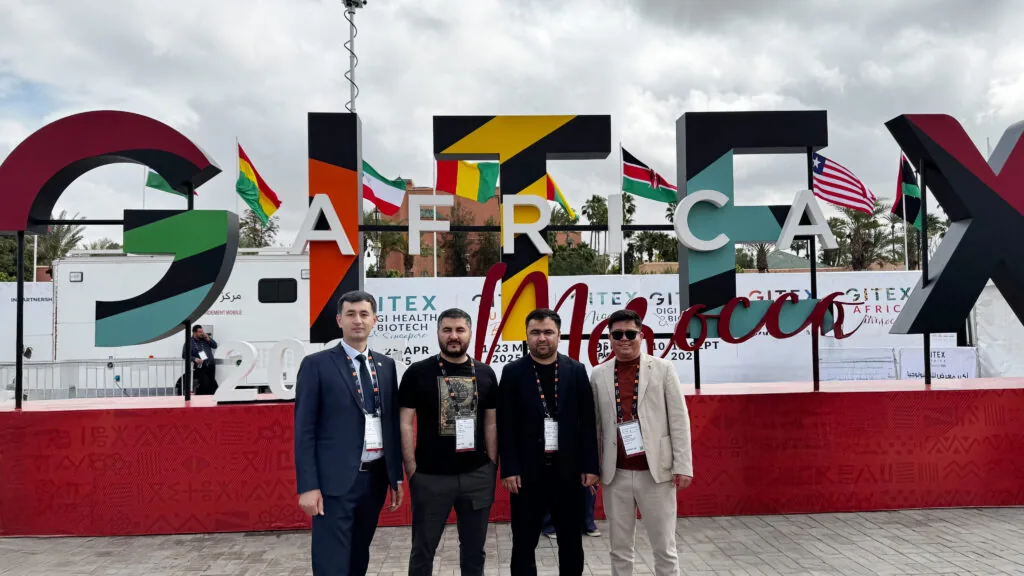
Our model reduces risks and accelerates launch. The studio originated in Uzbekistan, where we saw strong but unrealized potential. To date, we also operate in the MENA region—Qatar, UAE, Saudi Arabia, and North Africa.
In Uzbekistan and Central Asia, we focus on basic entrepreneurial education, community building, and practical support. Here, we help founders take their first steps: test an idea, build a business model, find initial customers, and connect with angel investors.
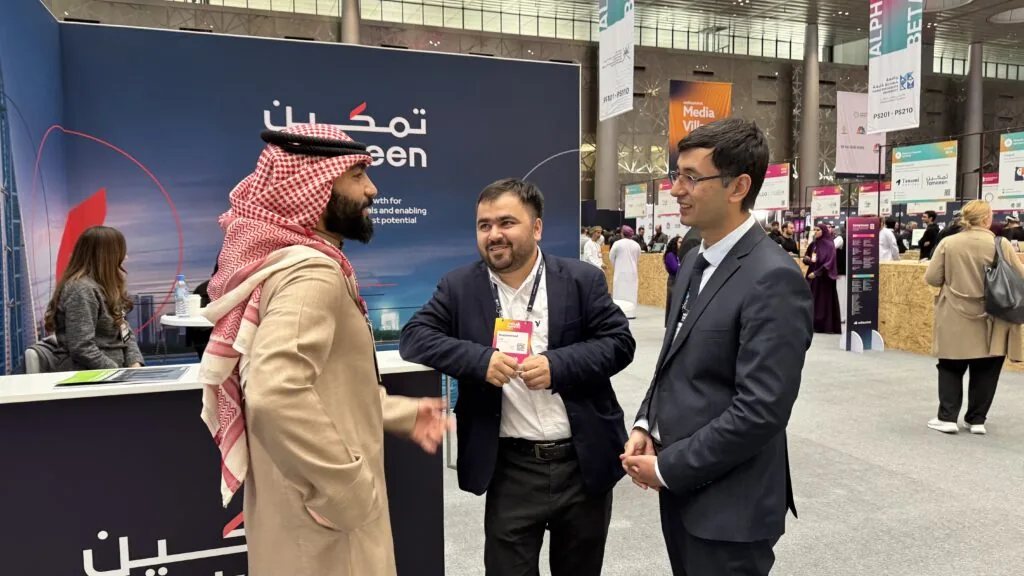
The situation in the MENA region is different: capital and large markets already exist, but there is often a lack of skills in creating scalable, internationally competitive products. We focus on market entry strategy, solution localization, and attracting investors for cross-border growth.
How ideas for launching startups are selected
In our venture studio, we adhere to a structured and problem-oriented approach. Instead of chasing hype, we look for real and acute problems, especially in developing markets where gaps in ecosystems are still large and underestimated.
1. Problem identification. We deeply research local markets: communicating with entrepreneurs, experts, and users. From these insights, ideas are born—either within the studio or through collaboration.
2. Rapid viability testing. Before spending resources, we launch MVPs, landing pages, surveys, and pre-sales. If the market does not respond or the timing is wrong, we close the idea without regret.
3. Team selection. Even a strong idea will not take off without the right team. We work with strong founders or look for talent in our network, forming teams with the necessary expertise.
We pay special attention to sectors where we can create strategic value—B2B SaaS, AI-based automation, EdTech, FinTech, and digital tools for developing markets. For example, within the Micro SaaS Studio, we consciously focus on simple, scalable, and revenue-oriented products that solve specific business problems.
Usually, we focus on four main criteria when evaluating the prospects of an idea:
1. Acuteness and urgency of the problem—are people already looking for or paying for a solution?
2. Market size and relevance—is there growth and a “window of opportunity” for entry?
3. Early validation signals—can demand be tested quickly?
4. Team-market fit—do the founders understand the market and know how to act quickly?
Additionally, we assess the ability to monetize from day one, unit economics, and scalability.
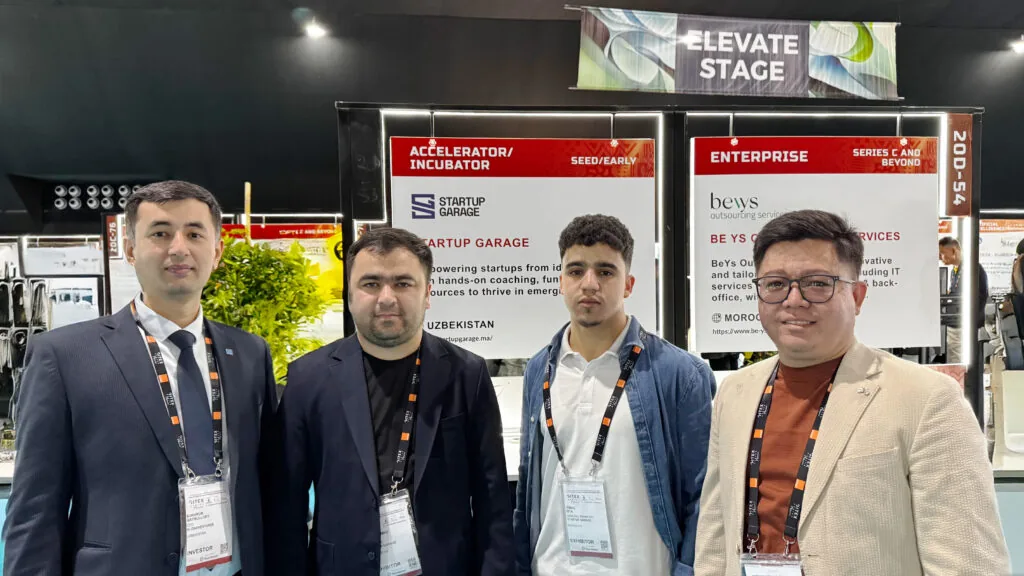
About investments
We invest in stages, increasing investments as risks decrease and the viability of the idea is confirmed, rather than issuing a large sum immediately. The budget is distributed across the following stages:
1. Idea and validation stage
Investment volume: from $5,000 to $20,000, depending on the type of project.
At this stage, we check key hypotheses: is there real demand? Are users willing to pay?
2. Early growth stage
Investment volume: $20,000 to $100,000, depending on the scale of the project and the speed of audience acquisition.
If the idea shows promising results, we allocate a larger budget for product development, customer acquisition, and market entry.
3. Scaling and spin-off stage
Investment volume: from $100,000.
At this stage, we either co-finance a seed round through SG Ventures or attract external investors.
We also reserve part of the budget for subsequent funding of the most promising projects, so they have the opportunity to scale.
Investments are only part of our work. The main value is active non-financial support. Our assistance includes:
1. Product and technology: we help with MVP development, UX/UI, technology selection, and product strategy.
2. Go-to-Market and growth: support in customer acquisition, marketing, sales, and defining ICP. We make introductions to initial customers and partners.
3. Network and partnerships: we connect with investors, corporations, and the ecosystem in Uzbekistan, Central Asia, MENA, and beyond.
4. Operational support: we help with legal issues, company structure, finances, hiring, and team development.
5. Education and community: access to mentoring, workshops, the SG Founders School program, and the founder community.
For us, the success of a venture studio is not only financial return. Although exits and portfolio value growth are important, we evaluate success in three key areas:
1. Creating companies and their sustainability. We assess the number of launched businesses, their survival rate, achievement of product-market fit, and growth potential. The goal is real revenue-generating companies, not just successful rounds.
2. Impact on founders and talent development. We measure the contribution to founder growth: how many founders we supported, how many continued to create new projects. Tools include SG Founders School and acceleration programs.
3. Contribution to the ecosystem and global reach. We track international partnerships, startups entering foreign markets, network development, and interaction with key market players.
Financial metrics are supplementary, but not primary: profitability, multiples, volume of raised investments.
Since the launch of the venture studio, we have helped create and support more than 150 startups in various fields—from B2B SaaS and AI automation to EdTech and FinTech.
Of these, 10 startups have successfully attracted external investments from angel investors, venture funds, and strategic partners. Some of these projects were created within the studio, others in collaboration with talented founders who went through programs like SG Founders School.
Some of them have already received subsequent investment rounds, are scaling their businesses, and entering international markets—especially building bridges between Central Asia and the MENA region.
Advice
My main advice is to be ready to act, learn, and take responsibility every day.
A venture studio gives a strong advantage—access to experience, capital, and proven approaches. But nothing will replace the motivation, perseverance, and leadership of the founder. The studio is your co-pilot, but you will still be the one flying the startup.
It is also important to clearly understand why you are doing this. There may be pivots and changes in ideas along the way, but a clear goal and the desire to solve a real problem will help maintain focus.
And finally—be open to feedback. Use the studio’s resources, work in partnership. Success is not about whose “startup” it is, but how well you can realize it together.
Plans
In the next two to three years, we aim to strengthen the position of our venture studio as one of the leading platforms for company creation in Central Asia, MENA, and developing markets. Our focus is on three areas:
- Mass launch of startups. We plan to launch up to 100 startups per year in the areas of Micro SaaS, AI, and digital B2B tools. We work together with founders, helping them reach product-market fit faster.
- Entry into international markets. We are expanding acceleration and Soft Landing programs, connecting Central Asia with MENA markets. We are strengthening our presence in Qatar, Saudi Arabia, and North Africa, and exploring Southeast Asia.
- Development of SG Ventures. We are attracting capital for investments in early-stage startups, so that we are not only co-founders but also long-term partners.
Our goal is not just to launch projects, but to build companies with real value, support for founders, and a contribution to ecosystem growth.
The Tech on Telegram Follow The Tech on Telegram
Keep up with the latest technology and startup news.
Related reading







More from this author

News
zypl.ai begins operations in Japan and focuses on next-generation risk models
Mansur Ismagulov

News
Elon Musk's net worth has exceeded $700 billion for the first time
Mansur Ismagulov

Article Interviews
"Central Asian countries should build a joint ecosystem," — Bekhzod Ismoilov on the development of AI in the region
Mansur Ismagulov

Article Interviews
Bloom's Taxonomy and Engineering Levels: A Practical Growth Model
Mansur Ismagulov

Article Useful
How the IT industry in Azerbaijan developed in 2025: key events
Mansur Ismagulov

News
Tajikistan has become a new member of the regional innovation alliance Central Asian Innovation Hubs
Mansur Ismagulov