How to find an investor. Olzhas Zhiyenkul on the main criteria for choosing a startup
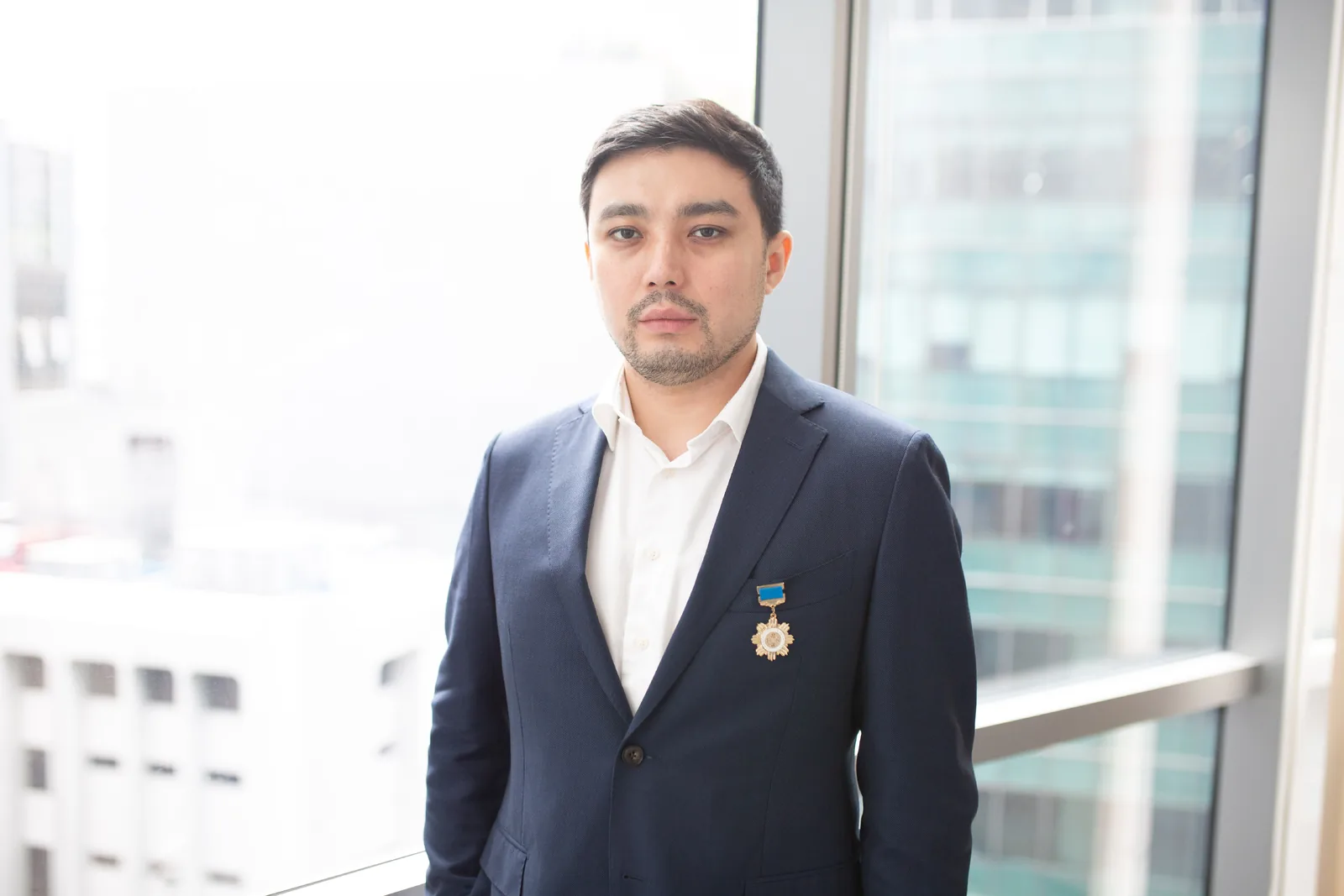
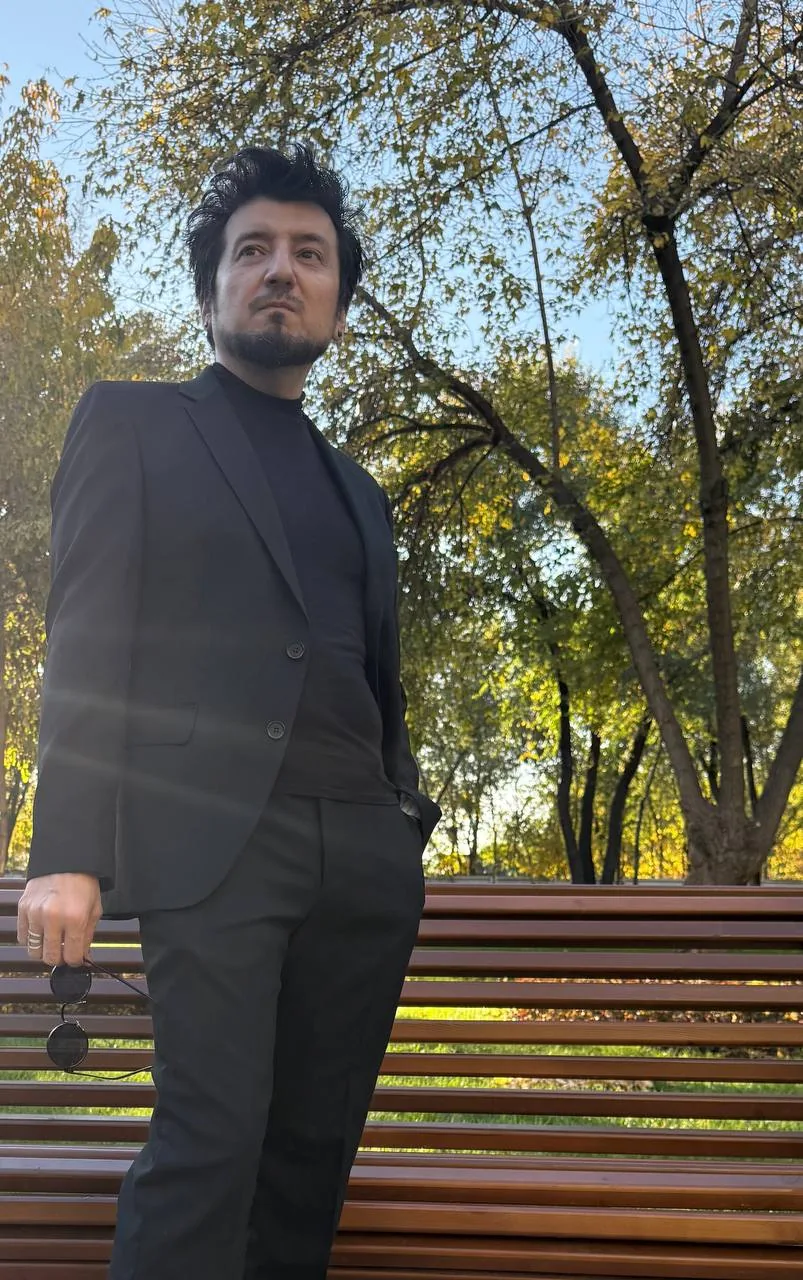
Kazakhstani investor Olzhas Zhiyenkul shared his experience and criteria for choosing a startup.
The Tech AI
Get the key points in seconds - a short summary from The Tech AI.
Olzhas Zhiyenkul, CEO of Investbanq (Singapore), is an international investor since 2015. The Copper audit confirmed his high performance: 12 investments and one Unicorn in Central Asia. As part of the Nomadiq Innovation Hub, he plans to support more than 10 projects in AI and FinTech over 12 months.
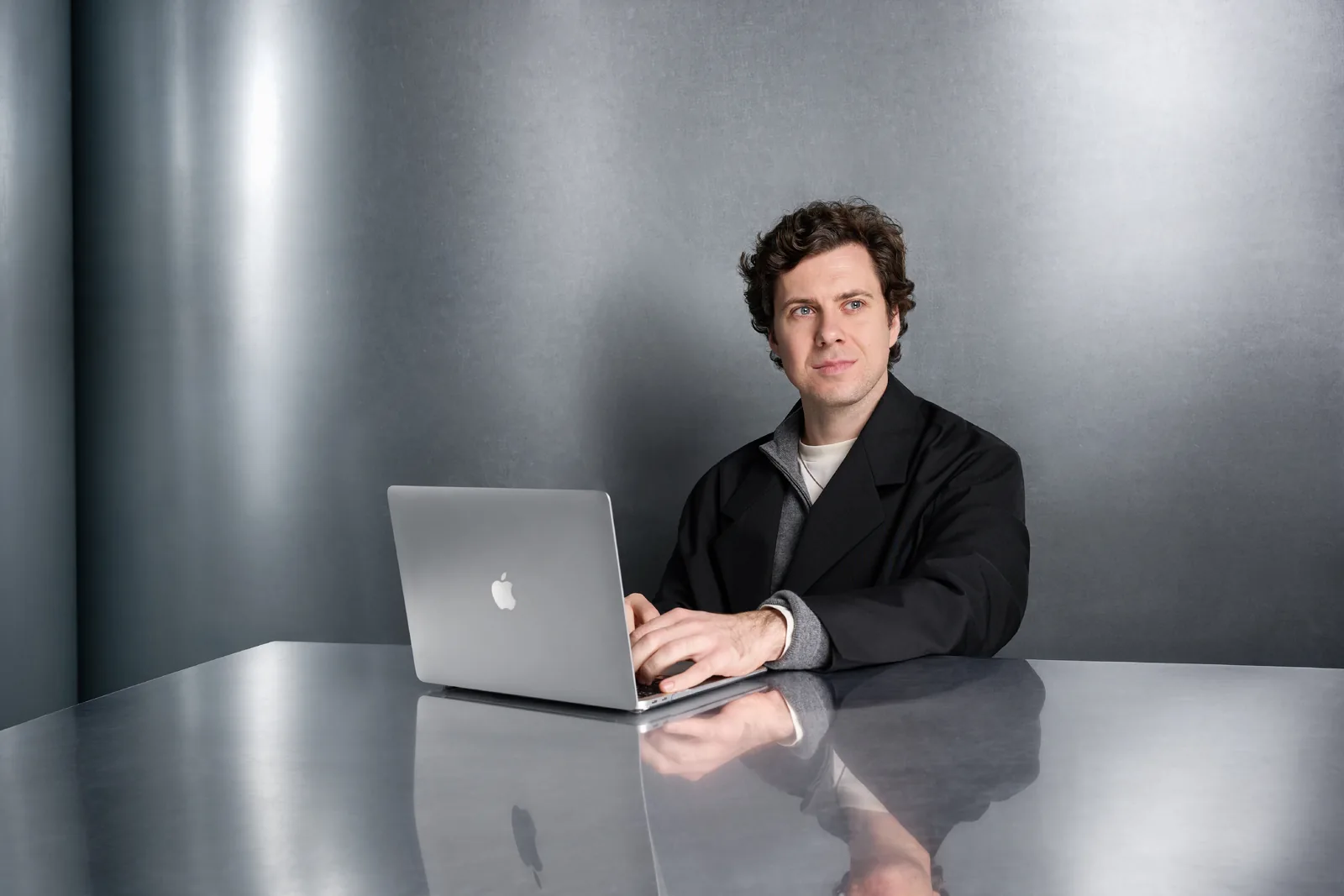
Olzhas Zhiyenkul, City — Singapore, CEO and Founder, @olzhas_tesla
About Me
I am the founder and chairman of the board of Investbanq. This is an artificial intelligence-based wealth management platform. The company is based in the Republic of Singapore, where our activities are regulated by the Monetary Authority of Singapore. We have a large office in Kazakhstan, where our engineering, artificial intelligence, and marketing specialists are located, as well as an office in Dubai.
Investbanq is one of the world leaders in investment technologies. If you are an investor, investment company, or bank, and you need solutions, technologies, and structures to effectively provide products to your clients and end consumers, then we offer exactly such solutions.
Throughout my 15 years of professional experience, I have been involved in investment in one way or another. I am a citizen of the Republic of Kazakhstan, originally from the glorious city of Zhambyl. Starting my career in Kazakhstan in the field of brokerage and consulting, I engaged in capital management — the main areas were investments. I have worked in almost all sub-sectors of the financial sphere, from investments to insurance. I have been an international investor since 2015, one of the first in Kazakhstan.
About Investments
A large part of my portfolio is located outside the Republic of Kazakhstan, including projects in Europe, the USA, and Southeast Asia.
I believe that for an investor, especially in venture investing, three qualities are key: emotional, financial, and domain expertise. These areas of knowledge and skills play a decisive role in successful investing.
- Emotional expertise. An investor needs to be able to effectively interact with founders and target audiences, understand the motivation of teams and founders, and have high emotional intelligence.
- Financial expertise. Any good investor should be a good financier. And the higher this financial expertise, the better.
- Domain expertise. Investors should understand the industry they are investing in. For example, an investor in HealthTech should have a good understanding of the healthcare sector, and a venture investor in FinTech should deeply understand the financial industry.
Due to such fluctuations, startups often have to create a beautiful picture in their pitches to gain the trust of investors. A good venture investor first filters out the noise and focuses on the essence of the project. This problem is solved through due diligence. One must accept that it is absolutely normal for founders and startuppers to present a certain image. This shows that the person knows how to pitch and present their project, which is a necessary skill.
When you meet startups, listen to their pitches and presentations, you see a beautiful picture. But when you start diving into their business, it becomes clear that everything is not so simple. This is true for 99% of cases in the industry. The venture industry worldwide has had ups and downs; there were absolute periods of hype like the dot-com boom, where all sorts of nonsense was funded, followed by an absolute crash, and good ideas could not find the right investments.
Recently, we also conducted an audit of our performance, and it turned out that I have one of the best return rates among venture investors in Central Asia. The audit was conducted by a major auditing company, Copper — one of the world leaders in digital custody, prime brokerage, and custody of digital assets. Their side confirmed our success — 12 investments and one Unicorn.
In Central Asia, we have supported many successful early-stage projects. I specialize as a seed investor. One example of such a company is Makini, founded by Kazakh entrepreneur Georgy Surovtsev. He moved to America and has a high valuation. Also, zypl.ai — a successful project by Azizjon Azimi, where I was one of the first investors.
I have seven main criteria when choosing a startup:
- Market potential. No matter how cool the startup and founder are, if the market is small, there is no point in doing a venture project there. We are looking for a large market for revenue, at least $100,000,000 per year. It must be growing rapidly so that the company can develop and reach this mark within 10 years.
- Technical scalability. The project must have scalable technologies and solutions, whether software or hardware. These solutions must be easily adaptable to new markets.
- Team. Businesses are built by people. The project must convince that these people can achieve the goal set by the project, or at least understand the market.
- Profit potential. It is important that the project eventually reaches effective margin or profitability level necessary for its success.
- Product innovation.
- Product. Products should not only improve the society in which they operate but also strive to improve the world, being a driver of progress.
- Due diligence regarding the founder. It is important to conduct a thorough analysis of the founder: their motivation, confidence in the project, and mental stability. At early stages, the main risk is not only the failure of the project but also the personal aspects of the founder that can affect the success of the business.
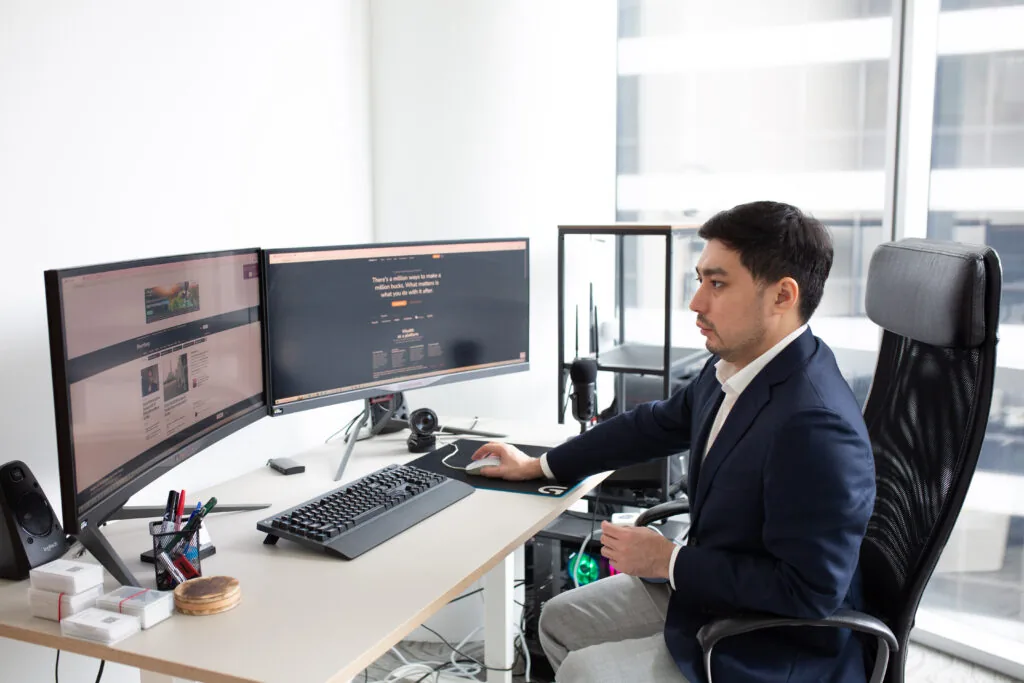
The first thing I help projects with is my expertise. It is primarily financial-investment, including fundraising, capital attraction, structuring rounds, and correctly building the marketing process of the round.
The second is helping with scaling, as we are present in several countries. Also, at the moment, I am institutionalizing my venture activities.
And lastly — emotional support. Founders are unique creatures who can only be understood by other founders. I have been a founder of different projects several times and remain one to this day. And I can understand what that is like.
I am exclusively an early-stage investor, so checks can be absolutely different. The average amount is from $100,000.
The average term for an early-stage investor should be 10 years. These are always long-term investments. I understand that long money means long projects. Some of them bring results, and some do not survive. We started investing in 2015, and after seven years, we made several partial exits, preserving growth. We successfully sold some stakes and are satisfied with the results. I am ready to hold investments for up to 10 years, but no longer, although partial exits are possible.
Advice from an Investor
It is important to understand the current stage of development. This affects the preparation process for seed rounds. It is important to find the right product-market fit metrics and reach a minimum level of revenue. This will help justify the necessary size of the seed round to attract investments.
After pitching, the matter moves to Series A, where metrics play a key role. It is necessary to carefully prepare all main elements if you plan to attract investments, because the first impression can be decisive.
When you present your project, it is important that you have a well-prepared data room and presentation. Investors want to see not just raw material, but something more interesting. A big plus for projects where problems are identified and solutions are proposed, with a clearly formulated vision.
Although an ideal plan may not exist, it is important to have a clear financial model and at least preliminary strategic directions.
The first source of capital is incubators and accelerators. Then come early-stage investors, business angels, and private funds. Next are professional VCs, international venture funds, corporate investors, and specialized industry investors. Also, companies from the area in which you operate may invest in you.
About Plans
This year, we are institutionalizing our venture program within Investbanq under the brand Nomadiq Innovation Hub, which is based in Singapore. We plan to provide access to other jurisdictions as well. We have already supported two projects. The first is Clockster, a Kazakh HR management platform for personnel management, a super app. The second is the Singaporean project Snaphunt, an AI-based remote hiring platform operating in Southeast Asia.
Within the framework of Nomadiq Innovation Hub, we plan to support more than 10 projects in the next 12 months, focusing on AI and FinTech. These are our internal estimates and plans.
The venture market is going through an important stage of evolution. The crash has already occurred; currently, consolidation is underway, and recovery is expected within two years. We look to the future with optimism. We believe in the prospects of the venture market, even if it is difficult. This is the best time for investments because during such moments, investment performance is higher due to the absence of noise.
The Tech on Telegram Follow The Tech on Telegram
Keep up with the latest technology and startup news.
Related reading
More from this author

News IT
Google has solved one of the main problems in quantum computing
The Tech
News IT
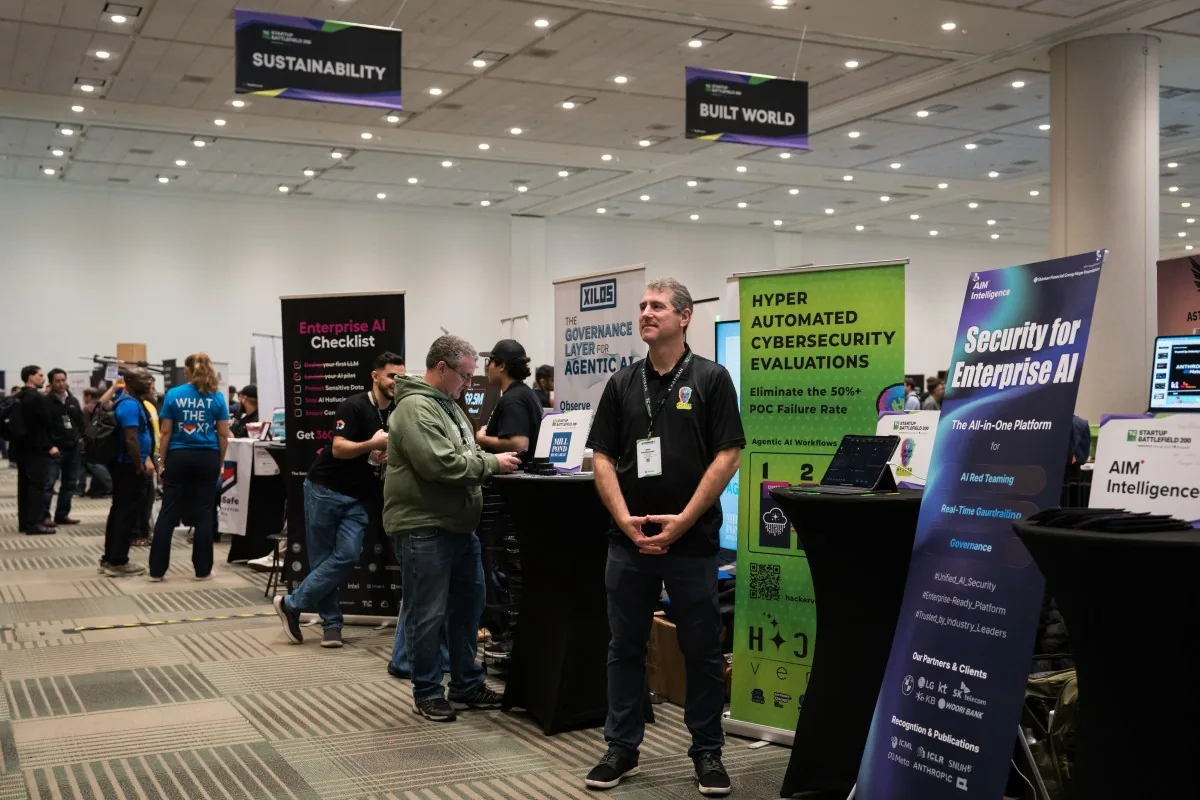
20 startups from Central Asia presented their projects at TechCrunch Disrupt 2026
The Tech
News IT
Kyrgyzstan and Armenia will consider the possibility of creating a joint AI enterprise
The Tech

News IT
Now on Kaspi.kz, you can trade in your old iPhone for a new one
The Tech
News IT
IT Park Uzbekistan became the best knowledge zone in the Asia-Pacific region
The Tech
Article Useful
How to protect your accounts from hacking: 8 settings you should check today
The Tech