How to Find an Investor. Alim Khamitov on Choosing Startups for Investment
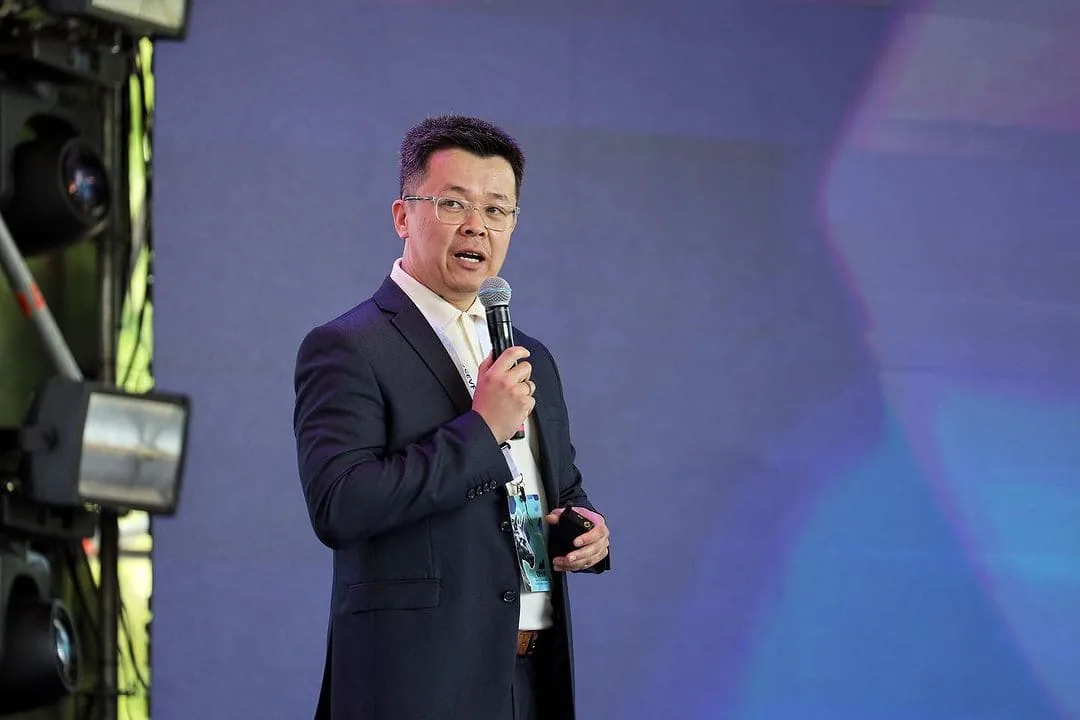
We continue our regular series with investors. Our next guest is Alim Khamitov, a venture investor and head of MOST Ventures funds, who shared more details about his investments and discussed his plans.
The Tech AI
Get the key points in seconds - a short summary from The Tech AI.
Alim Khamitov, a venture investor from Almaty and head of MOST Ventures, invests in global IT startups from Central Eurasia. The fund manages its first fund with checks of $100–150 thousand and a second fund with a volume of $30 million and an average check of $500 thousand, targeting pre-Series A stages. The portfolio includes 30 companies with no write-offs and growth of more than 3x over two years.
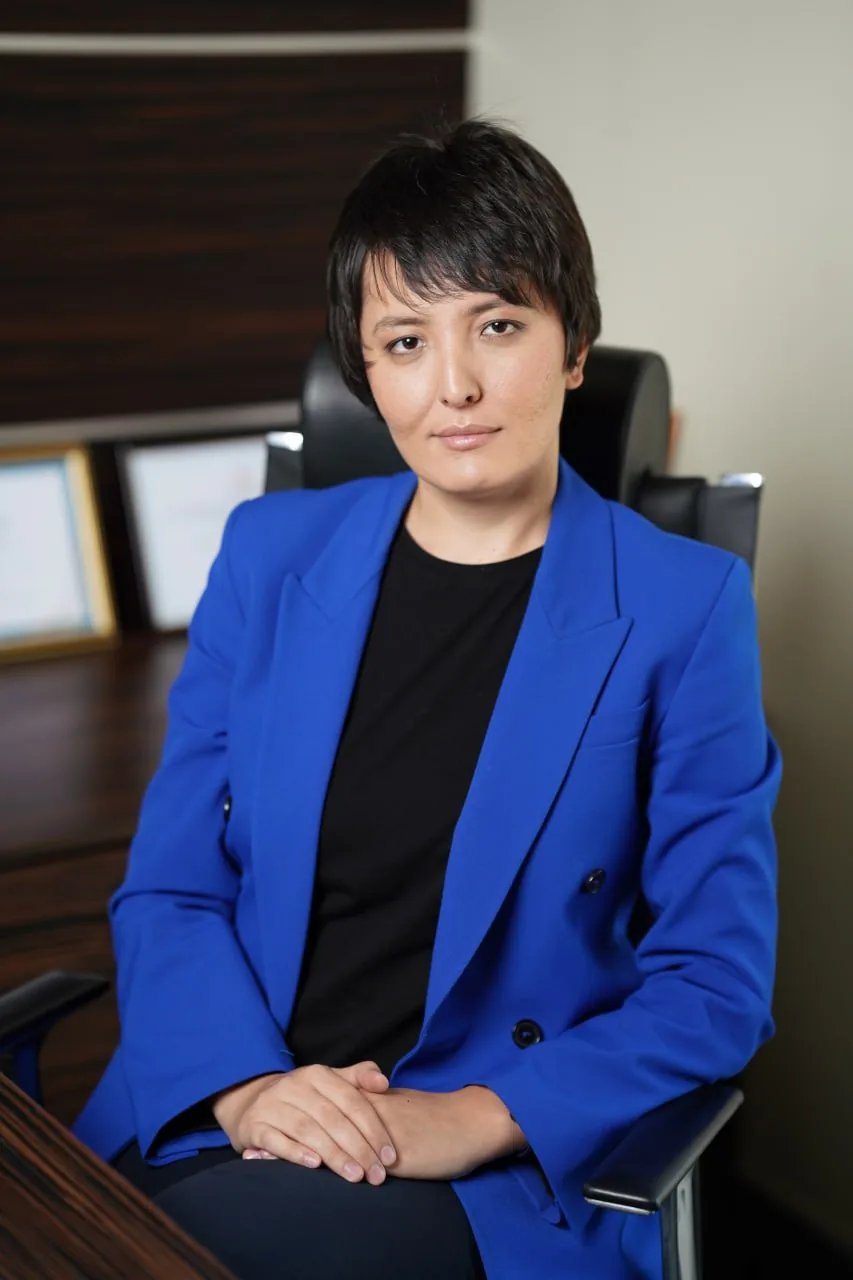
Alim Khamitov, city — Almaty, venture investor, head of MOST Ventures funds, @alimkhamitov
About Me
I am from Almaty. I received an education in the field of information systems. I lived in America for four years, where I studied at Indiana University. My main major was computer science. In addition, I obtained a second major at the Kelley School of Business, studying business.
After returning to Almaty, I engaged in various business projects, mainly in the IT sector. I had my own outsourcing company. I launched startups in the fields of telemedicine, transportation, and commerce. One of them was Smart Bus Stops — smart bus stops. This is not rocket science, but I tried to implement similar ideas in Kazakhstan. I went through an accelerator in America and asked myself why there are no incubators and accelerators in Central Asia, despite the presence of talent.
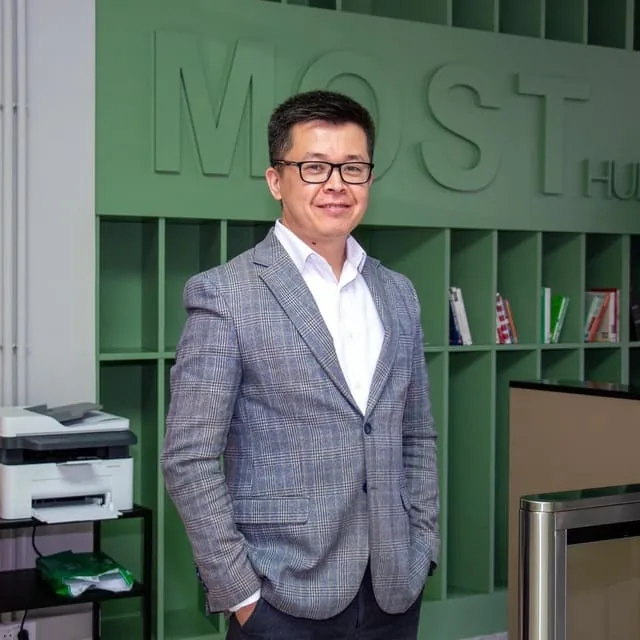
Upon returning, I joined forces with my partner, and together we launched MOST. At that time, the organization already existed, but it was more of a community of entrepreneurs. We decided to create a real incubator. I exited all previous projects and businesses and fully focused on MOST. Today, MOST is a holding company with a venture investment direction, investing in startups and IT companies.
About Investments
When it comes to investing in IT, there are several key principles to consider.
1. Anyone who wants to invest in IT should understand: if you aim for global impact, and your portfolio must operate at a world-class level, then IT is for you.
2. For investing in startups, a high risk appetite and healthy curiosity are important.
3. Long-term perspective. The expected investment period in IT is usually four to five years or longer, which distinguishes this type of investment from others where the forecasted term may be shorter.
Our culture of investing in IT is just beginning to develop; the main difficulty lies in finding the necessary capital to start investing.
Another challenge for many angels is the lack of experience or expertise in a specific field. This needs to be developed.
There is a concept known as FOMO — fear of missing out on something important. I look at many projects, but sometimes I worry that I might miss a profitable deal.
We have two successful projects and a portfolio of 30 companies. There have been no write-offs, and no company has shut down. Over the past two years, our portfolio has shown growth of more than 3x. We only invest if we believe the company will be able to return all invested funds.
Typically, an investor assumes that each startup will become so successful that it can return all invested money. However, in portfolios, there are champions that perform better than the rest. It is these champions that return all invested funds.
When selecting startups for investment, I consider both obvious and non-obvious aspects. The obvious ones include five main criteria:
1. The team and their expertise in the industry.
2. Product significance. We look at the technology and business model. We assess whether the startup aims to create a disruption in the market.
3. Market size and potential.
4. The possibility of global scaling of the product.
5. Traction. We do not consider investments at the idea stage; we focus on startups with confirmed metrics.
Among the non-obvious factors: I genuinely believe in marathon runners who are ready to run long and far. Building a large IT company, a unicorn, will take many years. However, at the moment, this period is shortening. Some achieve success in three years. However, if we are talking about emerging markets, it will likely take at least five to seven years. And I want the founder to live and love their idea and understand that they will be engaged in it for a long time.
I also pay attention to people who speak frankly and share their thoughts. I like those who have experience with several projects and successful sales; I would like to see more of them. I always say: we need dollar IT millionaires.
We do not just invest but provide a wide range of support. This happens because we have a whole ecosystem: an accelerator, a hub, media support, and so on. We actively organize meetings for our portfolio startups, present them on various platforms, including Forbes, to increase their visibility.
When investing, we create advisory boards or boards of directors for regular exchange of ideas. We provide ongoing support through special chats where startups can discuss both successes and problems.
At the moment, we are launching our second fund. In the first fund, our comfortable check is $100,000–$150,000, with the possibility of additional investment up to another $100,000. Here we invest at early stages.
The second fund, with a volume of $30,000,000, allows us to consider deals at pre-seed stages up to the Series A round. The average check is $500,000, with a minimum size of $250,000 and a maximum of up to $1,000,000. We invest in founders from Central Eurasia in any countries, wherever they are located, if they are creating global IT companies.
For both funds, the investment period is set at seven years.
Advice from an Investor
1. I always tell founders: it is important to clearly understand why you need investment. Although this seems like an obvious piece of advice, I often do not hear a clear answer to the question about the goals of these investments and what specific results they should bring — whether in the context of markets, financial performance of the business, and so on. This determines how much money needs to be raised and on what terms, especially considering the possibility of raising funds not necessarily for equity.
2. For successful fundraising, thorough preparation is necessary. It is important to determine exactly what kind of money is needed and from which potential investors to attract it. Startups should not approach everyone who has funds; it is better to come to investors specializing in their industry.
3. It is important to attract investment when the company has a sufficient cash reserve — at least for six months, sometimes even more, depending on the specifics of the market. Many investors might think they are a lifebuoy, but this should not be the case.
4. Approach everything professionally. Be sure to share news with investors. It happens that today a startup receives a "no" answer, and tomorrow a "yes."
5. An important point is that before you start approaching investors, prepare a Data Room. After the meeting, provide them with access to it.
6. It is desirable to set specific deadlines for yourself. Over a certain period, strive to raise a certain amount and have a clear funnel for this. The larger the funnel, the better.
7. Determine your profile — who you see as your investor. Attend industry-specific events.
Referrals work well in investments. As an investor, I often rely on recommendations when making decisions about projects. The chances of attracting attention to a business increase significantly if the project is recommended to me by someone well-known. For finding an investor, recommendations play a key role. Reach out to those who have already successfully attracted investment — they can recommend you to other investors. Even if an investor declined or agreed, you can always ask for recommendations on next steps.
About Plans
We continue to invest in founders from our region, regardless of their location. I want many founders abroad to hear about the Most Ventures fund through The Tech. We support startups in large and complex markets and are ready to be the first in this support.
I want to see more founders of growing startups at the pre-seed stage up to the Series A round. Many believe that there are no investors in Kazakhstan ready to write large checks. However, MOST, including our second fund MOST IDA with a Turkish partner, is ready to invest significant sums in growing companies. We also manage the Tech Garden Ventures fund and are looking for startups in the Oil Tech, Gas Tech, and Mining Tech industries, related to Industry 4.0. We are ready to deeply study potential projects, focusing both on growth among IT companies and on development through our network resource.
The Tech on Telegram Follow The Tech on Telegram
Keep up with the latest technology and startup news.
Related reading


More from this author

News IT
Google has solved one of the main problems in quantum computing
The Tech
News IT
20 startups from Central Asia presented their projects at TechCrunch Disrupt 2026
The Tech
News IT
Kyrgyzstan and Armenia will consider the possibility of creating a joint AI enterprise
The Tech

News IT
Now on Kaspi.kz, you can trade in your old iPhone for a new one
The Tech
News IT
IT Park Uzbekistan became the best knowledge zone in the Asia-Pacific region
The Tech

Article Useful
How to protect your accounts from hacking: 8 settings you should check today
The Tech