How to find an investor. Adil Nurgozhin on his experience investing in startups
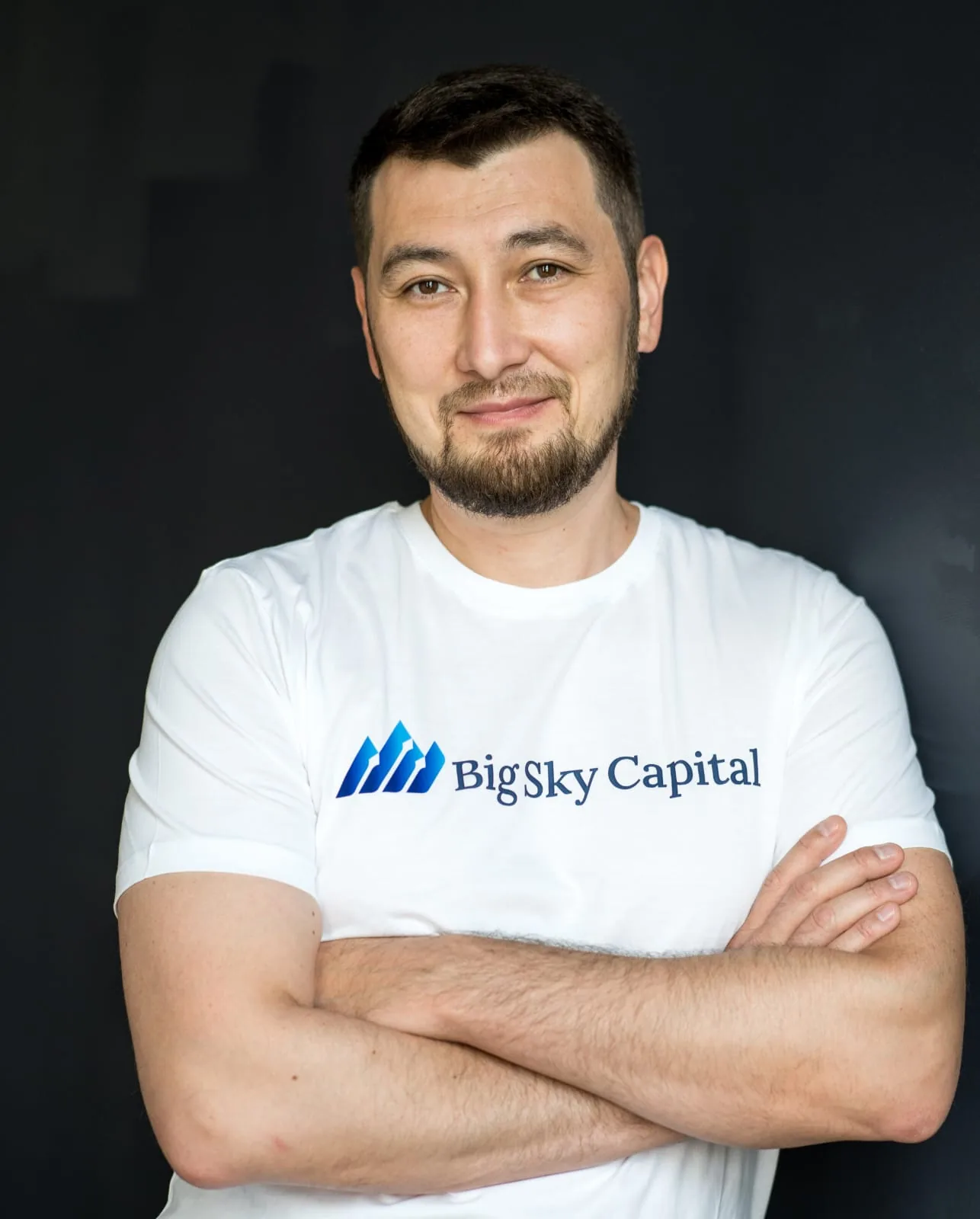
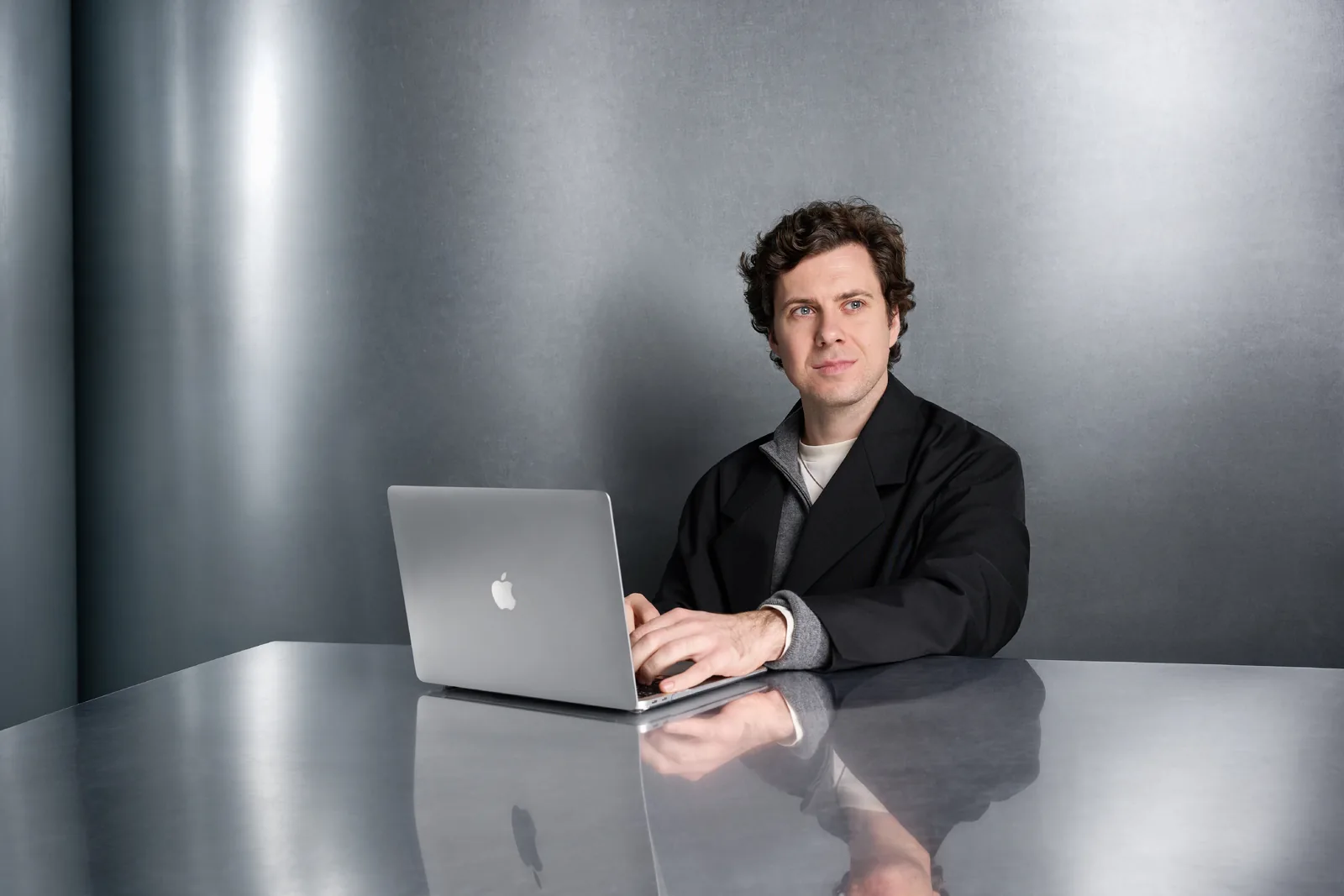
Adil Nurgozhin, an experienced investor and managing partner at Big Sky Capital, shared his insights on the key aspects of successful investing. Read more in our article.
The Tech AI
Get the key points in seconds - a short summary from The Tech AI.
Adil Nurgozhin, Managing Partner of Big Sky Capital ($20M fund), invests in early-stage startups from $100,000 to $300,000. The portfolio of 24 companies includes Vist Group, HR Messenger, and Chocofamily with returns up to 7x. The fund focuses on SaaS and AI, plans to increase investments in immigrant founders in the US, and aims to close 5–6 deals annually.
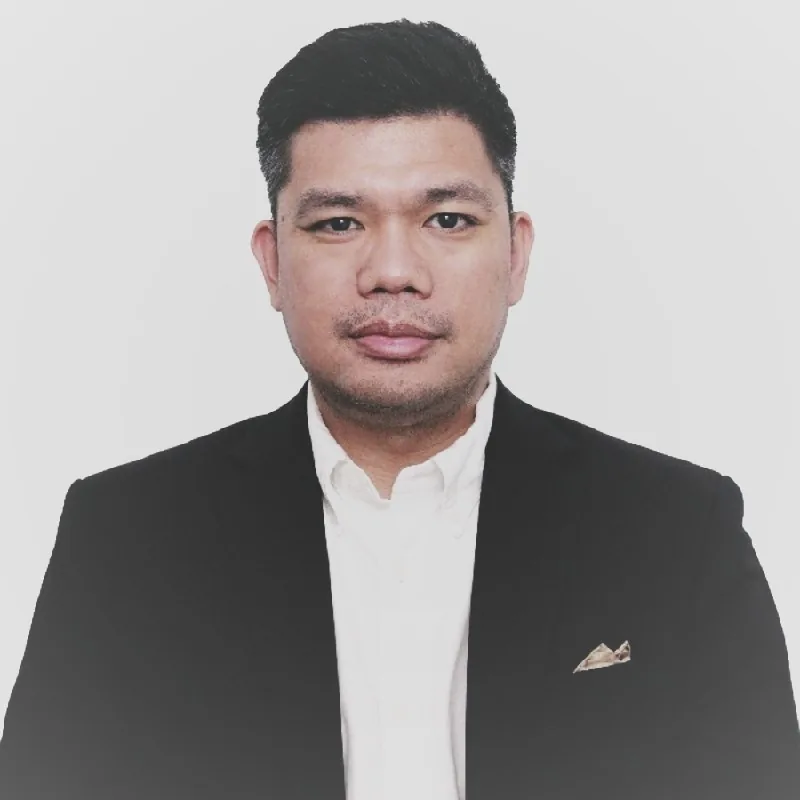
Adil Nurgozhin, Investor, Managing Partner at Big Sky Capital, LinkedIn
About Me
I have been involved in investing for a long time. Previously, I worked in the private equity sector, and since 2011, I gradually transitioned to startup investments. I joined I2BF Global Ventures and the Russian-Kazakh Nanotechnology Fund, where I began to systematically and purposefully develop my activities in this industry. In addition to my role as a private business angel, I invest in startups that demonstrate strong revenue and growth prospects.
About Investing
The most important thing in investing is patience. You cannot act impulsively, especially after you have already invested. Patience is needed both at the entry and exit stages. Some decisions require time to mature, and it is better to observe than to rush and later regret it. Patience is also crucial for a successful exit from an investment and for generating profit.
Attention to detail, patience, and effective communication are the three key aspects of successful investing. Details can make a big difference, and proper communication with startup founders is critically important, as misunderstandings can arise from incorrect expectations. Investing is buying a stake in a company, which ties us to the founders for the long term. These aspects help build trusting relationships that will form the foundation of our business.
I have diverse experience in startup investing, covering two main roles: as a business angel and as a venture fund manager.
I managed two venture funds, one larger and one smaller. We managed to make successful investments in two or three companies. One of the most memorable projects was Vist g Group. We invested for one and a half to two years, and later the company was acquired by another group. As a result, we made a 4x return over that period, which amounted to almost a 400% return on investment.
We also had a successful deal with HR Messenger, founded by Ruslan Abdulganiev. We invested in this company together with Murat Abdrakhmanov and other investors, and eventually sold it to Avito, which yielded a profit of around 6-7x.
As a business angel, I can highlight several notable projects. For example, I invested in Chocofamily, earning about 4x over two and a half to three years by selling my stake to Aidyn Rakhimbaev.
We also had the Amir Watches project, which we implemented with my partner Zhan Karsybaev. I invested a small amount, and we successfully developed the brand by launching the first Kickstarter. This brought in good funding and positive reviews. We also sold the company, earning a 3x return.
When selecting startups, I evaluate several key factors. The competence and integrity of the founder, their industry knowledge, personality, and the trust between us are important. Certain chemistry and mutual liking also play a role.
These factors make the founder the main asset of the business, as they are considered its driving force. Next, I look at the market: its size, growth prospects, and niche. The technological aspect of the product is another important factor that influences investment decisions.
We enter early-stage deals, sometimes even at the idea stage, placing strong faith in the founders. This most often happens at the seed funding stage, when there is already a product, an MVP, and initial sales. We help founders develop within the corporate environment. When you have a startup, there is often not enough time for structuring, and many issues remain overlooked—legal relationships, financial discipline, and company structure.
As the company grows from 5 to 50 employees, the startup begins to live its own life. Role distribution and responsibilities emerge, and the founder may face incompetence in certain areas. For example, they may know the product exceptionally well but lack sales experience. In such conditions, the founder often lacks the time to think about the company's future.
We act as a team member who helps pay attention to important issues, maintains order and discipline, and sets the development vector. Our task is to keep the company focused and ensure growth. Sometimes we help resolve personnel issues and recommend suitable specialists, as people are the main asset of a startup. Ultimately, we prepare early-stage startups for the transition to a corporate level.
Ultimately, the founder must realize that the company is a separate organism that requires care and attention. It needs to "grow" and "feed," but at some point, there is a need to attract professional managers.
We can stay in the company for up to 10 years. This is a significant period that can become a whole career in business, considering different cycles and changes. Therefore, such long-term support and cooperation are important for the successful development of a startup.
Big Sky Capital is our main fund, where my partner Zhan Karsybaev and I work on a 50/50 basis. We make investment decisions unanimously. We invest in early-stage rounds from $100,000 to $300,000, often reserving the same amount for subsequent funding rounds, as startups typically go through several stages.
We have a $20 million fund, of which slightly more than $10 million has been raised. We have invested in 24 companies, 10 of which are in Central Asia, and 7 in East Asia and America. We invest in various verticals, including SaaS and cloud solutions, with a focus on artificial intelligence, which is present in 30-40% of our portfolio companies.
We plan to close another five or six deals this year and the same number next year, which will increase our portfolio to 30-32 companies.
Advice
Preparation for raising investment depends on the startup's stage. We do not consider projects at the idea stage, except in cases where founders have significant experience and successful exits—ideally two to four startups, some of which were successfully sold.
It is better to have two or three founders, as this ensures balance and a diversity of competencies. It is important that the team has different personalities and dynamics, which facilitates management.
You need to prepare a pitch deck with calculations and have a product or service prototype. Ideally, there should already be initial customers or pilot tests to obtain feedback: whether people like the product and are willing to pay for it.
Plans
We continue to invest in various SaaS verticals. We understand that they are subject to change and that artificial intelligence will inevitably appear in some form during the development of these businesses. We adapt to the market, but we are not satisfied with the current valuations of AI projects, as we consider this a temporary hype. The market needs to calm down, niches need to be clearly defined, and players who can occupy them need to emerge.
I do not think that companies like OpenAI or Anthropic will be able to cover all niches. They simply will not have enough resources and human capital. Smaller players are needed who can understand their niche more deeply and generate profits faster by gaining an advantage in certain directions. These are the startups we are looking for.
We plan to increase investments in immigrant founders in the US. All seven companies we have already invested in were founded by first-generation immigrants who moved to the States 10-20 years ago. Most of them are technical founders with deep expertise. We are looking for similar startups, especially among Kazakhs, Ukrainians, and others who have moved in the last 10-15 years and have experience working at Google or leading MIT laboratories. We will announce new projects as deals are closed.
The Tech on Telegram Follow The Tech on Telegram
Keep up with the latest technology and startup news.
Related reading
More from this author

News IT
Google has solved one of the main problems in quantum computing
The Tech
News IT
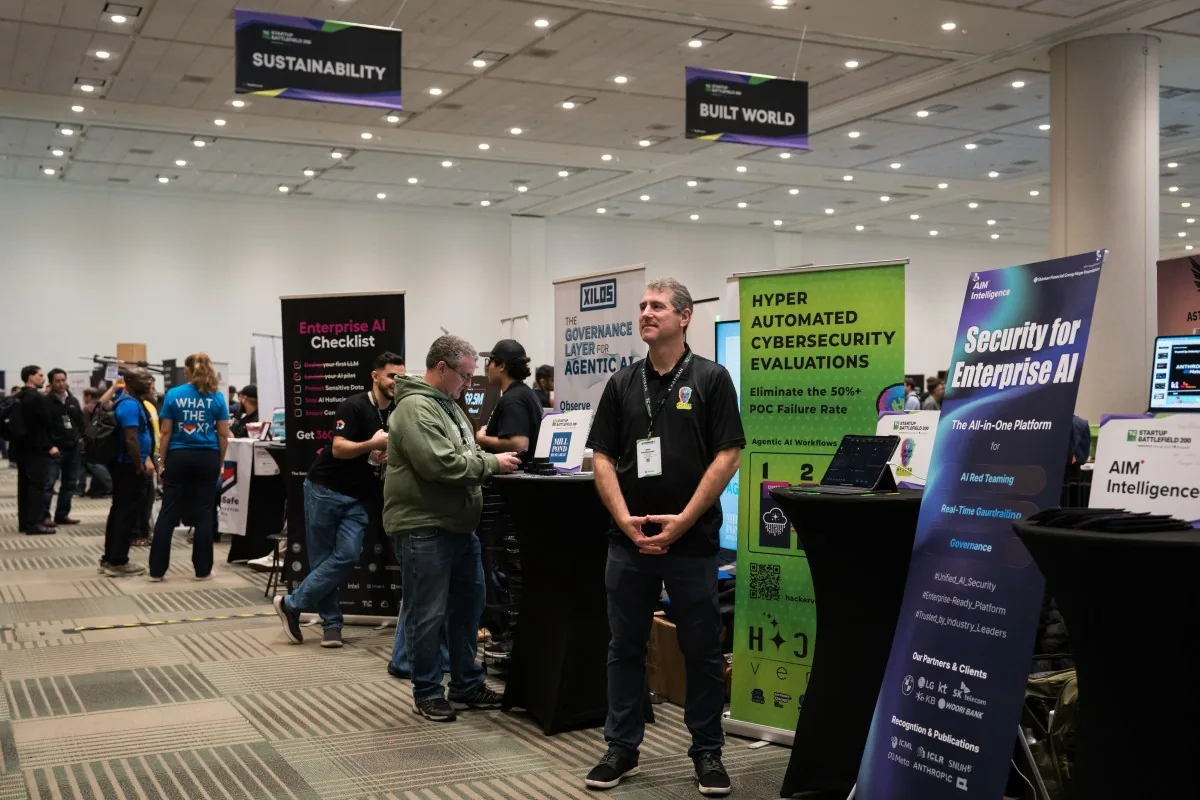
20 startups from Central Asia presented their projects at TechCrunch Disrupt 2026
The Tech
News IT
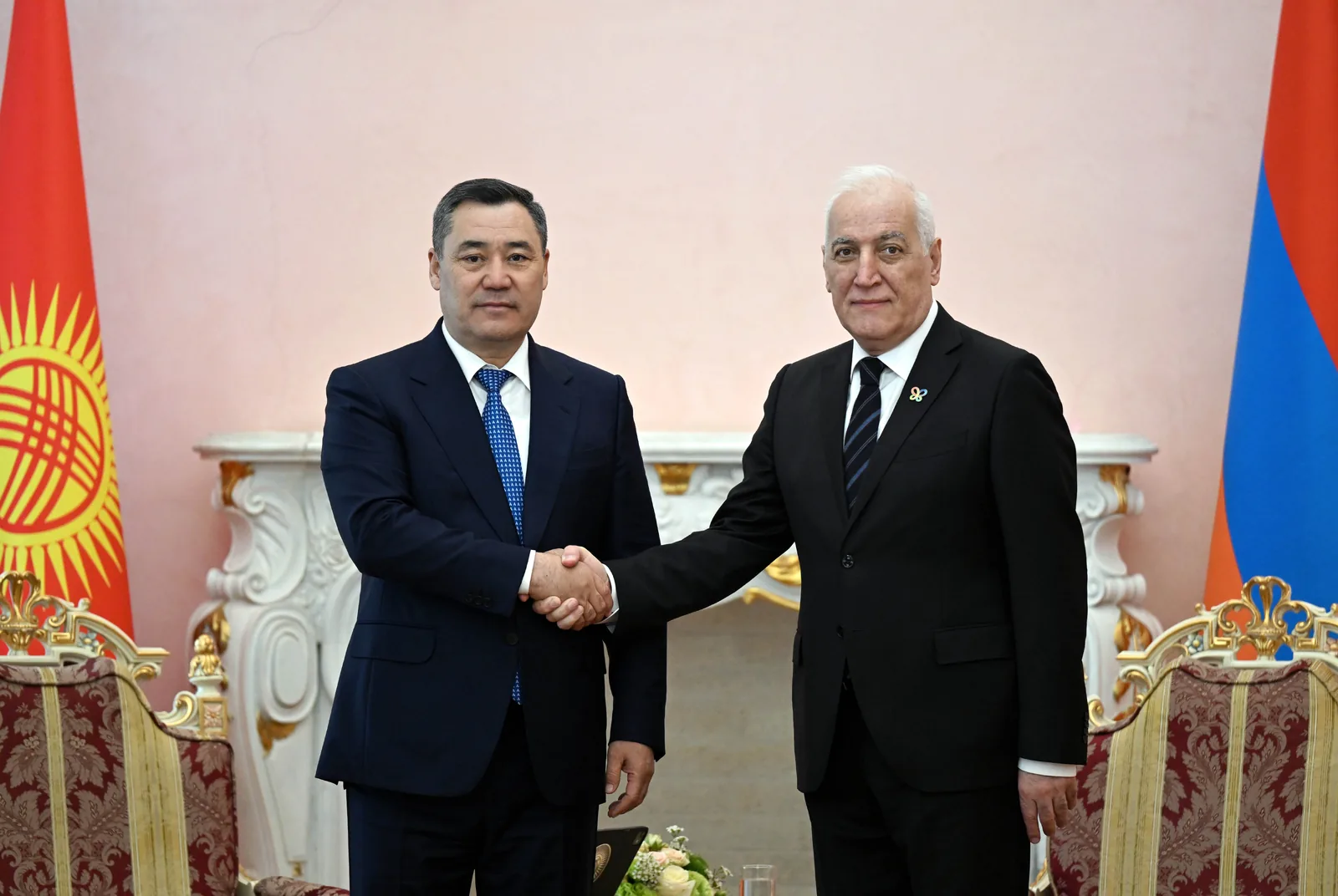
Kyrgyzstan and Armenia will consider the possibility of creating a joint AI enterprise
The Tech

News IT
Now on Kaspi.kz, you can trade in your old iPhone for a new one
The Tech
News IT
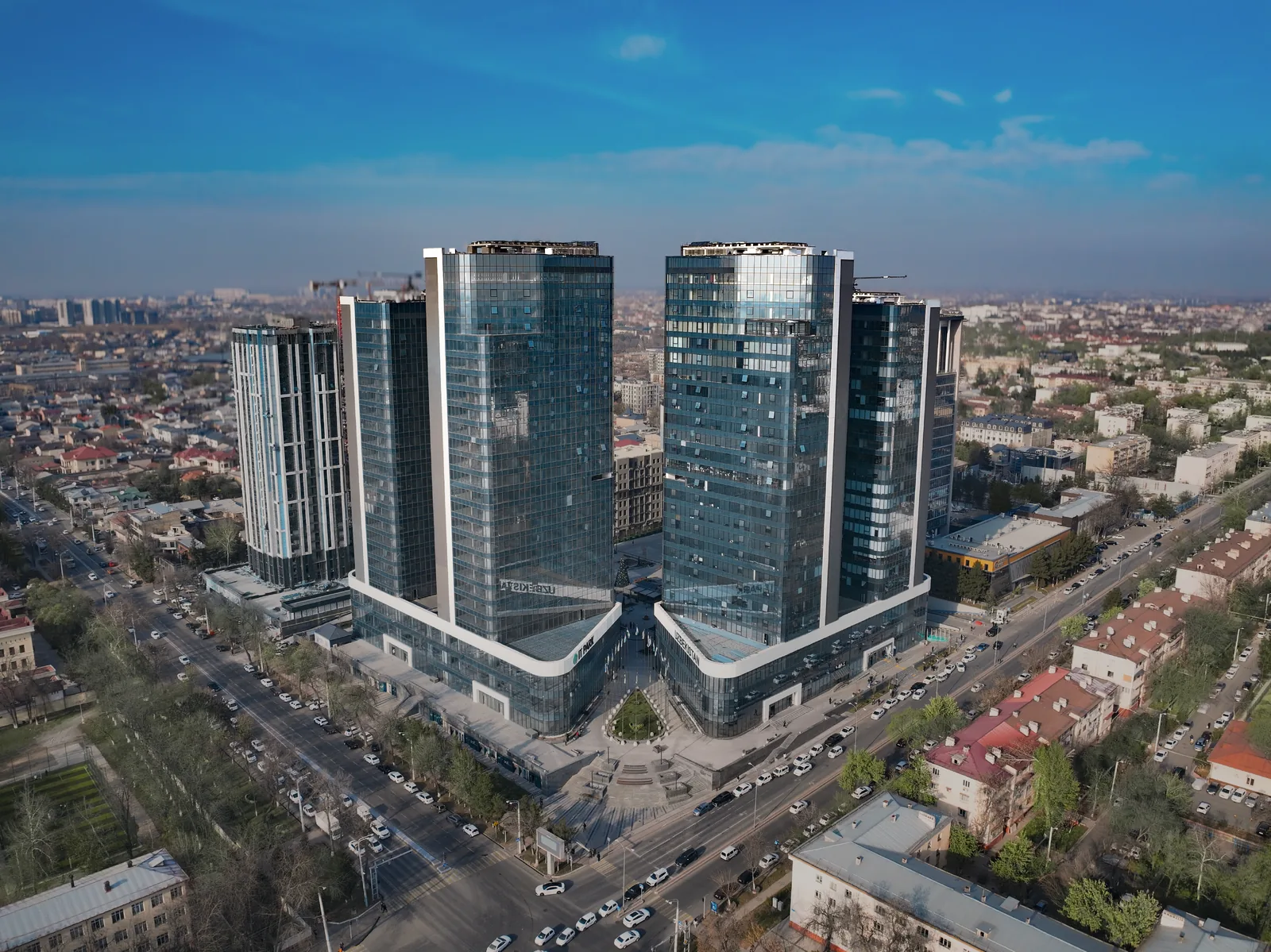
IT Park Uzbekistan became the best knowledge zone in the Asia-Pacific region
The Tech
Article Useful
How to protect your accounts from hacking: 8 settings you should check today
The Tech