The European Union and Central Asia are deepening trade and economic ties
Author - Mansur Ismagulov
The Tech AI
Get the key points in seconds - a short summary from The Tech AI.
The EU projects Ready4Trade Central Asia (ITC) and "Central Asia Invest" (OECD) presented their achievements at a high-level event. The ITC has simplified trade procedures in five countries and established national trade academies for SMEs. The OECD conducted seven ministerial events, more than 65 seminars, and produced 12 publications, supporting private sector reforms and digitalization. The programs contribute to the economic integration of Central Asia with the EU.
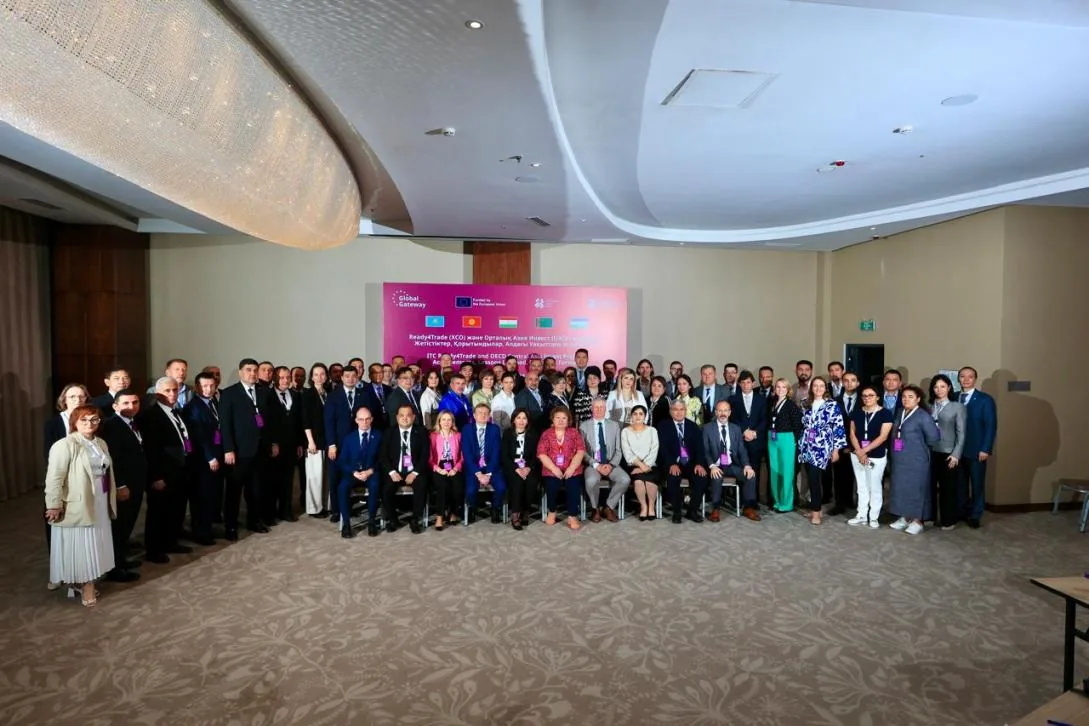
Two regional projects funded by the European Union in Central Asia, namely Ready4Trade Central Asia implemented by the International Trade Centre (ITC), and the OECD Strategic Component under the “Central Asia Invest” programme, presented their achievements at a high-level event. These projects support Central Asian countries’ efforts to advance trade reforms, enhance competitiveness, strengthen connectivity, and foster regional cooperation.
The event brought together public policy makers and key stakeholders from the private and public sectors of Central Asia, as well as representatives of the European Union, the International Trade Centre, and the Organisation for Economic Co-operation and Development (OECD).
Under the ITC’s Ready4Trade Central Asia project, significant progress has been made in developing intra-regional and international trade across five Central Asian countries. Working closely with governments, the project has addressed barriers to cross-border trade by simplifying and digitizing trade procedures, making them faster, more transparent, and less costly. Recognizing the need to support small and medium-sized enterprises (SMEs), the project established national trade academies for SMEs and developed customized on-the-job training programmes, thereby enhancing SMEs’ capacity to participate in global markets.
The OECD supported reforms in areas such as private sector development, internationalization, digitalization, trade and transport connectivity, and resilience to shocks. In this work, the OECD leveraged its core strengths: high-level political dialogue to strengthen EU-OECD-Central Asia economic cooperation, exchange of best practices, and commitment to further reforms; national seminars to strengthen public-private dialogue, data collection, and capacity building; and evidence-based publications containing policy assessments and recommendations, private sector survey results, and examples of best practices in the region. Overall, under the EU’s “Central Asia Invest” Strategic Component, the OECD organized three in-person and four online ministerial events, over 65 seminars, and produced 12 analytical publications.
The Prosperity Programme, to be implemented by the ITC and OECD with EU financial support, will play a crucial role in promoting further connectivity and economic integration between Central Asia and the EU.
The Tech on Telegram Follow The Tech on Telegram
Keep up with the latest technology and startup news.
Related reading




More from this author

News
zypl.ai begins operations in Japan and focuses on next-generation risk models
Mansur Ismagulov
News
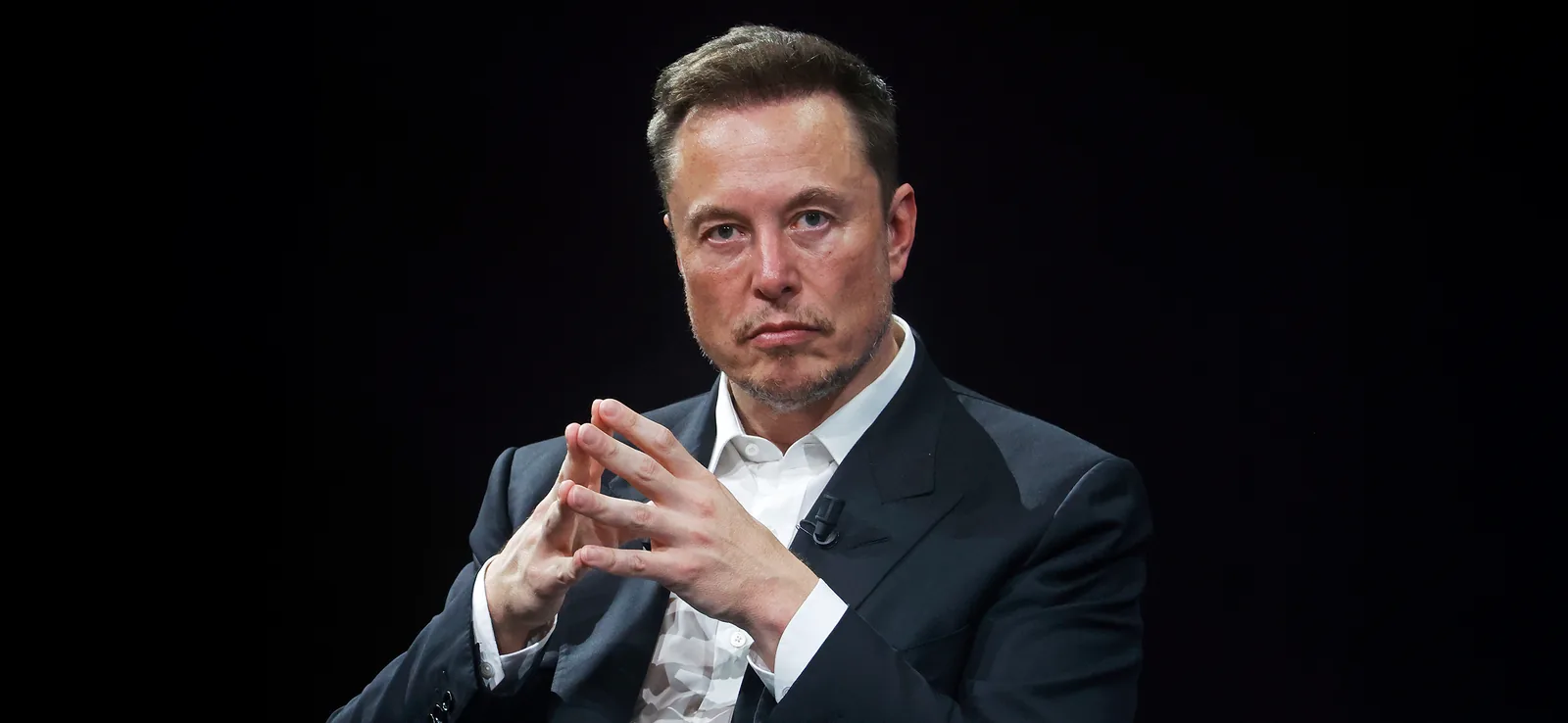
Elon Musk's net worth has exceeded $700 billion for the first time
Mansur Ismagulov
Article Interviews
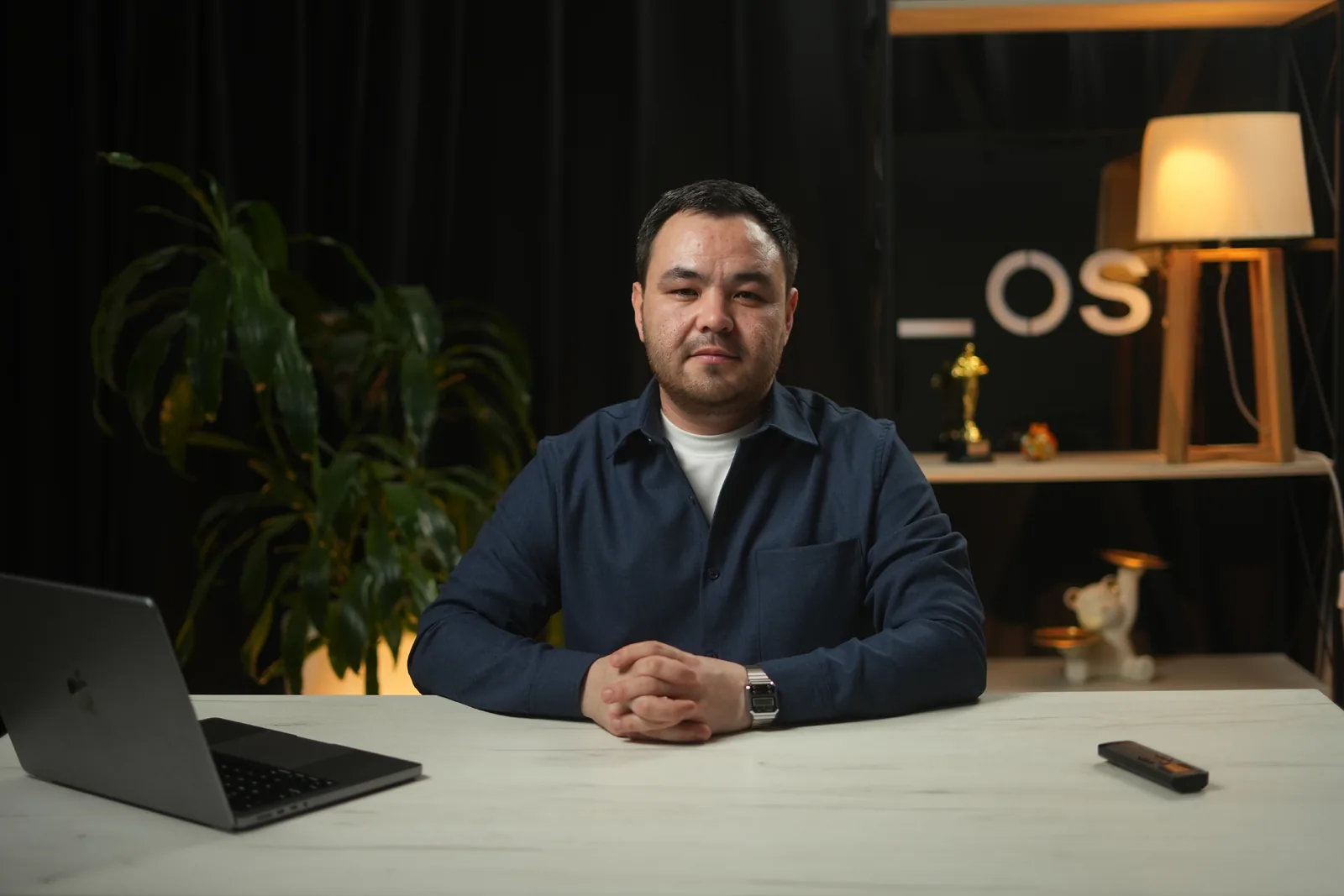
"Central Asian countries should build a joint ecosystem," — Bekhzod Ismoilov on the development of AI in the region
Mansur Ismagulov

Article Interviews
Bloom's Taxonomy and Engineering Levels: A Practical Growth Model
Mansur Ismagulov
Article Useful
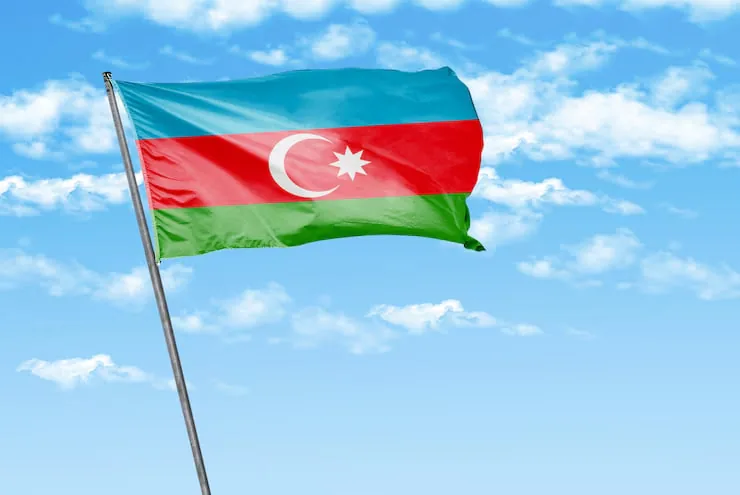
How the IT industry in Azerbaijan developed in 2025: key events
Mansur Ismagulov
News
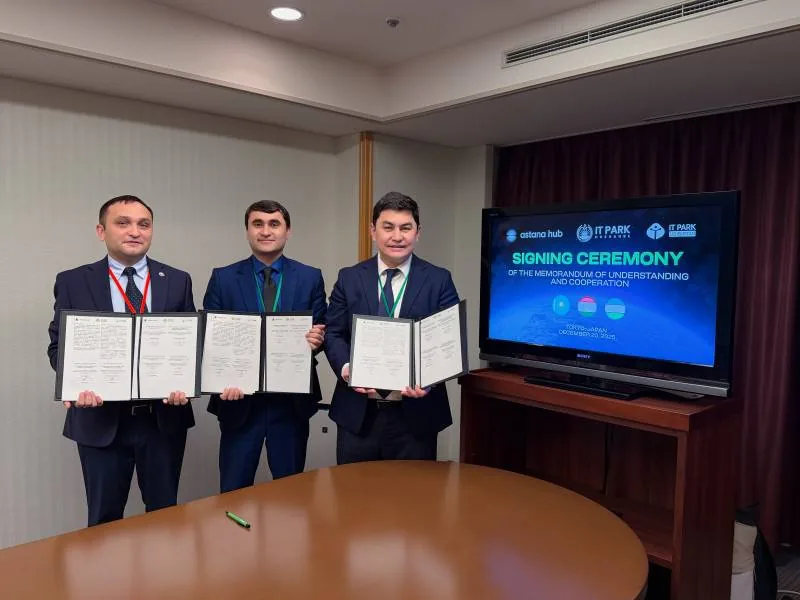
Tajikistan has become a new member of the regional innovation alliance Central Asian Innovation Hubs
Mansur Ismagulov