Delever.uz is a startup that delivers food in Uzbekistan and Kazakhstan
The founder of Delever.uz shared how the startup came to be and what problems it solves. Read more below.

The Tech AI
Get the key points in seconds - a short summary from The Tech AI.
Fakhruddin Yusupov, CEO of Delever: the service serves 400+ restaurants, processing ~10,000 orders/day. In 2023, the company attracted investments from Aloqa Ventures ($4 million). The launch of automatic client registration is planned by the end of the year.
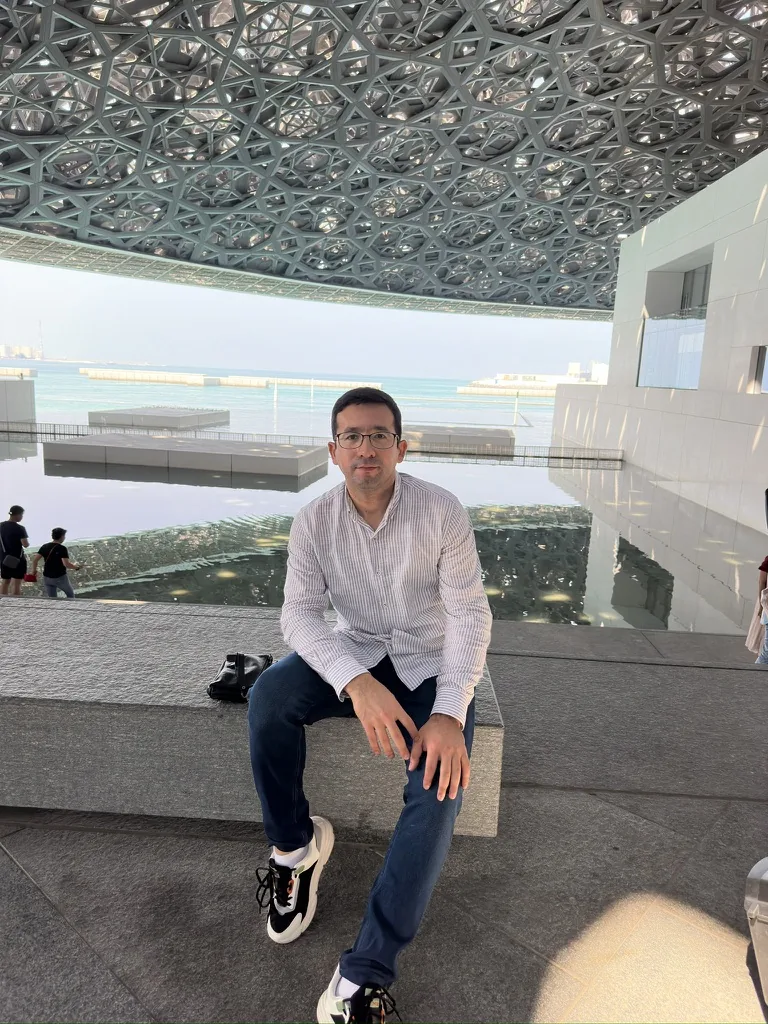
Fakhriddin Yusupov, City — Tashkent, CEO, Instagram, LinkedIn
How It All Started
I am 36 years old, and I have been working in IT for about 10 years. My journey began at Newmax, a company known for its MyTaxi and Express24 services, where I was involved in selling GPS monitoring solutions. This sparked my interest in IT and SaaS solutions.
After that, I was invited to the position of Call Center Manager at MaxWay, a well-known national fast-food chain. My task was to improve operational processes and service quality, as well as to establish interaction between customers and operators. In 2020–2021, I built internal communications to optimize processes.
MaxWay used a delivery system from one of the suppliers, but it did not provide the necessary capabilities for business growth. Often, the supplier responded slowly to our requests or offered high prices, which made work difficult and negatively affected customer satisfaction.
I had to look for an alternative solution for business growth and scaling. I remembered my colleagues from Newmax, who had developed a system for Oqtepa Lavash for order processing with integration of cash registers and payment systems. We discussed cooperation, and one of the developers, Abdullo, offered to sell me the software for further development. I proposed a partnership: I would handle business processes, and he would handle development. He agreed.
Over the course of nine months, I wrote technical specifications, and the team refined the system. As a result, we connected a new client, Mahmood Kebab, and then 23 more partners, including the China Shashlik chain. In 2023, I left MaxWay and fully immersed myself in the processes of the Delever company. I came to this business not through money or connections, but thanks to the experience gained in various companies and startups.
Target Audience
Today, the Delever service serves more than 400 restaurants, processes about 10,000 orders per day, and feeds over 2 million customers in Uzbekistan and Kazakhstan. We have recently started entering the European market, where we have one pilot project developing through referrals. In Kazakhstan, we work with 16 restaurants.
The key factor of our success is my personal approach to service: I strive to ensure that my work brings value to the business and end consumers. We have developed a business model that monetizes only used resources, which allows our interests to align with those of our clients: when they win, we win too. We focus on the stability of our clients' businesses by providing tools for growth with flexible scaling and minimal resource loss.
There are similar services that impose restrictions on the number of branches, users, or transactions. In our case, there are no such restrictions. We tell the client: “You make an order, and we earn from it.” Our goal is to build relationships where clients are perceived as partners, and we earn only when they earn. This is an excellent model beneficial for both sides.
We provide businesses with tools for independent delivery management through a white-label solution. This allows creating own sales channels, websites, mobile applications, loyalty systems, analytics, and much more. Restaurants can track sales, average check size, customer retention, and marketing effectiveness. All processes, from order placement to handing it over to the courier, are automated, making delivery convenient for all participants.
In essence, we have created a solution similar to Uzum Tezkor or Yandex Eats, adapted for a specific restaurant. This allows avoiding the high commissions of aggregators, which usually amount to 30–35% of the order value. By creating their own sales channels, restaurants can reduce this amount to 17–18%, and in some cases, even down to 13%, as was the case with MaxWay.
Although aggregators have their advantages, they create risks for restaurants related to platform dependency. Therefore, our model is aimed at ensuring maximum independence and flexibility for business. Our platform is suitable for almost any segment wishing to organize delivery: the client places an order via the website or app, after which it is processed, packed, and handed over to the courier—either in-house or third-party.
We remain flexible and passionate about our work, which allows us to adapt to client needs and ensure convenience and efficiency in delivery.

The Team
At the beginning, we outsourced all services of the UDS company, paying them for development. However, we soon realized that we needed our own team for a product startup, where values, understanding of the product, and the market are important. We invited specialists from UDS, coordinated this with them, and formed the core of the team, retaining key employees.
We look for people willing to take responsibility and have their own vision. In our company, there is no micromanagement or strict hierarchy. We have a friendly team where everyone can express their position and be heard.
Our team offers solutions that are difficult to find in other products. Perhaps I praise them too much, but we often present our product abroad, and companies and venture funds are surprised and give us positive feedback. This is also confirmed by the growth in the number of our clients.
Incubation Programs
Earlier this year, we attracted venture investments: we received funding from the Aloqa Ventures venture fund with a company valuation of $4 million.
Challenges
It was difficult at the beginning: the number of clients grew faster than expected, creating a load on the servers, which caused us to lose several partners. The quality of our work depended on food delivery for restaurants, and we faced constructive criticism and dissatisfaction.
There were moments when we did not know how to solve tasks and turned to developers for help. The key criterion for startup success is resilience. It is important to understand what you are doing and where you are going, rather than looking for someone to blame, so as not to lose the business.
Sometimes we had to “roll up our sleeves”: checking the internet connection on the client’s roof or discussing failures at night, proving that it was the provider’s problem. There were cases when suppliers closed their APIs, and we had to look for alternatives. Conflicts also arose with restaurants due to employee errors.
These were not just difficulties—they were work with its challenges and surprises, part of our journey.
I recommend to beginner startuppers, first, to start acting, and second, to understand market problems, rather than developing an idea that just came to mind. No matter how cool an idea is, if it does not solve specific problems of people or business, the company is doomed to failure.

Achievements
We never aimed for high indicators or for fighting for recognition. When restaurants contact us without the involvement of the sales department—in my opinion, this is the highest form of recognition.
Plans
By the end of the year, we plan to launch automatic registration on our platform. Currently, clients cannot register themselves and test the functionality, which requires the involvement of several specialists.
We are working on enabling any user to register and use the system for free for a certain period with full functionality.
We are also revising the process of training new clients, which is currently conducted manually. After the launch of self-registration, users will be able to adapt easily thanks to automatic prompts for registration, company setup, creating a Telegram bot for sales, and adding products. This will be an important update by the end of the year.
The Tech on Telegram Follow The Tech on Telegram
Keep up with the latest technology and startup news.
Related reading




More from this author

News IT
Google has solved one of the main problems in quantum computing
The Tech
News IT
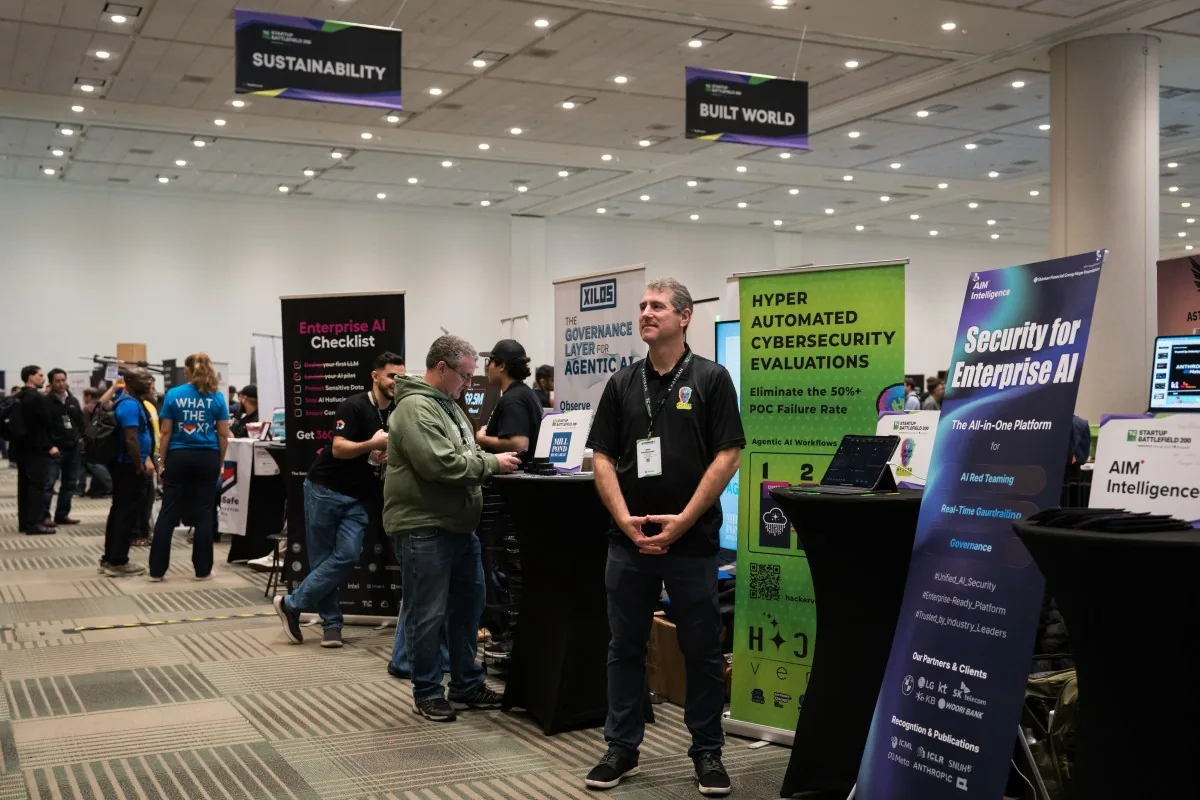
20 startups from Central Asia presented their projects at TechCrunch Disrupt 2026
The Tech

News IT
Kyrgyzstan and Armenia will consider the possibility of creating a joint AI enterprise
The Tech

News IT
Now on Kaspi.kz, you can trade in your old iPhone for a new one
The Tech

News IT
IT Park Uzbekistan became the best knowledge zone in the Asia-Pacific region
The Tech

Article Useful
How to protect your accounts from hacking: 8 settings you should check today
The Tech