British startup Space Forge has raised $30 million for producing materials in space
Author - Mansur Ismagulov
The Tech AI
Get the key points in seconds - a short summary from The Tech AI.
Space Forge has raised approximately $30 million in a Series A funding round to advance the production of materials in microgravity, primarily for the semiconductor industry. The project with BT involves testing space-grown crystals to reduce energy consumption of 5G towers. Cargo return utilizes Pridwen and Fielder technologies, and a new office has opened on the island of Santa Maria in Portugal.
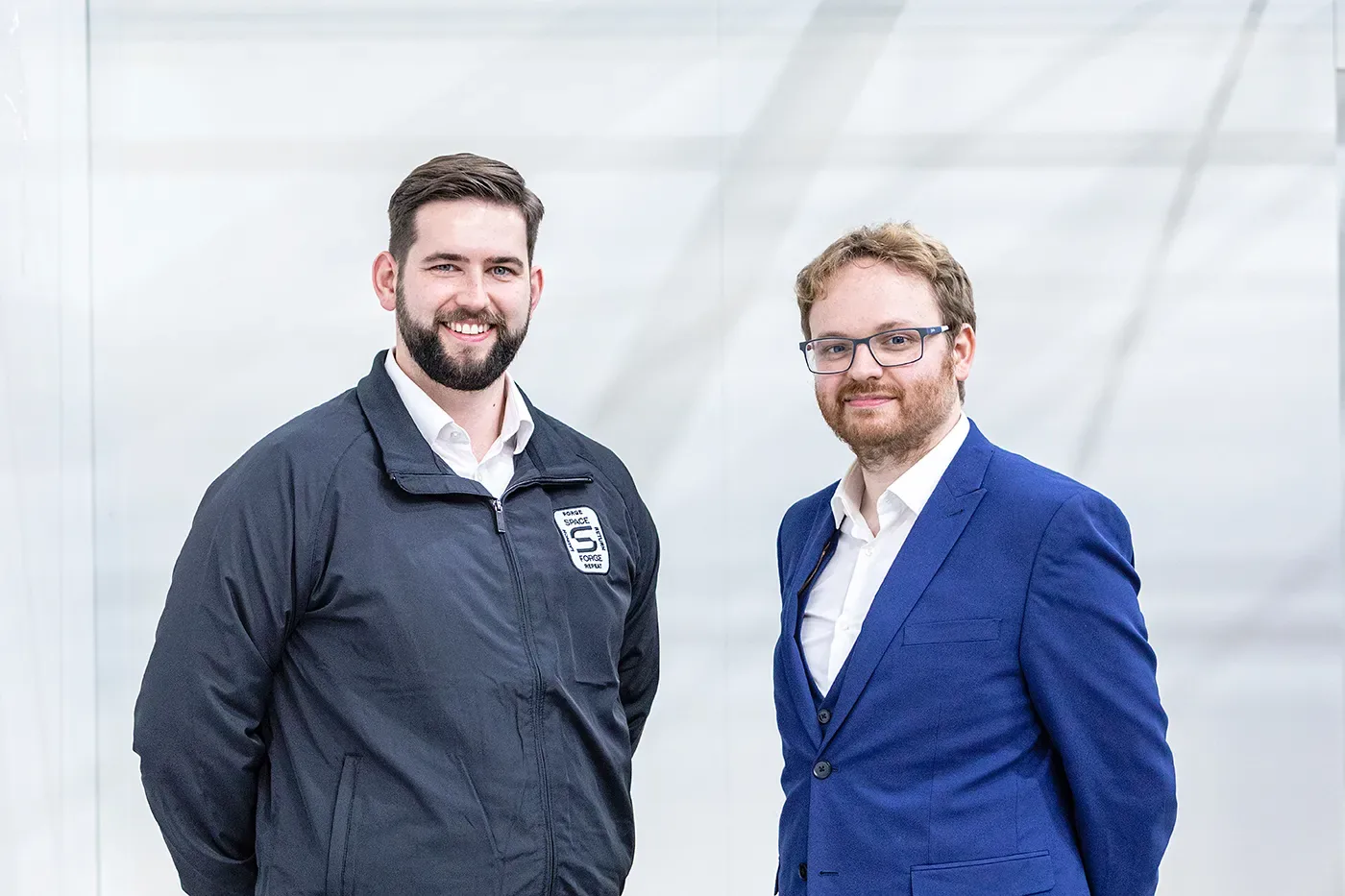
Space Forge, a company based in Cardiff, Wales, has raised approximately $30 million in a Series A funding round. The investment aims to advance the production of advanced materials in microgravity conditions, primarily for use in the semiconductor industry.
One example of Space Forge's practical applications is a project with BT, formerly known as British Telecom, which plans to test the use of space-grown crystals to reduce energy consumption in 5G towers. Thanks to microgravity conditions, such materials have fewer defects, making them particularly promising for use in quantum technologies and the defense industry.
Space Forge does not develop its own rockets — it relies on third-party space providers to launch materials into orbit. However, the company is developing unique technologies for returning cargo to Earth. Instead of traditional capsules, it uses the Pridwen thermal shield and the Fielder system — a specialized floating net for soft landing, developed with support from the British and European Space Agencies.
As part of its infrastructure expansion, Space Forge has opened a new office on Santa Maria Island, Azores, Portugal, chosen as a strategically convenient location for satellite recovery.
The development of launch and return technologies from orbit opens up opportunities for creating a new generation of space manufacturing — not only in semiconductors but also in pharmaceuticals and telecommunications. However, the commercial success of such projects still depends on reducing the cost of space logistics and customers' willingness to invest in premium solutions.
Source: TechCrunch
The Tech on Telegram Follow The Tech on Telegram
Keep up with the latest technology and startup news.
Related reading






More from this author

News
zypl.ai begins operations in Japan and focuses on next-generation risk models
Mansur Ismagulov

News
Elon Musk's net worth has exceeded $700 billion for the first time
Mansur Ismagulov

Article Interviews
"Central Asian countries should build a joint ecosystem," — Bekhzod Ismoilov on the development of AI in the region
Mansur Ismagulov

Article Interviews
Bloom's Taxonomy and Engineering Levels: A Practical Growth Model
Mansur Ismagulov

Article Useful
How the IT industry in Azerbaijan developed in 2025: key events
Mansur Ismagulov

News
Tajikistan has become a new member of the regional innovation alliance Central Asian Innovation Hubs.
Mansur Ismagulov