ZebraEye — a startup that helps diagnose rare eye diseases using artificial intelligence
We met with Yana Ten, CEO and co-founder of the MedTech startup ZebraEye. She told us how their startup helps doctors diagnose rare eye diseases and shared plans for the startup's development.
Author - Mansur Ismagulov
The Tech AI
Get the key points in seconds - a short summary from The Tech AI.
Yana Ten, CEO of ZebraEye, founded an AI startup for diagnosing rare eye diseases. The project is trained on 100,000 images with a diagnostic accuracy of 98.8%. The team has completed pre-acceleration programs at Draper University, Silkway Accelerator, and the She Loves Tech competition. A pre-seed funding round is planned to close by the end of 2023, with plans to enter the US market.
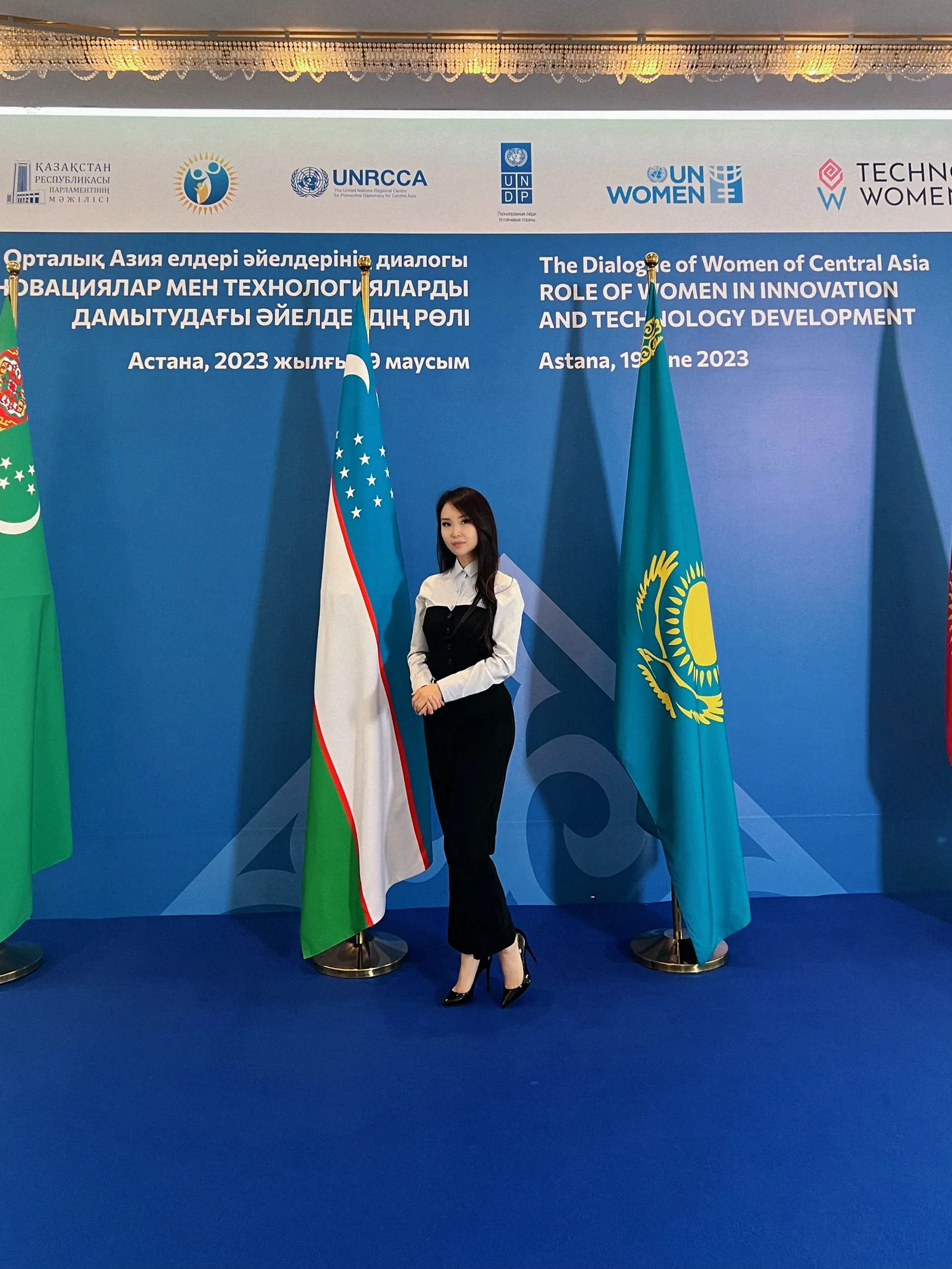
Yana Ten, 27 years old, city — Almaty, CEO and co-founder of ZebraEye, @yanaten.kr
About me
I entered the IT industry in 2019. I worked at DAR, where I was involved in creating strategies for startups in various regions and defining product requirements.
After that, I moved to a venture fund, where I met my future co-founder, Doszhan Zhusupov, the founder of the Cerebra startup.
Soon, I realized that I was drawn back to the startup industry, so I accepted an offer from Metayasi in Abu Dhabi and moved to the UAE.
Upon returning to Kazakhstan, I completed training at Y Combinator Startup School and began working on my own AI-based startup. I was assisted by co-founders Arman Ospanov and Doszhan Zhusupov. During the process, we developed the hypothesis for the ZebraEye project.
I delved into research and realized that we were moving in the right direction. Today, many people lead unhealthy lifestyles, constantly using gadgets and laptops, which means the first part of our body to suffer is the eyes.
We quickly assembled a team to create an MVP. It consisted of two ML engineers, one Frontend developer, and one Backend developer.
Target Audience
The main focus of ZebraEye is the diagnosis of rare eye diseases.
More than 500 million people worldwide suffer from rare eye diseases. Over 40% of them receive incorrect diagnoses and inappropriate treatment, leading to dangerous health consequences.
At the same time, 80% of these pathologies are genetic. This means that the number of people suffering from these diseases will not decrease but will only grow, as the demographic increases and the diseases are passed on to children.
To address this issue, we developed software that interprets images and assists doctors in diagnosing diseases. We help people with eye conditions determine an accurate diagnosis in a timely manner and begin treatment.

Incubation and Acceleration Programs
We were accepted into the pre-acceleration program at Draper University. At that time, the project was only two months old, and there was no traction at all. I did not understand the scale of the competition until I met the other 150 projects that were competing alongside me for a spot in the Silicon Valley accelerator. Among them were mature startups with major clients, million-dollar revenues, and investments from well-known investors.
We were the most "green" among them. It was scary, but in the end, we won the "Best Pitch" award, and ZebraEye was selected as the first out of 150 projects for investment consideration. We were given the chance to fly to California for the acceleration program, but I was denied a US visa, and our plans changed.
In September, we were accepted into the Silkway Accelerator. I believe that the accelerator from Astana Hub and Google for Startups is the best in Central Asia. After completing the acceleration program, we plan to commercialize and open a pre-seed round.
Recently, we also learned that we made it to the final of the Central Asian round of the She Loves Tech competition.
We are also going through the selection process for Endless Frontier Lab from NYU, one of the most prestigious programs for DeepTech and HealthTech projects. For this, we passed three interviews: technical, commercial, and medical.
Challenges
All startups face similar problems: constant lack of funds and difficulties in finding developers. AI startups additionally encounter challenges in finding data for training technologies. And women in startups face even more challenges.
My advice: do not listen to absurd beliefs that convince you that you are incapable of anything. I know many cases where people who "knew better" were wrong and regretted it, because it was precisely the projects they did not bet on that succeeded. This is not an exception but the rule.
Keep doing what you are doing, because no one knows your product and its potential better than you do.
Achievements
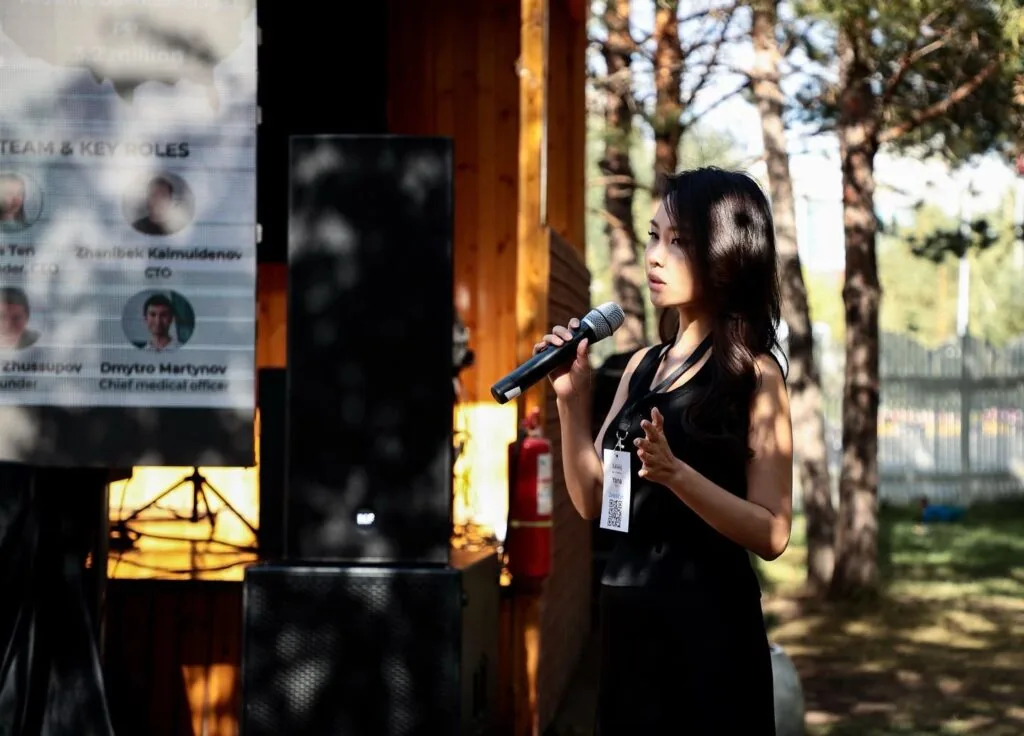
Within five months of the startup's founding, we managed to train ZebraEye on 100,000 OCT and endothelial microscope images, increasing diagnostic accuracy to 98.8%.
We also managed to get into some of the top programs in Central Asia and attract interest from foreign investors.
Plans
By the end of 2023, we plan to close the pre-seed round and begin preparatory work for entering the US market.
We will expand the product's capabilities for diagnosing other diseases. We have already trained the model on American medical data, and now we will focus on obtaining new images for other pathologies.
The Tech on Telegram Follow The Tech on Telegram
Keep up with the latest technology and startup news.
Related reading







More from this author

News
zypl.ai begins operations in Japan and focuses on next-generation risk models
Mansur Ismagulov

News
Elon Musk's net worth has exceeded $700 billion for the first time
Mansur Ismagulov

Article Interviews
"Central Asian countries should build a joint ecosystem," — Bekhzod Ismoilov on the development of AI in the region
Mansur Ismagulov

Article Interviews
Bloom's Taxonomy and Engineering Levels: A Practical Growth Model
Mansur Ismagulov

Article Useful
How the IT industry in Azerbaijan developed in 2025: key events
Mansur Ismagulov

News
Tajikistan has become a new member of the regional innovation alliance Central Asian Innovation Hubs.
Mansur Ismagulov