"Entering at an early stage is a strategically justified decision," — Murat Abdrakhmanov on focusing on Pre-Seed and the challenges of 2025
In an interview with The Tech, a Kazakhstani investor shared which projects inspire him and what prevents startups from entering the market of large clients.
Author - Mansur Ismagulov

The Tech AI
Get the key points in seconds - a short summary from The Tech AI.
Since the beginning of 2025, Murat Abdrakhmanov (Almaty) has personally closed more than five deals totaling $1.5 million, while MA7 Angels Club has closed eight deals totaling $4 million. Out of 250 projects reviewed, five were selected, primarily with a focus on the US market. The investor has shifted strategy toward Pre-Seed and Seed stages, highlighting AI projects such as Higgsfield AI and Nace.ai, and emphasizes the importance of CustDev for startups.
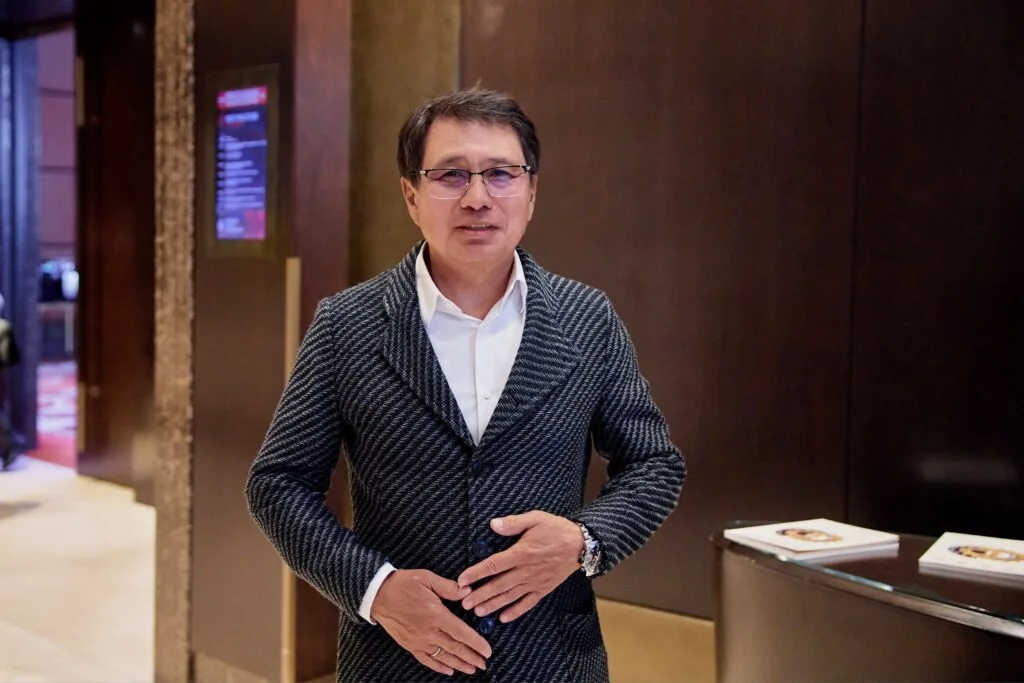
Murat Abdrakhmanov, city — Almaty, investor, founder of MA7 Angels Club
How 2025 began
Since January 2025, I have personally closed more than five deals: Hero's Journey, Pioneers, AltBridge, and Loadex AI. The total investment amount is approximately $1.5 million.
Additionally, our angel club — MA7 Angels Club — is actively developing. Through it, we closed another eight deals totaling around $4 million.
Since the beginning of the year, we have reviewed about 250 projects, five of which we invested in. There were also three follow-on investments in startups we had already invested in during 2023–2024.
In HR Tech, we funded the American project Pioneers, which uses a scaling model based on acquiring offline agencies.
In DeepTech, we invested in Uniblock, Higgsfield AI, and Zibra.ai.
In FinTech, the Prosper Pay project is actively developing.
Geography and trends
First and foremost, we focus on the US market. Of the eight projects we invested in this year, about 70% are targeted at the American market. At the same time, most of these startups have Kazakh roots. Kazakhstan remains our second priority, followed by the European Union.
We are starting to see world-class startups. Previously, local projects and copies of Western ideas dominated, but now we are seeing products that successfully compete in the global market.
Strategy and portfolio
My investment strategy has not changed significantly over the last 12 months. However, looking at a two-to-three-year horizon, there has been a shift. Previously, I focused mainly on Seed to Series A stages, but now I have shifted attention to earlier stages — Pre-Seed and Seed. This is especially relevant for AI projects, which are developing extremely dynamically. Entering at an early stage is a strategically justified decision.
About the future
This year, two startups particularly inspired me:
1. Higgsfield AI, already well-known in the market. The project has strong traffic and is creating some of the best AI videos in the US.
2. Nace.ai, founded by Bakytzhan Dos. The team is developing a small language model focused on auditing in the financial sector. The model demonstrates high accuracy — often higher than that of large LLMs — making it more adaptable for integration into enterprise structures.
Artificial intelligence remains a key direction. Currently, there is no industry it does not touch. The potential of this technology is truly enormous. Many niches remain untapped, opening up significant opportunities for new teams and investors.
At the same time, there are serious risks in this field. AI is transforming the entire market — including the startup market itself. Strong AI solutions are displacing less flexible and outdated companies. Major players like Google are already bringing powerful products to market, such as Veo 3, which intensifies competition and creates serious risks for many existing projects.
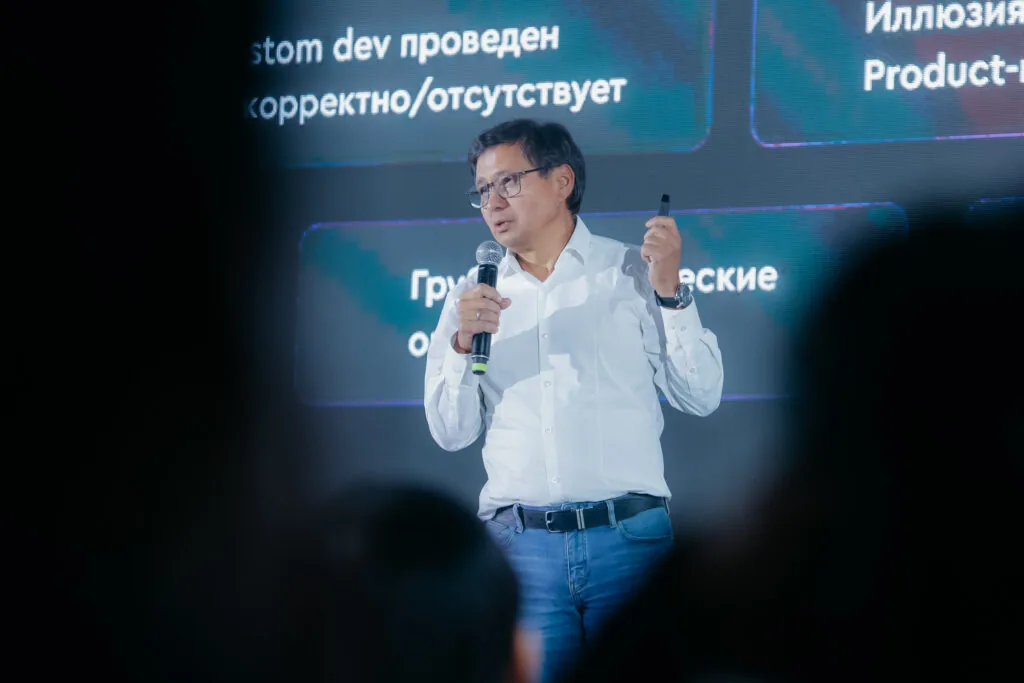
Investors currently face a number of challenges. The market is overheated with projects, and everything is changing rapidly. It is difficult to predict which startups will succeed. Even local success does not guarantee protection from global competitors. This makes selection especially difficult at the early stage.
For founders who are just starting to raise investments in 2025, it is important to focus from the very beginning on real market pain points. Do not rely solely on intuition — conduct CustDev as early as possible. Communication with potential customers is critical even at the initial stages. Do not build your product in isolation: the market may not react at all. The earlier you start receiving feedback, the higher your chances of creating a sought-after solution.
I would like to address large enterprise companies — be open to startups. It is extremely difficult for them to enter the market of large clients. We compete with the strongest players abroad. If we do not help our own ecosystem — no one else will. Let us give our startups a chance for real experience, growth, and entry into global markets.
We conducted an analysis of the performance of my personal venture portfolio over the last 10 years. The results were above market averages, confirming the correctness of the chosen strategy. Additionally, it is pleasant to observe the development of the venture community in Kazakhstan. More and more investors are embracing the idea of "healthy venture capital" — free of toxicity, with an emphasis on partnership and long-term development. This is a positive signal for the entire ecosystem.
The Tech on Telegram Follow The Tech on Telegram
Keep up with the latest technology and startup news.
Related reading







More from this author

News
zypl.ai begins operations in Japan and focuses on next-generation risk models
Mansur Ismagulov

News
Elon Musk's net worth has exceeded $700 billion for the first time
Mansur Ismagulov

Article Interviews
"Central Asian countries should build a joint ecosystem," — Bekhzod Ismoilov on the development of AI in the region
Mansur Ismagulov

Article Interviews
Bloom's Taxonomy and Engineering Levels: A Practical Growth Model
Mansur Ismagulov

Article Useful
How the IT industry in Azerbaijan developed in 2025: key events
Mansur Ismagulov

News
Tajikistan has become a new member of the regional innovation alliance Central Asian Innovation Hubs.
Mansur Ismagulov