WomenInTech. Professionalism, responsibility, and leadership of women in the world of technology
They are building careers in the tech industry, creating new courses and strategies, supporting dozens of startups, and shaping the future of artificial intelligence and the venture capital sector. Rana Alasgarova and Feruza Adilkhodjaeva represent two stories of professionalism, responsibility, and women's leadership, proving that in the world of technology, there are no gender barriers—only results and the desire to grow.
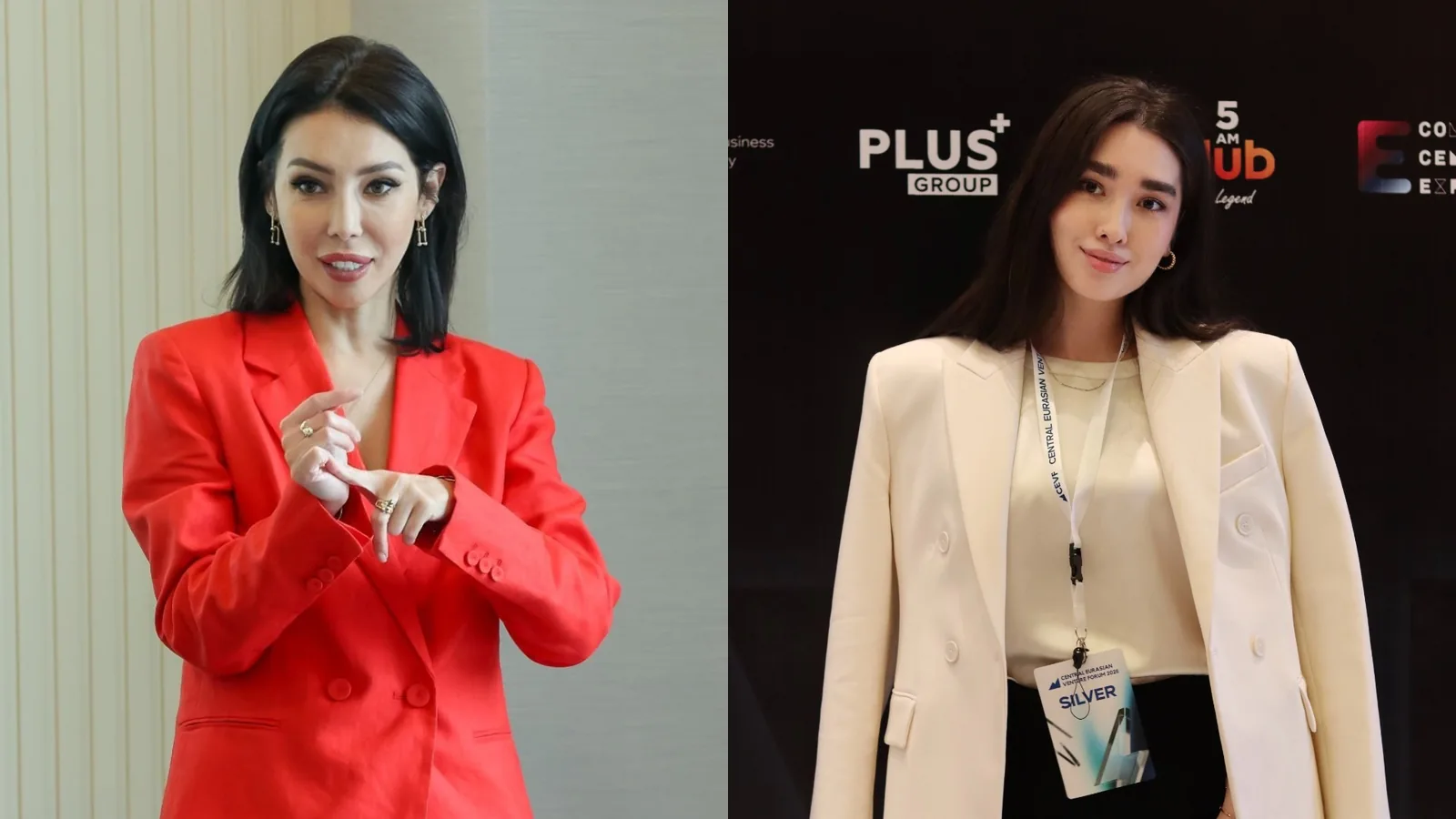
Rena Alasgarova, City — Baku, Adjunct Instructor at ADA University, LinkedIn
About Me
I am a researcher in the field of AI and technology. Currently, I am pursuing my fourth higher education degree. I hold a doctoral degree in International Leadership, and my second doctorate is in Linguistics. At first glance, this may not seem directly related to artificial intelligence, but linguistics helps me gain a deeper understanding of modern Large Language Models (LLMs) that work with texts and corpora.
For me, the diplomas themselves are less important than the drive to learn and adapt knowledge to specific contexts. Research published in the US or Europe cannot always be directly applied in other countries; it must be considered and adapted to the local environment.
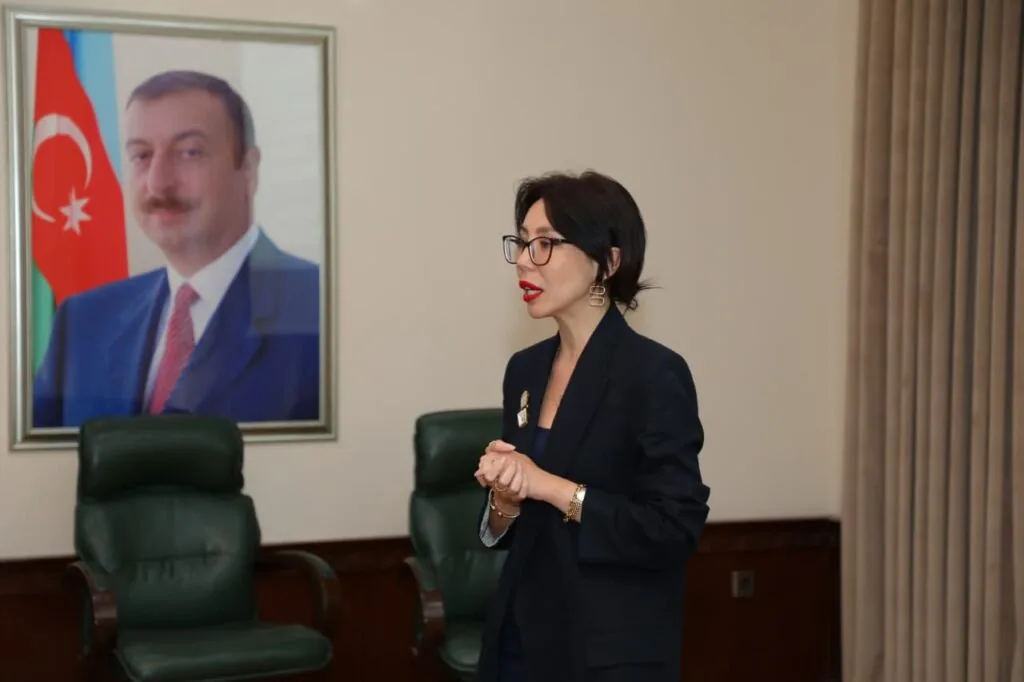
I study how AI affects people and education, and how to prepare students and schools for an AI-driven future. Here, it is not just about technology, but also about psychology, philosophy, and human-computer interaction.
About three years ago, I developed the first university course on AI in Azerbaijan for students at the School of Education. This was a humanities-focused course covering the philosophy, ethics, and impact of AI on people, rather than its technical aspects.
Today, many people use systems like ChatGPT or Gemini, despite their potential for errors. Therefore, my work involves developing guidelines and approaches for the responsible use of AI. The central question I always focus on is: how does artificial intelligence affect us, as humans? After all, behind any technology are the people who create and apply it.
How I Entered the IT Profession
My journey began in 2003, when I taught English as a second language. Later, I retrained to teach English as a native language under the Cambridge program, taught literature, managed a program, and for a long time headed a senior high school.
At some point, I felt I wanted more. I became interested in research and new technologies. A colleague introduced me to artificial intelligence. When we started using AI to find answers to questions, I noticed that students were also actively using it. Their reaction was a revelation to me: they were surprised that a teacher older than them had a good understanding of AI. It was they who pushed me to explore this topic more deeply.
Initially, we discussed the application of artificial intelligence in academic settings, but the conversation quickly moved beyond writing essays and completing assignments. Questions arose about ethics, empathy, human-technology interaction, and the impact of AI on society. This became a turning point. I began participating in conferences, writing articles, and joining research and professional organizations in Azerbaijan and abroad. Currently, I am also a member of the Education Committee of the British Chamber of Commerce in Azerbaijan, where I work on issues related to artificial intelligence in education.
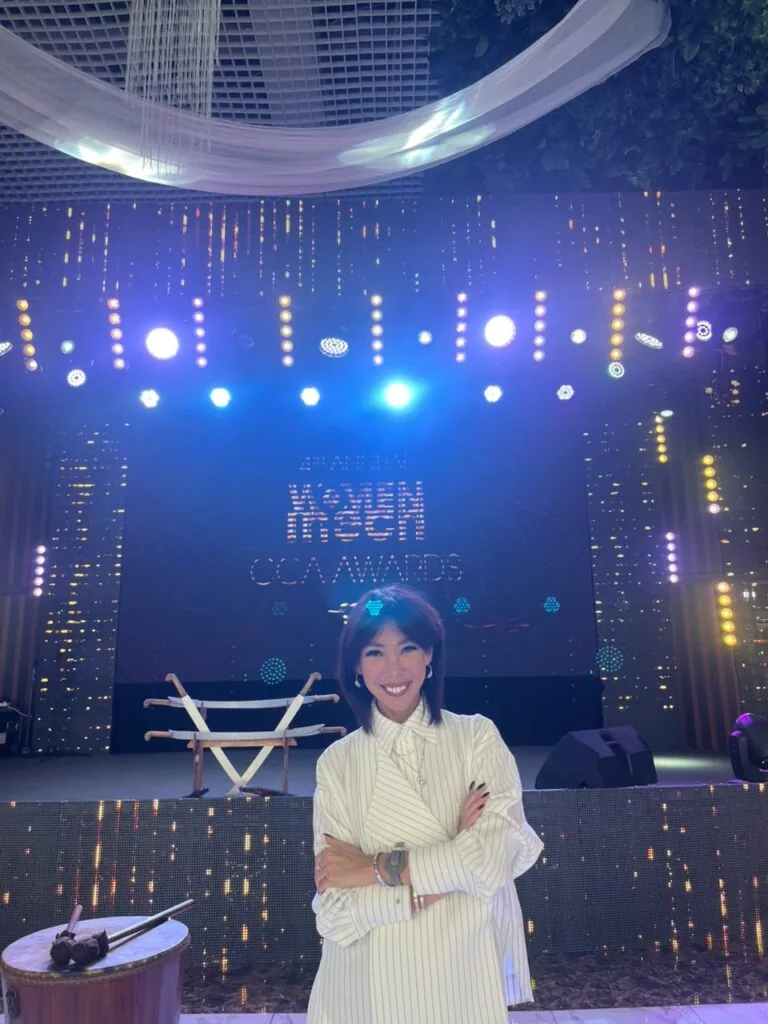
About Stereotypes
Stereotypes do not always manifest in direct statements. Much more often, they work invisibly: a woman has to prove her competence more frequently, her ideas may receive less attention, and her contribution to the overall result may remain less visible.
This phenomenon is known as the "Matilda Effect." It describes the systematic undervaluation of women's contributions to science and technology: their achievements may be ignored, receive less recognition, or be attributed to more prominent male colleagues. This is confirmed by research. For example, a study published in the journal Nature in 2022 covered nearly 129,000 participants and about 10,000 research teams. Its authors found that women working on projects were 13% less likely to be listed as authors of scientific articles and 59% less likely to be listed as patent authors compared to their male colleagues.
However, I do not view the "Matilda Effect" exclusively as a historical term. In IT, it can still manifest today: when a woman's idea is noticed only after a man repeats it. When the result is primarily attributed to the manager, while the team's contribution remains unnoticed, or when a woman is perceived as a good executor but not immediately recognized as an expert or potential leader.
I have personally encountered similar situations. Additionally, age plays a role: young specialists often find it harder to gain recognition as experts, regardless of their level of competence.
Barriers for Women in IT
When I say that I research artificial intelligence, many people initially assume that I deal with its technical side. But my field is the philosophy of AI, ethics, AI governance, policy development, and guidelines. For example, I participated in preparing recommendations for the European Union. Many are surprised because the stereotype that AI is exclusively a technical field still exists.
Cultural perception may play a role here: men are more often associated with technical fields, while women are associated with humanities. Therefore, it is important to show that working with AI is not limited to programming and engineering.
Beyond recognition of work already done, women may face barriers even at the career growth stage—when accessing new opportunities, professional networks, and leadership positions.
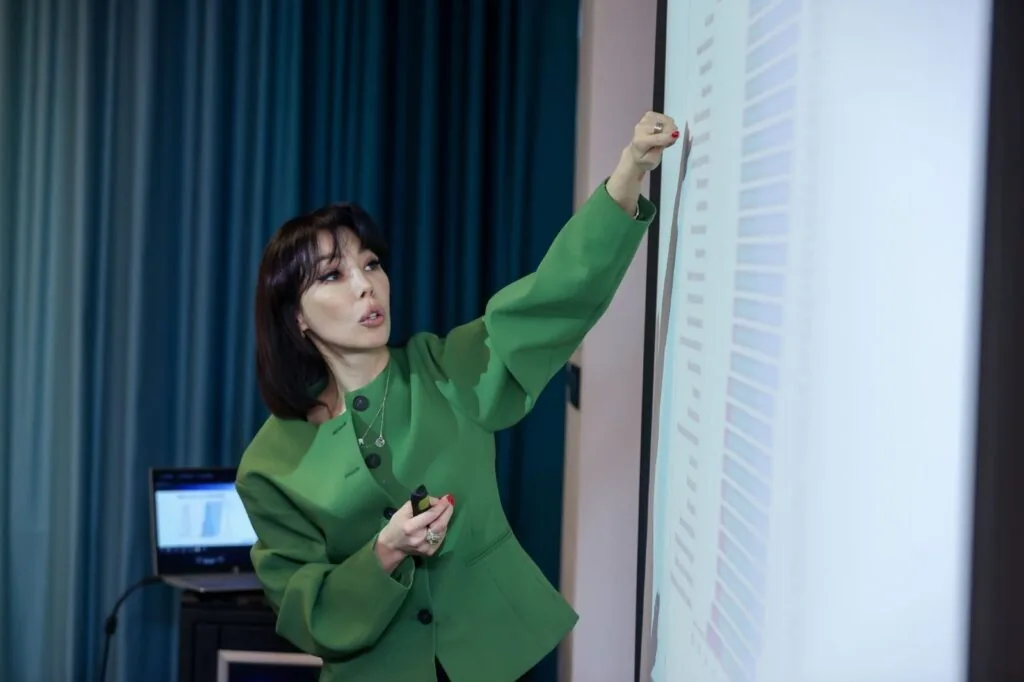
According to UNESCO, women make up about 35% of STEM graduates, but among leaders in this field, their number is significantly lower. Therefore, it is important not only to attract women to technology but also to create conditions for their professional growth.
Among the main obstacles, I would highlight the lack of role models and mentors, limited access to professional communities, and double standards regarding leadership. Men's confidence is often perceived as a sign of leadership, whereas the same behavior in women may be evaluated differently.
What helped me was that I did not view my interdisciplinary path as a disadvantage. On the contrary, I combined experience in education, research, strategy, and AI management. Additionally, continuous development, participation in international projects, publications, speaking engagements, and professional connections played a major role. It is important not only to have a mentor but also to find people willing to support you and validate your competence where decisions are made.
At the same time, responsibility cannot be placed solely on women. Organizations need transparent career growth criteria, access to mentorship, and a culture where different leadership styles are perceived equally professionally.
Recommendations for Those Just Starting Their Journey
- Do not wait for the moment when you feel completely ready. In IT, it is impossible to learn everything at once because technology is constantly changing, especially in the era of artificial intelligence. Therefore, it is important to have a solid foundation but not be afraid to start, try new directions, and learn along the way.
- You need not only to perform your work well but also to be able to talk about your results. This is not boasting, but professional visibility. It is important to document your achievements, participate in projects, speak, publish, and share knowledge.
- It is important to seek a professional community, mentors, and colleagues with whom you can exchange experience. Do not be afraid to ask questions and request feedback. Very often, career opportunities arise through collaboration and professional connections.
- Do not view your career as a straight line. Sometimes a change in direction, a mistake, or a temporary setback can become the beginning of a new stage. The main thing is to maintain curiosity, continue to develop, and not let others' stereotypes define the boundaries of your potential.
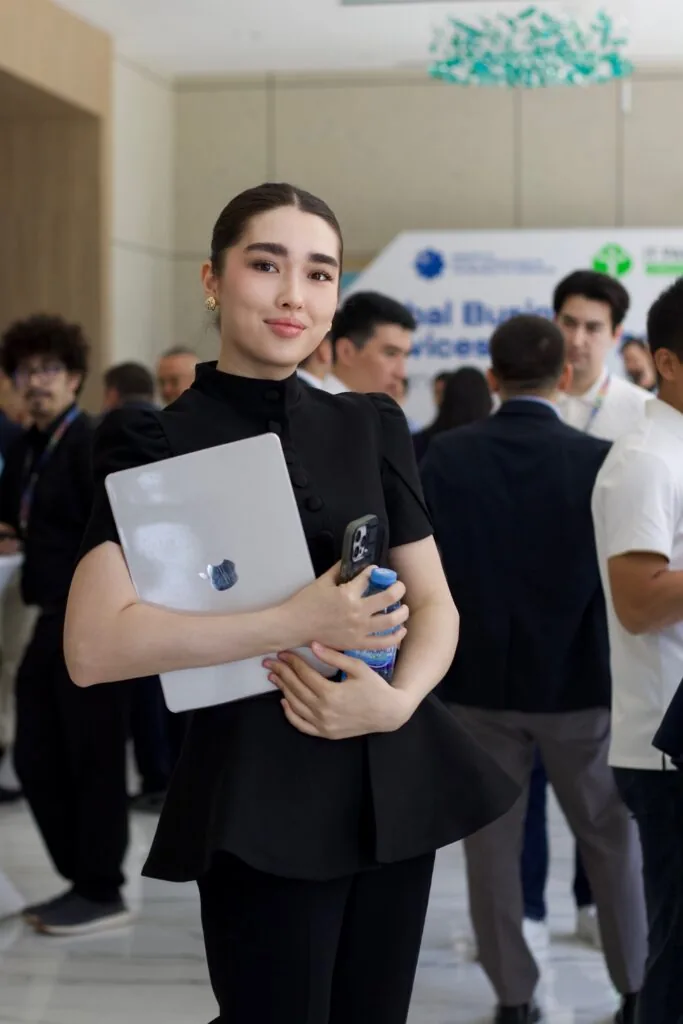
Feruza Adilkhojayeva, City — Tashkent, Head of PR and Marketing at IT Park Ventures, Instagram
About Me
I have been working in the field of PR, strategic communications, and event organization for over 10 years. Today, I lead the PR and marketing direction at IT Park Ventures—a venture fund with a portfolio of more than 70 startups. We support technological startups and contribute to the development of Uzbekistan's innovative ecosystem.
Working in a venture fund differs significantly from PR in a regular company. Here, it is important not only to tell about the organization's activities but also to understand the business of each portfolio startup, its product, market, development stage, and team. This helps build effective communication, explain the venture industry in simple terms, and increase entrepreneurs' interest in investments, technological entrepreneurship, and innovation.
Together with the team, we form the fund's communication strategy, work with international and local media, support investment deals from a PR perspective, increase the visibility of portfolio startups, and organize their participation in international forums, exhibitions, and industry events.
It is no less important to tell stories about startups at an early stage of their development. Today, many of them are just starting their journey, but tomorrow they could become world-class companies. At the same time, our portfolio already includes projects with hundreds of thousands and millions of users who are successfully scaling their products. It is pleasing to know that we accompany these stories from the very beginning, helping promising projects become more visible to investors, partners, and a wider audience.
How I Entered the IT Profession
My career began even during my university studies, when I promoted the brands of Uzbek designers and organized events. It was then that I realized that communications are not just about working with texts, but also about understanding people, building relationships, and creating projects that resonate with the audience.
Later, I worked in the International Department of the Ministry of Culture of Uzbekistan, then was responsible for internal and external communications in a large retail holding. The next stage was working at IT Park Capital, and later I joined IT Park Ventures, where I currently lead the PR and marketing direction.
When I was invited to IT Park Capital, I doubted whether I could find myself in IT. It seemed to me that without a technical education, it would be difficult in this field. However, I soon realized that communications, trust, and the ability to explain complex products in simple terms are no less important here than technology.
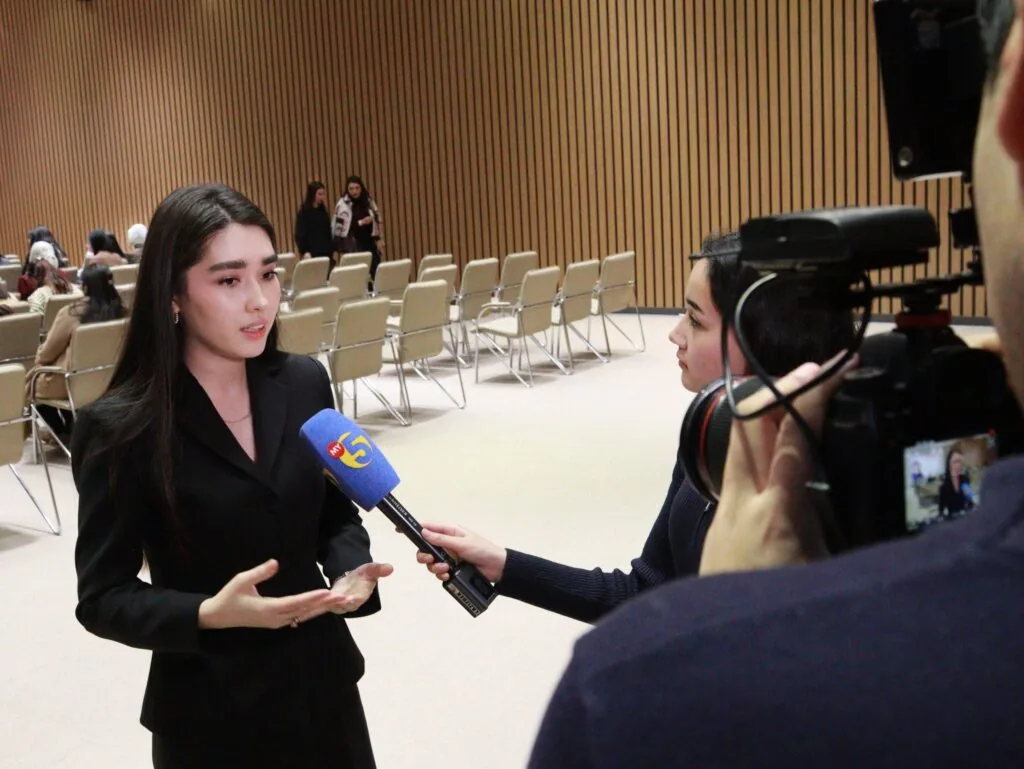
After moving to IT Park Ventures, I had to dive deeply into the venture industry and study dozens of startups. At the same time, I completed the Top Manager program, PR school training, and became a participant in the Silkroad Venture School. It was important for me to understand the market I was talking about, not just engage in communications.
Today, it is especially pleasant to see the results of this work: portfolio companies are entering international markets, attracting investments, and becoming the subject of publications in foreign media. For example, our investment in the Islamic fintech startup Ayan Capital generated significant international interest.
What inspires me most is that more and more young people are striving to create their own technological products. I often receive inquiries from aspiring entrepreneurs about attracting investments, and it is pleasing to see how new companies gradually emerge from initial ideas.
About Stereotypes
Luckily, I have not personally encountered stereotypes in my professional activities so far. To a large extent, this is, in my opinion, the result of large-scale transformations in the field of supporting and protecting women's rights, which are currently being actively implemented in Uzbekistan.
Management trusts me with complex projects, gives me the opportunity to make independent decisions and develop new directions. For me, trust is the best assessment of professionalism.
Of course, no successful career is built alone. I am very grateful to my family for their support and understanding. Thanks to the care of my loved ones, I am able to combine professional development, team leadership, and continuous learning.
Barriers for Women in IT
In my opinion, significant positive changes have occurred in Uzbekistan in recent years. More and more girls are choosing education and careers in the field of technology; new educational programs, professional communities, and initiatives are appearing that help them realize their potential.
At the same time, it is important to understand that the modern IT industry is not just programming. Today, specialists in communications, marketing, design, analytics, product management, investments, and many other fields are in demand.
My own experience has shown that the most important thing is not to be afraid to take responsibility and constantly develop. The technological industry changes quickly, so learning becomes not just a stage of a career, but a permanent part of it.
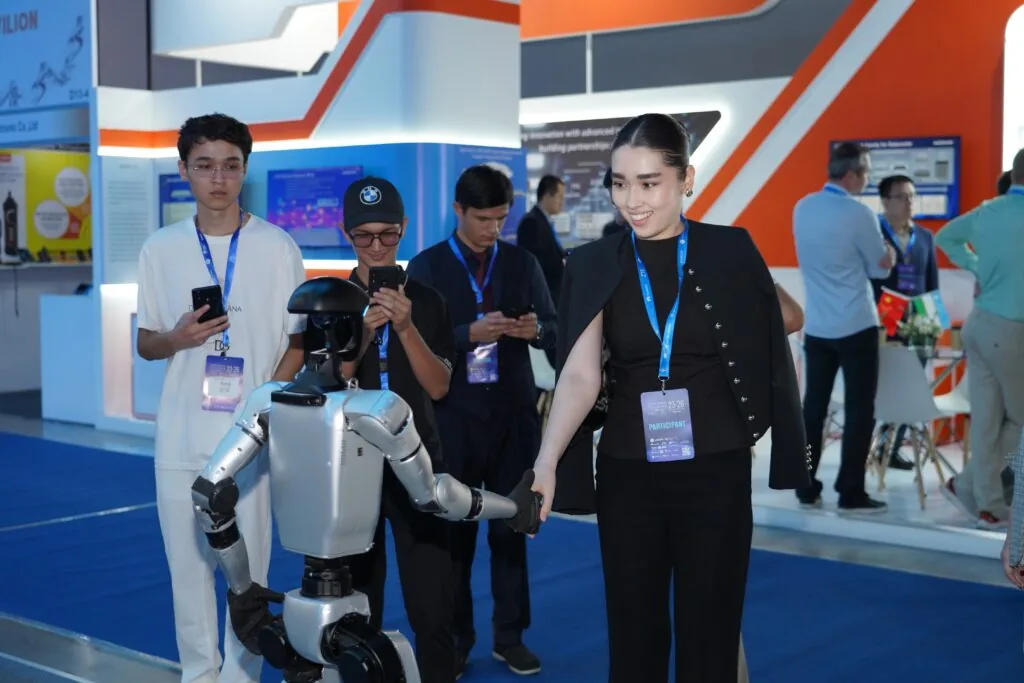
Recommendations for Those Just Starting Their Journey
Do not be afraid to step out of your comfort zone. Sometimes the most important career opportunities come precisely when it seems that a new field is too complex or completely unsuitable for you. This is exactly how it happened to me once.
Invest in your knowledge, develop professional skills, learn to build communication, expand your network, and do not be afraid to ask questions. If you enter a new industry, try to understand it deeply first, and only then share your opinion and experience. This approach helps make more balanced decisions, quickly earn the trust of colleagues, and bring real value to your team.
There is a rule in my work that has helped for many years: always have a backup plan. In communications, it is impossible to foresee absolutely everything, so the ability to quickly adapt and find solutions becomes one of the most important professional qualities.
And, perhaps, the most important thing is to remember to stay true to yourself. I sincerely want every girl to understand: you do not have to choose between a successful career and being a woman. You can lead teams, make important decisions, implement international projects, and at the same time maintain kindness, sincerity, and femininity.
Being a woman is wonderful. I am convinced that our ability to unite people, support them, notice details, and look at many situations through a female perspective helps not only in life but also in our profession. And I am glad to see that today more and more women are confidently asserting themselves in the world of technology, business, and innovation.
The Tech on Telegram Follow The Tech on Telegram
Keep up with the latest technology and startup news.
Related reading






More from this author

Article Useful
How to protect your accounts from hacking: 8 settings you should check today
The Tech

Article Useful
500 Global: How the Accelerator Works and Who Can Receive Investments
The Tech

Article Interviews
Game Development in Central Asia: Arkady Moldavski on Developing Reverb and the Growth of the Industry
The Tech

Article Useful
Google, Tesla, BlackRock, and the IMF: Where to Apply for an Internship in Fall 2026
The Tech

News IT
Tesla unveiled the flying electric car Roadster
The Tech

News IT
Intero Biosystems startup won the Startup Battlefield at TechCrunch Disrupt 2026
The Tech