WomenInTech. "There are no insurmountable obstacles," — girls from Central Asia on career and opportunities in IT
The Tech AI
Get the key points in seconds - a short summary from The Tech AI.
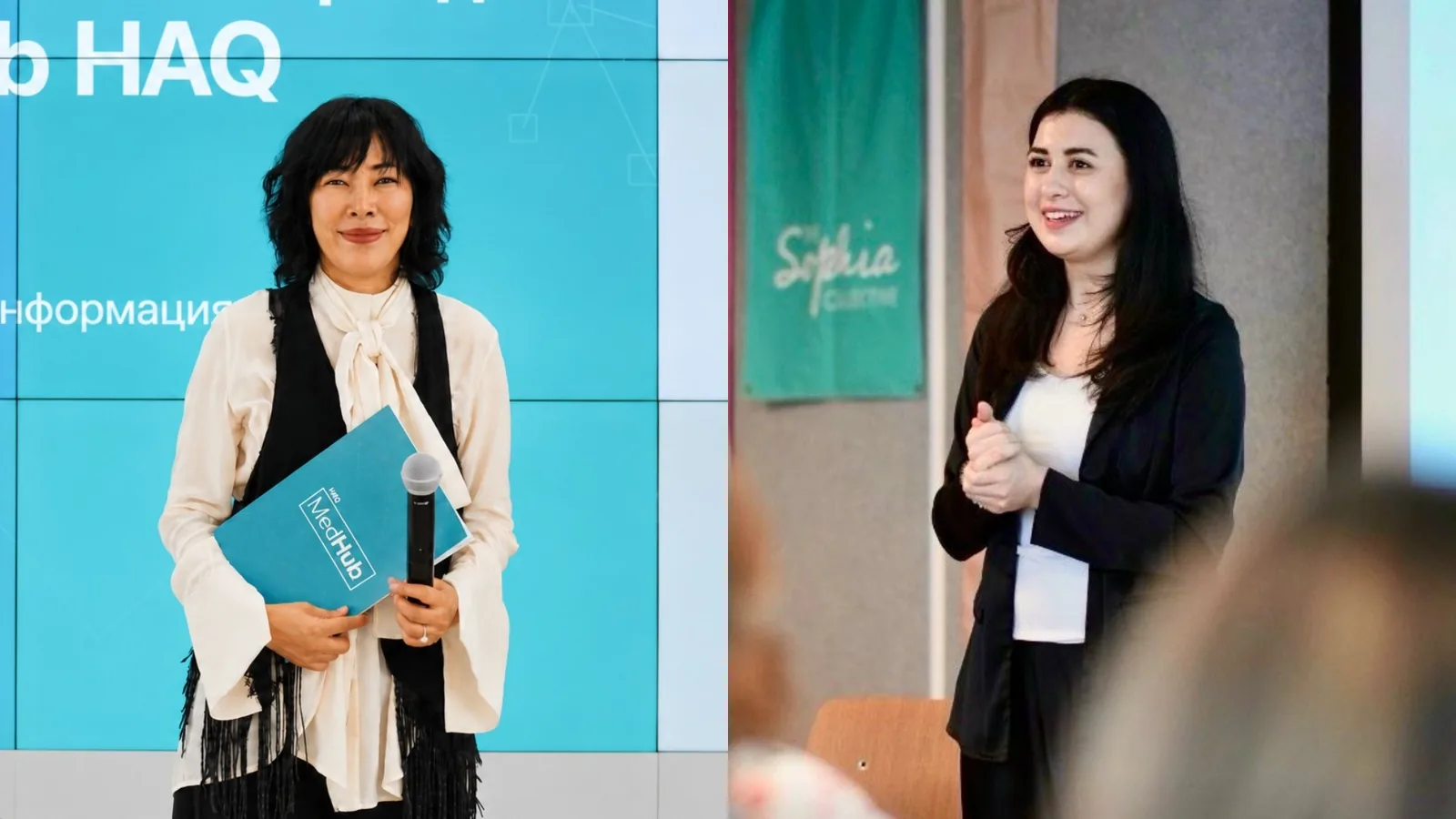
Togzhan Kozhaly (Astana) and Zebo Farkhodzoda (New York) shared their career experiences in IT. Togzhan is the CEO of EmAI and MedHub HAQ, having transitioned from medicine to telemedicine to address the issue of doctor accessibility. Zebo is an Applied AI practitioner and a graduate of NYU Abu Dhabi, who created the Lowa project with BCI. Both highlight stereotypes about women in technology and the importance of self-belief.
We spoke with women from Kazakhstan and Tajikistan who have journeyed from their first steps and professional setbacks to entrepreneurship, international experience, and leadership roles. They shared insights into their career paths, challenges, and opportunities in IT. Read more in our interview.
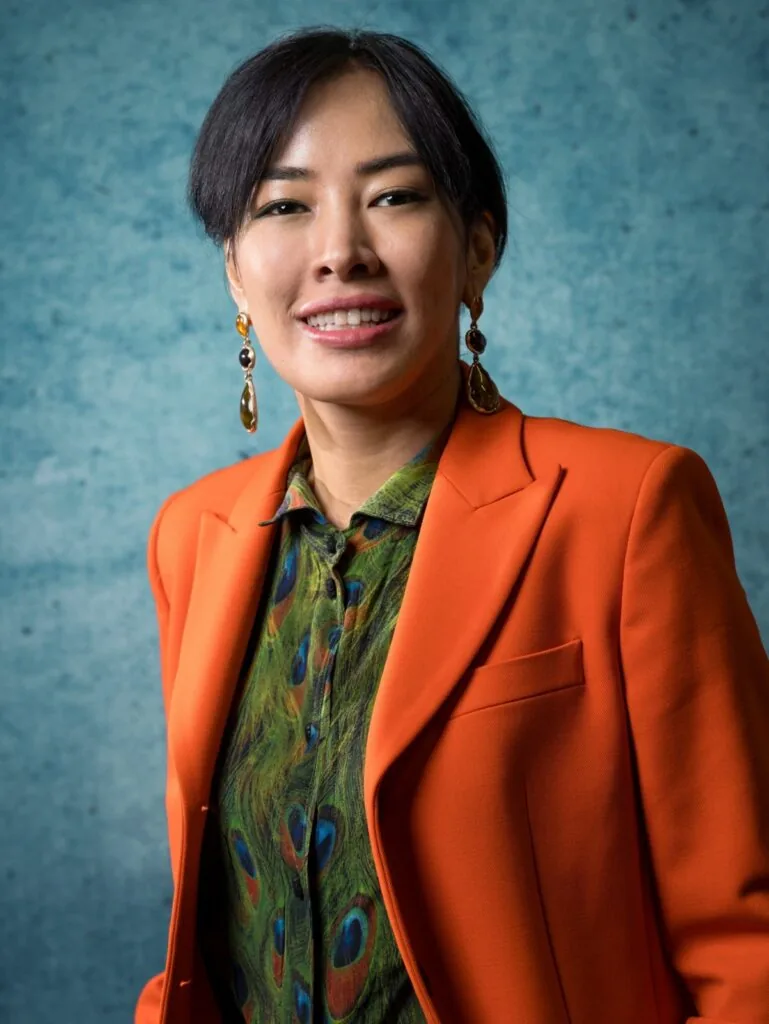
Togzhan Kozhaly, City: Astana, CEO and Founder of EmAI and MedHub HAQ, serial entrepreneur, public figure, Facebook, Instagram, LinkedIn
About Me
I am the founder of two MedTech companies. The first is EmAI, a telemedicine project—a digital clinic where doctors consult patients on a special platform just as they would during an in-person appointment.
The second is MedHub, which develops several directions. The first is the acceleration and development of a studio for MedTech startups and companies. We partner with Astana Hub and universities, systematize startup operations, and help them enter the market more effectively.
The second direction is a medical data exchange platform. After anonymization, medical data—such as scans, prescriptions, and other information—can be used and transferred to organizations in compliance with legal and information security requirements. We aim to systematize this market so that every dataset has its own passport and digital footprint while maintaining data quality.
The third direction is the digitalization of healthcare. This field is quite conservative and often views technology as a competitor. We want to change this mindset and demonstrate that digital technologies are assistants to doctors, not their competitors or replacements.
I am also involved in public activities, including serving on the national commission and participating in public projects.
By education, I am a historian specializing in Oriental studies. I graduated from Al-Farabi Kazakh National University, where I studied Arab countries, the Arabic language, and English. I entered business in 1994. For about 11 years, I worked in Moscow in the field of medical insurance, then served as a manager and top executive at the "Mediker" network and worked at the Moscow-based company "Alliance," one of the world leaders in medical insurance.
I have been professionally working in the medical field since 2005. For about eight and a half years, I worked at the KazEnergy Association, where I oversaw social development, medical initiatives, HR issues, and health-related matters.
How I Entered the IT Profession
When I first started studying, I spent a year taking courses on automated control systems. At that time, I wanted to become an IT engineer specializing in control systems. However, life took a different turn.
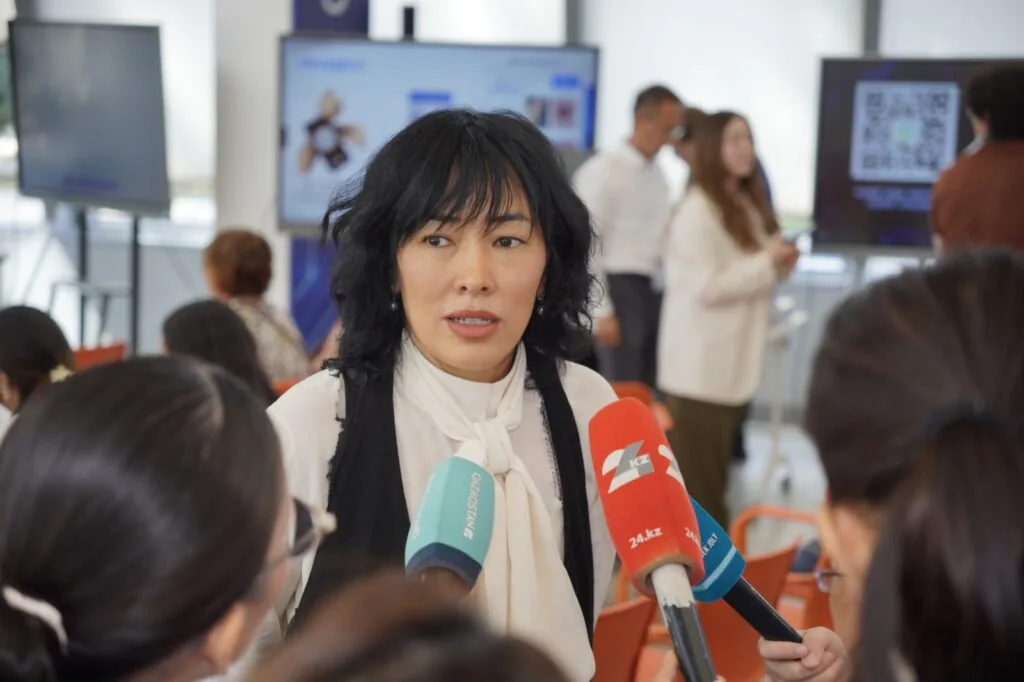
I gradually entered the IT sector. "Alliance," where I worked in Moscow, was actively developing IT directions, including telemedicine and digital technologies. Later, while working at KazEnergy, I participated in developing the concept for the "Alatau" Innovation Technology Park in 2015.
When I worked for the National Commission on Women's Affairs and traveled to the regions, I saw a serious problem: there was a shortage of doctors, including specialists in basic fields. Women often could not get consultations from gynecologists, reproductive specialists, or even therapists.
I started looking for a solution. Telemedicine was already actively developing in Russia, and I realized that online medicine could help ensure access to doctors regardless of where people lived.
But it shouldn't just be a WhatsApp or Zoom call. In a secure system, patients should be able to send doctors test results and other medical documents, and consultations should be preserved with a digital footprint.
Thus, we created a platform for full-fledged video consultations. I entered telemedicine specifically to solve the problem of doctors' accessibility for people in the regions.
About Stereotypes
Particularly strong women work in the oil and gas industry. When I entered this sector, there were many strong leaders and specialists. The KazEnergy Association was a serious organization representing the interests of the oil and gas sector in interaction with the state. I was its Executive Director and one of five women in such leadership positions.
When I attended large meetings with representatives from Gazprom, KazMunayGas, and other major companies, I was initially unknown. I looked younger, even though I was already 37, so I might have been mistaken for an employee who was just present at the meeting. I had to explain that I was the Executive Director of the association.
Another common stereotype is the question of how a woman achieves success: who is her husband, father, relative, or patron? When I got married at 40, even though by that time I was already the Executive Director of the association and had achieved much in Moscow, there were still people who believed that my success was due to my husband's relatives. This stereotype is widespread in Kazakhstan and, perhaps, throughout the post-Soviet space: if a woman is prominent and successful, she must have a patron.
I was neither a daughter nor a protégé, and I achieved everything thanks to my education, which my parents provided. They were ordinary representatives of the intelligentsia: teachers and accountants. Thanks to my upbringing and the character my father passed on to me, I was able to break through on my own.
Barriers for Women in IT
First, the stereotype persists that women in IT can only work in SMM and marketing. However, at a Samsung hackathon where I was present, about 60% of the startups were created by women. Moreover, these were engineering projects involving the development of gadgets and equipment.
I arrived there as a representative of the national commission and asked what girls are taught in the field of digitalization. It turned out that they are primarily taught SMM and marketing. This perception of women's roles in digitalization exists even in developed cities, and the situation is even more complex in the regions.
When I attended the Women Leaders in Energy Congress in the Emirates, I saw a completely different picture. For example, the head of the drilling operations block in Lebanon is a woman, and the Minister of Oil in Kuwait was also a woman. They work in both technical and leadership positions. We have significantly fewer women in operational and technical divisions due to the stereotype that women cannot be technical specialists.
Therefore, this is not only a problem for women but also a matter of our mentality. To this day, one can hear that it is better for a woman to get married and focus on family rather than build a career in a technical field. Such attitudes are encountered even in education.
We need to change the approach already at the school level: create more STEM programs and give girls the opportunity to receive quality technical education. It is also important to change the attitudes of parents and society—girls should be supported from childhood in choosing engineering or technological professions.
At the same time, women are already making significant contributions to science and technology. However, they are still underrepresented in leadership positions: among university rectors today, about 10% are women, especially few in technical universities.
Recommendations for Those Just Starting Their Journey
You need to cultivate independence and rely primarily on yourself. Because in our society, it is often considered that the whole meaning of a girl's life lies in marriage. Girls are raised with the idea that they need to marry well and have children. The happiness of any person lies in self-organization and self-realization, including in family and personal development. It is especially important for girls to remember that they need to develop in two directions—personal and family—and never place one above the other. One should strive to combine these two goals in life and never forget about them.
It is also important to remember that no one is better or worse than another. A woman is a human being just like a man.
In our lives, many think that career depends on someone else. But a career depends primarily on the person themselves—their character, drive, perseverance, and persistence. You need to have character and courage to try to break through the wall standing in front of you. You can go around it, you can break it, but there are no insurmountable human obstacles. In this world, anything is possible.
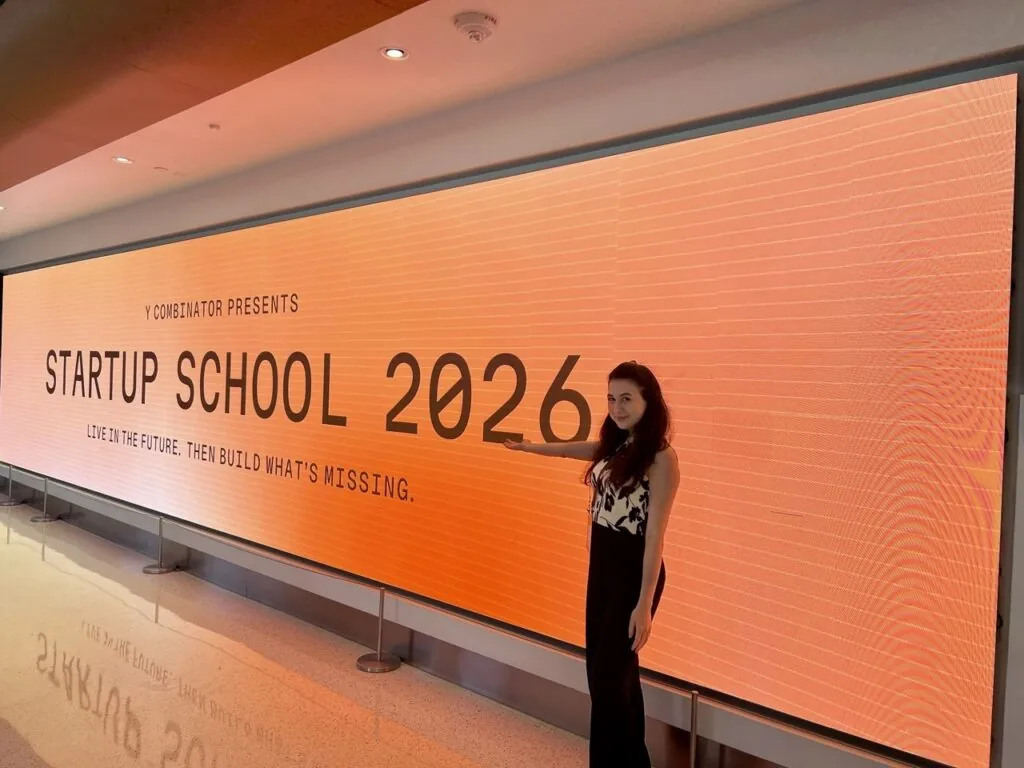
Zebo Furqatzoada, City: New York, Applied AI practitioner, LinkedIn
About Me
I recently graduated from New York University Abu Dhabi with a full scholarship. After that, I was selected for the Silkroad Innovation Hub, where there were about nine of the best students from America and Central Asia. We lived on campus and worked on our projects.
My first encounter with tech was through the Technovation program. I was very young, assembled a team, found a problem that interested me, and created the first prototype. It was my first experience: I learned to notice problems, assemble a team, and work on product creation.
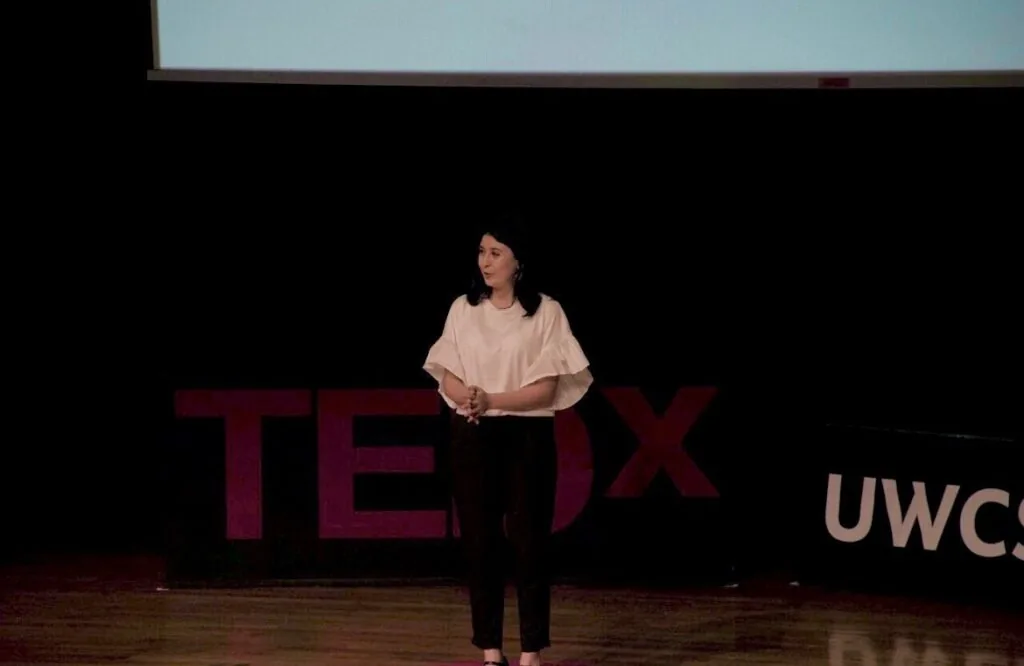
After that, I was selected for the US State Department's TechGirls program. I became one of six finalists. There, I deepened my knowledge of Data Science and worked with strong experts. Part of the program took place at SUNY in Virginia, where I also took Data Science courses. After TechGirls, I received a full scholarship to United World College Singapore, which is part of the United World Colleges movement.
How I Entered the IT Profession
I studied under the International Baccalaureate program and simultaneously worked on projects. Then, my friend and I launched Writerama—a platform for girls from Central Asia in IT, where they could engage in creative writing.
After two years in Singapore, I received a scholarship to New York University Abu Dhabi. The university fully covered my tuition and gave me the opportunity to gain experience in different countries. I was in India, Nigeria, Finland, and almost every semester applied IT skills in new projects.
For example, in my first semester, I worked at the venture fund Shorooq Partners—conducting initial screening of tech startups. I needed to understand how their products were structured, so technical skills became the foundation of this work.
During my semester in Shanghai, I launched a platform that connected schoolchildren and parents in China with university students from Singapore, Abu Dhabi, London, and the US. They could directly learn about studying and life at universities without intermediary consultants.
Later in New York, I wanted to combine hardware and software. I chose the direction of brain-computer interfaces and independently began studying the technology. Thus, the Lowa project was born—a video game with BCI for children with reading and writing difficulties. The technology determined where the user's focus was directed and adapted the game in real time. The project attracted the attention of venture investors in New York and Silicon Valley.
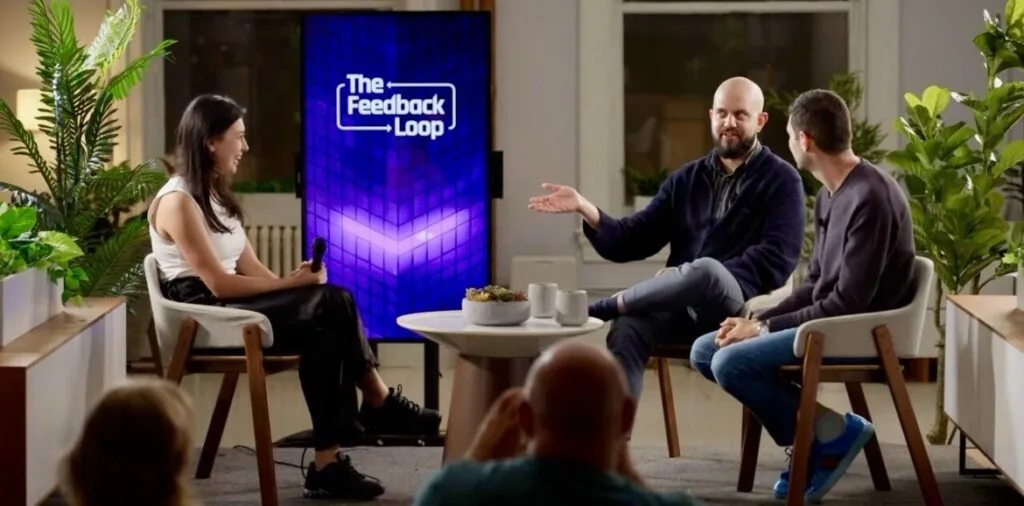
After that, I became the first representative from Central Asia selected for the Emergent Ventures program. Later, I was invited to international conferences and programs, including Harvard Girls into VC and O'Shaughnessy Ventures, where only 22 people were selected from 12,000 participants.
For a long time, I was on the participant side—as a student and project creator whose work was evaluated by others. Now I have moved to the other side: I am invited as a judge at international hackathons. I was a judge at a hackathon held simultaneously in 17 countries, an IBM event with over 500 participants, and a hackathon with Lovable AI in partnership with AI Week in Milan.
About Stereotypes
I think this is less about stereotypes and more about our mindset. What we think about ourselves and how we believe society perceives us strongly affects us. For me, at every stage, the main thing was to believe in myself.
I talk about what worked, but of course, there were projects, jobs, and programs that didn't work out. I just kept working and trying, so now I talk about that one percent that eventually worked. And sometimes even one percent is enough to get a good result.
My main challenge is to keep moving forward after failures, because they are a normal part of the journey. Perhaps it is important to be a little delusional: to strongly believe in yourself and keep trying, even when there are no guarantees.
I do not perceive external circumstances as something that can stop me. Of course, being a woman in such fields, especially in Central Asia, is difficult in many ways. There are problems I cannot change, but I can control how I think and perceive the situation.
If a person has self-confidence, over time they begin to receive real proof of their abilities—through results, projects, and experience. And when you already have these proofs, stereotypes are much harder to stop you.
Barriers for Women in IT
Many receive rejections—in programs, projects, competitions. Especially when they are just starting. Here are two options: either the person gives up, or they keep working.
When I was in Khujand and applied to TechGirls, the first time I didn't even make it to the interview. It hurt to receive a rejection. For a week, I thought about why it happened, and then I decided to look at myself from the outside and get honest feedback. I wrote to different people in Khujand and told them about my idea. Then I realized that I didn't yet have sufficient confirmation of my experience and results.
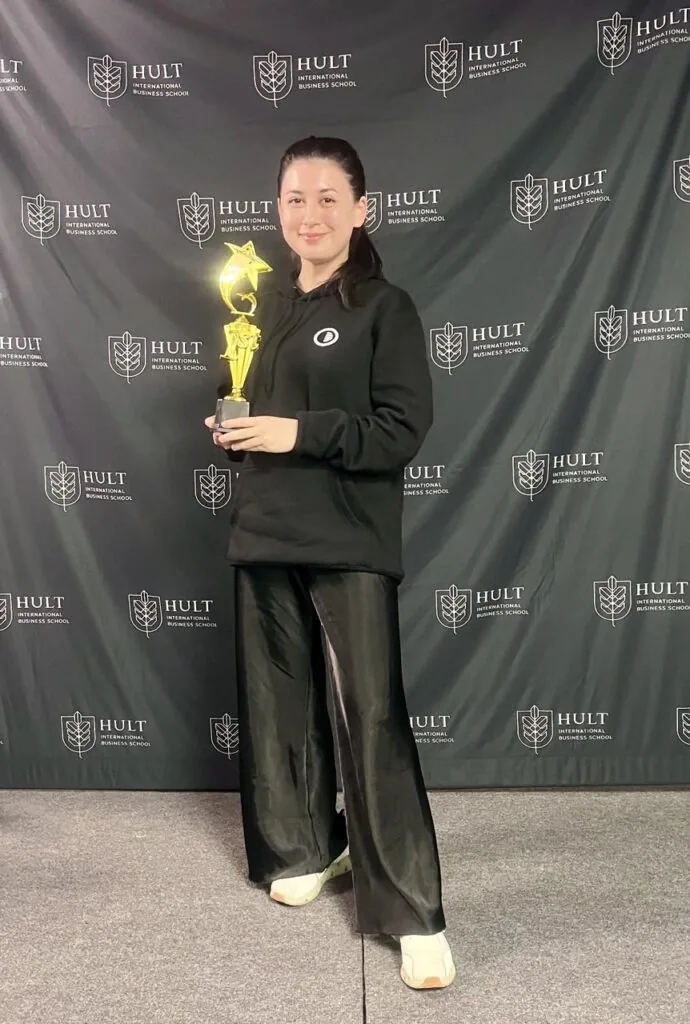
The next year, I worked on myself and my portfolio. We became the first team from Uzbekistan to reach the semifinals. I gained leadership experience, learned to find and solve problems, and create teams. In Khujand, I opened debate sessions for youth to develop leadership skills.
With a new portfolio, I applied to TechGirls again, was invited to an interview, and after it, I became a finalist of the program. I share this story because usually, we only hear about the result. But my philosophy is that to achieve it, you need to try many times. And where others give up, you keep going. Therefore, my main challenge was believing in myself and working on myself.
Recommendations for Those Just Starting Their Journey
My first call to action for girls is to look around and see a problem that you really know, feel, and understand.
Today, instead of a long presentation, you can use no-code and AI tools to quickly build the first MVP. Then you need to go to 5-10 users, get feedback, identify problems, and quickly improve the product.
Thus, you can gradually move from 10 users to 100 and beyond—and build products that millions of people love. Therefore, I advise deeply studying AI and tools that help become super-users of such products. They can save time and simplify the process. I advise becoming experts in Applied AI and building products.
The Tech on Telegram Follow The Tech on Telegram
Keep up with the latest technology and startup news.
Related reading






More from this author

Article Useful
How to protect your accounts from hacking: 8 settings you should check today
The Tech

Article Useful
500 Global: How the Accelerator Works and Who Can Receive Investments
The Tech

Article Interviews
Game Development in Central Asia: Arkady Moldavski on Developing Reverb and the Growth of the Industry
The Tech

Article Useful
Google, Tesla, BlackRock, and the IMF: Where to Apply for an Internship in Fall 2026
The Tech

News IT
Tesla unveiled the flying electric car Roadster
The Tech

News IT
Intero Biosystems startup won the Startup Battlefield at TechCrunch Disrupt 2026
The Tech