WomenInTech. "We're Changing the Trends," — Successful Women in IT on Their Impact on the Industry
Girls from Singapore and Tashkent shared their unique experiences and discussed current issues faced by women in IT.
Author - Mansur Ismagulov

The Tech AI
Get the key points in seconds - a short summary from The Tech AI.
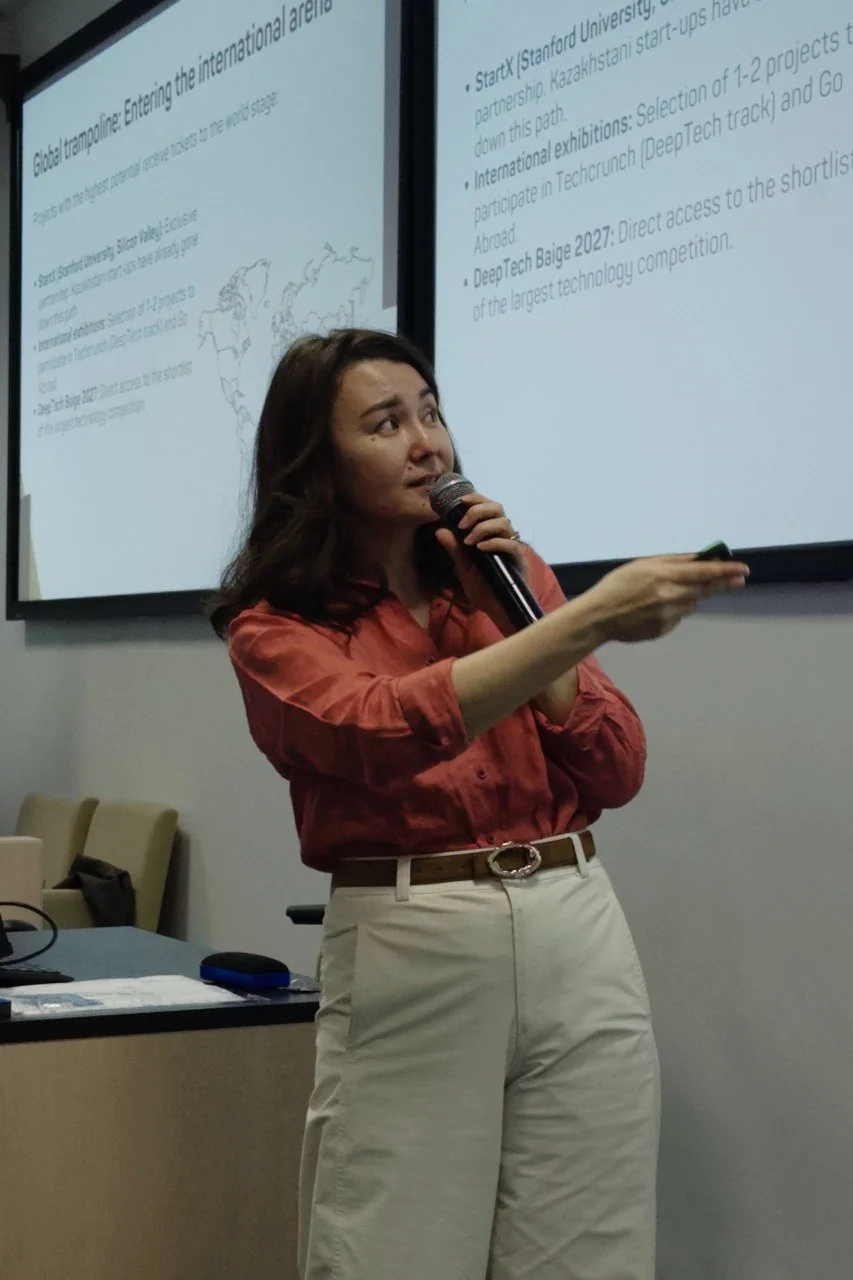
Kyrmyzy Kalieva (Singapore) and Gulnaza Abdurashidova (Tashkent/USA) are IT specialists. Kalieva works at Zuhlke Group, while Abdurashidova serves as the tech lead for a Silicon Valley startup. Both share their experiences in overcoming stereotypes, imposter syndrome, and barriers faced by women in the industry. They recommend not fearing mistakes, actively learning, using English, and building networking through conferences.
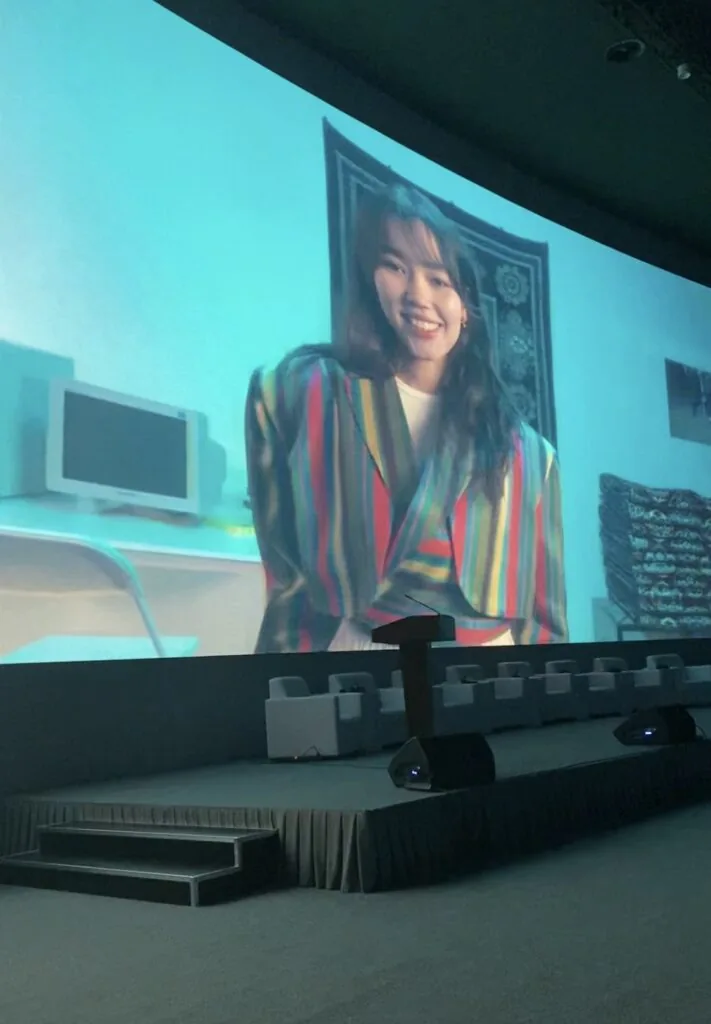
Kyrmyzy Kaliyeva, city — Singapore, senior software engineer, @kyrmyzyanik.kz
About me
I am an expert and Android developer. I work at the Swiss consultancy company Zuhlke Group.
How I entered the IT profession
I studied at Physics and Mathematics School No. 173. I was one of the first graduates of the MUIT university.
At that time, the IT field was not as popular, but we were told that IT specialists would become the intellectual elite of Kazakhstan in the future.

My path in IT began with working at IBEC Systems after completing my bachelor's degree. A couple of years later, I decided to pursue a master's degree in Malaysia, but soon realized that this was not what I needed at this stage of my life, and I started working in startups in Southeast Asia. I also worked at an African startup, and later moved to a large consulting company, where I currently work.
About stereotypes
When I joined IBEC Systems after university, I was the only female programmer. At that time, all my colleagues were men. In Malaysia, where I worked at a startup, I was also the only female programmer. Since then, the situation has changed, and currently, women make up a significant part of the team in large companies and startups.
Personally, I have not encountered stereotypes. However, I heard a male programmer colleague once advise his younger sister not to become a programmer after the 11th grade, considering it a job for men. He said that girls should become doctors or accountants instead. We argued then, because being a doctor is much harder than being a programmer. An IT worker's job often takes place in a clean office, sometimes even part-time.

Barriers for women in IT
We are used to doing our work without unnecessary words, moving forward, acting persistently, but silently. Perhaps men have more self-confidence: they are ready to talk about their small achievements. I think this is related to upbringing at home and mentality. From my own experience, I can say that girls from European countries openly talk about their successes, while women from the CIS and Southeast Asia tend to remain modest. This hinders our careers, as the ability to sell yourself is just as important as the ability to do a good job.
Recommendations for those just starting their journey
Do not be afraid to experiment and fail. The faster you make a mistake, the faster you will learn. If everything goes right immediately, you will not learn how not to do things. You are ready for the future if you know a thousand ways how not to do things, and a few correct options.
Do not be shy to ask for help. There are many girls on LinkedIn and Instagram who are ready to answer your questions. People online can often provide advice and mentorship for free.
I recommend learning English. Thanks to knowing it, you can learn programming for free on the internet, take courses. There are resources in Russian too, but they are often not as extensive. The English language opens up more opportunities.
Gulnoza Abdurashidova, city — Tashkent, programmer, @gulnozarush , LinkedIn
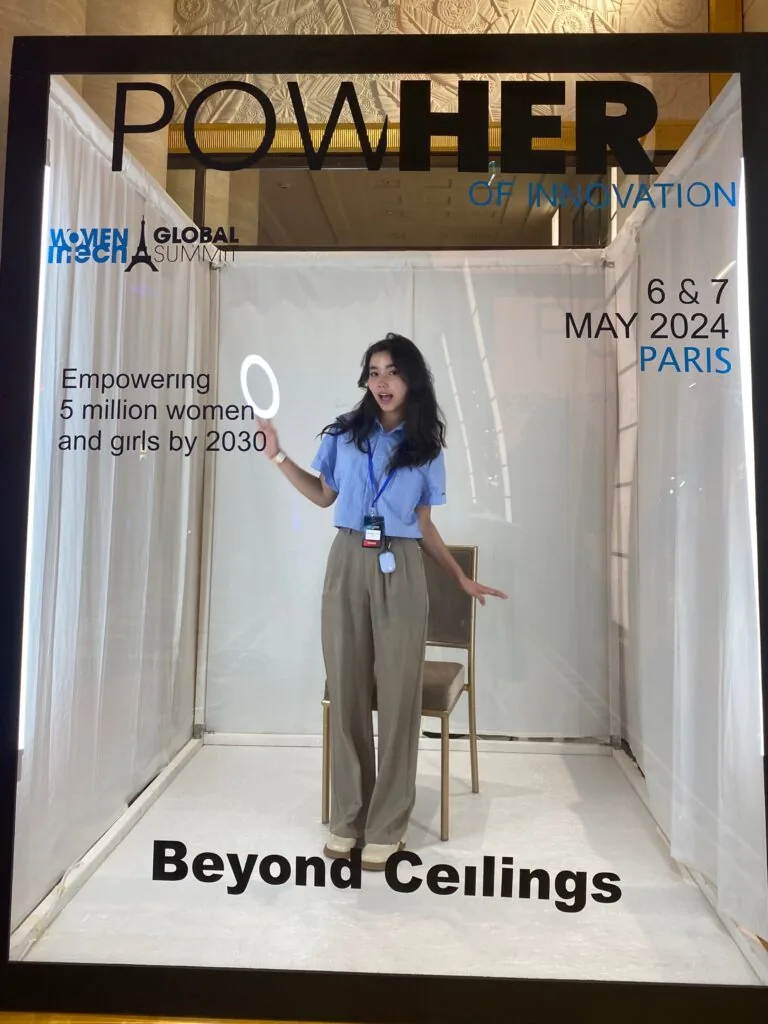
About me
I create games. My goal is gamification of various fields, especially education. I want to teach users useful things through games. Until recently, I worked as a creative department manager at IT Investments Centers Center, and now I am the technical lead of an educational startup from Silicon Valley.
A year ago, I graduated from school. During and after my studies, I developed social projects. One of them is called Sinov — this is a virtual reality laboratory that helps increase the number of practical works in schools and institutes. With this project, my team and I became finalists in the prestigious international competition Technovation and, for the first time representing Uzbekistan, won the Social Impact Award in Silicon Valley.
I am also a co-founder of EmpowerHer — a volunteer program supporting women's development, a young ambassador of Women in Tech Uzbekistan, and an ambassador and mentor at Technovation Girls Uzbekistan.

Currently, I am in the USA, planning to receive an education at prestigious local universities.
How I entered the IT profession
Every family has its own "techies." I was a "techie" since elementary school. I helped my mom with presentations, my dad with documents in Excel, and other basic things. From the very first lesson, I fell in love with mathematics. Hearing about a programming course for children from the US Embassy in Tashkent, I decided to apply, passed the selection, and tried myself in website development and made my first mini-game. Since the age of 16, I have participated in hackathons, gaining invaluable experience and numerous awards over two years.
About stereotypes
There are no obvious persecutions in the IT field, but there are unconscious differences. From my observations, I realized that if 300 people participate in a hackathon, only about 30 of them are girls.
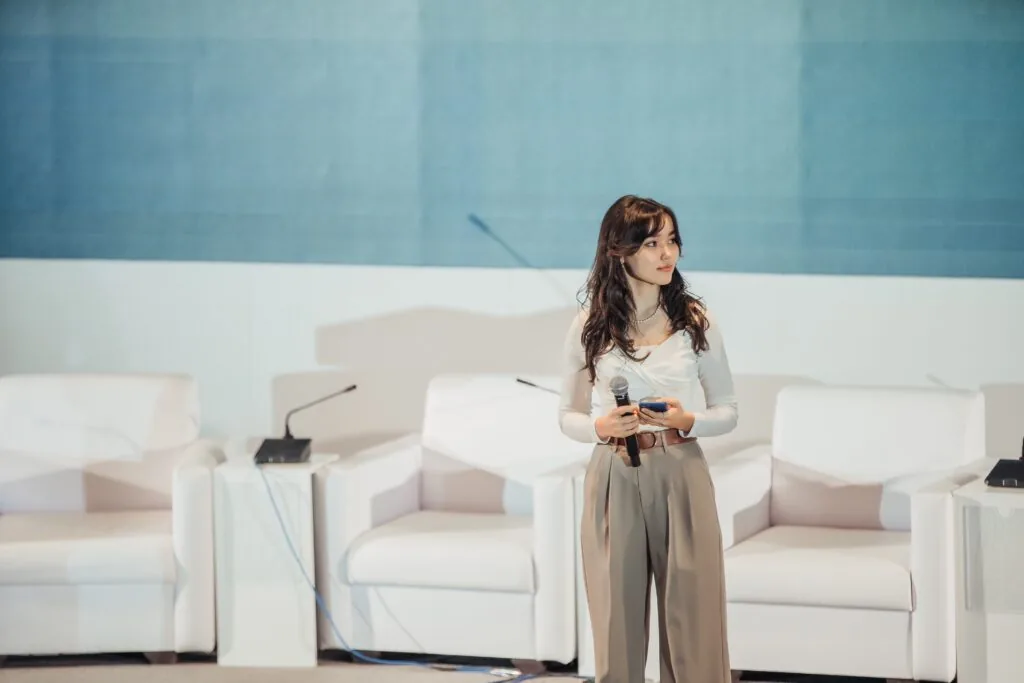
If I work in a team with guys, in most cases, I am taken for a designer or thought to be responsible for the business plan, not for programming or leading. There were cases where during team interviews, I was immediately asked: "What inspired you in creating the design?"
We are changing trends. For example, with the Women in Tech team, we often organize workshops and various events. Together with Technovation Girls Uzbekistan, we motivate girls to enter the IT field and teach them over several months. In addition, I have been to different cities in Uzbekistan, sharing my experience and teaching youth the basics of programming.
Barriers for women in IT
— Imposter syndrome. My subjective feeling of failure and constant comments about my youth made me doubt myself greatly. Over time, by repeatedly showing and proving my capabilities, I was able to overcome this.
Girls told me that they asked themselves: "Can I do it?", because they did not have role models in IT. For example, once, a girl from our webinar said that she had to choose between IT and another profession at university in a few days. She was afraid of the "complexity" of the technology field and almost chose another path, but our words inspired her so much that the next day she sent an application for an IT specialization.
— Perfectionist syndrome. When from early childhood we are told "be more diligent/better/calm, you are a girl," we get used to bringing everything to perfection. But in the IT field, deadlines are often tight, and there is no time to finish every little detail. I used to spend a lot of time on the color, size, and angle of a simple button.
— Stereotypes. There is a prejudice: "We will hire a young woman, she will get married and leave, and we will have to support her during maternity leave."
Overcoming prejudices is helped by my family, my internal motivation "I promised myself that if not today, then tomorrow I will definitely succeed," and also friends whose motivation and goals are no less than mine.
Recommendations for those just starting their journey
- Find like-minded people. Not someone you will chat with aimlessly, or where one drags the other. You should have similar goals and aspirations. It is better to look not on the internet, but at conferences and meetups.
- Do not be afraid to make mistakes. People tend to forget your failures, but they will definitely remember your big achievements. Through mistakes and trials, you will learn new things, broaden your horizons, and become stronger.
- You are stronger than you think, and smarter than you imagine. Want to apply but hesitate — apply, you will have much more chances. Want to participate in something but are afraid because you are a beginner? Go ahead, because everyone starts somewhere, and only those who were not afraid to step out of their comfort zone achieved their goals.
- Absorb knowledge like a sponge, develop networking. Remember: every day is a chance to learn something new.
- Leave your mark, let people remember you. Came to a meeting? Raise your hand first, ask the most pressing question. Let people think: "What an interesting question, I also want to know the answer." Went volunteering, became an organizer, or work in a team? Let them later say: "Without her, this event would not have been so cool." Later, these people may invite you to another event or introduce you to opportunities you only dreamed of. Everything is in your hands!
The Tech on Telegram Follow The Tech on Telegram
Keep up with the latest technology and startup news.
Related reading



More from this author

News
zypl.ai begins operations in Japan and focuses on next-generation risk models
Mansur Ismagulov

News
Elon Musk's net worth has exceeded $700 billion for the first time
Mansur Ismagulov
Article Interviews
"Central Asian countries should build a joint ecosystem," — Bekhzod Ismoilov on the development of AI in the region
Mansur Ismagulov
Article Interviews
Bloom's Taxonomy and Engineering Levels: A Practical Growth Model
Mansur Ismagulov

Article Useful
How the IT industry in Azerbaijan developed in 2025: key events
Mansur Ismagulov
News
Tajikistan has become a new member of the regional innovation alliance Central Asian Innovation Hubs
Mansur Ismagulov