WomenInTech. "Anyone can build a successful career in technology," — young women from the IT industry share their insights on how to find their place in the field.

Successful young women from Kazakhstan and Tajikistan shared their experiences and explained how to start a career in IT without a technical background, what barriers they encounter, and what helps them grow — from the first steps to leadership positions.
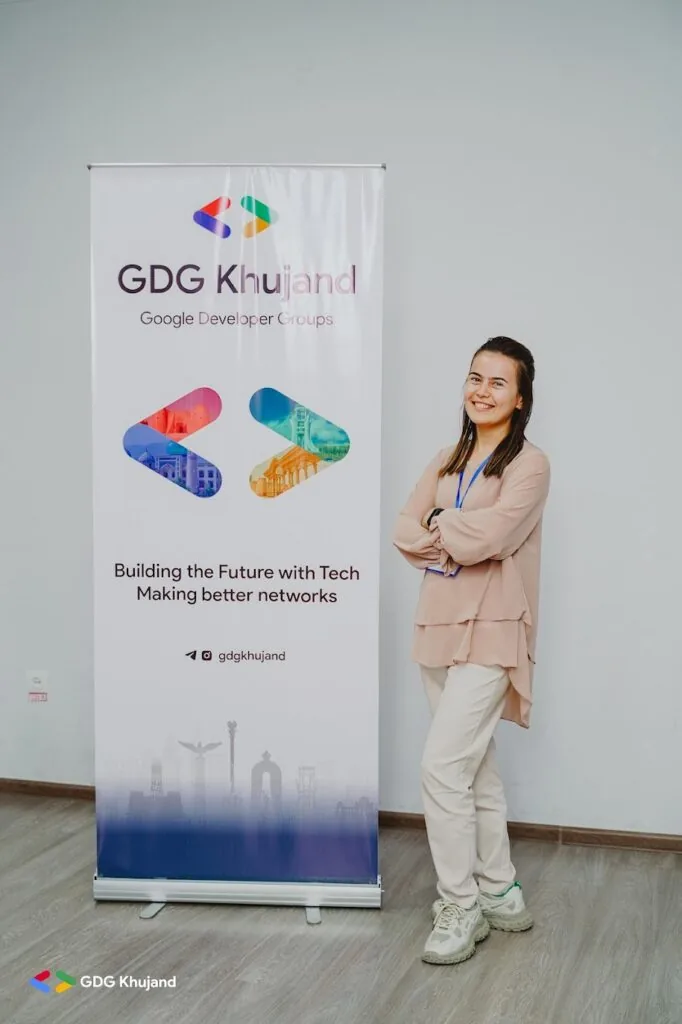
Orasta Mirdadoeva, city — Gulakandoz, Software Developer and IT Community Organizer, LinkedIn, Instagram
About Me
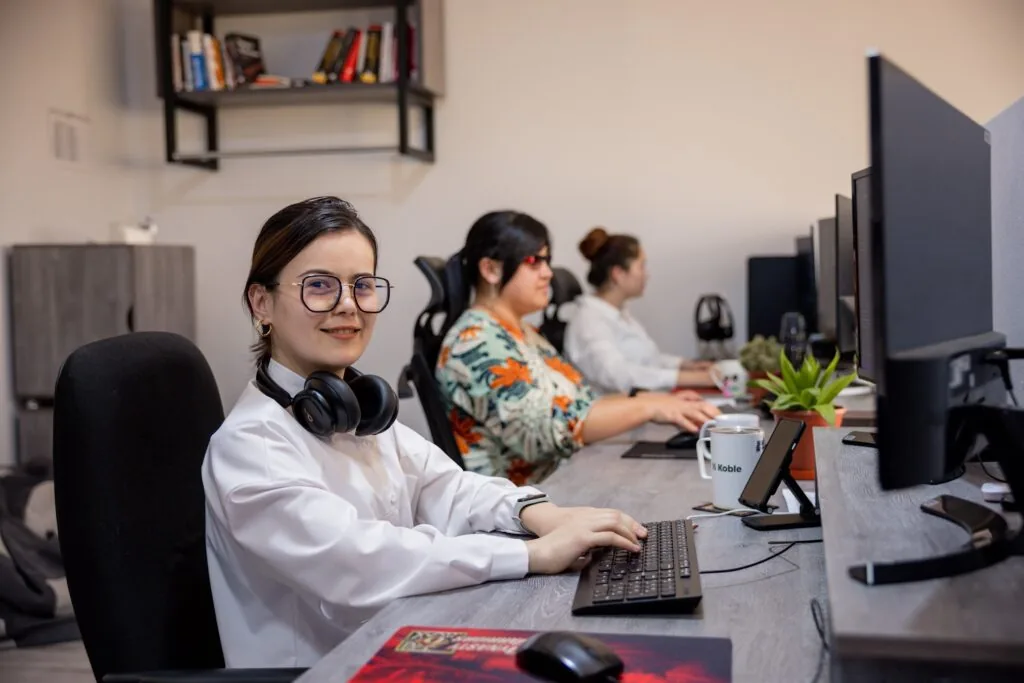
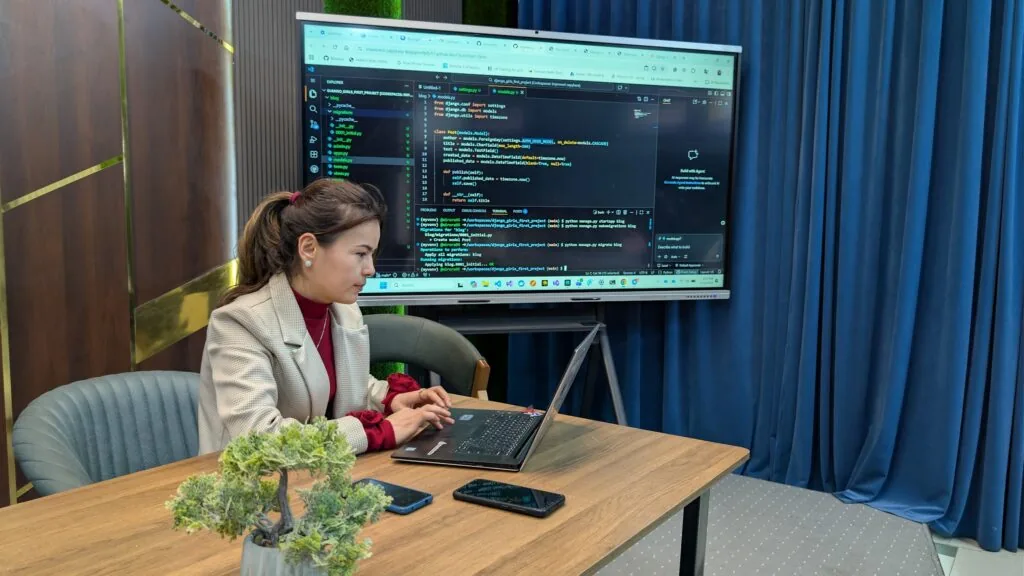
I am a developer from Tajikistan, working at Silk Road Professionals with C# and web technologies. I enjoy creating systems that solve real-world problems.
I am married and have three children — and it is my family that provides my main motivation to move forward.
Alongside my work, I am actively involved in the tech community: I organize IT events, workshops, and educational programs — especially for girls and women who are just starting their journey in technology. I believe that many people need support at the beginning of their path, and communities like Django Girls, GDG Khujand, and the .NET community are exactly where that support can be found.
For me, technology is not just a profession, but also a way to learn, grow, and help others.
How I Entered the IT Profession
My career path began as a chemistry teacher in a school. Later, I moved into accounting.
I became interested in programming and started learning on my own. At first, it was difficult because I did not have a technical background. Nevertheless, I was serious about my goals and wanted to understand how technology works.
Gradually, I learned more: I practiced every day, sometimes even at night, searched for information, and improved my skills. Various people helped and supported me during the learning process — they answered questions and shared their experience. This support gave me confidence.
Over time, I changed professions and became a software engineer. This was an important step. I began working on real projects and learning how to collaborate within a team.
Another important part of my journey was participating in tech communities and helping organize events. I joined GDG Khujand and also helped beginners learn programming through Django Girls and other initiatives. Once, people helped me — now I want to help others.
This experience helped me grow both professionally and personally. I am inspired by the opportunity to create useful products and bring value to people. Moreover, there is always something new in technology — and this motivates me to keep moving forward.
About Stereotypes
I tried not to focus on stereotypes and instead concentrated on learning and career development.
I was lucky to meet many supportive people, especially at Silk Road Professionals. The team and community helped me develop skills and build confidence. I was valued for my work, efforts, and results.
Of course, difficulties sometimes arise, but I try to maintain a positive attitude and not let them affect me. I believe that skills and hard work are more important than stereotypes. Therefore, I focus on what I can control: I learn, build projects, and become better every day.
Barriers for Women in IT
Women in IT may face various challenges. For example, many are talented and capable, but sometimes they doubt themselves — it seems they are not ready enough or not good enough. This can prevent them from asking questions, applying for jobs, or trying new opportunities.
Another challenge is the lack of role models. In some countries, there are still fewer women in technical roles. When you do not see people like yourself, it is hard to imagine your future in this field. I used to feel the same way — I did not apply for IT specialties because I did not see female developers.
Support is also important. Not everyone has it from their family or surroundings. When there is neither an example nor support, starting a career in IT becomes even more difficult.
For me personally, a separate challenge was confidence: at first, I was afraid to ask questions and make mistakes. Over time, I realized that this is a normal part of learning and growth.
I gradually overcame this — I continued to learn, practice, and participate in communities. There, people support each other, and I began to focus on progress rather than perfection. Confidence came with time.
When you are in a supportive environment, you feel stronger and more motivated. Therefore, I always tell girls and women: it is important to build communities, create meetings, workshops, and meetups — regularly, at least once a month or quarter.
Recommendations for Those Just Starting Their Path
My main advice is to start. Even if there is fear or doubt. Many wait for the perfect moment, but it does not exist. It is better to take small steps and learn along the way.
The second piece of advice is not to be afraid of mistakes. Mistakes are a natural part of the process. If something seems difficult, it does not mean it cannot be done — it just requires more practice.
It is also important to understand whether you really like programming. If you do — keep trying and developing.
Another important aspect is consistency. Even a small daily practice yields great results over time. It is important to stay engaged, build simple projects, start small, and not be afraid to ask questions.
I also recommend finding a community. Today, every country has an IT community, and it is much easier to develop when there are people around who support, share knowledge, and inspire. This helps you not feel alone on this path.
And most importantly — believe in yourself. Growth takes time, but if you move step by step, every woman can build a successful career in technology.
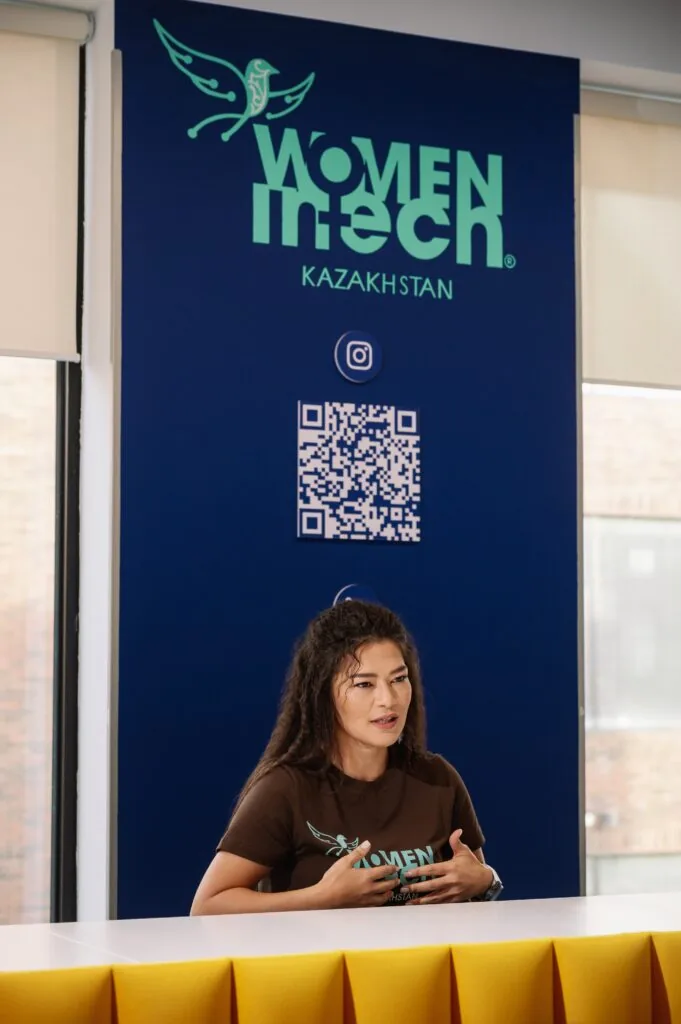
Alima Umutbek, city — Almaty, CEO of MyPoint.kz and Event Director of Women in Tech Kazakhstan, co-founder of Qazaq IT Community, LinkedIn

About Me
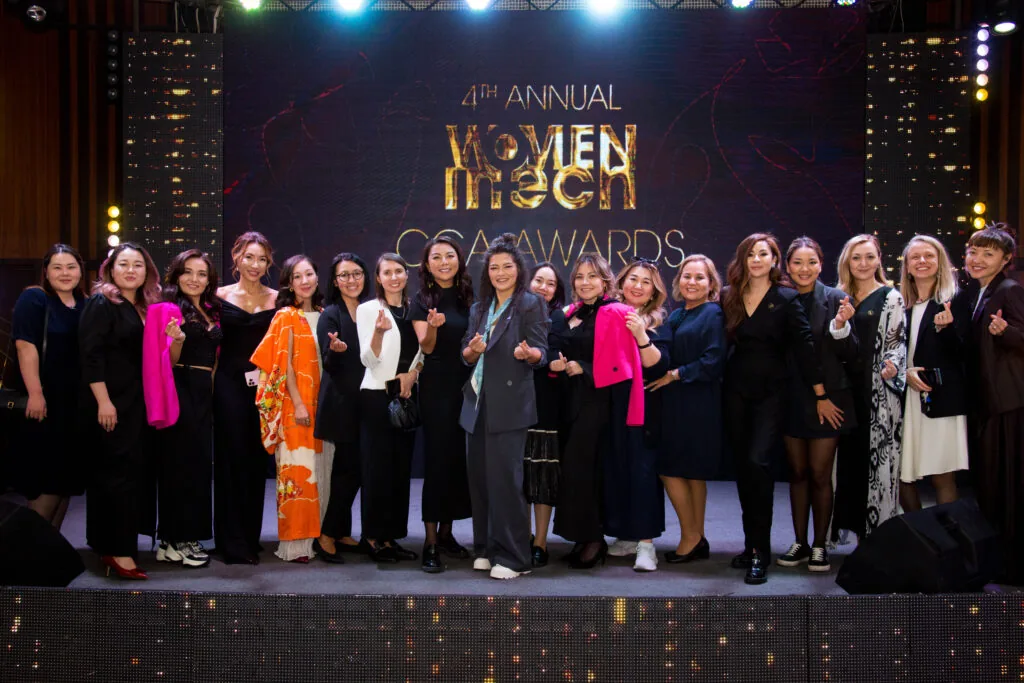
I am the CEO of the IT platform MyPoint.kz — a last-mile logistics solution that helps scale small and medium-sized businesses. I also serve as the Event Director and am a co-founder of the public foundation Women Tech Kazakhstan and the Qazaq IT Community, where I am responsible for the event direction.
How I Entered the IT Profession
My career path began as a junior specialist in the financial sector and eventually led to a C-level role focused on sales development, products, partnerships, and business strategy in FinTech and IT.
It started around the age of 18, after graduating from college with a degree in "Finance and Credit." My first workplace was a bank. At that time, the IT sector was not yet so popular, and many chose the financial sector — I was no exception.
I worked in the financial sector for about five years. I started as a specialist in the small and medium business lending department and eventually grew to become the Head of Department.
Then I decided to move to Almaty to discover new opportunities and take the next step in my career. At that point, I consciously decided to leave the financial sector and move into technology — this became a new beginning for me.
I started with selling technology solutions — CRM systems — and then moved on to more complex products, including IT platforms for the legal sector. Gradually, my focus shifted from operational tasks to strategic ones: product development, building partnerships, launching and scaling solutions.
The next stage was working in a credit bureau, where I spent about nine years. This was one of the strongest periods of my professional growth. I joined as a Business Development Manager, handling sales, event organization, and partnership development, and eventually grew to the position of CBDO.
After nine years in one company, I felt the need for new challenges. The market offered more opportunities, and I wanted to try myself in other areas.
Next, I moved into the acquiring sector, where I worked for about two years in a payment organization, continuing to work on business development, products, and partnerships.
Now I am developing the IT project MyPoint.kz. At the same time, I continue to actively participate in professional communities and event initiatives, as I believe in the importance of experience sharing and community development.

About Stereotypes
At the beginning of my career, I encountered stereotypes. Initially, this was related less to gender and more to age. I started working in the bank at 18–19 years old, and clients often treated with distrust the fact that I would be handling their credit issues.
My manager helped me with this; he supported me and explained to clients that I was a competent specialist. Over time, trust was established: I conducted analysis, prepared proposals, and presented decisions for approval. In the end, I had few rejections, and the portfolio showed good results.
Later, I also faced gender stereotypes — especially in the CBDO role. In meetings with a colleague, a Business Development Manager, the same situation often occurred: questions were directed at me, I answered them, but the attention was focused on my colleague.
Although I was leading the presentation and had a deeper understanding of the product, able to explain solutions and processes in detail.
Over time, such situations became less frequent. When there is experience, expertise, and market understanding, trust is established faster, and stereotypes gradually fade into the background.
Barriers for Women in IT
Women in IT most often face several key barriers.
First, there are stereotypes. Today, they are not as strong as before, but in some areas, they can still influence perception.
Second, there are internal barriers — self-doubt and imposter syndrome. When a new task arises, an internal dialogue begins: will it work out or not, can I handle it or not. While many act more boldly and figure things out along the way, girls sometimes need more time to make a decision. I also went through this and gradually learned to cope with such states.
Another important factor is access to networking. Previously, professional connections were formed faster for men, while women often remained in a narrower circle of communication. The situation is changing now: women's professional communities are actively developing, and new networking opportunities are appearing.
When you are in an environment where there are other girls from IT and related fields, there is an exchange of experience and knowledge. This gives confidence and a sense that you are not alone — which greatly influences growth.
If you combine all factors — developing networking, working on confidence, participating in events, and continuous development — this is what helps move forward.
Ultimately, a strong environment, self-confidence, and continuous development become the key factors for growth.
Recommendations for Those Just Starting Their Path
The main recommendation is not to wait for the perfect moment and not be afraid to try.
I was interested in IT since school, but initially chose the financial direction and started my career in a bank. Over time, I realized I wanted to change fields. Moving to Almaty became a turning point: I left the banking industry and started working with the sale of CRM systems.
Despite my experience and position, I was not afraid to "step back" and start over.
To better understand the product, I began studying IT more deeply, including Python. This helped me interact more effectively with developers and formulate business requirements more accurately. At the same time, I developed in related areas — compliance, business processes, and analytics.
It is important to try different areas in IT. This is not only development, but also product management, analytics, and management. Networking and participation in professional communities are no less important — they help you better understand the industry and find your place.
Besides technical skills, communication and the ability to work with people play a big role — especially now, as many processes are being automated.
I am convinced that every girl can find herself in IT. Technology is everywhere today — it is important to understand what interests you and not be afraid to act. Communities help with this: they provide support, an environment, and opportunities for growth.
If there is a desire, you can always find time for learning, finding mentors, and moving forward.
The Tech on Telegram Follow The Tech on Telegram
Keep up with the latest technology and startup news.
Related reading






More from this author

Article Useful
How to protect your accounts from hacking: 8 settings you should check today
The Tech

Article Useful
500 Global: How the Accelerator Works and Who Can Receive Investments
The Tech

Article Interviews
Game Development in Central Asia: Arkady Moldavski on Developing Reverb and the Growth of the Industry
The Tech

Article Useful
Google, Tesla, BlackRock, and the IMF: Where to Apply for an Internship in Fall 2026
The Tech

News IT
Tesla unveiled the flying electric car Roadster
The Tech

News IT
Intero Biosystems startup won the Startup Battlefield at TechCrunch Disrupt 2026
The Tech