WomenInTech. "IT is not just for guys" — stories of successful women from Central Asia
We met with successful women from Astana and Tashkent who shared their career paths and talked about the challenges women face in IT.
Author - Mansur Ismagulov
The Tech AI
Get the key points in seconds - a short summary from The Tech AI.
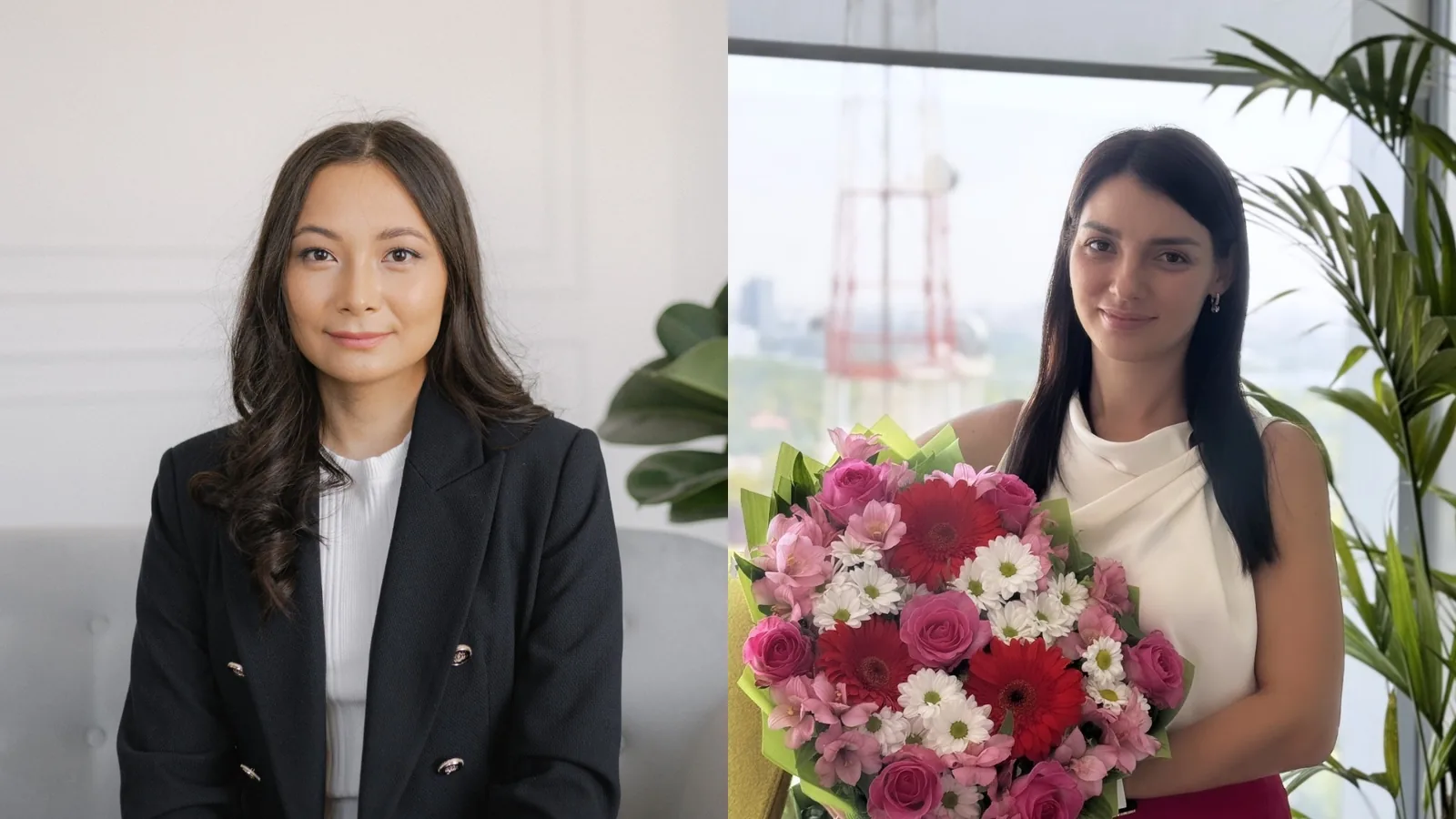
Adina Magavina (Astana) and Anastasia Kurkina (Tashkent) share their experience in IT. Magavina, the Secretary General of the Kazakhstan Federation of Sports Programming, has been developing the field since she was 18 and organized the ICPC finals in September. Kurkina, a product manager, previously worked at Sberbank starting in 2010, launched Smartbank in Uzbekistan, and applies machine learning. Both emphasize the importance of confidence, learning, and overcoming stereotypes.
Adina Magavina, city — Astana, General Secretary of the Federation of Sport Programming of Kazakhstan, @1chik
About Me
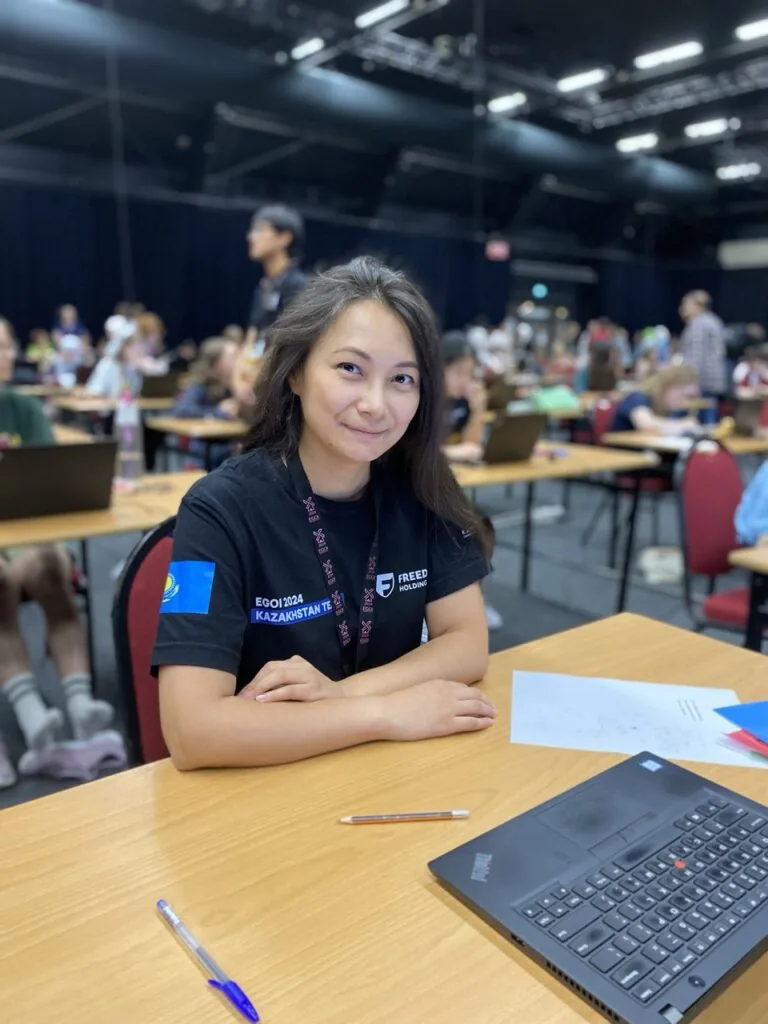
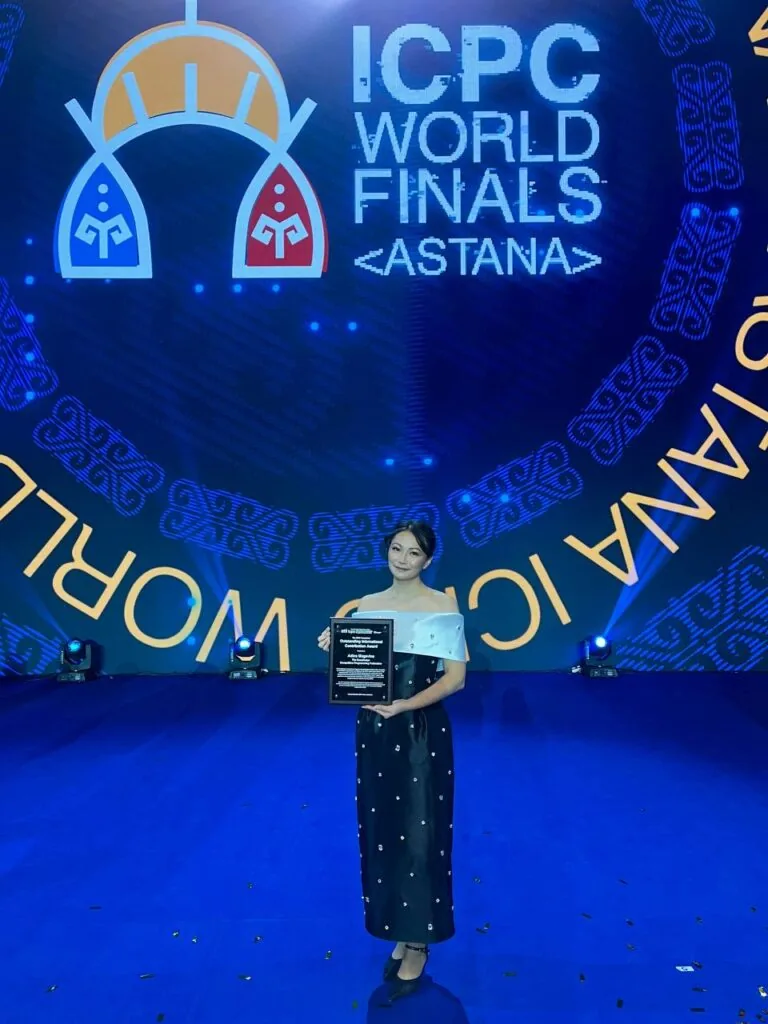
I am the General Secretary of the Federation of Sport Programming of Kazakhstan. I also lead the country's girls' team at the European Girls Olympiad in Informatics. I have been engaged in sport programming for 18 years now — this is an intellectual sport where complex algorithmic problems are solved using programming languages. I started as a participant in informatics olympiads, with my major achievement being gold at the Republican Olympiad. Today, I develop sport programming in the country and organize major competitions, such as the final of the ICPC World Championship of Sport Programming, which took place in Kazakhstan this September.
How I Entered the IT Profession
My path in IT began in school when, at the age of 11, my informatics teacher, Andrey Aleksandrovich, showed a video in which his graduates talked about their experience, saying how cool it is to be a programmer and participate in olympiads. Among the heroes of the video were also girls. I was inspired by their stories, and at that moment I decided that I also wanted to study IT and participate in competitions. It was difficult; I didn't have talent, but I had a strong interest in programming and a desire to prove that I could handle it.
On Stereotypes
In the 10th grade, I encountered stereotypes. We went to an international conference with representatives of the education system.
At that time, I already had a gold medal at the Republican Olympiad in informatics, and I was invited to training camps to qualify for the international olympiad. These camps are a kind of selection of the strongest school students in the country to participate in international competitions.
At the conference, during a personal conversation, a representative told me that my gold medal at the national olympiad was a poor indicator for the country. In her opinion, if a girl won in a technical discipline, it indicated a weakness in the level of informatics in the country, because "boys should win." This statement was a real shock to me.
Today, the situation has changed: the education system is progressing, and more and more people understand that IT is not only for guys.
Barriers for Women in IT
I talk a lot with parents of schoolchildren and notice that many girls do not go into IT because the older generation believes that humanities or technical sciences are more suitable for girls. And those few schoolgirls who do decide to try programming face double standards, such as additional responsibilities at home, which limit their time and opportunities for learning. The same thing happens in adulthood: social expectations regarding housekeeping and childcare often prevent women from building careers in intensive fields such as IT.
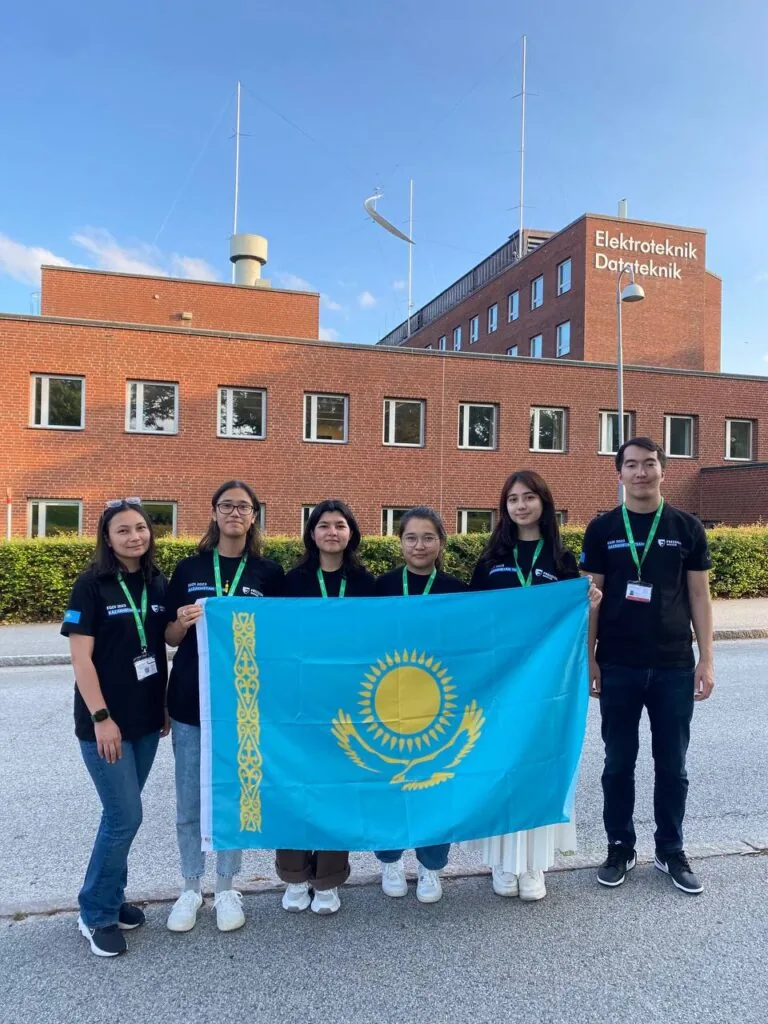
Another barrier is the lack of women's communities in IT. To inspire schoolgirls to try programming, we created the CPFED CodeGirls competition at the Federation. This project helps girls take their first steps in programming in a comfortable and supportive environment. At the same time, it is important to emphasize: girls do not need separate competitions to win. We organize such initiatives to give schoolgirls a confident start and show that programming is open to everyone. We create a community where girls can find support, communicate, prepare for competitions, and see that there are other girls interested in sport programming. This is especially important for those who are the only ones in their school or region and do not always find support among those around them.
Recommendations for Those Just Starting Their Path
As clichéd as it may sound, everything starts with self-belief. Learning programming or other areas in IT is a cumulative process. At the beginning, you need to work hard to get initial results. Many lose motivation at this stage because they do not see quick successes. But you need to understand that results will come when a knowledge base is formed. Do not give up if something does not work out the first time; patience and persistence will lead to success.
I would also recommend studying sport programming — it is an excellent tool for starting in IT. You can pay attention to AI — at the moment, this is one of the promising and rapidly developing areas. Both sport programming and AI can be started with programming in Python. And the most important thing — enjoy the process!
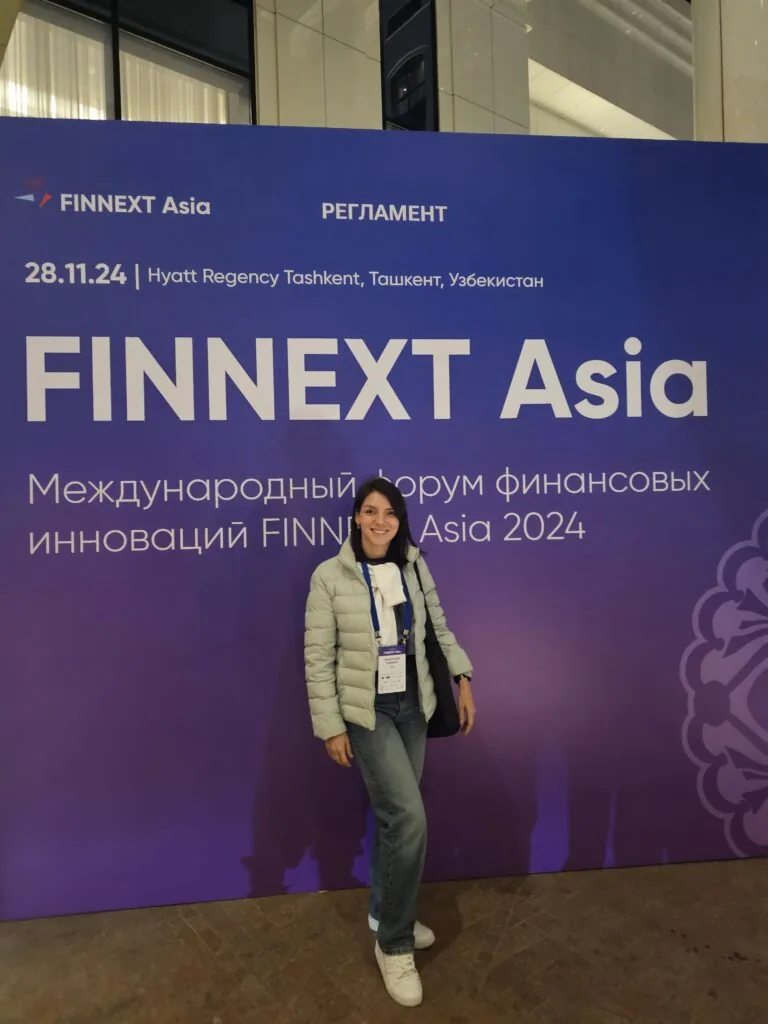
Anastasia Kurkina, city — Tashkent, Product Manager, Linkedin

About Me
My family and I have been living in Tashkent for a long time. I am from the southern city of Rostov-on-Don, so the Tashkent climate is close to my heart.
I have been in corporate business since 2010. By education, I am a financier, and for a long time, I was engaged in financing medium and large clients, working at Sberbank.
Today, I work as a product manager and have become the link between business, technical teams, and users. My task is to create a successful product that solves customer problems and brings profit to the company.
In Uzbekistan, my first project was related to Smartbank — an online bank where all customer service is conducted remotely. There I was the product owner — the banking application for legal entities. Together with HR, we assembled a team from scratch for this project; today, more than 20 people work there. We were the first in Uzbekistan to launch remote account opening for legal entities and individual entrepreneurs. The entire process, including online signing of the service agreement, is conducted remotely. This was an important event, as the bank has no branches, and thanks to this solution, it became possible to accept corporate clients.
How I Entered the IT Profession
First, I was engaged in analyzing business plans and structuring credit deals. Later, already in Moscow, I worked in the client division and was responsible for fulfilling the business plan for the portfolio of two regions of the Central Federal District.
In one of the regions, in Tula, an experimental project was launched. Its goal was flexible pricing for loans, related to cross-selling other banking products. For this, a special tool was needed — a "calculator" that would be convenient for client managers and could perform complex calculations taking into account non-linear dependencies.
I supervised this project in the region: I collected feedback from client managers, discussed with them how to make the tool more convenient, and shared our ideas with the central office.
Thus, I was invited as a project manager to the pricing department of the central apparatus of Sberbank. It was there that I first saw in practice how machine learning is applied to model ALM risks.
Then a new world opened up to me — a world where technology changes the approach to viewing the future and making business decisions.
On Stereotypes
In 2010, while being a fifth-year student, I already started working at Sberbank. I was interested in listening to senior colleagues, even if their advice did not sound very friendly. No one really wanted to bother with beginners who needed everything explained. At that time, it was important for me not to miss anything, so I did not pay attention to the stern looks of experienced adult uncles and aunts.
And then, 10 years later, when I myself became an "experienced adult aunt," I suddenly realized that women, regardless of age, have to prove their expertise, experience, and knowledge, otherwise they remain "girls" without the right to speak and the ability to change anything.
Barriers for Women in IT
Women with children are often not hired due to possible problems related to childcare — illnesses, morning events at schools, parent-teacher meetings, and so on. During the screening stage, the question "Where and with whom will the children be?" is often asked. Because of this, it is sometimes difficult for women to move to a higher position in another company.

I decided long ago, even after the birth of my first son, that time for professional growth is limited, just as time when children grow is limited. Therefore, a nanny became a mandatory expense item in our budget. Helpers help not only reduce the stress level of the mother but also of the employer.
Recommendations for Those Just Starting Their Path
1. Be ready for new opportunities. Constantly engage in self-education: read articles, participate in conferences, broaden your horizons. Develop skills not directly related to your professional activity — whether it is playing the saxophone, badminton, running, or snowboarding. Try yourself in different spheres and directions: in large corporations and small startups. This multifaceted approach will help you be ready for any opportunities that may appear on your path.
When I moved to Moscow, I had to get a job at Sberbank. The chairman of the bank, a man with unusual hobbies — he played the saxophone and was the world champion in badminton — conducted short interviews of 20 minutes. No one knew what questions he would ask. We briefly discussed work, and then he asked about my hobbies. I told him that I snowboard. Despite my small height — only 158 centimeters — he saw courage and readiness for challenges in me. That is how I got this job.
Later, when I joined Click, I thought that the main attention would be paid to my experience in a large corporation like Sberbank. But the CEO unexpectedly asked: "Do you have experience in entrepreneurship?" And I did.
During maternity leave, I mastered the profession of a producer of online schools. It is similar to the work of a product manager, but with an emphasis on social networks. My partner and I opened an online Spanish language school. At first, we did not conduct research and relied only on our guesses. As a result, the first product failed, and money for marketing was wasted.
But with each launch, we became better. We began to listen to clients and created a course that really solved their problems. Despite the fact that its price was three times higher than standard courses, it was purchased. This entrepreneurial experience became the decisive factor when hiring at Click. In the current job, a product manager is responsible not only for creating features but also for business results.
2. Do not be afraid to ask. If you did not hear or remember the interlocutor's name — ask. If you did not understand the task — ask. Want to review your salary — ask. This is the most effective way to develop, especially for a beginner specialist. At each stage of work, you should have many questions. Find someone who is ready to answer them, and you will see how much faster you will start moving forward.
Ask, learn, and act! This is the main path to success.
The Tech on Telegram Follow The Tech on Telegram
Keep up with the latest technology and startup news.
Related reading




More from this author
News
zypl.ai begins operations in Japan and focuses on next-generation risk models
Mansur Ismagulov

News
Elon Musk's net worth has exceeded $700 billion for the first time
Mansur Ismagulov
Article Interviews
"Central Asian countries should build a joint ecosystem," — Bekhzod Ismoilov on the development of AI in the region
Mansur Ismagulov
Article Interviews
Bloom's Taxonomy and Engineering Levels: A Practical Growth Model
Mansur Ismagulov

Article Useful
How the IT industry in Azerbaijan developed in 2025: key events
Mansur Ismagulov
News
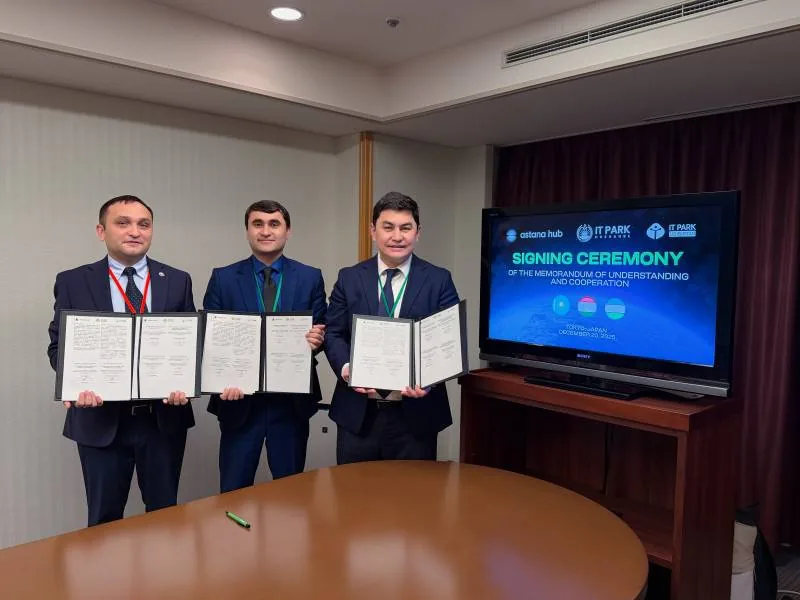
Tajikistan has become a new member of the regional innovation alliance Central Asian Innovation Hubs
Mansur Ismagulov