WomenInTech. "The main challenge for women is juggling work, family, and household responsibilities," — stories from BTS Qazaqstan
We spoke with two women from the industry about how they entered IT, the challenges they faced, and why it’s important to support women in the tech field.
Author - Mansur Ismagulov
The Tech AI
Get the key points in seconds - a short summary from The Tech AI.
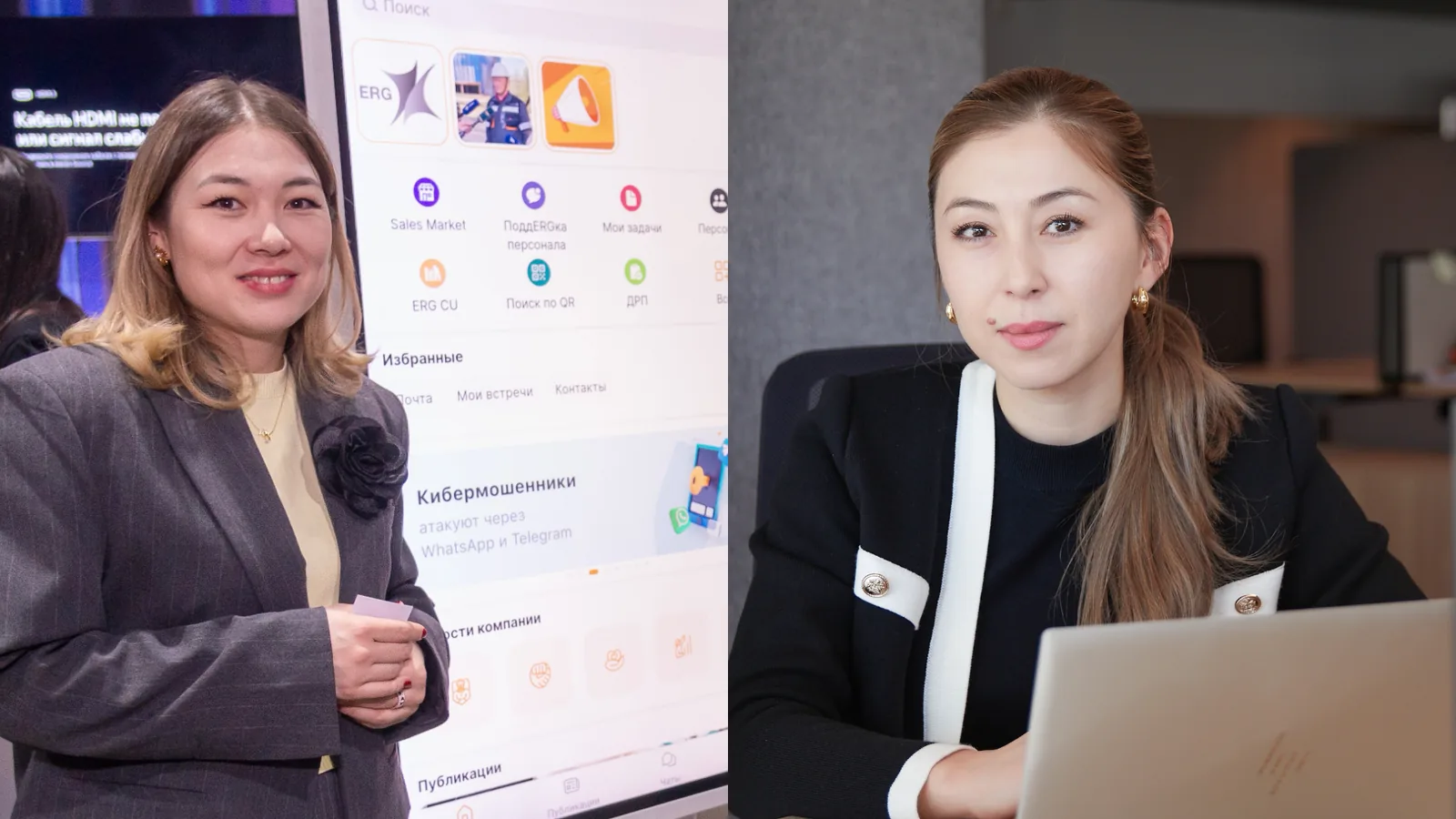
Azhar Kadyrova and Asel Sagyndykova are project managers at BTS (ERG). Kadyrova created a marketplace that reduced procurement time from 90 to 10 days for 15 enterprises, and SalesMarket.kz for four groups. Sagyndykova is developing the "Digital Health Assistant" project, automating 17 medical facilities for daily examinations of over 4,000 people.
Azhar Kadirova, city — Astana, Project Manager, LinkedIn
About Me
I am an IT Project Manager at Business and Technology Services. BTS is a subsidiary of ERG that develops and implements digital solutions for group enterprises across Kazakhstan. Our projects include production systems, industrial AI and process robotics, business systems, mobile applications, and services.
My team is responsible for developing services within the Qollab corporate ecosystem. We created an internal marketplace—the first of its kind in Kazakhstan's mining and metallurgical industry. Today, it is used by 15 enterprises in six regions. Thanks to the product, procurement times have been reduced from 90 to 10 days.
I also led the development of SalesMarket.kz, a platform for conducting auctions for the sale of warehouse surplus, used machinery, and equipment. As clients, we attracted the four largest corporate groups in Kazakhstan's mining and metallurgical industry. Currently, we are working on projects related to safety at ERG sites.
After graduating from university, I began my career at Naimi.kz. I worked as a product analyst and tester. My mentor was one of the company's founders, and I am grateful to him for the experience I gained. Then I worked in the quasi-public sector, where I realized that the development and technological products sphere was closer to me.
That is how I came to work at BTS in 2018, and I have been with the company for seven years now. I resonate with our corporate culture of equality, openness, and mutual respect. Here I grew into a project manager, and every new product becomes more complex and interesting.
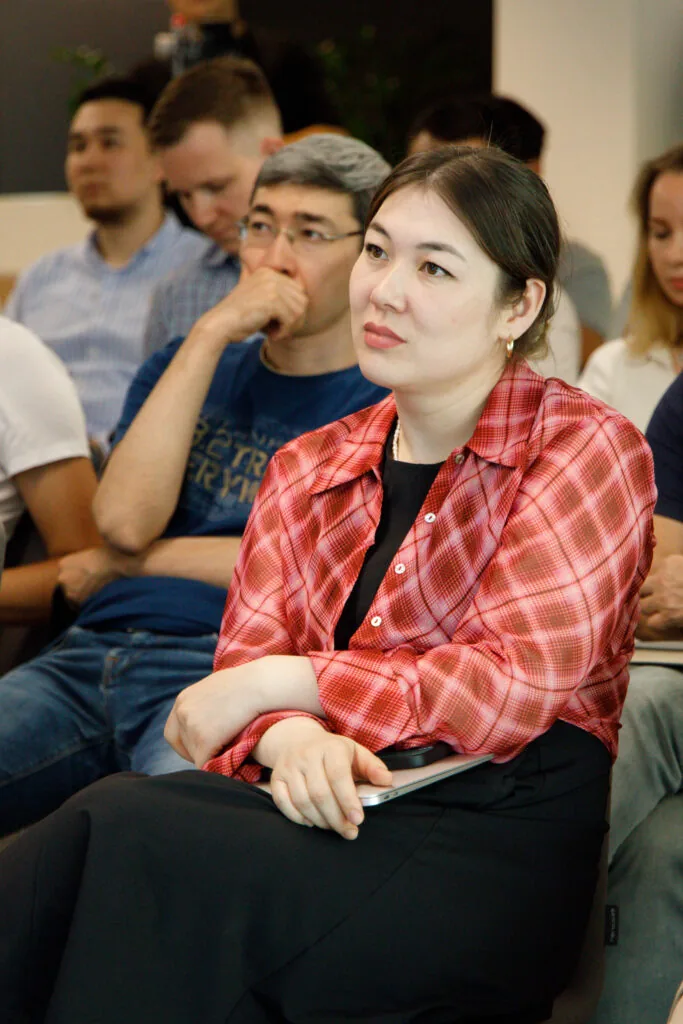
How I Entered the IT Profession
I first enrolled in the "Telecommunications" program at a local university. In my second year, I passed a competition for the "Bolashak" program and decided that the future lay in IT, and that was the direction I should pursue. I have never regretted the decision I made 15 years ago.
On Stereotypes
Luckily, there were no stereotypes. But sometimes at meetings where I am the only woman, I am assumed to be the meeting secretary by default. I react sharply to such situations.
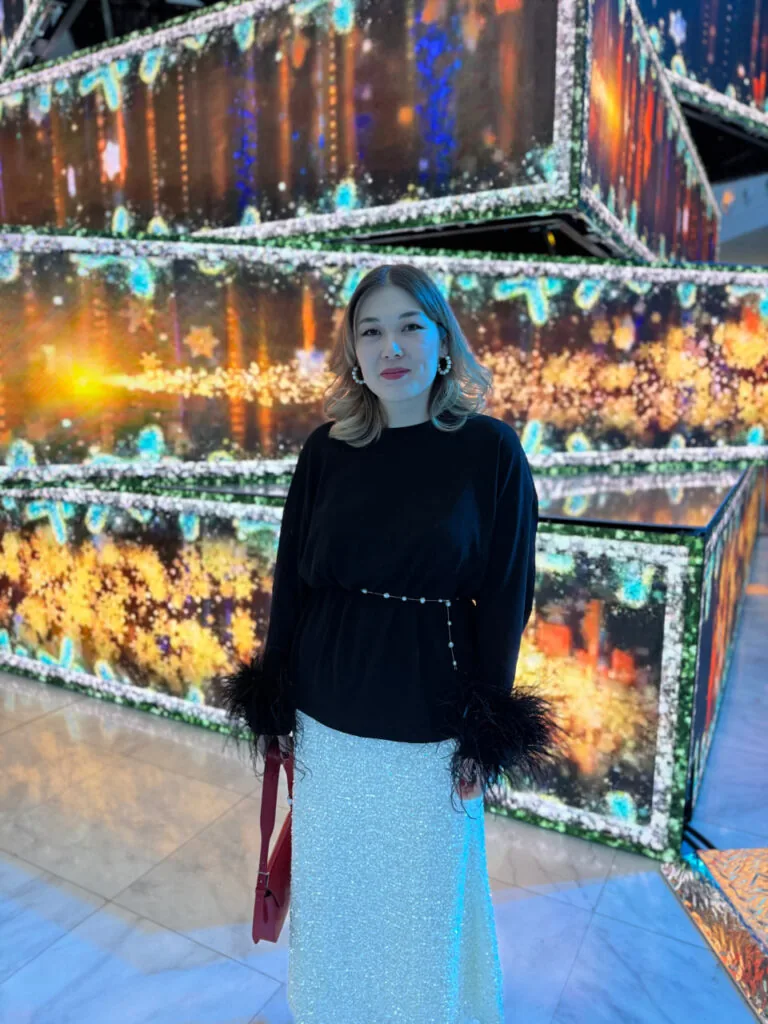
Barriers for Women in IT
The main challenge for women is juggling work, family, and household responsibilities. Personally, I have not faced this yet, but I sincerely admire women who manage to handle everything while building a successful career.
Recommendations for Those Just Starting Out
1. Choose your first job for the experience—look for a company where you are willing to be trained and mentored.
2. Changing companies is normal. Staying with one company for a long time is also normal.
3. Be an engaged and proactive employee.
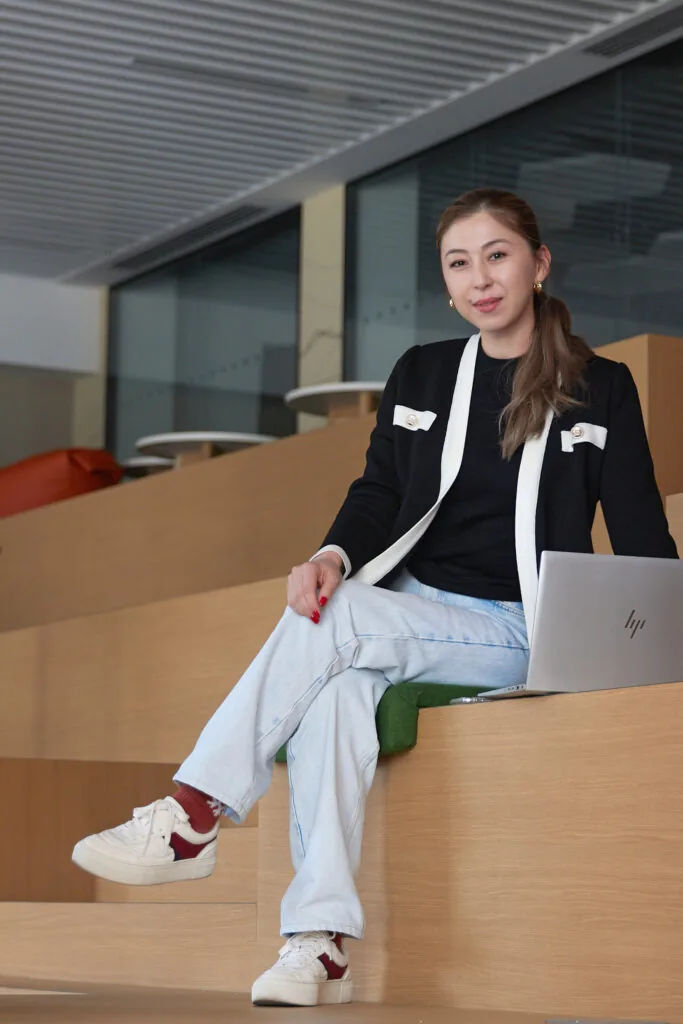
Asel Sagindykova, city — Astana, Project Manager, Business & Technology Services
About Me
I am a Project Manager. I have been working at BTS for over five years, and for the past two years, together with the team, I have been developing a socially significant medical project called the "Digital Health Assistant".
The project aims to automate mandatory pre- and post-shift medical examinations for employees working at ERG industrial enterprises. Large teams from BTS and the enterprises, as well as colleagues from medicine, business, and production, are involved in its implementation. The system records key health parameters, and regular examinations help identify potential health problems at an early stage.
Today, 17 medical points at group enterprises have been automated, with more than 4,000 people undergoing examinations daily, and the work continues. The project is multifaceted and covers: facility preparation, IT infrastructure, integrations with information systems, and services in our corporate Qollab application—for employees, managers, HR, and others.
But the most important aspect of the project is working with people. Every implementation is always a challenge. At the start, any changes can cause doubt and caution. My team and I are grateful to our colleagues for their openness to change. Day by day, we see the process becoming a natural part of health care.
I started my path in the banking sector—I joined after university as a specialist and grew into the Head of the Banking Services Center within a few years.
This stage gave me a strong school of experience. Working in front-office, I learned how to find a common approach with different people, listen, negotiate, and handle difficult situations.
That was when I first realized how important it is to meet a strong mentor at the beginning of your career—someone who not only shares experience but is truly passionate about their work. I was lucky: I still meet such people. Because in work, it is important not only to follow regulations and business processes but also to know how to build relationships.
How I Entered the IT Profession
My path in IT began in the HR block, where I organized assessments for employees of IT departments. This gave me the opportunity to closely interact with heads of technical and infrastructure areas while preparing materials and get to know the internal "kitchen" of IT. Later, deciding to stay in this field, I began to delve deeper into key processes, gained experience in implementing state services, services, developing an ICT strategy for a state body, and constantly studied project management. I worked in positions from specialist to project manager in private and quasi-public structures.
On Stereotypes
I was lucky to work in a professional environment where competencies and contributions to the common cause are valued above all.
At the same time, I understand that in our industry, as in any other, the issue of equal opportunities and support remains important. The more examples of successful women in IT there are, the easier and more natural it will be for this field to develop for everyone.

Barriers for Women in IT
Women in IT may face their own difficulties—there may not always be enough role models, self-doubt may arise, and maintaining a balance between work and personal life can be challenging. But much depends on the company culture and, internally, on self-belief.
Working at BTS, I have encountered a supportive environment, and the career growth of women is sincerely encouraged, despite the fact that I mostly work in a male-dominated team.
Recommendations for Those Just Starting Out
IT companies value a growth culture: mistakes are perceived as a natural part of development. During an interview, I was asked about the mistakes I had made and the lessons I had learned from them—I was pleasantly surprised.
It is important to do slightly more than what formally falls within your role. Proactivity is always noticed and appreciated.
Also, do not be afraid to ask questions—even the simplest ones. Open dialogue with the team and sharing experience help you grow faster.
All of this opens up new horizons and provides momentum for career development.
The Tech on Telegram Follow The Tech on Telegram
Keep up with the latest technology and startup news.
Related reading







More from this author

News
zypl.ai begins operations in Japan and focuses on next-generation risk models
Mansur Ismagulov

News
Elon Musk's net worth has exceeded $700 billion for the first time
Mansur Ismagulov

Article Interviews
"Central Asian countries should build a joint ecosystem," — Bekhzod Ismoilov on the development of AI in the region
Mansur Ismagulov

Article Interviews
Bloom's Taxonomy and Engineering Levels: A Practical Growth Model
Mansur Ismagulov

Article Useful
How the IT industry in Azerbaijan developed in 2025: key events
Mansur Ismagulov

News
Tajikistan has become a new member of the regional innovation alliance Central Asian Innovation Hubs.
Mansur Ismagulov