WomenInTech. "Being weak or inexperienced is just part of the journey," — successful young women from Uzbekistan on overcoming challenges in IT
In this interview, successful women from Tashkent shared their journey in the IT field and explained why confidence plays a key role in this industry.
Author - Mansur Ismagulov
The Tech AI
Get the key points in seconds - a short summary from The Tech AI.
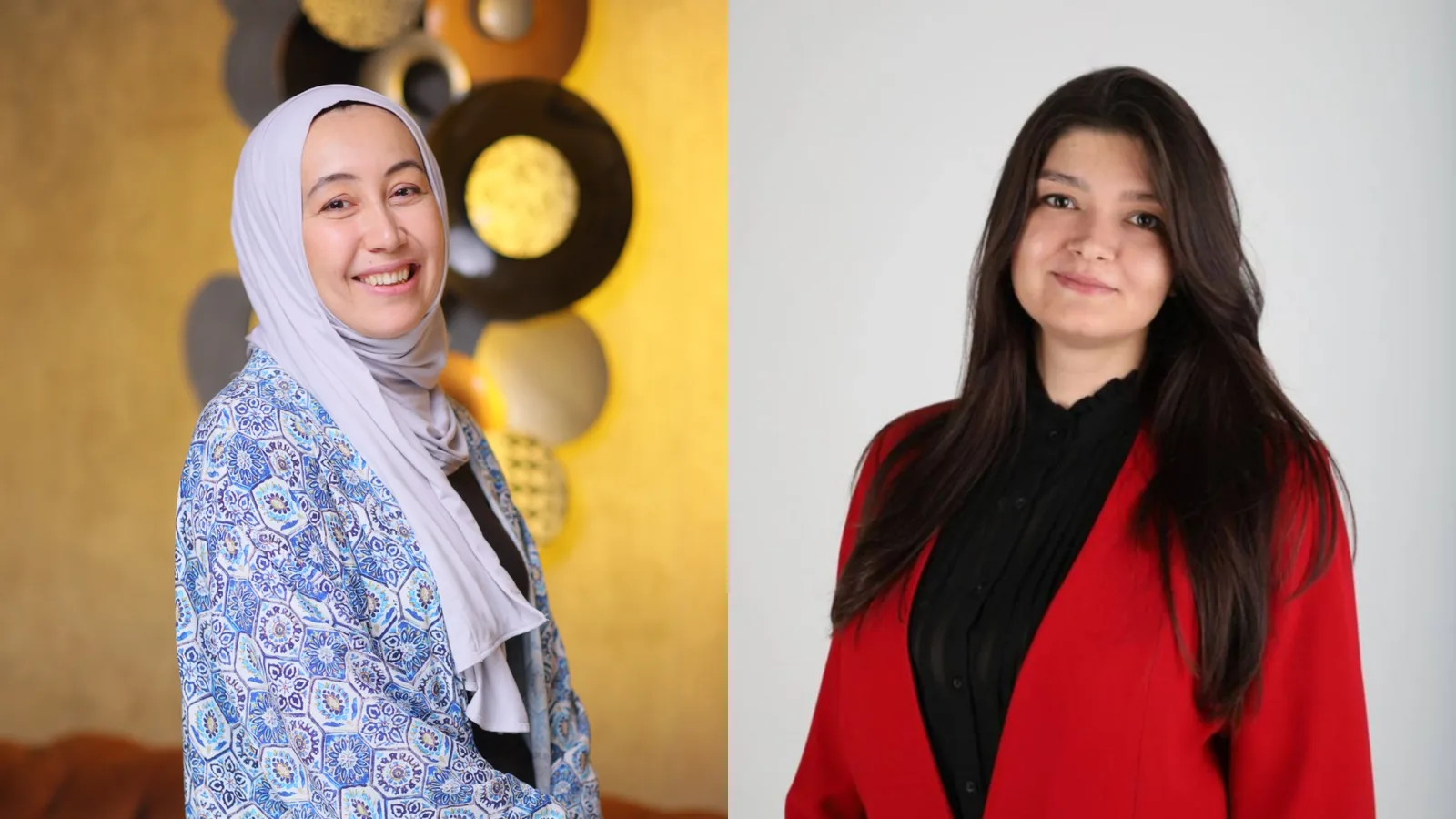
Munira Begmuratova (Tashkent, Senior Software Engineer at TopTal) and Anastasia Trekhbratskaya (Tashkent, Product Owner at Hamkor Bank) share their experiences. Begmuratova switched her major to business informatics, studied in Sweden, participated in the TechWomen program in the United States in 2016, and worked at EPAM before joining TopTal in 2021. Trekhbratskaya, originally from Moldova, has over 11 years of experience in FinTech, including time at T-Bank, and notes the absence of overt discrimination in the Uzbek IT community.
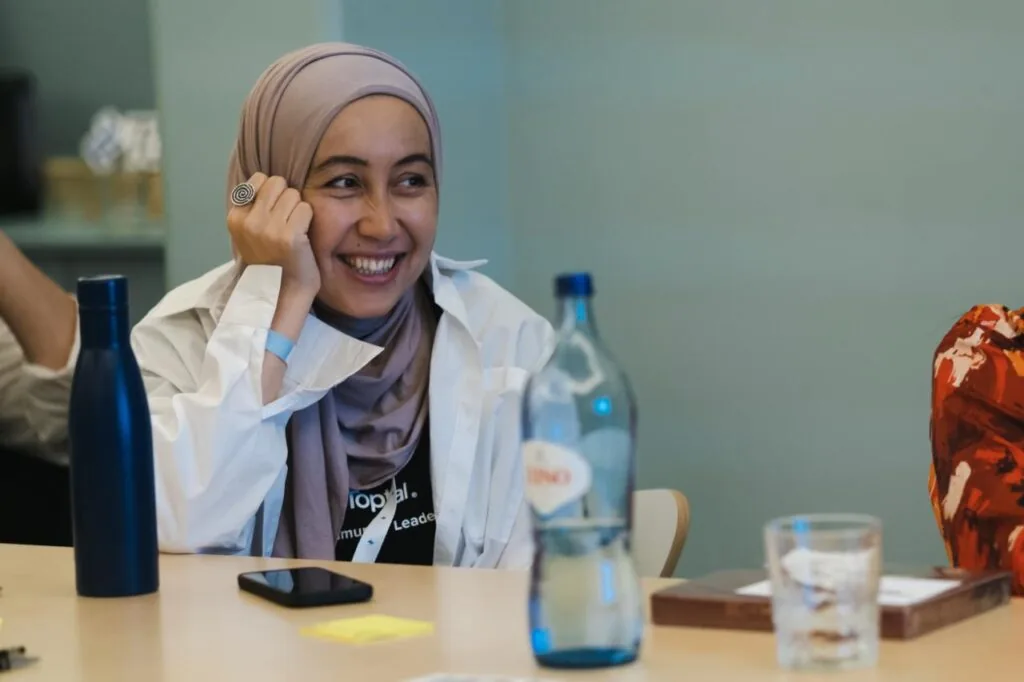
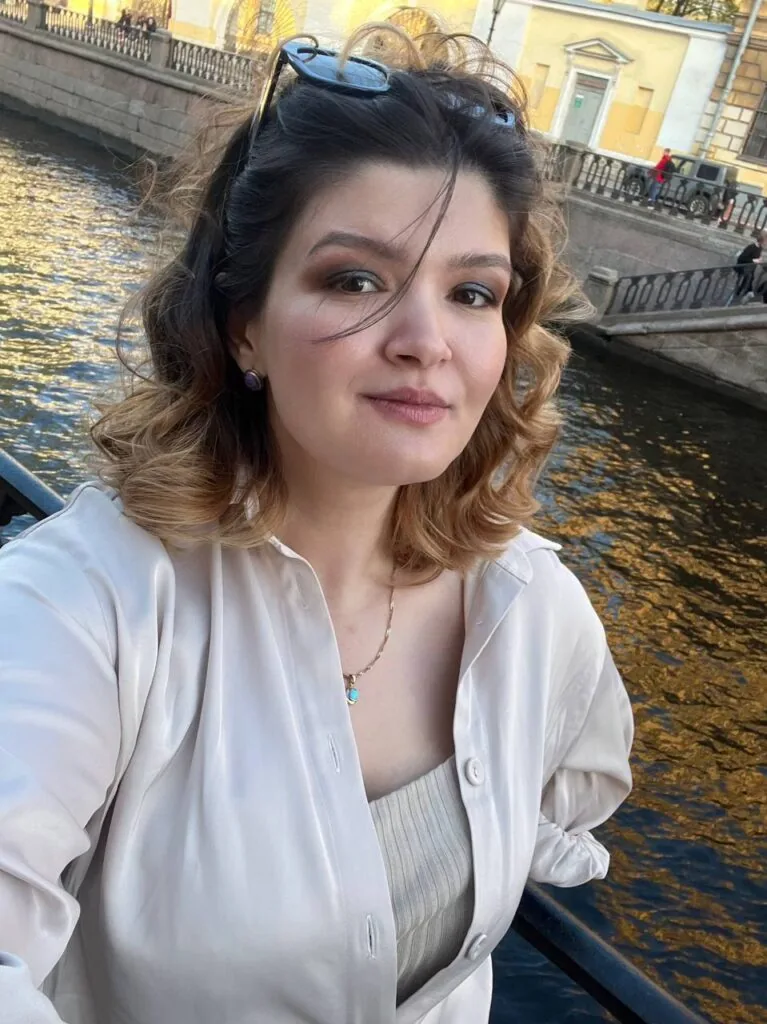
Munira Begmuratova, city — Tashkent, senior software engineer, Linkedin
About Me
Currently, I work as a senior software engineer at TopTal. I am not part of the core team and do not work directly with the company, but I am a member of the TopTal community and a community leader.
How I Entered the IT Profession
I did not do particularly well in school, and around the sixth grade, a friend introduced me to chess. We played almost every day, and after a while, she noticed that I was progressing quickly. Then I started playing with her father, who saw potential in me. This game developed my analytical and thinking skills, which, in turn, increased my interest in mathematics, physics, chemistry, and computer science.
In school, I studied computer science, and we had to write code on paper first and then on old computers, which was the norm at the time. Then I enrolled at the International Westminster University in Tashkent in the "Business Administration" major because I always dreamed of starting my own company. In my first year, I studied various disciplines such as law, programming, economics, and business. However, programming sparked the most interest in me, and I changed my major to "Business Informatics."
After graduating from university, I decided to develop not only as a programmer but also in the field of design, working in a multimedia studio at the university. Later, I switched to accounting, obtained international certifications, and taught at the university for several years. In 2017, I returned to the technology sector because I was always attracted to startups. I completed my master's degree in Sweden, which also fueled my interest in entrepreneurship. I met with various startup founders and noticed that most of them had strong technical skills, which inspired me to return to IT.
In 2016, I participated in the TechWomen program in the US, and it became a turning point for me. After returning, I quit my job at the university and dedicated two years to self-education to become a programmer again. My first job was at EPAM. Starting as a junior developer, I worked hard and passed a rigorous assessment, which led to my promotion to a middle-level developer.
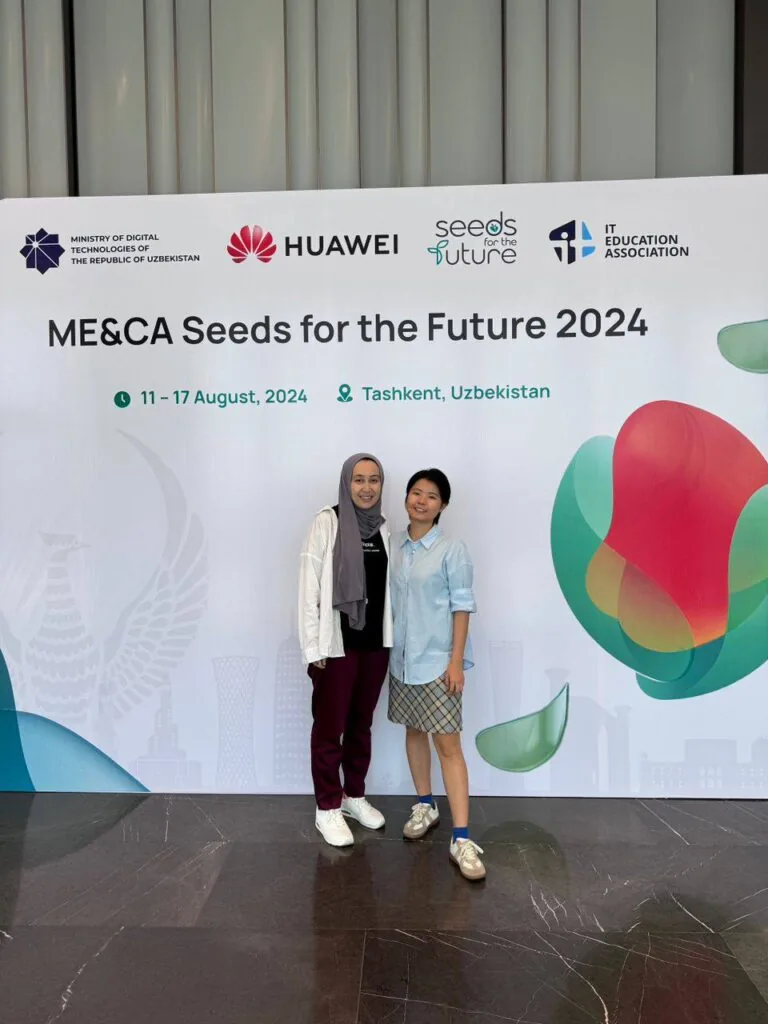
In 2021, I was looking for new opportunities and went through the selection process for TopTal. After all the interview stages, I was awarded the status of senior software engineer, as the selection process was designed only for experienced specialists. I was happy to pass all levels and am glad that my perseverance and desire for continuous development helped me achieve my goal of becoming a successful developer.
About Stereotypes
I do not have stereotypes regarding career choices. Perhaps other people have them, but I believe that stereotypes are just beliefs that live in our minds. If you have preconceived notions, then it is you who should work on overcoming them. My parents never fixated on what others might think. They were not limited by stereotypes and did not put boundaries on me. Their open-mindedness was a blessing, as they supported me in any of my choices. Even if I made a mistake, they would say, "Okay, do what you think is necessary." This was invaluable to me.
If you do not believe in stereotypes yourself, they cannot hurt you. If you are confident, then even if someone says you are not good enough, it will not cause you pain. But if you doubt yourself and perceive yourself as weak, any outside opinion will be perceived painfully. I do not want women to feel like victims of stereotypes. When we constantly talk about them, it inadvertently reinforces a sense of helplessness. We can choose a different path—say, "I do not believe in this." Even if you have self-doubts, it is normal. It is normal to be imperfect, but it is important to accept yourself and work on your shortcomings to become better.
Being weak or inexperienced is not scary; it is just part of the journey. But allowing the pain and doubts caused by others' words to stop you on this path is not worth it. I am not perfect, but I am working on myself, and that is my strength.
Barriers for Women in IT
When it comes to difficulties in professional growth, such as moving from a junior to a mid-level position or even finding a job, several factors can be highlighted. Often, women lack a circle of colleagues and friends who could support and guide them. For example, men often have more people in their environment who share experience and advice. Even during informal conversations, important career topics are discussed, and such talks can be beneficial. I do not smoke and cannot stand the smell of tobacco, so I often miss out on these moments. But I was always interested in what they were talking about. It turns out that these are often significant and interesting topics about careers and projects, but women usually do not participate in such conversations—not because men are against it, but simply because that is how it happened.
Additionally, there are still few women in programming, and I often lacked people willing to share their experience. The lack of mentors is a big problem. Nevertheless, I am satisfied with my network of contacts. For example, I had an acquaintance, a graduate of a technical faculty, who was the first to tell me about TopTal. At some point, I thought that one day I could turn to her for advice. And that is exactly what happened: she offered me the opportunity to join TopTal when she found out that I had already been working at EPAM for almost a year and a half.
Recommendations for Those Just Starting Their Journey
The first recommendation for parents is not to limit children with boundaries of what they think is "allowed" or "not allowed." Regardless of whether it is a girl or a boy, it is important not to set rigid boundaries in career choice, in the sense of what is considered good or bad, right or wrong. If girls want to become part of a certain field, they will have to work hard to achieve it. Like it or not, they will have to fight and make efforts, regardless of whether they chose a career they love or if a career path was imposed on them.
When I hear someone say, "I love my job, it was never hard for me," I think that they were just lucky. For me, this path was never easy, but since I see the benefits of working in the technology sector, they outweigh the difficulties I face. Therefore, I am here, and I believe it is important to continue moving forward no matter what.
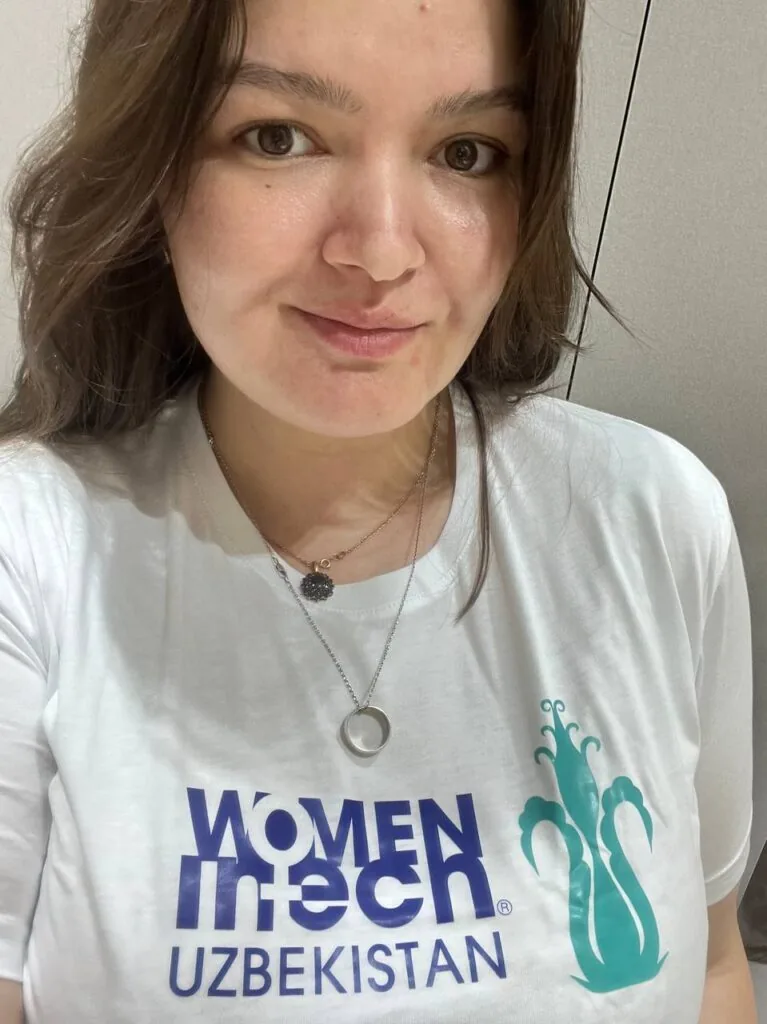
Anastasia Trekhbratskaya, city — Tashkent, product owner, Linkedin
About Me
I am from Moldova. As a child, I dreamed of becoming president, and although it sounds like a joke, it was actually my true aspiration. But later I realized that you can earn more in IT. I have been working in the FinTech sector for over 11 years, although my path was not related to classical finance. It was Forex, cryptocurrencies, and my last two workplaces were in banks.
I lived in Russia for nine years, and my last workplace there was "T-Bank," where I worked for a short time. I have been working at Hamkor Bank for almost half a year in the position of product owner. My task is to optimize internal business processes and help the company save on development.
How I Entered the IT Profession
I started as a manager at a Forex broker, combining customer and technical support. I worked for nine years, progressing from Team Lead Support to Deputy Head of International Sales. In this role, I was engaged in analytics and task prioritization using an internal CRM system.
In 2017, realizing a career ceiling, I began to study the IT sector and became interested in product management. Later, I moved to a startup of a crypto exchange, where, as head of sales, I built processes from scratch, handled website migration, client acquisition, and team formation. The startup developed successfully but was closed due to high risk.
Next, I joined "T-Bank," where I worked as a lead analyst. Here I gained valuable experience working with cross-functional teams, setting OKRs and tasks. However, working in a large corporation seemed too restrictive, which led to burnout and the decision to change direction.
Today, I live in Uzbekistan, getting acquainted with the local market and business specifics. Tourism and migration turned out to be different things, but I like Uzbekistan for its culture and atmosphere. I continue to adapt to the local mentality, where flexibility is valued, but sometimes transparency is lacking.
About Stereotypes
In some situations, I was told: "You are a woman, and we will not appoint you as a manager." Therefore, when joining new companies, I always clarify the leadership composition. Not from a critical perspective, but to understand how people react to this question. During my job search, I went through many interviews, and this question helps to shed some light on corporate culture and relationships within companies.
I was pleasantly surprised by how, in Uzbekistan, especially in large companies such as Hamkor Bank and at various conferences, respect for employees is shown regardless of their gender. There is no obvious imbalance or discrimination here. If a woman holds a managerial position, it is perceived quite calmly. Men in the team understand that such a position requires certain skills and professionalism and accept it without bias. I think this reflects the features of the society's mentality, where competence and respectful attitude are valued.
Barriers for Women in IT
I want to share observations based on the experience of girls from the community in Russia. It was often noticed that women with children, especially mothers, are less willing to be hired. However, for me, this is primarily an indicator of the company's level of maturity and its corporate culture.
Companies that are willing to hire mothers, whether large players or small ones, demonstrate that they have established internal processes and are ready to take into account different life situations. For example, they may offer a flexible schedule, remote work opportunities, or additional days off if the child gets sick. This not only shows their care for employees but also makes such companies attractive to professionals with different life experiences.
In Moscow and St. Petersburg, in my opinion, there are fewer problems with this than in the regions. In large cities, companies are better adapted to remote work.
In interviews, out of 10 cases, only once was I asked about my marital status. This, on the one hand, is an inappropriate question, but on the other hand, it is a way for HR to save time for both sides. Such a question may hint at an irregular schedule, which immediately gives an understanding of whether I am suitable for this position.
I have heard stories where girls faced contemptuous attitudes, such as: "You don't understand anything." However, I have not noticed this in my teams. For example, at "T-Bank," where I worked, there were many young specialists of both sexes, and a culture of equality was established from the very beginning. This is impressive, especially against the background of my experience in other large companies where such issues might have remained implicit.
Nevertheless, reality does not always correspond to declared values. In some companies, equality and opposition to discrimination are declared, but in practice, it may feel different. In one small company where I worked, I was refused a salary increase simply because I am a woman. Unfortunately, this is part of our reality. Although it is upsetting, sometimes you just have to accept such conditions.
Recommendations for Those Just Starting Their Journey
From my experience, I understand that I could have achieved the same results on my own, but it would have taken significantly more time. It is much easier to develop when you have a strong community and access to networking—with people you can turn to without fear of asking even the most seemingly "stupid" question.
In fact, there are no stupid questions. If you ask, it means you need to figure it out, and most people are ready to help and explain. This is why I consider the development of professional communities so important: they not only accelerate growth but also give confidence that you are not alone on your path.
The Tech on Telegram Follow The Tech on Telegram
Keep up with the latest technology and startup news.
Related reading


More from this author
News
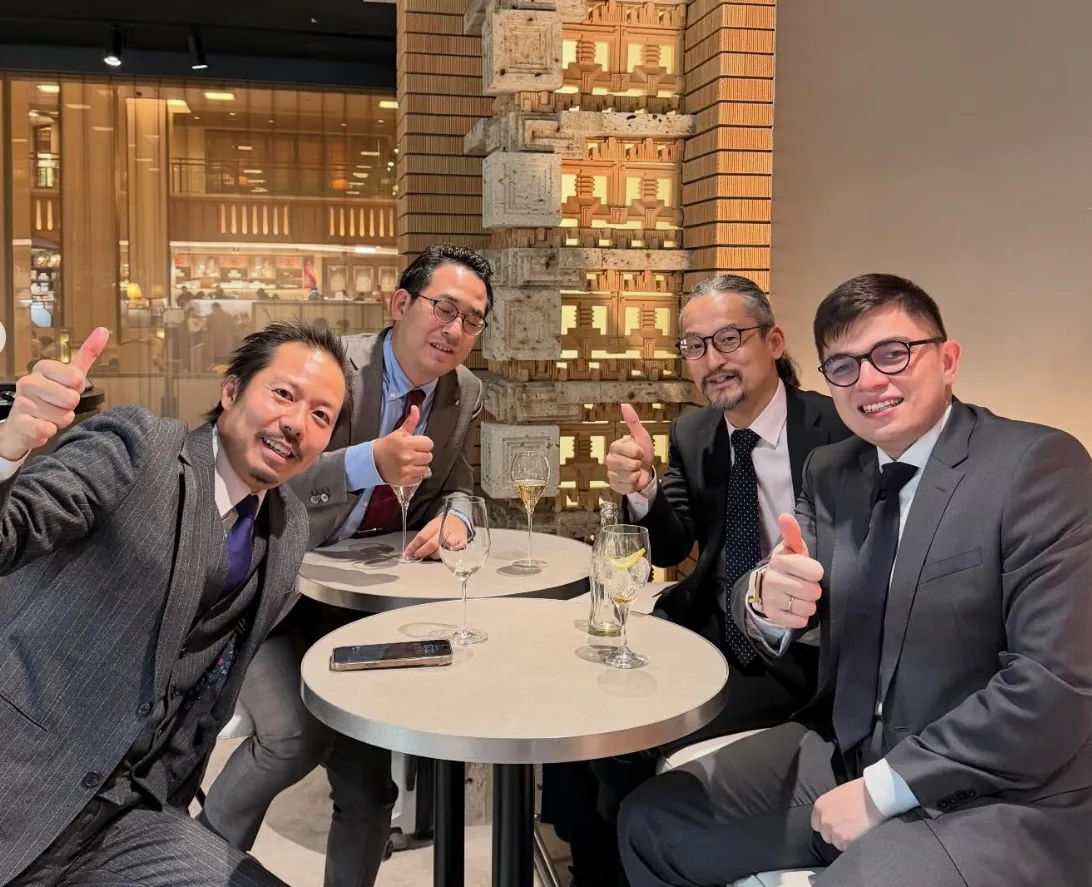
zypl.ai begins operations in Japan and focuses on next-generation risk models
Mansur Ismagulov

News
Elon Musk's net worth has exceeded $700 billion for the first time
Mansur Ismagulov
Article Interviews
"Central Asian countries should build a joint ecosystem," — Bekhzod Ismoilov on the development of AI in the region
Mansur Ismagulov
Article Interviews
Bloom's Taxonomy and Engineering Levels: A Practical Growth Model
Mansur Ismagulov

Article Useful
How the IT industry in Azerbaijan developed in 2025: key events
Mansur Ismagulov
News
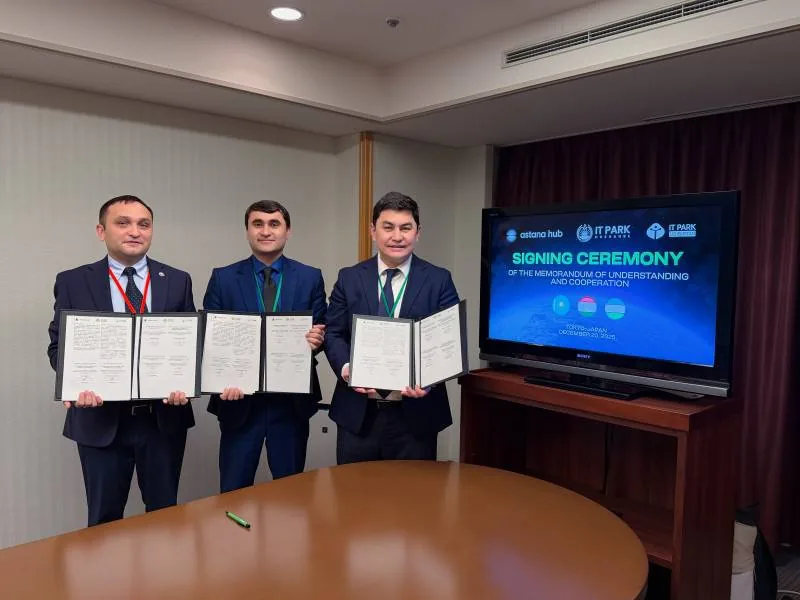
Tajikistan has become a new member of the regional innovation alliance Central Asian Innovation Hubs
Mansur Ismagulov