Vibe coding — the word of 2025 according to Collins Dictionary
Author - Mansur Ismagulov
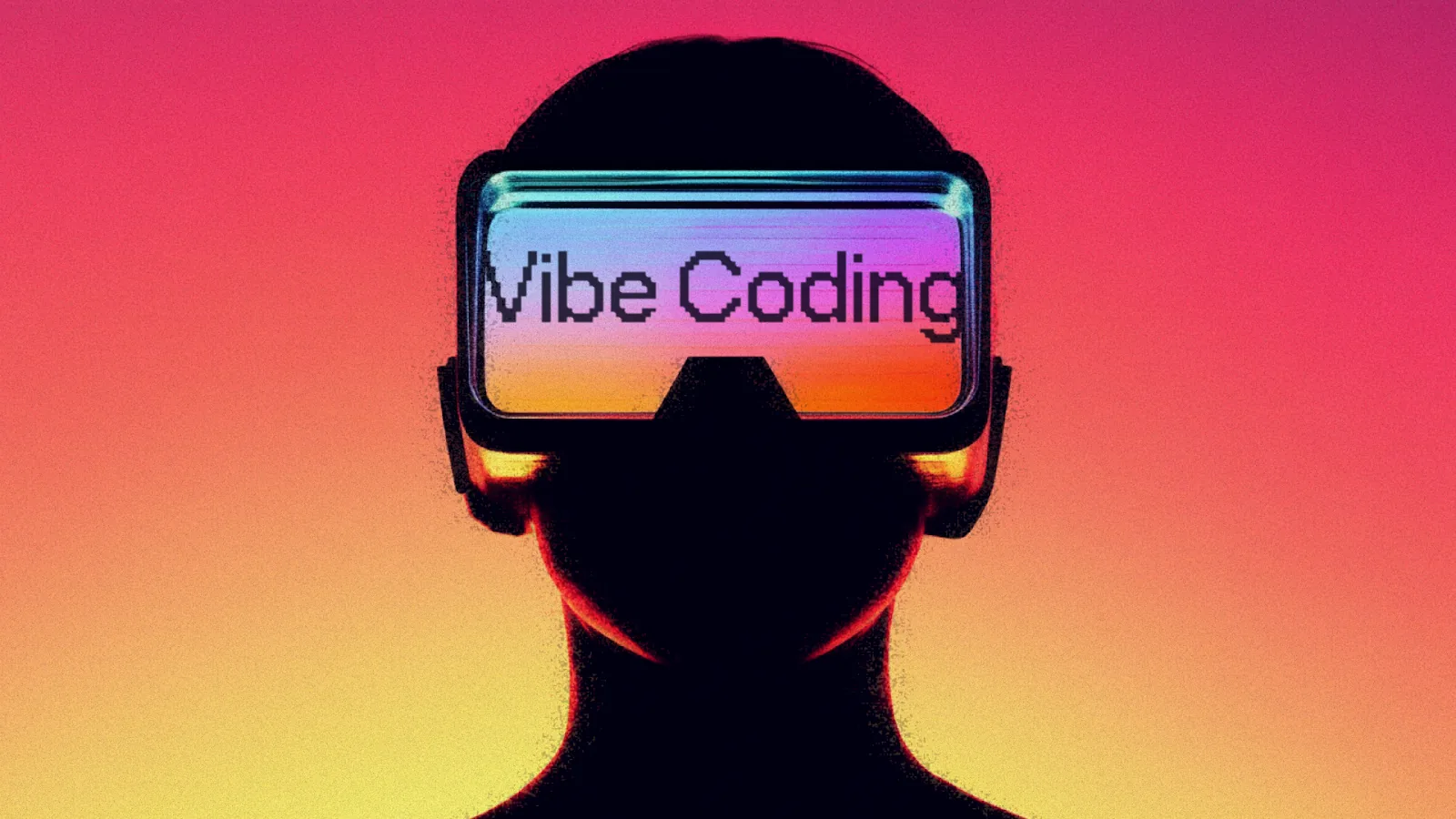
The term vibe coding describes a key shift in our relationship with technology. It was coined by AI pioneer Andrej Karpathy: vibe coding is the process of writing computer code using artificial intelligence, where you simply explain in natural language what you want to achieve.
In simpler terms, you tell the machine what needs to be done, rather than how to code it manually. Programming by vibe, not by variables. While experts debate whether this is a revolution or recklessness, the term has already become a symbol of a new era, as more and more areas of our lives are permeated by AI.
Most of the words on Collins' shortlist for this year also reflect the move toward a technologically dominated world.
However, among the finalists are terms that show how society is fighting for authenticity in an age of performative behavior.
One such term is aura farming — the deliberate cultivation of a charismatic, seemingly natural image, which is actually the result of calculated effort. The phenomenon originated in Generation Z and went viral after a video of an Indonesian teenager calmly and confidently dancing at a boat race. It is a paradox of our time: looking like you aren't trying.
With the return to offices in hybrid work arrangements, a new phenomenon has emerged — taskmasking. This is when employees pretend to be busy: actively typing something trivial or attending pointless meetings.
Similar to the "quiet quitting" trend of 2022, taskmasking has become a form of quiet protest against corporate culture, where appearing busy is valued more than actually working.
A new term has also emerged — broligarchy. It refers to a small group of ultra-wealthy tech billionaires who wield disproportionate political influence.
The Silicon Valley oligarchy — this is how one might characterize this phenomenon, which is reshaping democracy in real time.
Many have become fascinated by biohacking — intervening in the body's natural processes to improve health and extend life. From cryotherapy to nutrigenomics, the drive for self-improvement has become a mass trend in 2025.
And if you are a HENRY, or High Earner, Not Rich Yet — that is, a person with a high income but without accumulated wealth — you might be investing in biohacking while simultaneously wondering why, despite a six-figure salary, money still doesn't seem to be enough. HENRYs are stuck between student debt, rising expenses, and the pressure to maintain a certain "lifestyle," making real wealth out of reach.
To escape this pressure, many are taking micro-retirements — short "mini-pensions" between periods of work, to focus on themselves, travel, or simply remember what life is like outside constant stress.
Generations Z and Millennials are increasingly choosing this path, rejecting the idea of "work until old age, then rest." However, even HENRYs may not have enough funds for a full retirement.
And when vacation time comes, more and more people are choosing coolcation — vacations in cool countries.
Due to the heat, traditional summer destinations have become unbearable, and tourists now prefer Norway, Iceland, and Scotland instead of hot beaches. Climate change has literally "cooled" our holidays.
Despite the desire for sincerity, we continue to glaze — excessively praise and flatter, often undeservedly.
The phrase stop glazing, or "stop flattering," has become a popular expression among Generation Z — a demand for reality in a world of fake praise.
Notably, the word clanker has emerged — a derogatory term for computers, robots, and AI systems.
It originated in "Star Wars" and has now become an ironic way to express the anxiety of a generation watching AI displace humans from jobs.
Conclusion
2025 has shown that humans remain multifaceted, and Collins' word list accurately reflects what it means to be human in the age of artificial intelligence.
Source: blog.collinsdictionary.com
The Tech on Telegram Follow The Tech on Telegram
Keep up with the latest technology and startup news.
Related reading







More from this author

News
zypl.ai begins operations in Japan and focuses on next-generation risk models
Mansur Ismagulov

News
Elon Musk's net worth has exceeded $700 billion for the first time
Mansur Ismagulov

Article Interviews
"Central Asian countries should build a joint ecosystem," — Bekhzod Ismoilov on the development of AI in the region
Mansur Ismagulov

Article Interviews
Bloom's Taxonomy and Engineering Levels: A Practical Growth Model
Mansur Ismagulov

Article Useful
How the IT industry in Azerbaijan developed in 2025: key events
Mansur Ismagulov

News
Tajikistan has become a new member of the regional innovation alliance Central Asian Innovation Hubs.
Mansur Ismagulov