"It was important not to be afraid of mistakes and to see them as lessons," — Damir Mnaidarov on the beginning of his career in IT
Author - Mansur Ismagulov

In an interview with The Tech, the director of Qostanai Hub shared how he found his first job, why he stayed in his hometown, and offered advice to aspiring IT professionals.
Damir Mnaidarov, city — Kostanai, director of Qostanai Hub, Instagram
About himself
I was born in the Karasuk district, grew up in the city of Kostanai, and graduated with honors from the Myrzakyp Dulatov Kostanai Engineering and Economics University with a degree in "Economics and Business." Two years later, I completed a scientific and pedagogical master's program at the Akhmet Baitursynuly Kostanai Regional University in the field of "Information Technology and Robotics."
I was always an active student, participated in the public life of Kostanai, and later headed the Student Council of the Kostanai region.
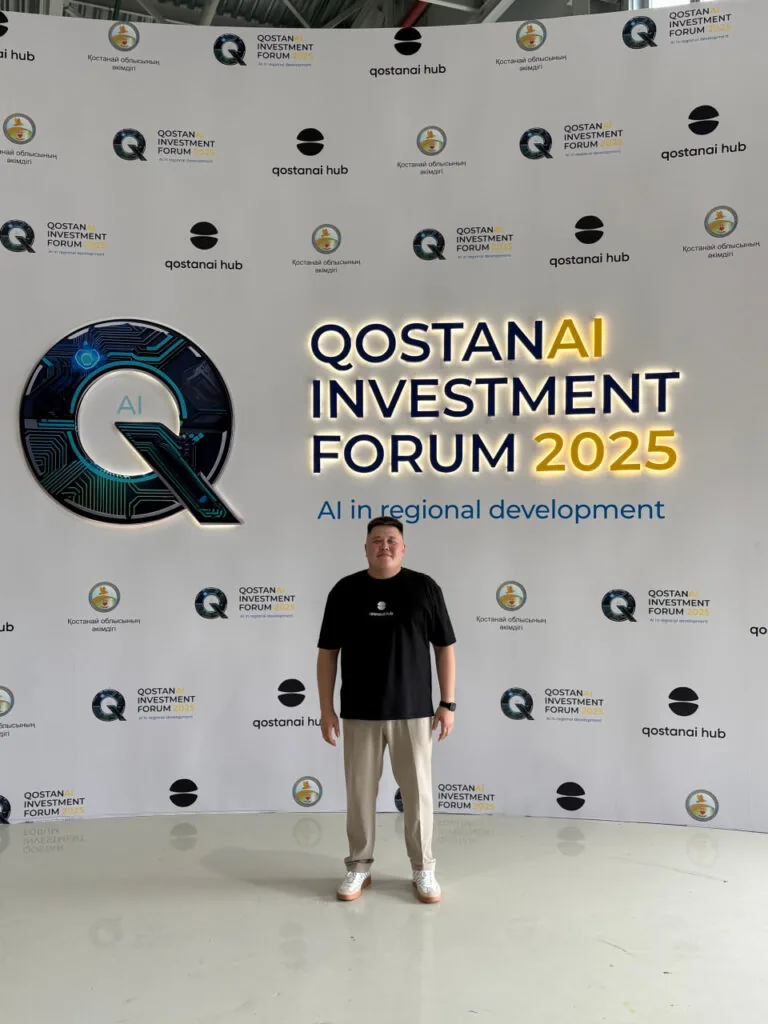
About his first job in IT
I started my path at the Kineu Startup Academy in 2018, and then continued at the Regional Smart Center of Akhmet Baitursynuly Kostanai Regional University. There, I was engaged in the commercialization of scientific projects, preparing grant applications, and organizing startup competitions and hackathons of regional and republican levels. Our goal is the development of student entrepreneurship.
Together with Astana Hub and QazInnovations, we conducted the first incubation programs in the Kostanai region. This is how my acquaintance with startups and IT began. These initiatives allowed us to establish connections with key figures in Kazakhstan's innovation cluster.
After working as the director of the IT department at the university, I joined the creation of Qostanai Hub. For over five years, I have been developing this sector, and now, two years after the systematic work of the hub together with Astana Hub and the regional digitalization department, we have tangible results:
— more than 160 events held with the participation of over 5,000 people
— incubation programs accelerate the growth of Kostanai startups
— a successful case is Aitomaton, which passed Startup Garage and Sales Bootcamp, attracted $150,000 in investments, and is preparing for Digital Bridge 2025.
Companies from Kostanai have already become residents of Astana Hub and receive tax benefits, and four more are in the process of registration. In 2025, we submitted 41 applications to Startup Garage — this is third place in the country after Astana and Almaty. For two years in a row, Kostanai teams have taken prize places at Kazakhstan's largest hackathon — Decentrathon.
I got to know Astana Hub back in 2019 while studying at the school of trackers. In 2023, I became a regional manager, and in June 2025, I became the director of Qostanai Hub. I had competitors, but what decided the outcome was my experience and understanding of the specifics of the work.
I am often asked why I did not move to Astana or Almaty. The answer is simple: I am a patriot of my city and am convinced that Kostanai is the best city on earth.
My task is to build a regional IT and startup ecosystem: from schoolchildren and students to freelancers and IT companies. For this, we consolidate the community, transfer the experience of Astana Hub, and show what advantages residency provides.
Education and personal qualities played an important role in my employment. In my case, they were looking for someone who understands the specifics of working in the region well, and I fit both by education and by experience. I think this became one of the key factors that worked in my favor.
Moreover, I noticed that in every region of Kazakhstan where Astana Hub has branches, there are people who are truly passionate about their work and proud of the opportunity to develop their region. This spirit of patriotism and desire to develop local technologies and startups is of great importance. It is this dedication to the cause and the desire to improve one's homeland, I think, played the main role in my employment.
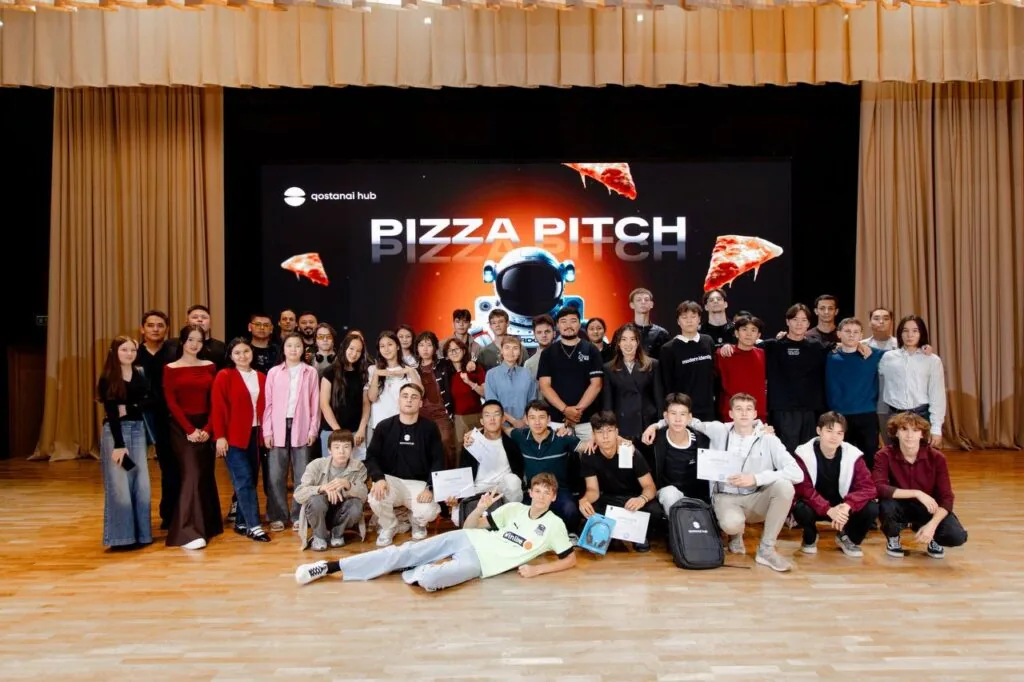
About difficulties
I cannot say that I faced difficulties in finding my first job in IT, because it always found me on its own. To some extent, I can call myself lucky, as job offers often came to me on their own. However, I understand that such an experience is an exception, and in general, finding a job in IT requires effort.
If the goal is to work in a large technology company, such as Google or Meta, then, of course, this requires much more preparation and effort. It is necessary not only to develop the corresponding technical skills but also to know how to present yourself correctly, create a high-quality resume, and pass interviews at the highest level. Given the high competition in such companies, it is important to be ready to put in maximum effort to achieve this goal. So if I decide to look for a job in such companies, I will approach this seriously: I will prepare, improve my skills, and actively look for vacancies through various channels.
I have encountered rejections in the process of job hunting, and I believe it is important to perceive them constructively. Instead of getting upset, I try to understand what can be improved. I analyze my strengths and weaknesses, identify where I need to improve — whether it is experience, skills, or the ability to present myself correctly in interviews.
Each rejection helped me draw conclusions and adjust my strategy. For example, if I did not get a response to a vacancy, I revised my resume or changed my approach to interview preparation. This helps me become better and move forward more confidently.
Failures always affect motivation, but it is important to perceive them as part of the process. They teach not to give up, but to continue working on yourself, improving your skills and approaches in job hunting.
At the beginning of my work, I faced several difficulties, but I think this is a natural part of the path. First of all, it was getting acquainted with the company's internal processes, understanding how everything works in practice, not just in theory. Often, I had to take on tasks that went beyond my initial experience, and this required significant effort. However, I believed that it was important to use every opportunity for learning and gaining new knowledge. It was important not to be afraid of mistakes and to perceive them as lessons.
I overcame these difficulties by actively participating and working on the tasks assigned to me. This helped me figure out the processes from the inside and understand how to properly organize my work, build interaction with colleagues, and solve problems that arise in practice.
The main difficulty for beginners in finding their first job in IT is the lack of practical experience. Theory is important, but without real practice, it is difficult to assess how processes work in real conditions. Therefore, it is important for beginners to study not only theory but also actively look for opportunities to work on real projects, even if they are small tasks. This way, they will be able to quickly understand the specifics of the profession and develop the necessary skills.
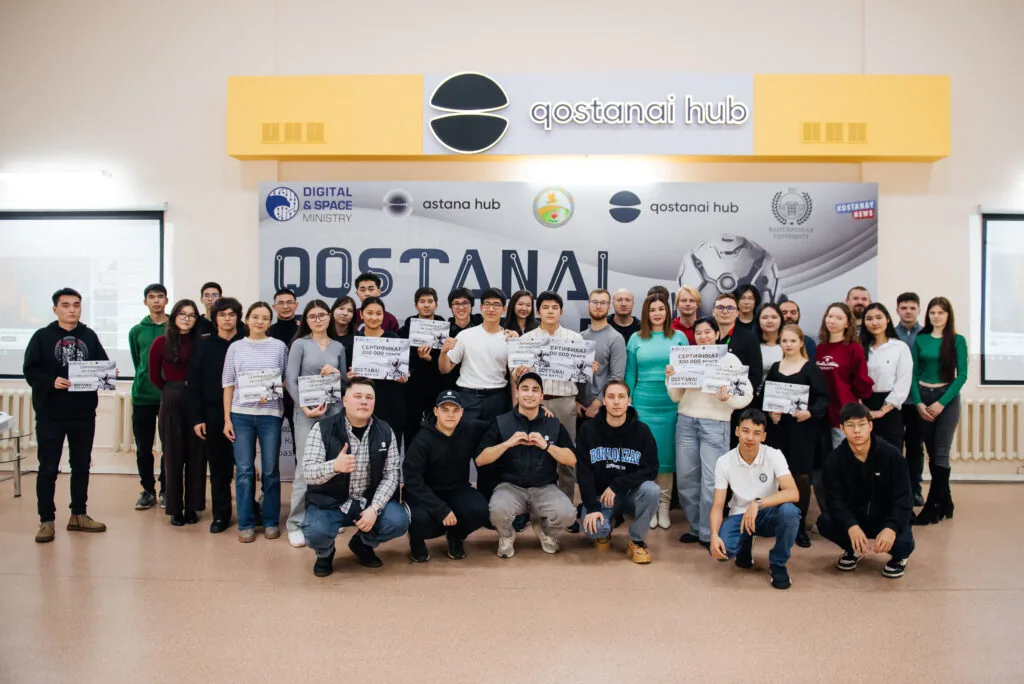
3 tips that will help you find a job in IT
- A portfolio is the most important thing. It does not matter what you do — write code, create designs, or test programs — you must have projects that can be shown. This can be a pet project, participation in a hackathon, or something for freelancing.
- Networking — attend IT events, conferences, meetups. Meet people, learn about companies and opportunities. Many companies are more willing to hire young specialists for internships, which can turn into full-time jobs.
- Rejections are part of the path. Use them for analysis and growth. Ask employers for feedback on what you need to improve. This will show your determination and help in the future.
The Tech on Telegram Follow The Tech on Telegram
Keep up with the latest technology and startup news.
Related reading







More from this author

News
zypl.ai begins operations in Japan and focuses on next-generation risk models
Mansur Ismagulov

News
Elon Musk's net worth has exceeded $700 billion for the first time
Mansur Ismagulov

Article Interviews
"Central Asian countries should build a joint ecosystem," — Bekhzod Ismoilov on the development of AI in the region
Mansur Ismagulov

Article Interviews
Bloom's Taxonomy and Engineering Levels: A Practical Growth Model
Mansur Ismagulov

Article Useful
How the IT industry in Azerbaijan developed in 2025: key events
Mansur Ismagulov

News
Tajikistan has become a new member of the regional innovation alliance Central Asian Innovation Hubs.
Mansur Ismagulov