Kazakhstan is launching the implementation of artificial intelligence in the geological industry.
In fulfillment of the Head of State's directive, we are moving to the practical implementation of technologies in one of the key sectors of the economy. The use of artificial intelligence in geology is not just automation, but a tool for direct economic efficiency that will significantly reduce the time required for resource exploration and ensure transparency of processes for investors. Our task is to eliminate any barriers, from infrastructure-related to regulatory, so that the project becomes a benchmark for digital transformation in the industry.
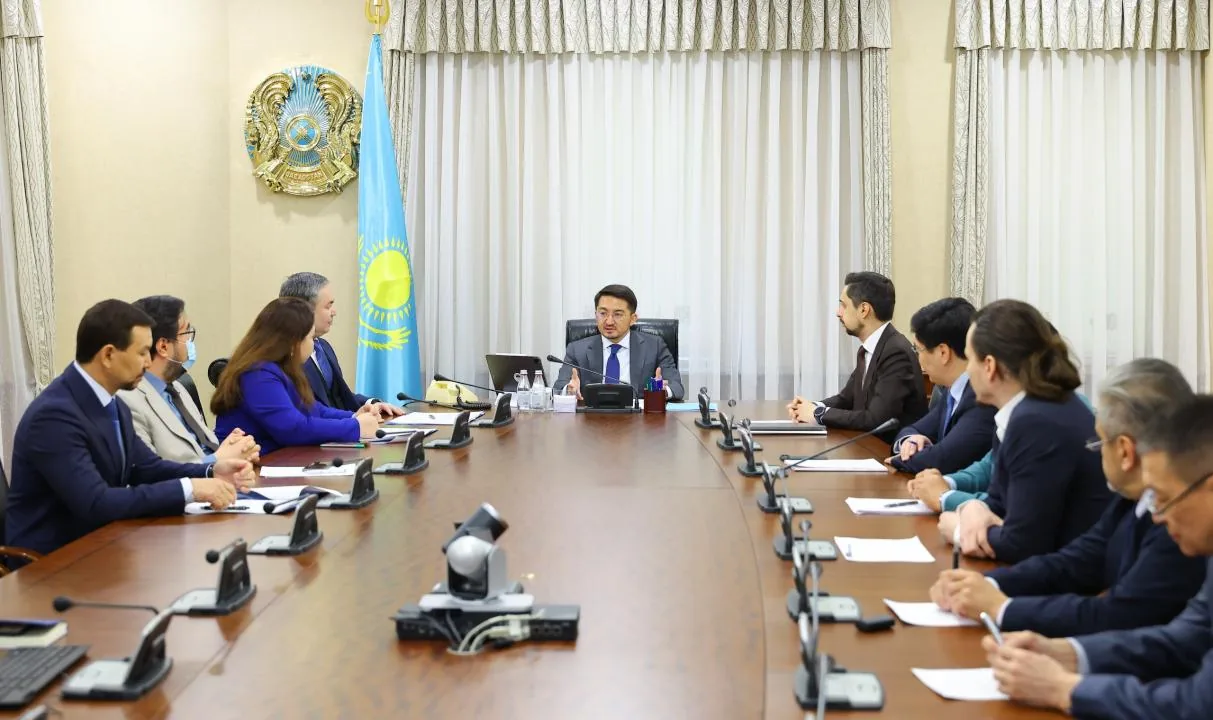
A meeting was held under the chairmanship of Deputy Prime Minister – Minister of Artificial Intelligence and Digital Development Zhaslan Madiev in the Government, dedicated to issues of implementing artificial intelligence technologies in the geological industry.
The discussion involved Minister of Industry and Construction Yersayyn Nagaspaev, representatives of national IT holding companies, as well as experts from international and domestic technology companies.
Work on integrating intelligent solutions into the subsoil use sector is being carried out in fulfillment of the direct directive of Head of State Kassym-Jomart Tokayev to accelerate the digitalization of geology and form a high-tech ecosystem in the industrial sector.
The project aims to develop the Unified Subsoil Use Platform, which will combine Big Data, machine vision, and predictive analytics technologies, allowing coverage of at least 90% of all geological data in the country.
During the meeting, representatives of EPAM Kazakhstan LLP presented a report on the progress of developing subsystems for data processing and storage. Currently, more than one terabyte of information has been processed, and a prototype solution based on artificial intelligence has been launched.
Terra GeoCube presented the GeoCube model, which allows identifying promising areas for geological exploration based on the analysis of satellite imagery and historical archives. According to the developers, this increases the probability of discovering new deposits while simultaneously reducing field costs.
Participants paid special attention to infrastructure issues. Processing the accumulated 500 terabytes of data requires upgrading communication channels to 25 Gbit/s and allocating computing power based on the Alem.cloud supercomputer. JSC "National Information Technologies" has been tasked with providing the project with the necessary resources, including graphics processing units and disk space up to two petabytes.
Zhaslan Madiev, Minister of Digitalization
As a result of the meeting, the Astana Hub Fund was tasked with accelerating the signing of all necessary agreements for the project by June 1, 2026. Akimats and relevant agencies have been instructed to promptly provide updated data on restriction layers for subsoil use.
Source: Gov.kz
The Tech on Telegram Follow The Tech on Telegram
Keep up with the latest technology and startup news.
Related reading




More from this author

Article Useful
How to protect your accounts from hacking: 8 settings you should check today
The Tech

Article Useful
500 Global: How the Accelerator Works and Who Can Receive Investments
The Tech

Article Interviews
Game Development in Central Asia: Arkady Moldavski on Developing Reverb and the Growth of the Industry
The Tech

Article Useful
Google, Tesla, BlackRock, and the IMF: Where to Apply for an Internship in Fall 2026
The Tech

News IT
Tesla unveiled the flying electric car Roadster
The Tech

News IT
Intero Biosystems startup won the Startup Battlefield at TechCrunch Disrupt 2026
The Tech