The Uzbek satellite Samarkand-2028 has been successfully placed into orbit
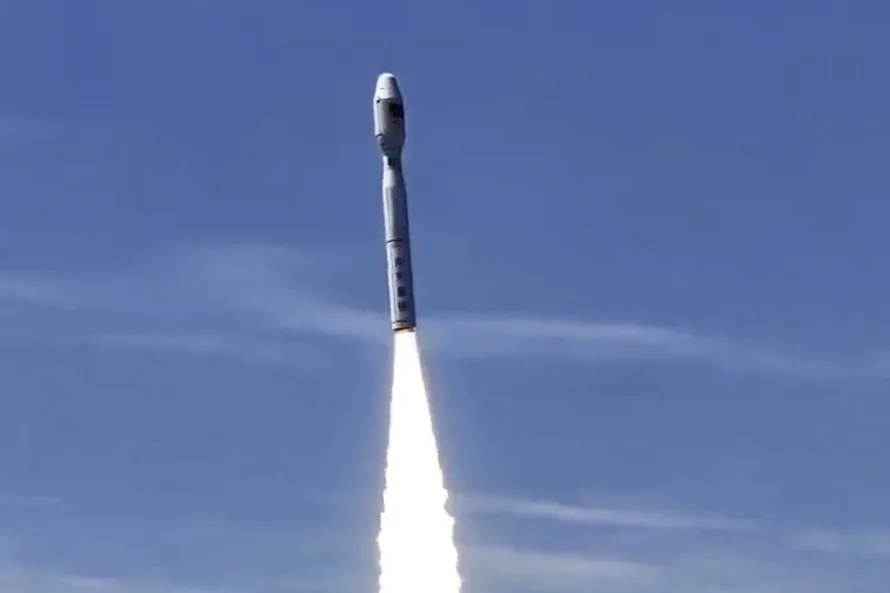
On August 5, STAR.VISION successfully launched the hyperspectral satellites Samarkand-2028 and Lampung-1 from a sea launch platform off the coast of China's Shandong province.
This project is considered one of the largest international space projects in the history of Uzbekistan and marks a new stage in the development of the national space program. Additionally, it contributes to further strengthening scientific and technological cooperation between Uzbekistan and China.
As part of the project, specialists from the "Uzbekcosmos" agency developed a special artificial intelligence module for the satellite's onboard system. This technology enables hyperspectral data to be processed directly in orbit, improving the efficiency of data transmission and subsequent analysis.
The Samarkand-2028 mission expands the application of space technologies in agriculture, ecology, natural resource monitoring, water resource management, emergency warning systems, urban planning, and other strategically important areas.
The name Samarkand-2028 holds symbolic significance. It is linked to a decision made at the International Astronautical Congress held in Sydney in 2025, which determined that the 79th International Astronautical Congress in 2028 will take place in Samarkand.
The implementation of this project is of great importance for expanding Uzbekistan's participation in the global space community, developing national engineering capabilities, and elevating international cooperation in the fields of artificial intelligence and space technologies to a qualitatively new level.
Source: digital.uz
The Tech on Telegram Follow The Tech on Telegram
Keep up with the latest technology and startup news.
Related reading



More from this author

Article Useful
How to protect your accounts from hacking: 8 settings you should check today
The Tech

Article Useful
500 Global: How the Accelerator Works and Who Can Receive Investments
The Tech

Article Interviews
Game Development in Central Asia: Arkady Moldavski on Developing Reverb and the Growth of the Industry
The Tech

Article Useful
Google, Tesla, BlackRock, and the IMF: Where to Apply for an Internship in Fall 2026
The Tech

News IT
Tesla unveiled the flying electric car Roadster
The Tech

News IT
Intero Biosystems startup won the Startup Battlefield at TechCrunch Disrupt 2026
The Tech