Tech Heads. The IT Director of Click on how to build a strong team and a technology used by millions
Click is one of the most well-known and sought-after technology companies in the region, where thousands of IT specialists want to work. Behind the platform's scaling, the transformation of the product into a super app, and the implementation of AI lies systematic work on architecture, teams, and strategy. Click's CIO, Alexey Shatilov, shares insights into his career journey, leadership approach, technological solutions, and trends that will shape the company's development and the entire industry in the coming years.
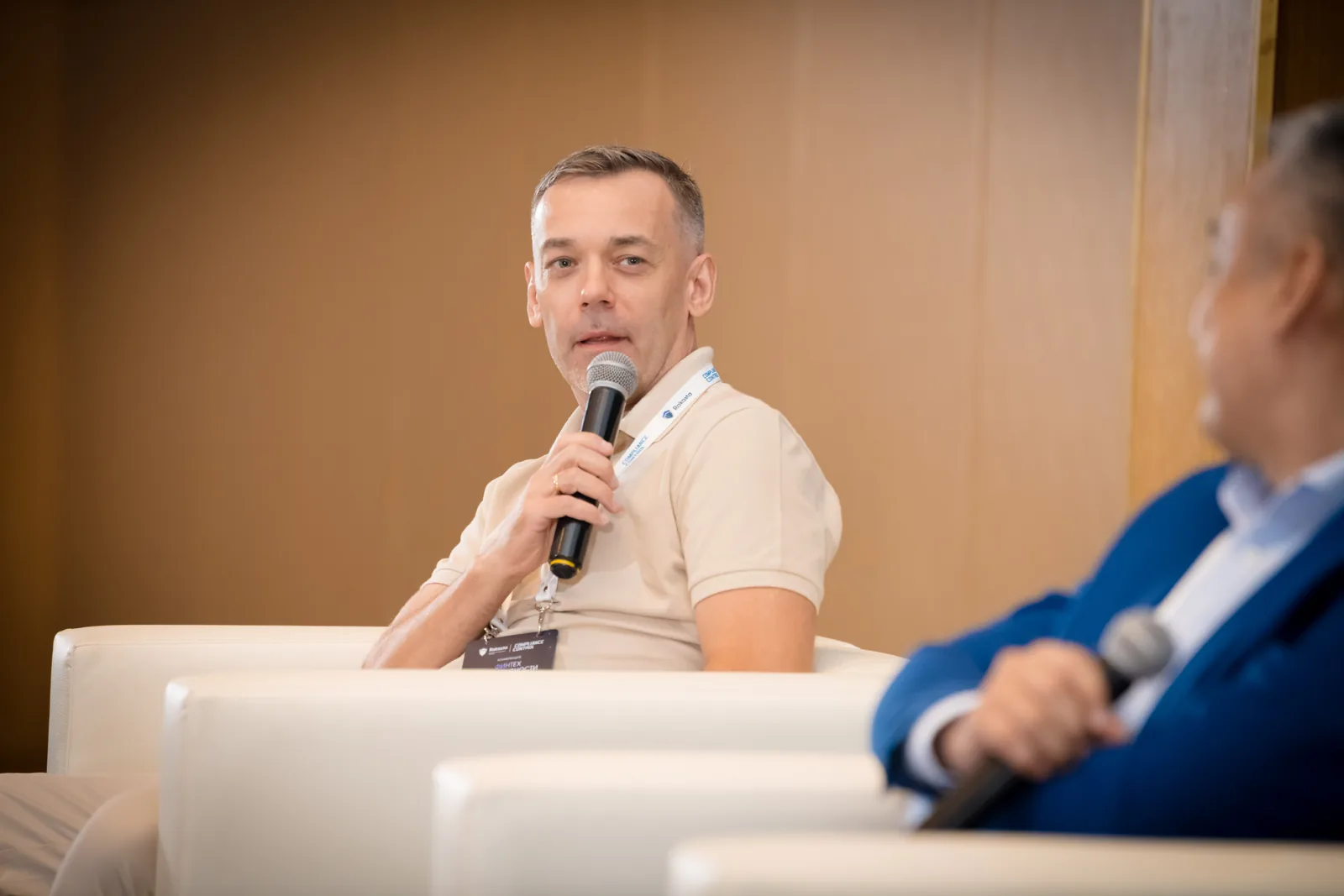
Alexey Shatilov, City — Tashkent, CIO Click, Linkedin
About Me
I have a specialized degree from the Samara National Research University in the field of information technology, with a specialization in automated information systems.
Since my university days, I have been involved in creating information systems. Over this time, I have gained experience building large-scale systems from scratch in various roles: from developer and architect to implementation project manager and head of an R&D center.
I spent the majority of my career—about 18 years—at Sberbank, primarily working with payment systems. Currently, I hold the position of CIO, or IT Director.
In my view, the role of an IT Director in a modern technology company is undergoing significant transformation: today, technology is no longer just business support but its foundation—effectively the company itself.
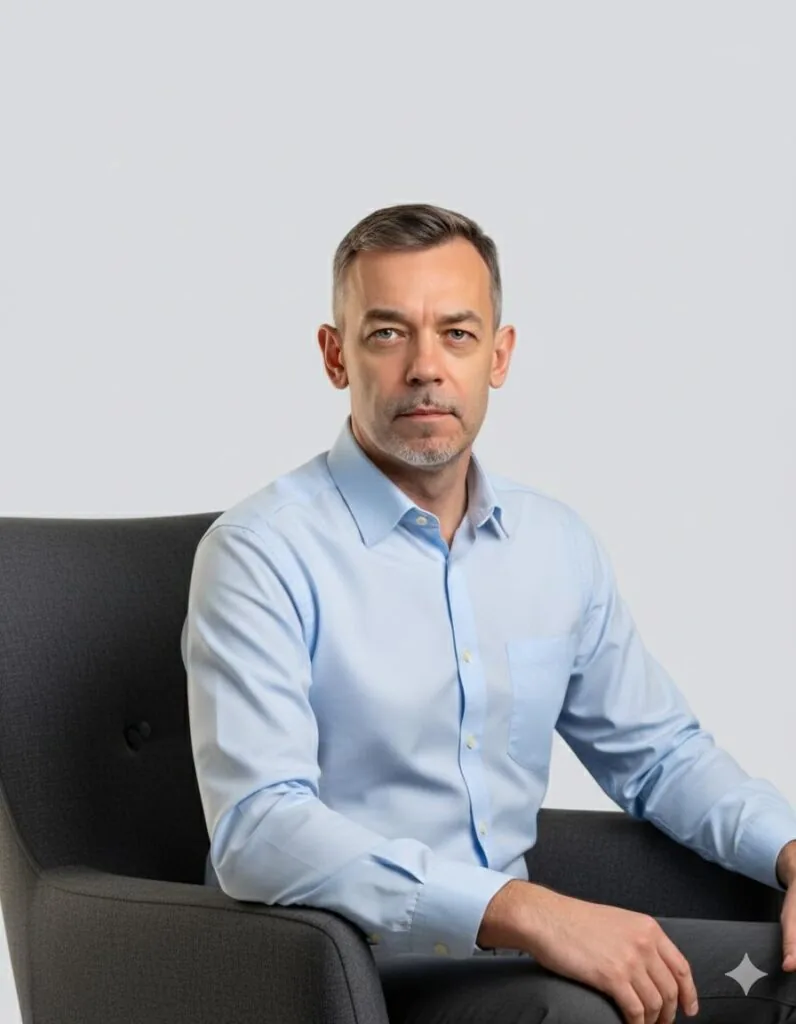
About the Company and Role
The IT Director today is no longer just about technology. This role requires an understanding of all aspects of the company’s operations: technical, product-related, business, financial, and operational. Only then can technology be used effectively to solve the company’s tasks.
Strategy plays a key role. I always start by understanding global goals and, based on them, formulate a strategy, introducing it to the entire team to ensure alignment of actions.
Previously, my work focused on application and system architecture; today, it focuses on organizational architecture as a whole. From a leadership perspective, this is my key area of responsibility.
In 2024, the company transformed its product into a superapp. We introduced so-called mini-apps—mini-applications that our partners and merchants can publish independently or with our help on the platform, gaining the ability not only to accept payments but also to fulfill orders for goods and services directly through their mini-apps. This required a serious review of our IT strategy—both at the infrastructure level, by restructuring pricing and infrastructure, and at the application level.
From a key technology perspective, transforming into a superapp requires the following: as we add a large number of new features, users should see the application becoming simpler, not more complex. The global technological task is to keep the user’s cognitive load at the same level: so that they understand and can perform necessary actions and receive the offered value without unnecessary complexity.
This involves not only design and UX but also technology: we need to ensure that the internal complexity of the platform remains manageable, while the user interface remains simple and intuitive.
Technologically, we rely on the development of data platforms, ML services, and actively experiment with the application of artificial intelligence and large language models.
This is a key challenge and simultaneously the most interesting direction at the moment. In addition, we continue our regular technological work: restructuring architecture and optimizing all processes.
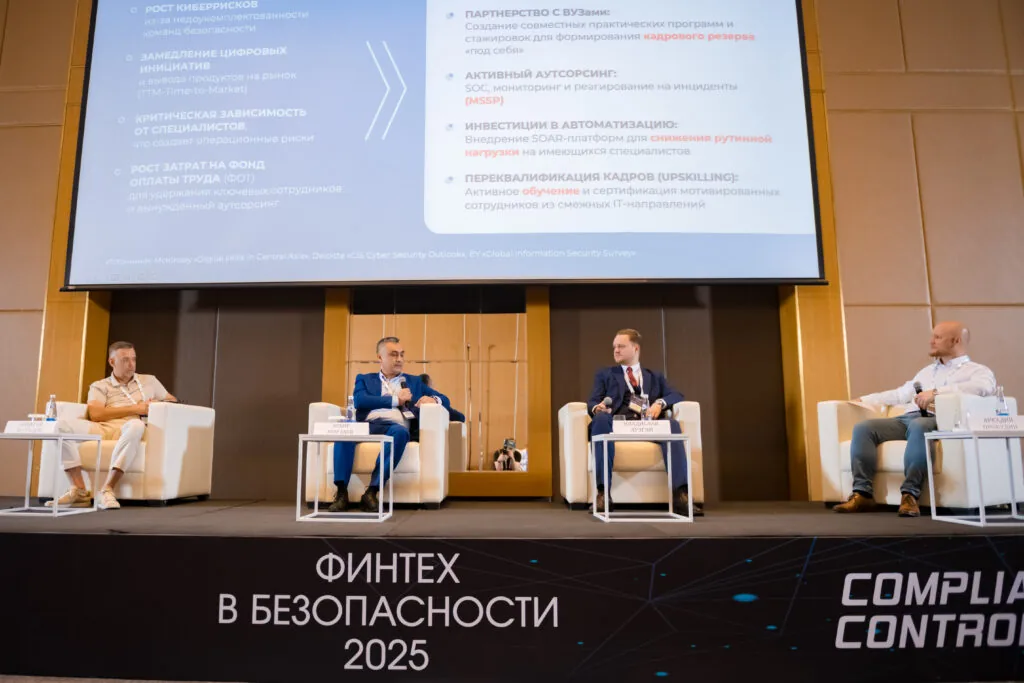
On Challenges and Innovations
The main technological challenge is not in the technologies themselves, but in how to use them to solve a specific business task. For this, it is important to build infrastructure that directly supports the company’s goals.
We are creating an application layer that maximally and effectively addresses business needs and allows us to use artificial intelligence where it truly adds value.
The same applies to internal processes: our goal is to increase productivity not through headcount growth, but through continuous improvement and process automation.
An obvious market trend is the growing use of artificial intelligence within companies: both in products and in internal processes. This should lead to us working with even greater efficiency.
I believe this is not about incremental improvement, but about a multiple increase in productivity. Specialists will become more versatile: one person will be able to independently solve a wide range of tasks using various tools, without constantly involving other teams.
From an engineering perspective, tasks that today require hundreds of employees will in the future be able to be performed by a few—faster and more efficiently.
At the same time, the main challenge remains the same: not the technologies themselves, but building a strong team. We are still solving tasks together with people, although the need for constant interactions will decrease over time.
About the Team
From the perspective of engineering work, hard skills are important—a set of knowledge, skills, and abilities that a specialist develops with experience.
But a person’s key qualities are more important than specific technologies:
- The desire to do something meaningful — creating projects that change the environment, bring value, and benefit.
- Independence — the ability to solve tasks across a wide spectrum of technologies, seek new knowledge, and apply it to effectively solve problems. Today, as 20 years ago, IT requires specialists capable of solving the entire task, regardless of the specific stack.
- The desire to develop and achieve more — dissatisfaction with the current level of development and a drive for personal growth.
- Teamwork — the ability to engage in the company’s common tasks, understand goals and processes, quickly get up to speed, and work in a team.
These four qualities are what we consider when selecting specialists.
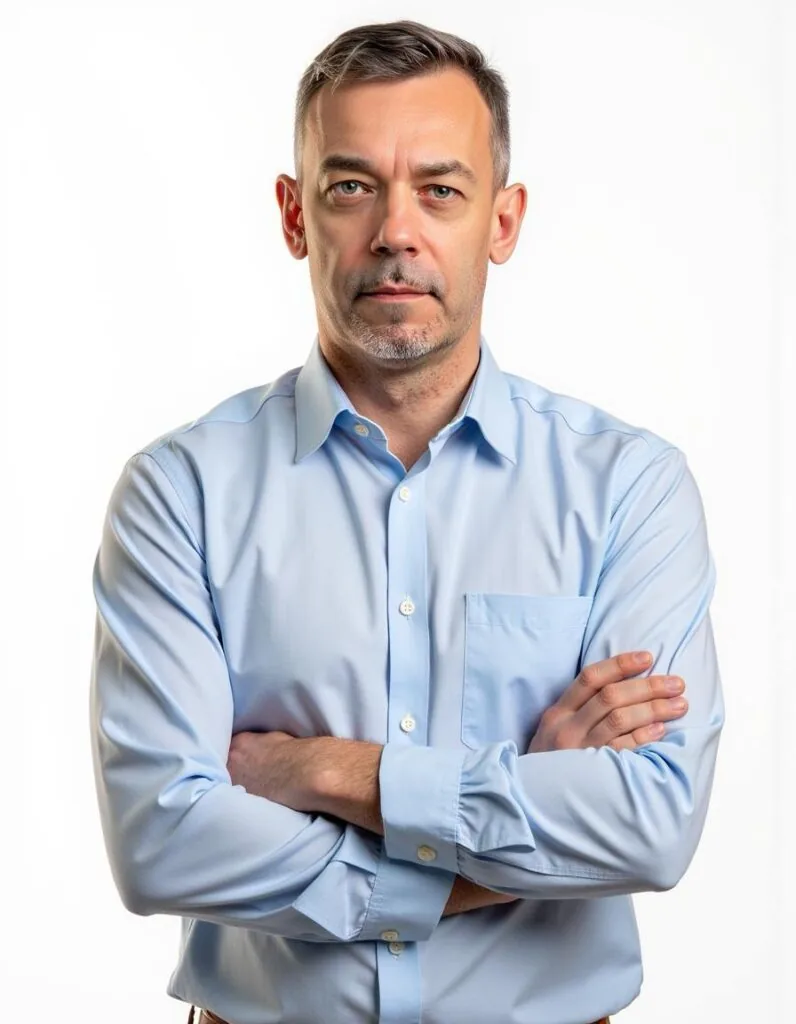
About the Path and Leadership
My path into the profession began even in high school, during the stage of choosing a future direction. I had two passions: I wanted to become a pilot, and I also had success in mathematics, becoming interested in programming from the ninth grade. In search of an opportunity to become a pilot, I came across an aerospace university and became a programmer—that’s how I entered the profession.
Further career development was driven by curiosity and a desire to understand how everything works as a whole. Working as a developer, you see only part of the system, but I was lucky—we were often given tasks with a high degree of uncertainty, without detailed technical specifications. This required independently figuring out adjacent areas and going beyond the formal role.
Initially, it was important for me to understand business processes to automate them correctly. Then the focus shifted to development processes—what is now called the Software Development Lifecycle. Later, I delved deeper into product work, including experience as a CPO at the Moscow Exchange, where we restructured the product factory and formed strategies in financial services.
Curiosity led me further—I began studying the formulation of financial and business goals, their distribution into product and operational processes, building KPI and OKR systems, as well as product discovery and hypothesis research. This allowed me to effectively build infrastructure, platforms, and teams.
For me, leadership is primarily the ability to see the big picture, connect different areas of knowledge, and take responsibility. It is this constant curiosity and drive for understanding that became the main driver of my professional growth.
About the Future
In a modern technology company, technology plays a key role—although this concept is much broader than just IT.
In the future, the cost of automation and digitalization will decrease. Everything that can be algorithmized—data handling, decision-making processes, operational tasks—will gradually move into digital models. At the same time, interactions where human contact is important will remain with people for some time.
In this logic, the CIO becomes the center that ensures the efficiency of the entire company. These people bear great responsibility because infrastructure can be built in different ways, and efficiency will vary significantly.
The key factors to focus on today are speed and scale. This is not just about increasing efficiency by a few percentage points, but about a multiple increase in results, which is what changes the profession of IT Director.
The Tech on Telegram Follow The Tech on Telegram
Keep up with the latest technology and startup news.
Related reading






More from this author

Article Useful
How to protect your accounts from hacking: 8 settings you should check today
The Tech

Article Useful
500 Global: How the Accelerator Works and Who Can Receive Investments
The Tech

Article Interviews
Game Development in Central Asia: Arkady Moldavski on Developing Reverb and the Growth of the Industry
The Tech

Article Useful
Google, Tesla, BlackRock, and the IMF: Where to Apply for an Internship in Fall 2026
The Tech

News IT
Tesla unveiled the flying electric car Roadster
The Tech

News IT
Intero Biosystems startup won the Startup Battlefield at TechCrunch Disrupt 2026
The Tech