Tahrirchi is a startup that provides high-quality translation into Uzbek
The founder of Tahrirchi shared how the startup began and what problems it solves. Read more below.
The Tech AI
Get the key points in seconds - a short summary from The Tech AI.
Muhammad Said Mamasaidov from Tashkent, a programmer and AI engineer, founded the startup Tahrirchi. After pivoting in 2024, the team launched a translator supporting Uzbek and Karakalpak languages. By August 2024, the service had 4,000 daily users, of whom 800 were paying subscribers at a price of 49,000 sums.
Mukhammadsaid Mamasaidov, city — Tashkent, startup founder, programmer, AI engineer, Instagram
How it all began
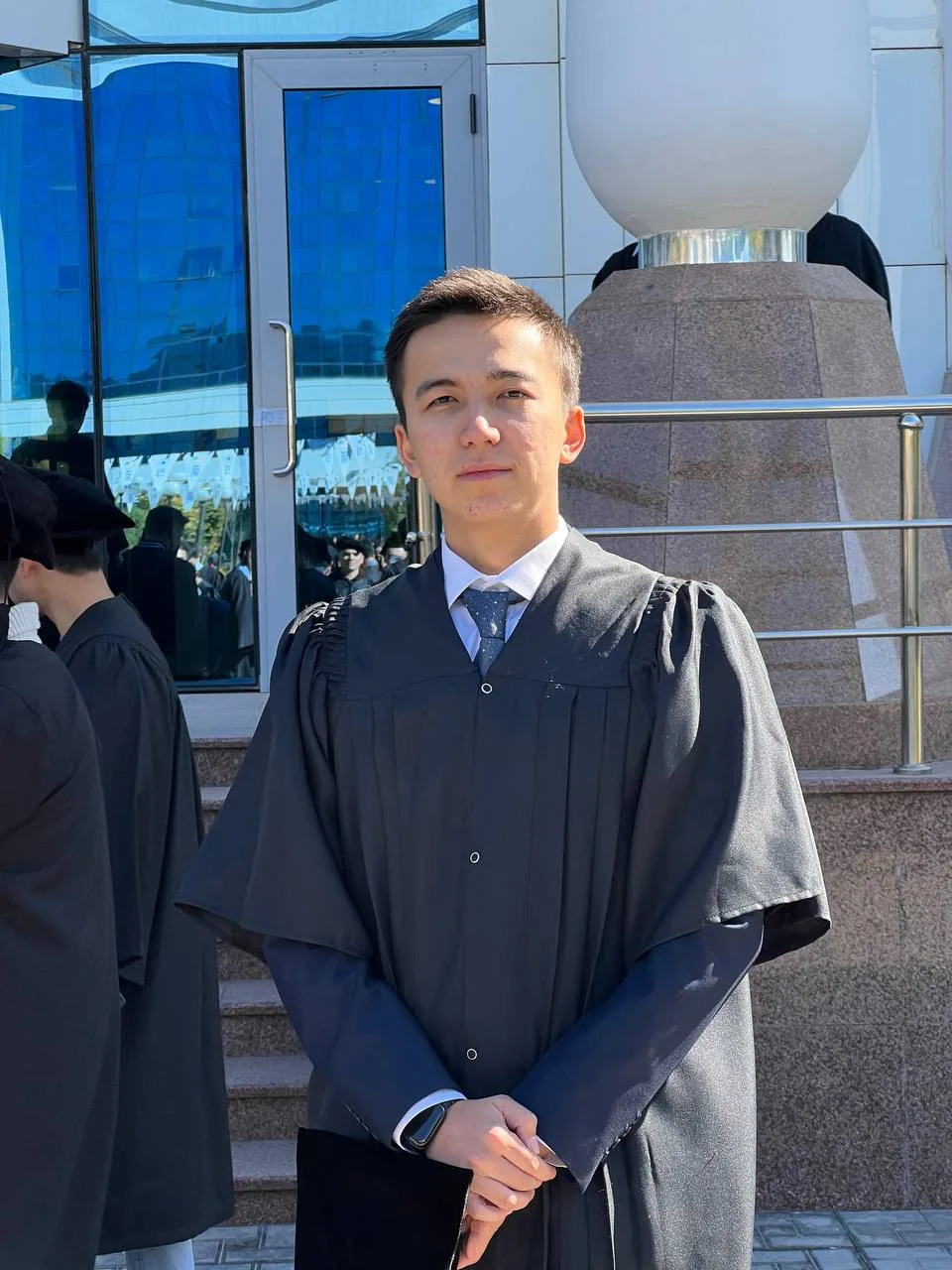
I am a graduate of Inha University in Tashkent, majoring in computer science. In the startup, I serve as the product owner and artificial intelligence specialist.
The idea to create Tahrirchi came to me during my second year at university. I became interested in the problem of spell checking for the Uzbek language and realized that it is much more complex than it seems. I wanted to help people write correctly in their native language. Gradually, I studied the topic, created a simple version and an MVP, but the product did not meet the required quality standards, and I had to pause the project for six months.
In 2023, we added artificial intelligence features, as well as grammar and punctuation checking. At that time, we already had several integrations with news agencies and one government organization. Growth was slow. It did not look like a promising direction worth spending years on after graduation.
In 2023, I finally realized that the original idea of creating a program for checking texts in Uzbek could not be a full-fledged startup, even with improvements and the implementation of AI. This product was mainly in demand by government agencies, with which cooperation was difficult or even impossible, as well as by a few publishing houses and copywriters who were satisfied with the free version.
In 2024, after winning the President Tech Award competition and receiving 50% of the prize money, we conducted an analysis and chose a new task — translation from Russian and English to Uzbek and back. With a deep understanding of the features of the Uzbek language, we can create high-quality translations. We tested the demand and found out that users were tired of the low quality of translation in Google and Yandex and needed a better alternative. ChatGPT was also not suitable, as it sometimes created texts in a fictional language.
In February 2024, we began working on the translator and started collecting data. Development took five months. We collected translated books from the 1950s, various materials — everything that had ever been translated into Uzbek. At the end of June, we launched the translator. User reaction was mixed: some noticed an improvement in translation, while others did not see a difference from Google. A month later, we added a text polishing feature, which significantly improved the quality of translation, bringing it closer to human level, taking context into account. Over the past month, the number of our users, including paying ones, has doubled.
It is worth separately mentioning the Karakalpak language, which we added to our translator. As of August 30, 2024, it is absent from Google and Yandex. This was a real challenge for us, and we are grateful to Karakalpak volunteers who helped with advice and materials on this language.
Target Audience
After pivoting towards translation, our target audience became professional translators, copywriters, bloggers, as well as businesses facing a large volume of paperwork related to translations. Translation is necessary for many, but the question is whether they are willing to pay an additional amount for quality and speed of execution. At the moment, our main goal is to find out how much businesses lose daily and monthly due to poor-quality machine translation, and demonstrate this with specific examples.
We have helped many, particularly publishing houses that translate books from English. The problem is that there are not many good translators from English to Uzbek, since English is a relatively new language for our country, unlike Russian. Even experienced translators sometimes find it difficult with certain constructions or idioms in Uzbek. However, with the help of our translator tool, it becomes easier for translators to work, as our translation is significantly higher quality compared to other programs.
At the moment, we have 4,000 daily users, and about 800 of them have subscribed to a monthly plan. The cost of a monthly subscription is 49,000 UZS. We also sell our API to approximately 15 different businesses, but we expect this number to increase soon. By the end of September, we plan to increase the number of subscribers to 2,000 people.
Incubation Program
I did not participate in incubation or acceleration programs, but I am interested in trying them. Sometimes you need an outside perspective and advice from prominent startup development experts.
Difficulties
At the beginning of the journey, there were many difficulties and rethinking of what I was actually doing. In the first year, I was more of a programmer than an entrepreneur. I believed that if you create something useful, users would find it themselves and appreciate it immediately. However, reality turned out to be different: people do not always know what they want, and it is necessary to test your ideas based on real data and user behavior. Before creating, it is important to find potential buyers so that there is a queue for your product even before its release.
You need to overcome your ego — you cannot be an introvert or think that communication with people is not necessary for you. It is important to communicate with users, try to sell and present your product to them, even for the sake of one subscription.
I also realized that I do not know how to hire people. At the moment, there are three people in my team, including me, and they all either found me themselves or were recommended by acquaintances. But when I find a suitable candidate myself, after one or two months of work, it turns out that I made a mistake in my choice.
I advise aspiring startup founders to forget about programming for one day and try to sell something on the street. Just writing code is far from everything needed for success.
Achievements
We participated in the President Tech Award 2023 competition with a prize fund of $1,000,000. In case of victory, we planned to direct the winnings towards further development. In the AI category, the first prize was $100,000, the second was $50,000, and the third was $30,000. We prepared for the competition for two months and took first place based on the jury's evaluations and voting.
We also engage in open-source activities, publishing datasets and models for the Uzbek language to the public. Recently, we wrote a scientific article about creating a model for the Karakalpak language.

Plans
I plan to launch a marathon for translating popular science books from English to Uzbek. Our model will perform the translation, and then the text will be edited. This will increase the significance of the Uzbek language for obtaining new information, as there are not so many materials in it. The more books and materials are translated into the native language, the faster the younger generation will develop, since they will not have to wait until they learn Russian or English — they will be able to receive knowledge in their native language, just like their peers from other countries. This is important: it is one thing to say that Uzbek is the state language and everyone needs to know it, and another thing is to create conditions for this by translating books and texts into this language, so that it is more convenient for people to study and use Uzbek.
By the end of the year, we plan to increase the number of paying users to 5,000. The number seems large, but I am confident that with my team, it is achievable. We also plan to enter the Kazakh market, where there are similar problems with translation into the Kazakh language. We are already working on developing a Kazakh model and hope to soon launch in Kazakhstan.
My ultimate goal is to become a leader in the field of machine translation in Central Asia and compete with free services.
In the near future, we want to add the ability to translate entire files to the product, which will be useful for those who translate contracts and other documents. We also want to implement voice input and translation synthesis.
The Tech on Telegram Follow The Tech on Telegram
Keep up with the latest technology and startup news.
Related reading







More from this author

News IT
Google has solved one of the main problems in quantum computing
The Tech
News IT
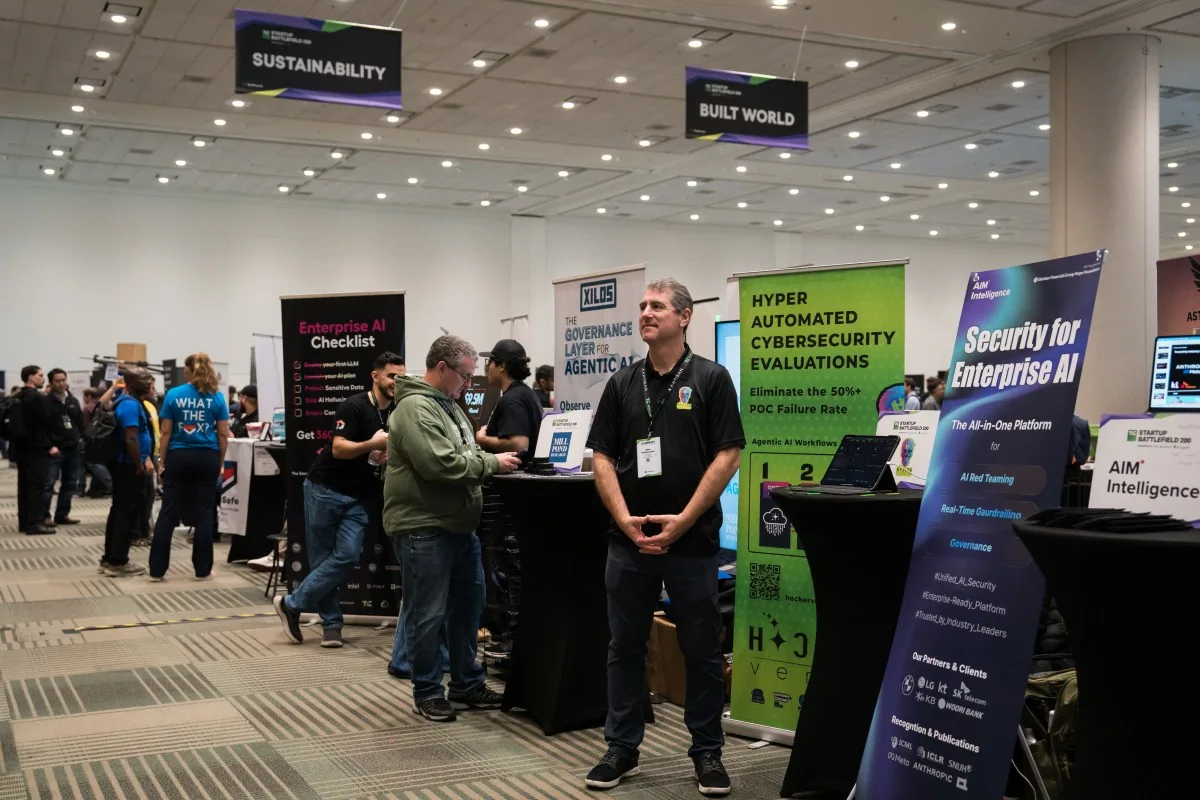
20 startups from Central Asia presented their projects at TechCrunch Disrupt 2026
The Tech
News IT
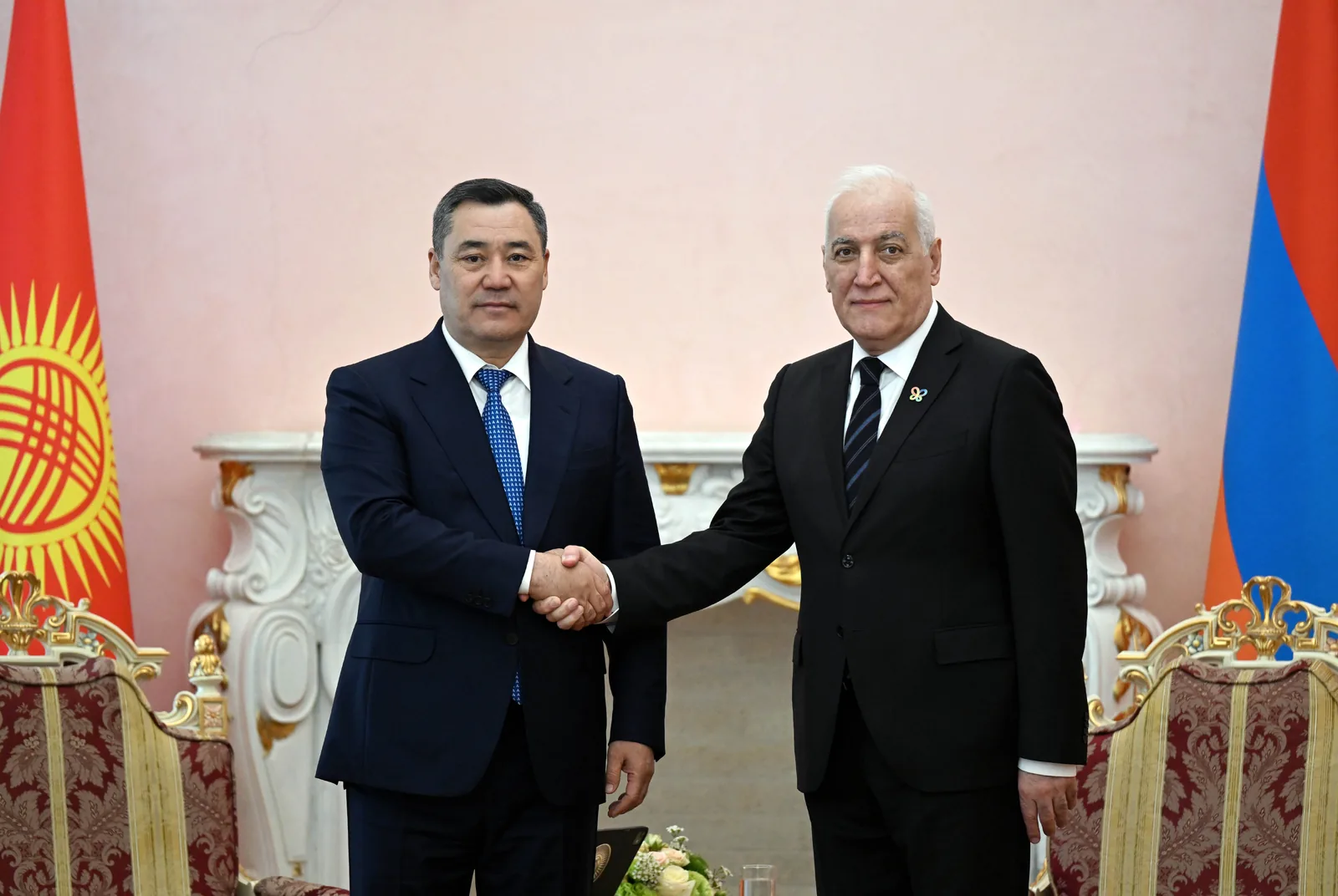
Kyrgyzstan and Armenia will consider the possibility of creating a joint AI enterprise
The Tech

News IT
Now on Kaspi.kz, you can trade in your old iPhone for a new one
The Tech
News IT
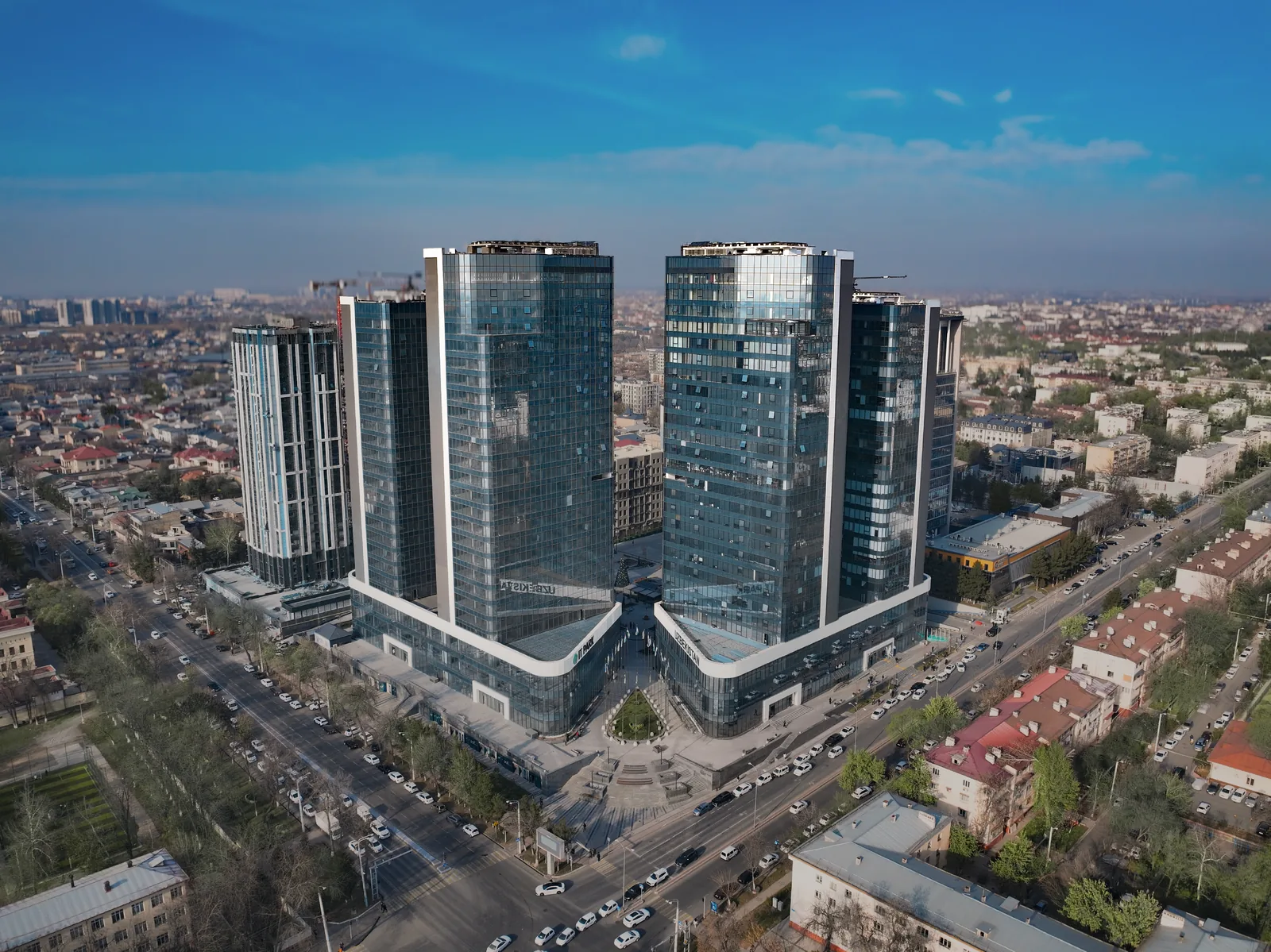
IT Park Uzbekistan became the best knowledge zone in the Asia-Pacific region
The Tech

Article Useful
How to protect your accounts from hacking: 8 settings you should check today
The Tech