The Startup Ecosystem of East Asia: The Experience of Japan and South Korea
Author - Mansur Ismagulov
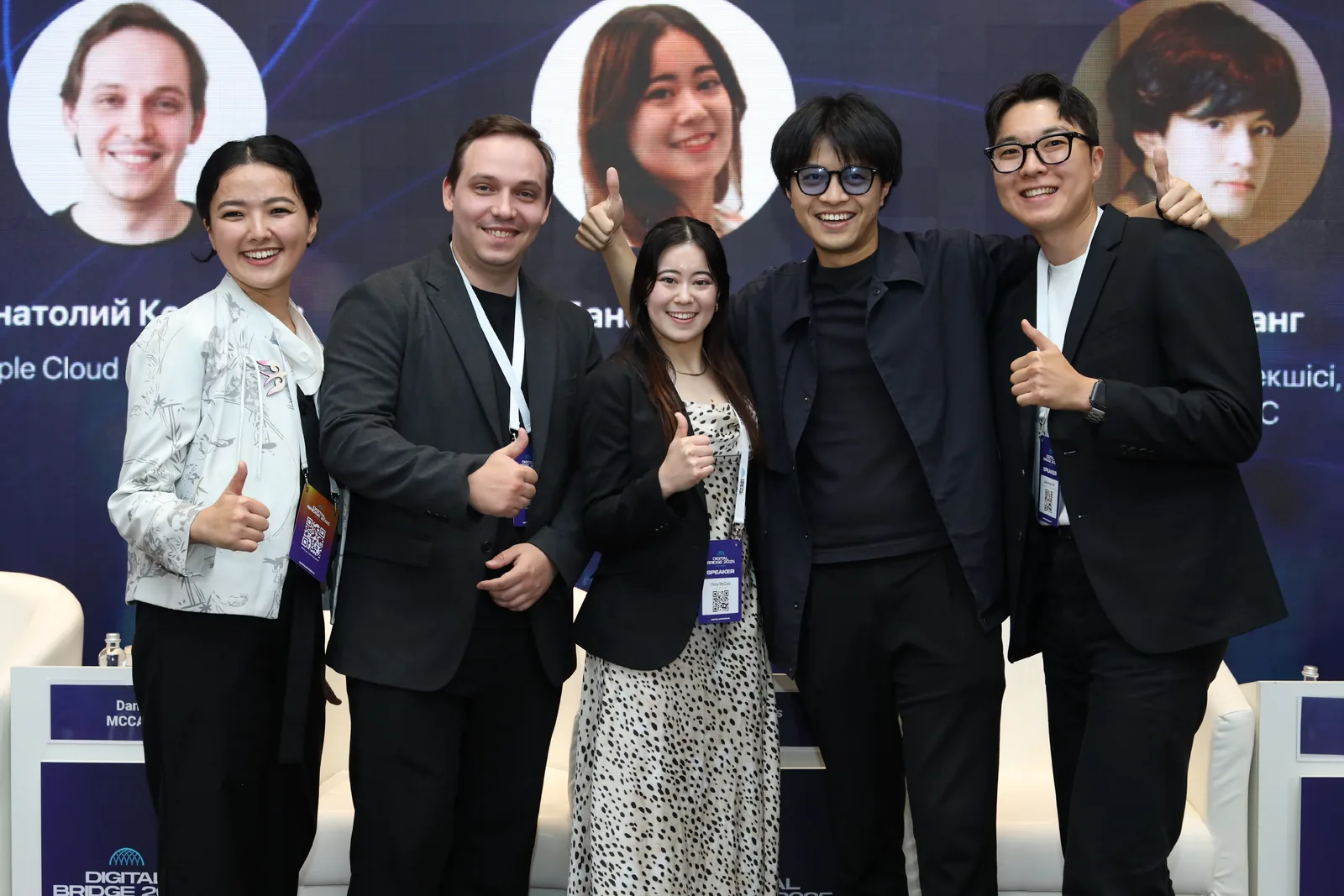
At Digital Bridge, a discussion took place on the startup ecosystem of East Asia. Speakers from Japan and South Korea shared their experiences in developing entrepreneurship, the role of the state and universities, attracting investments, and working with talent.
Jaeyoun Park, CEO of The Garrison and organizer of ForsterBridge
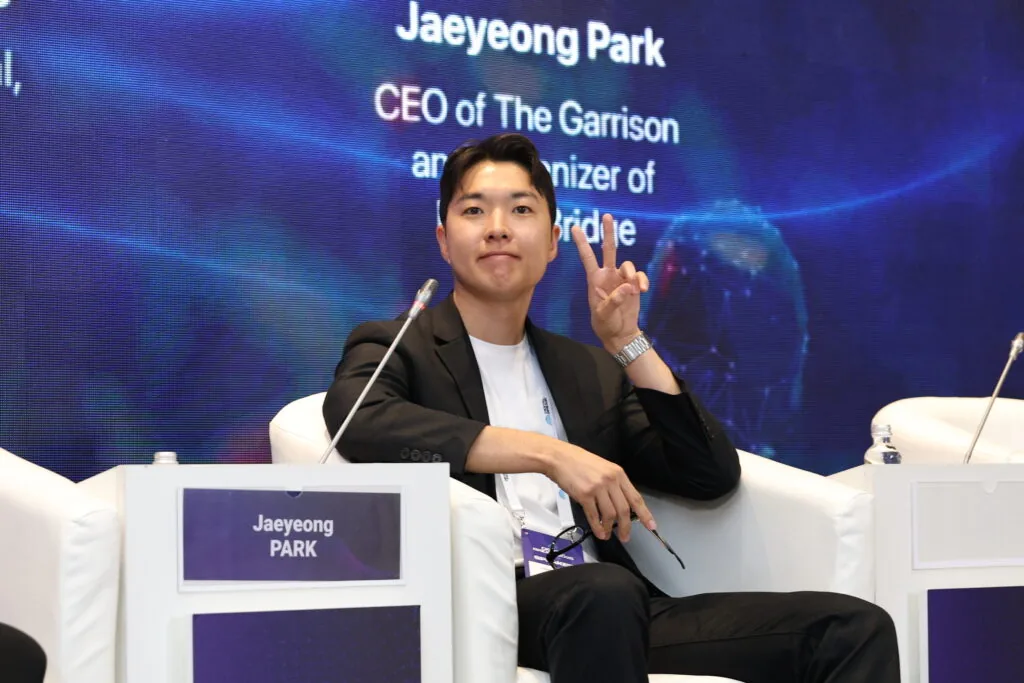
In Korea, there is a principle: first create a reference, and the market will accept you. If you don’t have connections or a base, the best way to establish yourself is to demonstrate real results.
The startup support system in Korea is primarily government-driven. There are numerous programs targeting different groups: youth, women, foreigners, and people with disabilities. When applying for grants, women and people with disabilities receive priority. Support for young men can amount to around $20,000, while for women, it can reach up to $50,000. Korea also hosts special competitions for foreign entrepreneurs, such as the K-Startup Grand Challenge. Every year, about 20,000 startups from around the world apply, and only 120 are selected. I myself participated in 2021 and became a finalist.
Dana McCauley, Head of IVS Youth

Five to ten years ago, entrepreneurship received little attention in Japan, and the education system remained traditional. However, in recent years, the state has actively supported the development of startup education. Universities are opening new departments, launching venture projects, and the government and business sectors are hosting pitch competitions. Project-based learning is being introduced in schools, which helps foster entrepreneurial skills and mindset among young people.
Vipul Wang, Head of IVS Global, Headline VC
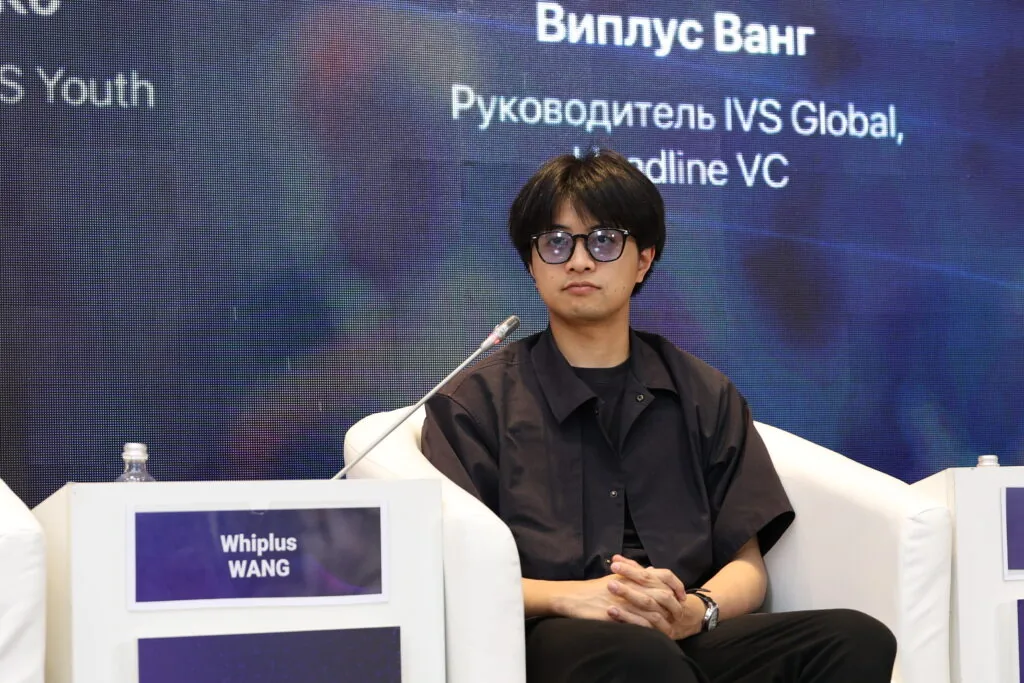
The Japanese venture capital market is valued at approximately $20 billion, while Korea’s is $8.8 billion. For comparison, the US stands at $240 billion, and China at $70 billion. Thus, Japan’s investment share relative to GDP is low. However, Japan has potential. We see a similar situation in Central Asia: low investment volumes but active initiatives. In the future, this market could grow rapidly.
Our fund, Headline, emerged after the first IVS conference. The co-founders wondered: why just bring people together if we can invest ourselves? In 2008, they created Infinity Ventures, closed their first fund in 2009, and later merged with the German company eVentures. Today, Headline manages assets worth around $4 billion and invests globally—in America, Europe, Latin America, and Asia.
We invest in five key areas: e-commerce, SaaS, AI, entertainment, and commercial tech. However, for us, the industry matters less than the potential for scaling.
In Japan, several types of “unicorns” have already formed:
— B2B services for businesses, such as SmartHR
— B2C startups similar to Uber, which first develop in the domestic market before expanding globally
— marketplaces, such as the Japanese equivalent of eBay for selling second-hand goods
— new materials, including protein-based fabrics or stone paper.
I am confident that these sectors could also be interesting for Central Asia, where there is a strong industrial base and growing potential for creative startups.
Anatoly Kolbinov, HR Director at People Cloud
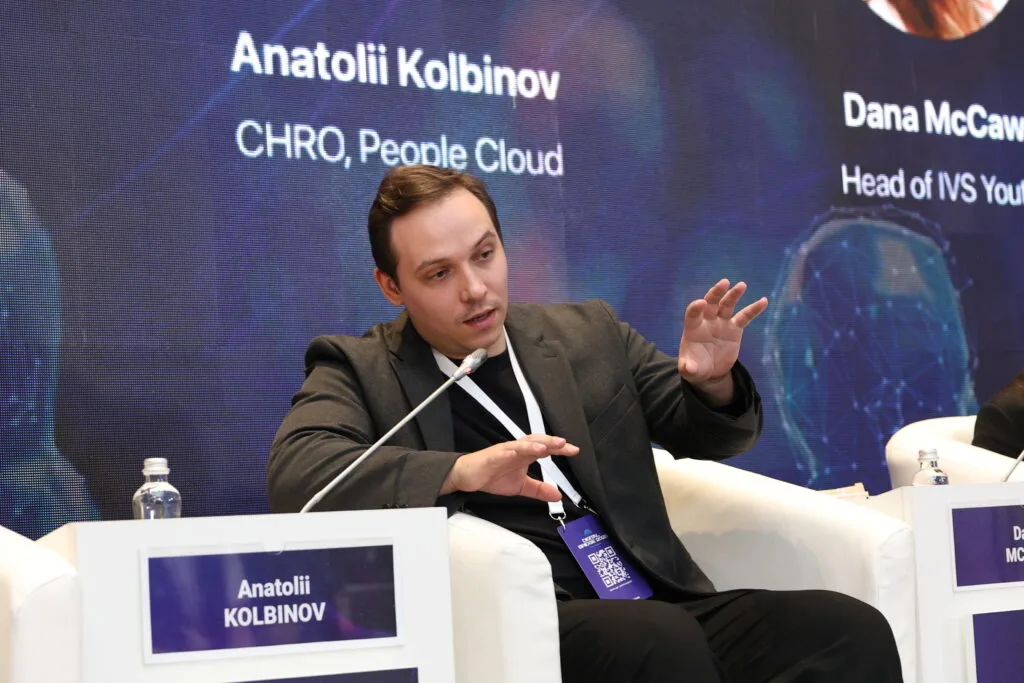
At People Cloud, we help engineers find jobs in Japan. Today, the country faces a significant shortage of IT specialists—hundreds of thousands of open positions. Historically, Japan focused on hardware technologies, so many engineers are still oriented toward “hardware.” As a result, there is a shortage of even basic object-oriented programming skills.
The situation is gradually changing. In the past, obtaining a work visa was difficult, but now an offer from a company is sufficient. More Japanese employers are hiring foreign specialists even without language proficiency, using translators or AI tools—this is becoming the norm. Yes, the Japanese culture of overwork still exists, but in startups, conditions are closer to Western standards—more flexible and comfortable.
For foreign engineers, we created the “Hello, Yaponiya!” project, where you can apply online and find a company that matches your skills. Besides us, there are other resources—Tokyo Dev, LinkedIn, and other job platforms. This is a real way to enter the Japanese market and start a career in one of the most technologically advanced countries in the world.
The Tech on Telegram Follow The Tech on Telegram
Keep up with the latest technology and startup news.
Related reading







More from this author

News
zypl.ai begins operations in Japan and focuses on next-generation risk models
Mansur Ismagulov

News
Elon Musk's net worth has exceeded $700 billion for the first time
Mansur Ismagulov

Article Interviews
"Central Asian countries should build a joint ecosystem," — Bekhzod Ismoilov on the development of AI in the region
Mansur Ismagulov

Article Interviews
Bloom's Taxonomy and Engineering Levels: A Practical Growth Model
Mansur Ismagulov

Article Useful
How the IT industry in Azerbaijan developed in 2025: key events
Mansur Ismagulov

News
Tajikistan has become a new member of the regional innovation alliance Central Asian Innovation Hubs.
Mansur Ismagulov