"The next five years will be a test for the IT industry," — CEO of Mastercard on the future of the IT industry in Kazakhstan
Author - Mansur Ismagulov

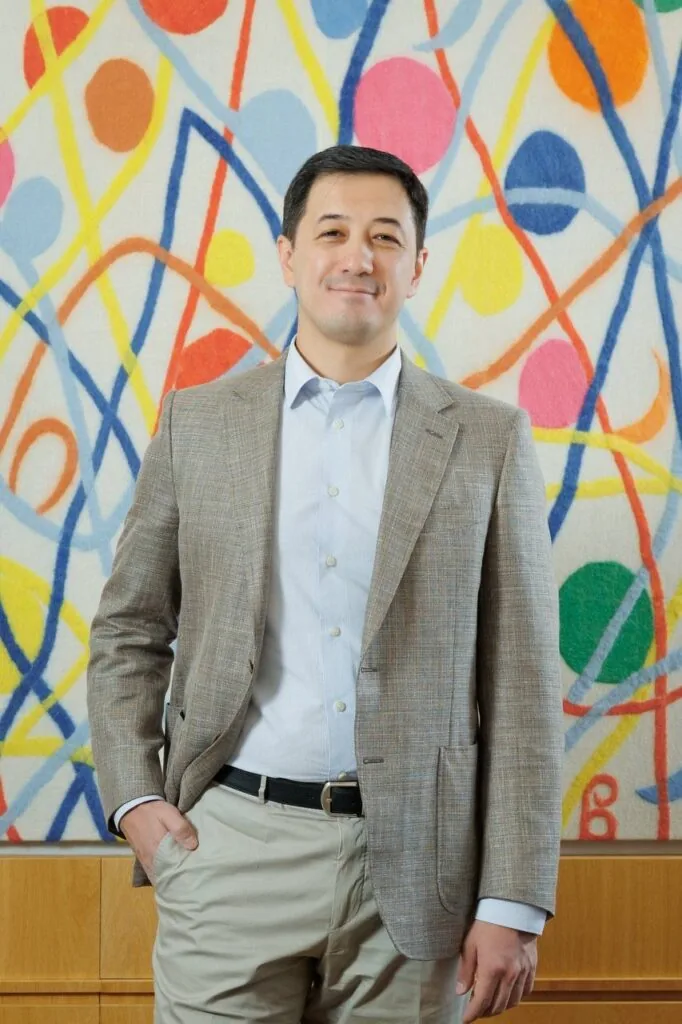
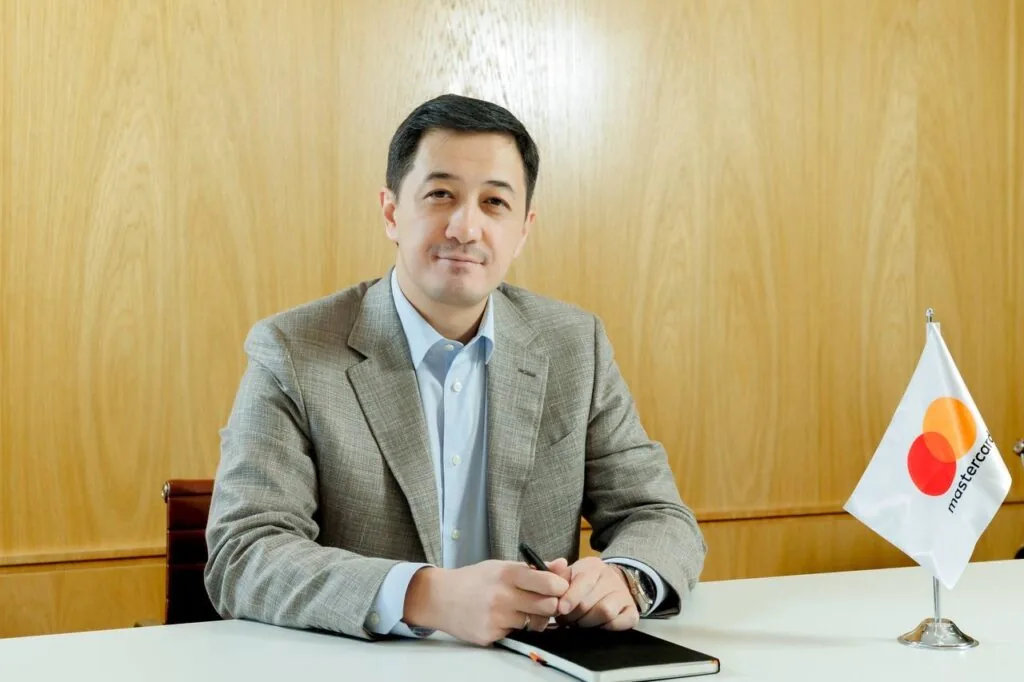
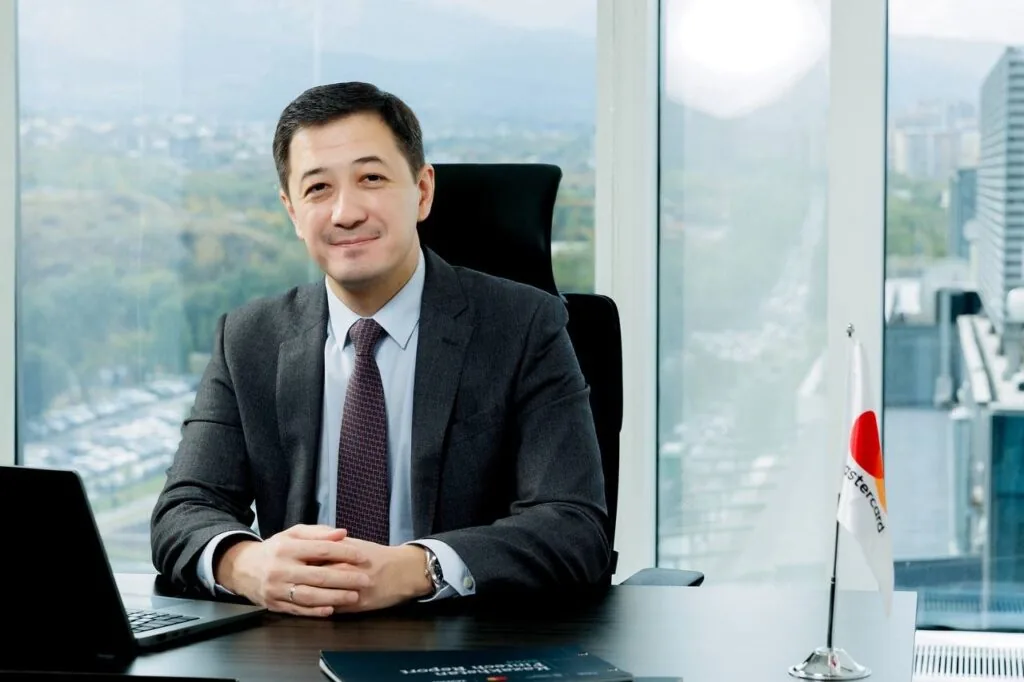
We spoke with Sanzhar Zhamalov, General Director of Mastercard in Kazakhstan and Central Asia. In an exclusive interview, he discussed the role of new technologies and cybersecurity, the launch of the digital tenge, and the preparation of personnel for the future.
Sanzhar Zhamalov, city — Almaty, General Director of Mastercard in Kazakhstan and Central Asia
On global changes and trends
Mastercard is much more than just a payment system. Even before the series of global crises, we transformed into a powerful technology services company that solves strategic tasks not only for banks but also for government agencies, SMEs, large corporations, and organizations outside the financial sector. We offer more than transaction processing — we provide analytics, cyber protection, consulting on sustainable financial infrastructure, and the development of inclusion. Today, the company’s revenue from services, rather than transactions, already accounts for more than one-third.
The pandemic became a catalyst for change. Digitalization, which was already gaining momentum, surged forward at unprecedented speeds. Traditional models showed their vulnerability, but this very fact opened new horizons for us and for many others. An important step for us was strengthening our focus on supporting small and medium-sized businesses, on people oriented toward digital consumption, and on developing cooperation with government sector companies.
Global events have confirmed the importance of developing innovations and partnerships. Mastercard is more focused than ever on creating secure and sustainable digital ecosystems, especially in developing countries, where digital transformation is both a challenge and an opportunity.
In Kazakhstan, we have seen that crises constantly increase the importance of digital readiness. People integrated into the digital environment find growth opportunities faster. SMEs that work with modern payment solutions adapt more quickly to new conditions. Mastercard works closely with the governments of countries in the region to expand e-commerce infrastructure across Central Asia. We launched the Strive initiative to help Kazakh entrepreneurs with digital tools, financial literacy, and market entry. In the era of decentralization, our task is to be a partner in the digital transformation of the economy, building a sustainable world in which everyone can thrive.
On new challenges
The next five years will be a test for the IT industry across a whole range of aspects: scalability, trust, talent, and regulation. As digital systems become the foundation of the global economy, cybersecurity threats are becoming more frequent and more complex. According to our experts’ estimates, the global damage from cybercrime will reach $15 trillion by 2029. Financial companies like Mastercard are on the front lines of combating these risks, managing billions of transactions daily. One of the main problems is maintaining trust in digital systems amid data breaches, misinformation, and fraud.
In Central Asia, especially in Kazakhstan, the surge in e-commerce, mobile banking, and digital government services has led to rapid expansion of IT infrastructure. However, the region faces a shortage of highly qualified cybersecurity specialists, and regulatory frameworks are still being formed. Mastercard’s response has been investments in cybersecurity platforms such as RiskRecon, the Threatcasting methodology, and the launch of programs to build cyber capacity in cooperation with partners.
Another key issue is talent retention. In the face of intensifying global competition for leading technological talent, companies will need to revise hiring, upskilling, and employee engagement strategies. One of the factors influencing the choice of Almaty as the location for Mastercard’s Customer Solution Centre regional hub was the availability of local educated young professionals who can provide expertise and technical support not only for Kazakhstan but also for other countries in Central Asia and the EEMEA region. We consider this an important step toward decentralizing innovation and leveraging the strong educational base in Kazakhstan and neighboring countries.
On the role of new technologies
New technologies are no longer experimental for us; they are essential for Mastercard’s global infrastructure. AI largely enables real-time fraud detection and predictive analytics. IoT technology allows us to embed payments into various connected devices, from cars to wearables, creating a seamless and intuitive consumer experience. Blockchain underpins Mastercard’s work with central bank digital currencies, including projects in Kazakhstan.
In Kazakhstan, the launch of the digital tenge and the CBDC card, created by us in cooperation with the National Bank, the National Payment Corporation, and Eurasian Bank, has become an important regional milestone. This solution will soon allow citizens to use the digital tenge for international transactions, linking local and global trade.
We also see how blockchain is transforming areas such as supply chain transparency, digital identity, and crypto assets. Later this year, we expect the rollout in Kazakhstan of crypto cards, which will allow people to use their crypto assets to pay for everyday purchases. AI will also continue to play an important role in improving operational efficiency, modeling credit risks, and customer service.
On the employees of the future
To one degree or another, each of us will need a combination of technical knowledge, adaptive thinking, and people-oriented soft skills.
In the field of digital payments and IT, key areas will include knowledge of data handling, cybersecurity, machine learning, and blockchain development. However, technical knowledge alone will not be enough. Employees need emotional intelligence and a deep understanding of the ethical use of technology. The need to overcome complexities in both business and society is growing every year, so flexibility, resilience, and a focus on collaboration will also be important.
At Mastercard, we believe in development through facilitating learning and sharing approaches and success stories. This philosophy extends to our presence in Central Asia. Through partnerships with universities in Kazakhstan and volunteer programs with AIESEC, we support the development of a digital technology talent pool that meets global standards.
Last year, together with the National Payment Corporation of Kazakhstan, we launched the Mastercard Fintech Lab at AlmaU University. This is an educational platform aimed at training personnel for the FinTech sector in the region. The lab conducts trainings and lectures, including courses on payment systems for students, training for banking specialists, and we are also jointly implementing the global Mastercard Girls4Tech initiative for schoolgirls. We believe that investing in education is an investment in the country’s sustainable development and digital future.

On the impact of global trends on company strategy
Volatility in global energy markets, geopolitical tensions, and inflationary pressure have all shaped Mastercard’s risk management and expansion strategy. However, we also see positive trends: the resilience of consumer spending and growing demand for digital and contactless payment solutions.
Mastercard relies heavily on real-time economic analysis, such as the Spending Pulse platform, to anticipate changes in consumer behavior. This helps us adapt our product development strategies. For example, when tourism recovered faster than expected after COVID-19, we quickly scaled up solutions for the tourism sector.
In the CIS and Central Asia, macroeconomic problems such as currency volatility and supply chain disruptions are largely offset by achievements in digitalization. Government initiatives to reduce dependence on cash and improve digital infrastructure create fertile ground for growth. Mastercard integrates these trends into localized strategies, helping our partners increase resilience while simultaneously driving innovation.
Mastercard’s growth strategy goes beyond the traditionally banking segment. We see high potential in small and medium-sized business markets, FinTech, government services, and others. These segments are not only commercially interesting but also align with our mission to create a sustainable world and opportunities for everyone.
One such promising market is tourism. Over the past 10 years, the global tourism market volume has grown by 79%. We not only develop services and privileges for our cardholders that make their trips abroad pleasant and purchases there profitable, but we also cooperate with Kazakh Tourism, providing them with access to the Mastercard Tourism Innovation Hub platform. The platform facilitates the creation of solutions that help develop strategies for the growth of the tourism industry.
Furthermore, we are observing strong growth in FinTech — Astana, Almaty, Ashgabat, Tashkent, Dushanbe, and Bishkek are quickly becoming startup hubs. Mastercard’s FinTech acceleration programs and our participation in hackathons are aimed at integrating local FinTechs into the global ecosystem. At the same time, we are actively developing new segments — in particular, fast cross-border payments. In Kazakhstan, several projects in this area have already been implemented for cardholders, and very soon we will launch such a transfer project for businesses. This is an opportunity to deliver money cheaply and almost instantly to 37 countries, and within 24 hours to countries such as the USA and China. We see great potential in building a multi-level payment infrastructure where the client can choose the most convenient and cost-effective payment method — card, account, digital wallet, or instant transfer.
We manage Mastercard Labs, a global innovation engine that prototypes new ideas from tokenized payments to biometric authentication and rapidly tests them. Localized versions of these labs are undergoing pilot testing in developing regions, including Central Asia. Innovation is further supported by Mastercard’s venture investment division, which seeks and funds promising startups worldwide. This open innovation strategy ensures that we not only respond to market trends but also shape them.
One of the drivers of innovation adoption is the regional Mastercard hub, which develops the company’s consulting direction in the CIS, Central Asia, and Eastern Europe. Almaty was chosen because it is convenient for our operations in Central Asia — geographical proximity to our offices in Istanbul and Dubai played a role, where we often conduct workshops and experience-sharing meetings with local banks, and the country has a high level of IT development. Creating a regional hub in Almaty is a strategic investment in the innovation potential of Central Asia.
What the leader of the future should be like
Leadership will require a delicate combination of technological knowledge, cultural flexibility, ethics, and systems thinking. As companies face complex global problems — climate change, digital and social inequality, geopolitical instability, the arrival of a new generation of employees, and the AI revolution — leaders must move beyond a focus on short-term profit and think about long-term impact on society.
They must also promote sustainability and psychological well-being, as burnout is becoming an increasingly serious problem.
De-globalization increases the weight of local factors. At Mastercard, we welcome diverse perspectives and ensure local leadership in regional centers, as knowledge of local specifics and cultural features helps in the strategic decision-making process, allows for faster adaptation, and more active community engagement.
What the company will be like in 10 years
In 10 years, we envision Mastercard as a global platform for universal prosperity, where every transaction is not only fast and secure but also serves a broader social purpose. We strive to become an intermediary in digital public infrastructure, international trade, and the creation of sustainable communities.
Speaking about Central Asia, this refers to a region where:
— every person has the opportunity to use flexible, convenient, and cost-effective payment and transfer methods
— citizens and companies have access to instant and seamless cross-border payments
— digital currencies, such as the Kazakh digital tenge, are seamlessly integrated with international systems
— SMEs thrive equally in digital markets
— cybersecurity is ensured at a high level and, moreover, democratized — even small players have access to corporate-level protection.
We also envision a future in which Mastercard’s artificial intelligence and analytics platforms help governments make informed policy decisions in areas such as urban planning, healthcare, and education. In this scenario, our regional center in Almaty will transform into an innovation hub for all of Eurasia and will develop solutions that are exported worldwide.
This ideal vision is deeply rooted in our values: trust, security, sustainability, and shared growth.
On the company’s role in the future
Mastercard strives to be more than just a financial services company; we strive to create society’s future through technology. Our role is to democratize access to digital tools and ensure that the digital economy benefits everyone, not just the select few.
In society, this means:
— empowering small businesses, especially those led by women
— overcoming digital inequality through developed infrastructure and education
— partnering with NGOs and governments to expand financial accessibility.
Our inclusive growth center is considered a flagship in implementing efforts aimed at deploying charitable capital, research, and technical assistance in regions. Programs such as Mastercard Academy and Mastercard Strive are building our local potential and helping to develop the regional economy.
In the industry, we strive to be a role model, expanding the boundaries of what is possible in safe and ethical innovation. Whether it is promoting AI ethics, creating eco-friendly payment solutions, or innovatively using blockchain for public good, Mastercard strives to shape a digital future that is inclusive and innovative for all of us.
The Tech on Telegram Follow The Tech on Telegram
Keep up with the latest technology and startup news.
Related reading







More from this author

News
zypl.ai begins operations in Japan and focuses on next-generation risk models
Mansur Ismagulov

News
Elon Musk's net worth has exceeded $700 billion for the first time
Mansur Ismagulov

Article Interviews
"Central Asian countries should build a joint ecosystem," — Bekhzod Ismoilov on the development of AI in the region
Mansur Ismagulov

Article Interviews
Bloom's Taxonomy and Engineering Levels: A Practical Growth Model
Mansur Ismagulov

Article Useful
How the IT industry in Azerbaijan developed in 2025: key events
Mansur Ismagulov

News
Tajikistan has become a new member of the regional innovation alliance Central Asian Innovation Hubs.
Mansur Ismagulov