Founder of Khan Academy on the future of education: why the system doesn't work and how AI can change it
Khan Academy founder Sal Khan shared his views on contradictions in the education system, the role of nonprofit initiatives, and the prospects of artificial intelligence in an interview. He explained why schools often make ineffective decisions, how his platform earned students' trust, and what role AI will play in creating personalized learning in the coming years.
Author - Mansur Ismagulov
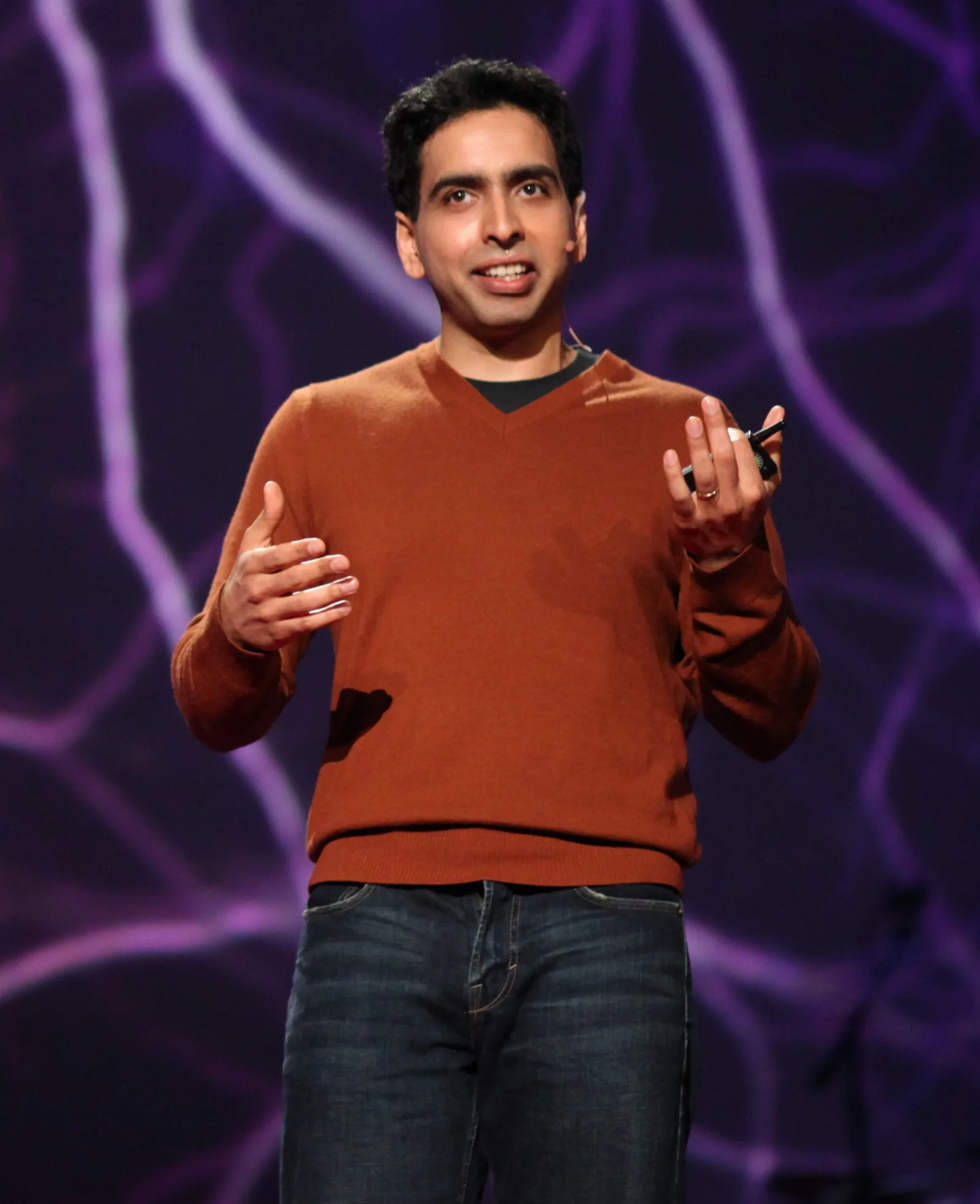
Strange incentives in the education system
Sal Khan notes that education in the United States is the second-largest industry where "strange" incentives are at play. The student benefits, decisions are made by school districts or teachers, and funding comes from taxpayers. As a result, the interests of these three parties often do not align.
For example, districts sign multi-million dollar contracts with major publishers, relying on regulatory lists and recommendations from sellers. Even if the content turns out to be unpopular with children, changing the system is difficult. Often, school administrators admit that for their own children, they would prefer Khan Academy, but are forced to use materials from "official" suppliers.
This is why Khan Academy initially chose a "bottom-up" strategy—working directly with students rather than through school administrators. This approach helped the service gain popularity and trust.
Content and AI training
Khan admits that if Khan Academy could receive significant payments for the use of its materials, it would be beneficial. But overall, he believes that training AI on such resources brings more benefit to society than harm.
He compares the process to the tradition of artists or writers working "in the style" of other authors. According to him, models do not directly copy videos or texts, but create associations and new forms of content—just as people have done for centuries. However, the legal question remains open and will most likely be resolved in courts.
The future of personalized learning
One of the key questions is the ability to create fully personalized educational content. Khan allows that within the next three to five years, it will be possible to request an explanation of a complex topic, such as Lagrangians, and a "virtual Sal Khan" will create a lecture in real time with examples, diagrams, and voice accompaniment.
Khan Academy is preparing for this reality by developing tools like Khanmigo. The new version allows teachers to collaborate with AI to develop assignments, use academy materials, and receive analytics on student performance.
The human factor and trust
However, the issue of emotional connection remains unresolved. People value communication with real people. If they find out that artificial intelligence is behind the learning, it may create a sense of betrayal. Therefore, a complete replacement of teachers and content creators is unlikely.
Most likely, the future is a combination: AI will become a powerful support tool, but the leading role will remain with people. At the same time, archives with original materials will retain value as "primary sources"—testimony to how people taught and created before the AI era.
The Tech on Telegram Follow The Tech on Telegram
Keep up with the latest technology and startup news.
Related reading







More from this author

News
zypl.ai begins operations in Japan and focuses on next-generation risk models
Mansur Ismagulov

News
Elon Musk's net worth has exceeded $700 billion for the first time
Mansur Ismagulov

Article Interviews
"Central Asian countries should build a joint ecosystem," — Bekhzod Ismoilov on the development of AI in the region
Mansur Ismagulov

Article Interviews
Bloom's Taxonomy and Engineering Levels: A Practical Growth Model
Mansur Ismagulov

Article Useful
How the IT industry in Azerbaijan developed in 2025: key events
Mansur Ismagulov

News
Tajikistan has become a new member of the regional innovation alliance Central Asian Innovation Hubs.
Mansur Ismagulov