OpenAI is enhancing Codex: AI can now control the user's computer
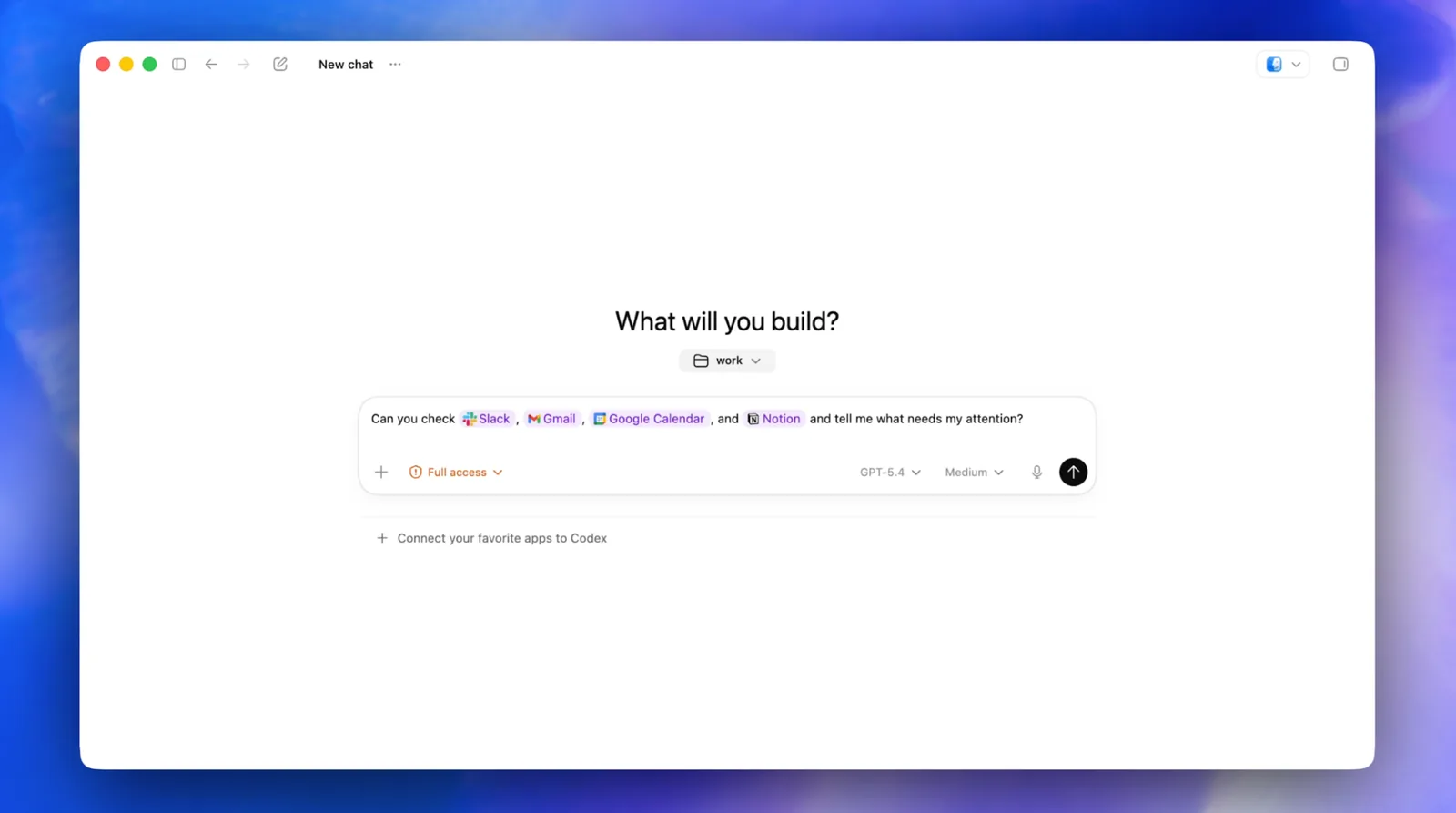
OpenAI has unveiled a major update to Codex, its AI tool for programming and task automation. The new version can now operate in the background on a user’s computer: opening applications, controlling the cursor, typing text, and performing actions in parallel with the user’s work.
According to the company, Codex will become a full-fledged digital assistant for developers and teams. Use cases include testing applications, making changes to the frontend, working with programs that lack APIs, and handling auxiliary tasks while the user is engaged in their primary work.
The service also now includes a built-in browser. Users can now give Codex commands to interact with web applications. OpenAI believes this will be particularly useful for frontend development, game creation, and automating workflows within the browser. The company plans to expand the functionality of the browser mode in the future.
Another new feature is the memory function, which remembers previous work sessions and adapts to the user’s working style. Additionally, Codex now supports image generation for creating mockups, presentations, product concepts, and other work materials.
For enterprise customers, OpenAI has integrated 111 third-party services, including CodeRabbit and GitLab Issues. This enables Codex to analyze Slack channels, view Google Calendar, and generate a daily task list.
At the same time, OpenAI has launched a new pay-as-you-go pricing model for ChatGPT Enterprise and Business users. The update reflects the company’s effort to strengthen its position in the enterprise segment, where competition with Anthropic and Claude Code has intensified in recent months.
Source: TechCrunch
The Tech on Telegram Follow The Tech on Telegram
Keep up with the latest technology and startup news.
Related reading





More from this author

Article Useful
How to protect your accounts from hacking: 8 settings you should check today
The Tech

Article Useful
500 Global: How the Accelerator Works and Who Can Receive Investments
The Tech

Article Interviews
Game Development in Central Asia: Arkady Moldavski on Developing Reverb and the Growth of the Industry
The Tech

Article Useful
Google, Tesla, BlackRock, and the IMF: Where to Apply for an Internship in Fall 2026
The Tech

News IT
Tesla unveiled the flying electric car Roadster
The Tech

News IT
Intero Biosystems startup won the Startup Battlefield at TechCrunch Disrupt 2026
The Tech