NVIDIA has introduced DLSS 5 with neural rendering for photorealistic gaming.
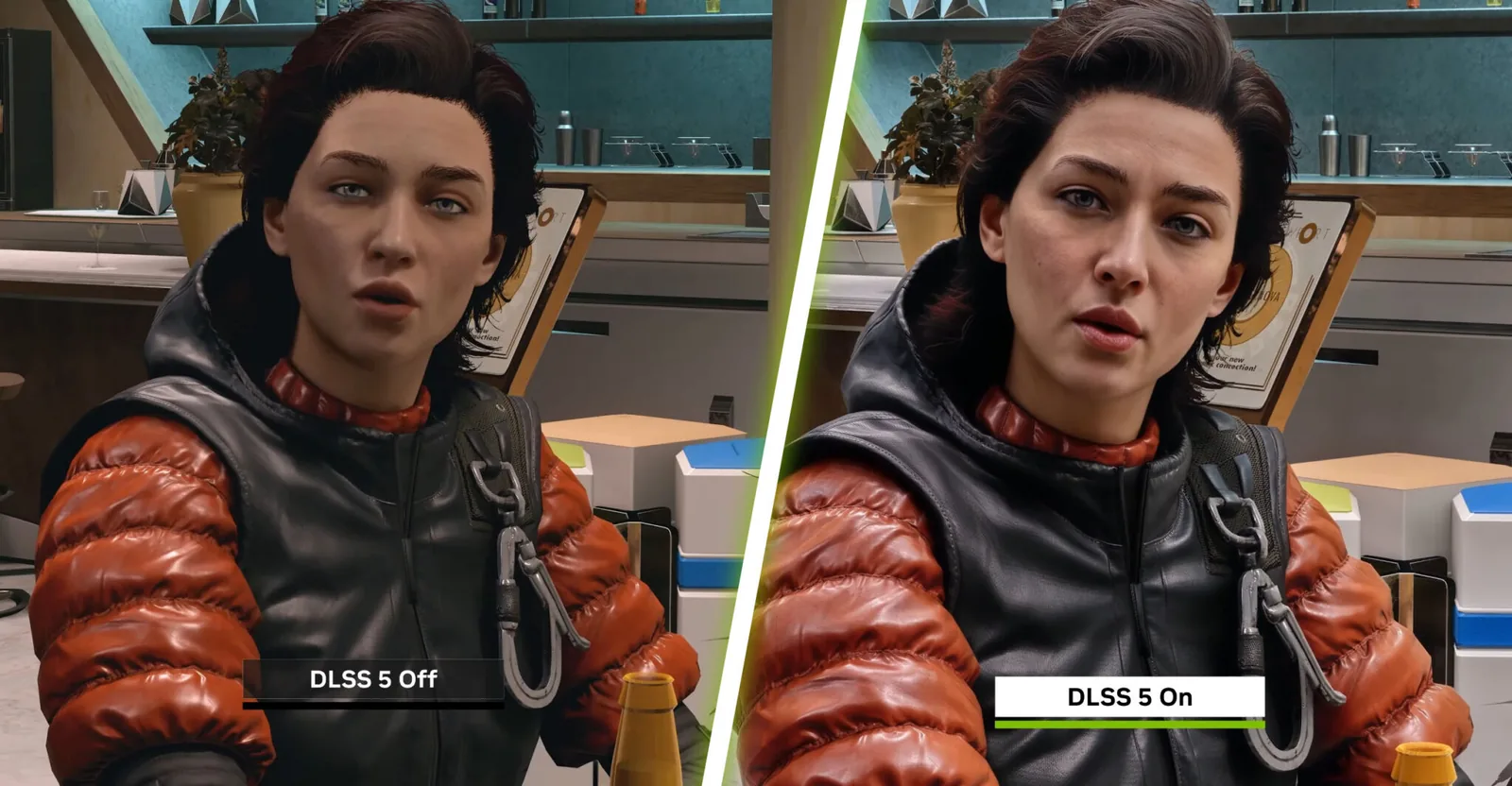
At the GTC 2026 conference, NVIDIA unveiled DLSS 5, marking a shift in the DLSS technology from a performance-oriented feature set to image generation focused on maximum visual realism. The new version utilizes real-time neural rendering, adding photorealistic lighting and material detail to game frames. Support is planned for this fall.
DLSS 5 uses color data and motion vectors from each frame and applies an artificial intelligence model that enhances lighting and material response while remaining anchored to the original 3D scene. The system operates in real-time up to 4K resolution and provides a deterministic and stable result for each frame, which is a key requirement for games.
NVIDIA positions DLSS 5 as an update to the visual pipeline rather than just another step in frame generation. The model is trained to recognize scene elements such as skin, hair, fabric, and lighting conditions, using this information to enhance effects like subsurface scattering, fabric sheen, and light interaction with hair. Developers gain the ability to control effect intensity, color grading, and masking, with integration continuing through the existing NVIDIA Streamline platform used for DLSS and Reflex.
Support for the technology has already been confirmed by several major publishers and studios, including Bethesda, CAPCOM, Ubisoft, NetEase, Tencent, and Warner Bros. Games.
The first wave of games supporting DLSS 5 will include Starfield, Assassin’s Creed Shadows, Hogwarts Legacy, Resident Evil Requiem, Delta Force, NARAKA: BLADEPOINT, and The Elder Scrolls IV: Oblivion Remastered.
DLSS 5 works by passing each frame containing color data and motion vectors through an NVIDIA model that keeps the result anchored to the original 3D scene rather than creating separate image effects. Developers can precisely adjust the output using intensity control and color grading, allowing them to correct offset, contrast, saturation, and gamma to match the game's visual style. Masking allows excluding individual objects or areas of the image if developers wish to preserve the original appearance or avoid changes in selected areas.
Source: VideoCardz.com
The Tech on Telegram Follow The Tech on Telegram
Keep up with the latest technology and startup news.
Related reading





More from this author

Article Useful
How to protect your accounts from hacking: 8 settings you should check today
The Tech

Article Useful
500 Global: How the Accelerator Works and Who Can Receive Investments
The Tech

Article Interviews
Game Development in Central Asia: Arkady Moldavski on Developing Reverb and the Growth of the Industry
The Tech

Article Useful
Google, Tesla, BlackRock, and the IMF: Where to Apply for an Internship in Fall 2026
The Tech

News IT
Tesla unveiled the flying electric car Roadster
The Tech

News IT
Intero Biosystems startup won the Startup Battlefield at TechCrunch Disrupt 2026
The Tech