Mohirdev — a startup that teaches IT professions
We met with the founder of the educational startup Mohirdev. He shared how the project began and discussed his plans for the coming year.

The Tech AI
Get the key points in seconds - a short summary from The Tech AI.
Anvar Narzullaev (CEO of Mohirdev) created an IT education platform that reached over 50,000 people in three years. The project attracted $450,000 in investments from AloqaVentures and UzVC, doubled its profit, and entered the B2B market. In collaboration with the Agency for Youth Affairs, the Ibrat Academy application was launched, reaching an audience of over 500,000 users. Plans include hybrid training for educational centers, launching the MohirPool accelerator and the Mohirlar platform to connect graduates with employers, as well as a fourfold increase in profit.
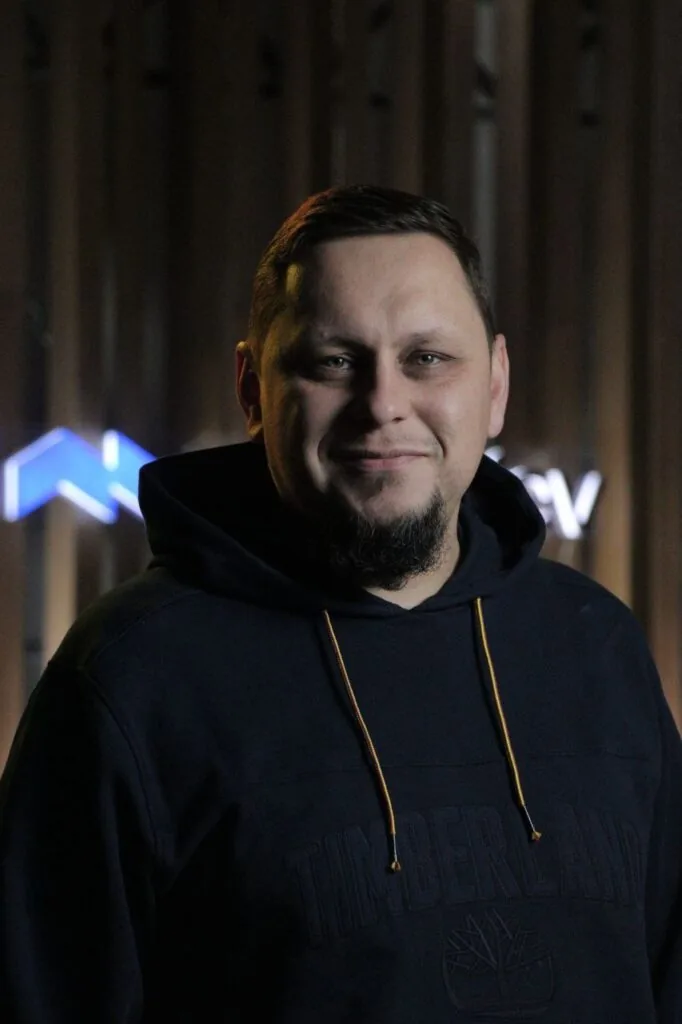
Anvar Narzullaev, 40 years old, city — Tashkent, CEO of Mohirdev
How It All Began
The idea came during the pandemic. At that time, I was working in Malaysia, teaching in the Department of Information Security at Universiti Sains Islam Malaysia. Millions of people had lost their jobs, primarily low-skilled workers employed in construction or food delivery. Meanwhile, my friends and I, as migrant workers, continued to work remotely with good salaries. The main difference between us was our education.
Therefore, like-minded individuals decided to launch an educational platform where we would teach people information technology. Previously, we had YouTube and Telegram channels where we were already doing this. In 2021, we decided to combine everything and create the Mohirdev project, which translates to "talented programmer."
The Team
Before the official launch, we tested the platform, experimented with content formats, and thought about the business model. The project was social from the very beginning. Therefore, it was important to provide as much free content as possible so that students could try themselves in different areas before purchasing a paid subscription.
To our surprise, many experts readily agreed to provide us with free courses — we found them through connections in the IT field. The team was created on the same principle: one of the co-founders, Mukhammadhalil, was a digital marketing lecturer, and many of the first team members were his graduates.
The first courses were conducted in the format of bootcamps. At the same time, we refused the marketplace format, where anyone could record and sell a course through our platform. We chose the principle of curated content — we carefully select experts ourselves, actively participate in creating the curriculum, and control the quality of lessons.
Target Audience
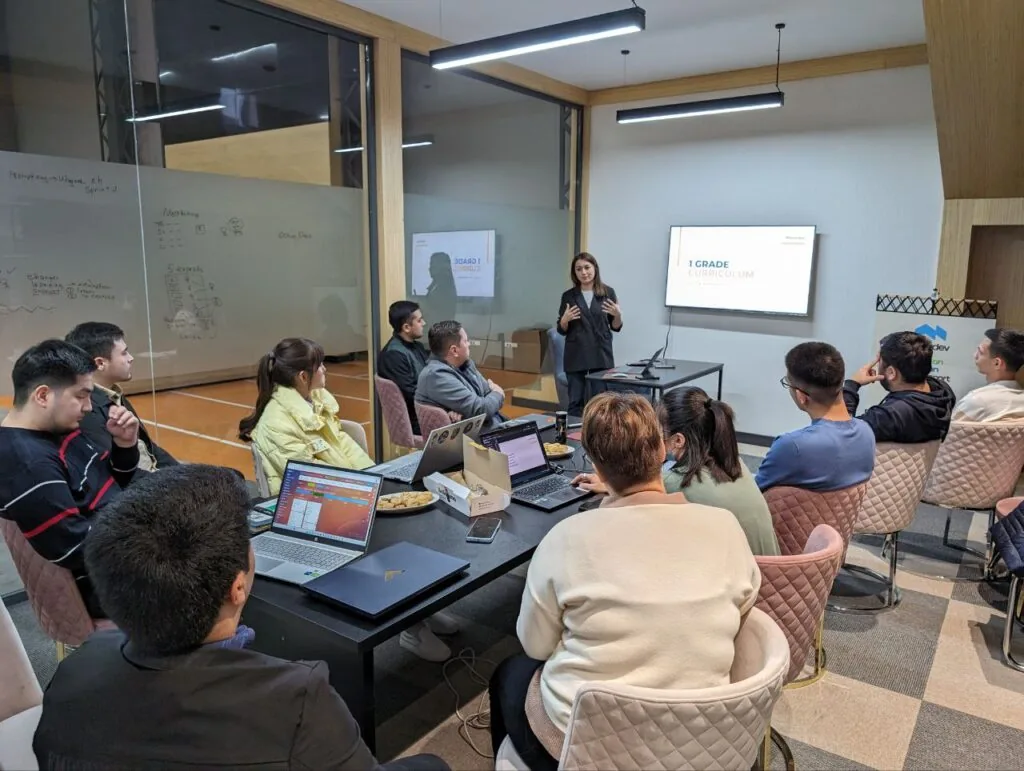
Our main target audience is young people who were unable to enter higher education institutions. In Uzbekistan, only 10-12% of applicants get into universities. The remaining 90% are potential customers.
Another category is people working in low-paying jobs who want to change their lives. Among our students, there are many migrants, mainly from Korea, the USA, and Russia.
Over three years, more than 50,000 people have studied on our platform. Recently, in collaboration with the Agency for Youth Affairs of the Republic of Uzbekistan, we launched a mobile application for learning foreign languages called Ibrat Academy. Within a week, it became the most downloaded in Google Play and the App Store, entering the top of the Education category, even surpassing Duolingo. Today, more than 500,000 people are learning one of the 13 languages offered on the platform.
Acceleration Programs
We gained our first acceleration experience in the Seedstars Financial Times Challenge at the end of 2021. Then we entered the top five finalists in the EdTech category. We did not win the competition, but we gained a lot of experience in presenting the product to potential investors. Immediately after the program, we showed the pitch we prepared under the mentorship of experts and received our first investment of $500,000 from angel investor Pulse Group.
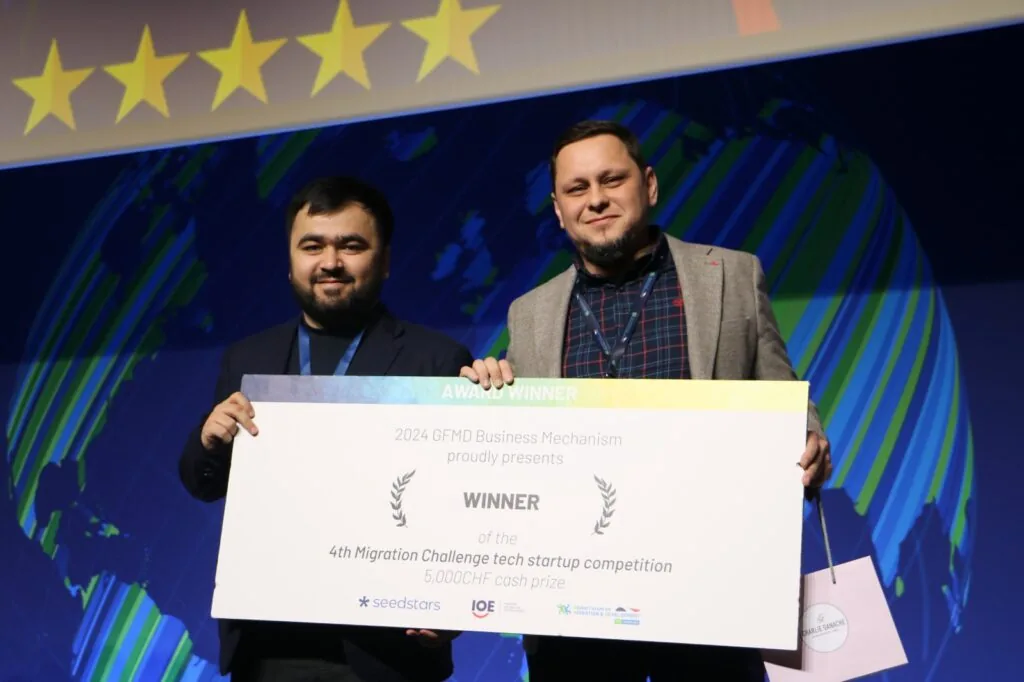
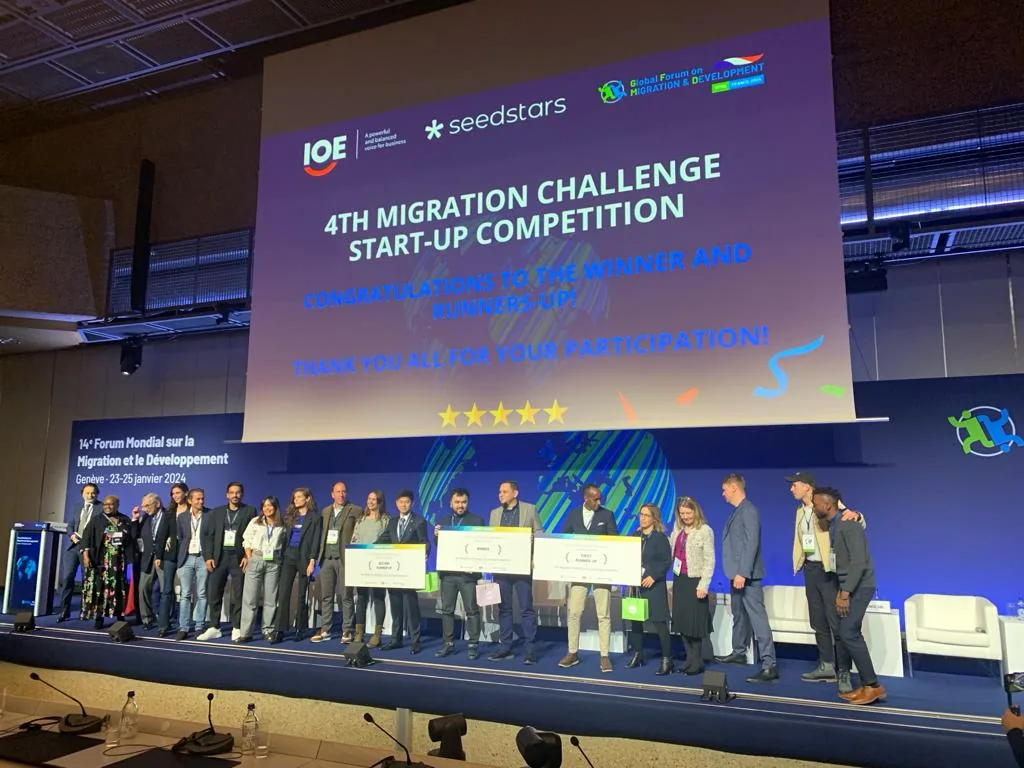
We also participated in accelerations from Draper University, together with Astana Hub and Plug And Play. We took part in TechCrunch Disrupt 2024 in San Francisco. We won the Open Data Challenge 2021, organized by IT Park Uzbekistan, and entered the top 10 finalists of the Startup Challenge within the Global Forum on Migration and Development in Geneva.
Challenges
Personnel. Qualified personnel is scarce in any field — marketing, sales, development, education. At the initial stage, this is not very noticeable, but as the company grows, you literally have to "hunt" for people.
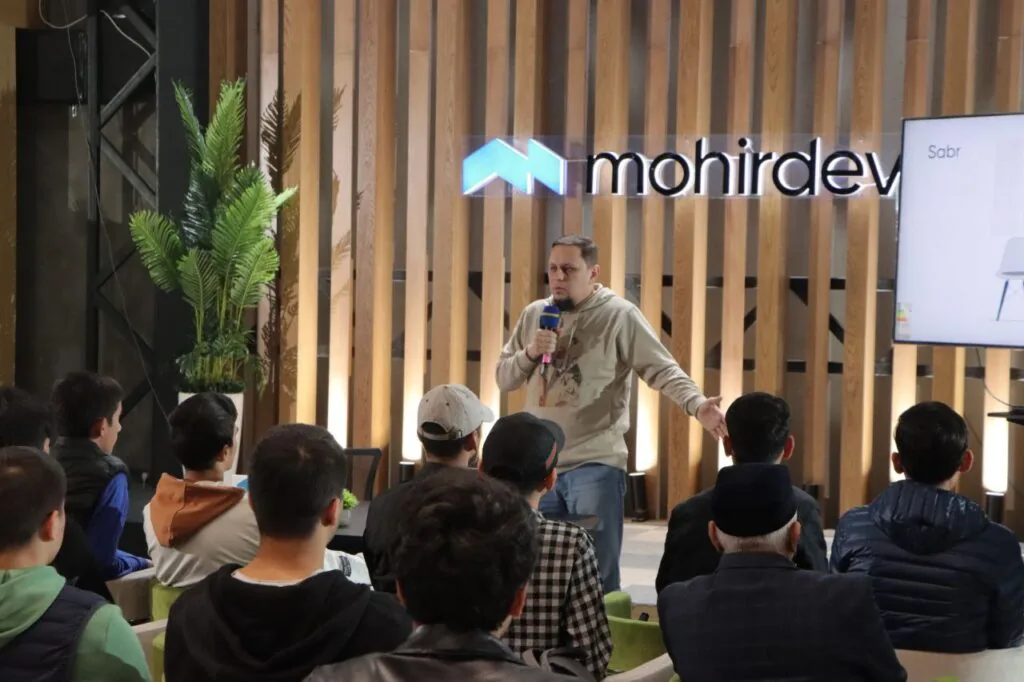
Lack of trust in online learning and online products. People want to touch the product, talk to the seller or teacher face-to-face. We have a large percentage of sales going through the call center, although it would be more convenient to buy online. Therefore, we rent a large office in IT Park, where we invite clients, organize meetups, alumni meetings, masterclasses, and in every way show our presence.
Lack of experience in building a startup. When we started, the concept of a "startup" did not exist in Uzbekistan. There was no startup community, no one to consult with. Now there are many acceleration programs in the country, venture funds have appeared, and the state, through IT Park, has begun to support IT businesses.
Achievements
In 2022-2023, we worked on our portfolio. Over two years, we covered the entire range of IT courses, from web development to artificial intelligence. Currently, we have 18 bootcamps and over 30 free courses. We attracted $450,000 in investments from AloqaVentures and UzVC. We doubled our annual profit and entered the B2B market with a school informatics program, which was developed by the best methodologists in Uzbekistan.
Recommendations
Do what your heart desires. There is no need to look for an idea or problem to create a startup. You need to feel the pain yourself, based on which you can build a project.
Think everything through carefully before starting. Do not be afraid to consult and share your idea. No one will steal your idea. When you decide, find like-minded people. Founding is like marriage, it lasts a long time. And if there is a divorce, you can lose half of your assets.
It is important to have people with different backgrounds in the team. Sometimes, a group of IT specialists gathers and creates a startup, but then faces reality where you also need to know how to do business, understand marketing, support, and sales. In such cases, the startup ends there.
Do not be afraid to fail. A successful founder, on average, fails from three to five startups before achieving success.
Plans
In Uzbekistan, there are over 2,000 educational institutions focused on IT training. Many of them have problems with quality programs and mentors. Over two years, we created the most advanced IT training program. Therefore, this year we began working with educational centers in a hybrid learning format — we provide the program and content, and additionally train their staff. Students study in a hybrid mode — they master the basics online, and practice with mentors and other students offline.
This year, we are launching MohirPool — an acceleration program for those who want to improve their development skills. For example, a person works in a local company, aims for an international organization, but lacks experience. Here, they can work on additional projects and improve their qualifications.
We are testing the Mohirlar platform, created in collaboration with AloqaBank. We will give employers access to a pool of successful graduates. Thus, we will connect global companies with local talents.
We plan to increase profits fourfold by entering new markets and launching new projects.
The Tech on Telegram Follow The Tech on Telegram
Keep up with the latest technology and startup news.
Related reading






More from this author

Article Useful
How to protect your accounts from hacking: 8 settings you should check today
The Tech

Article Useful
500 Global: How the Accelerator Works and Who Can Receive Investments
The Tech

Article Interviews
Game Development in Central Asia: Arkady Moldavski on Developing Reverb and the Growth of the Industry
The Tech

Article Useful
Google, Tesla, BlackRock, and the IMF: Where to Apply for an Internship in Fall 2026
The Tech

News IT
Tesla unveiled the flying electric car Roadster
The Tech

News IT
Intero Biosystems startup won the Startup Battlefield at TechCrunch Disrupt 2026
The Tech