US leadership in AI, the strength of diasporas, and new opportunities for Central Asian founders
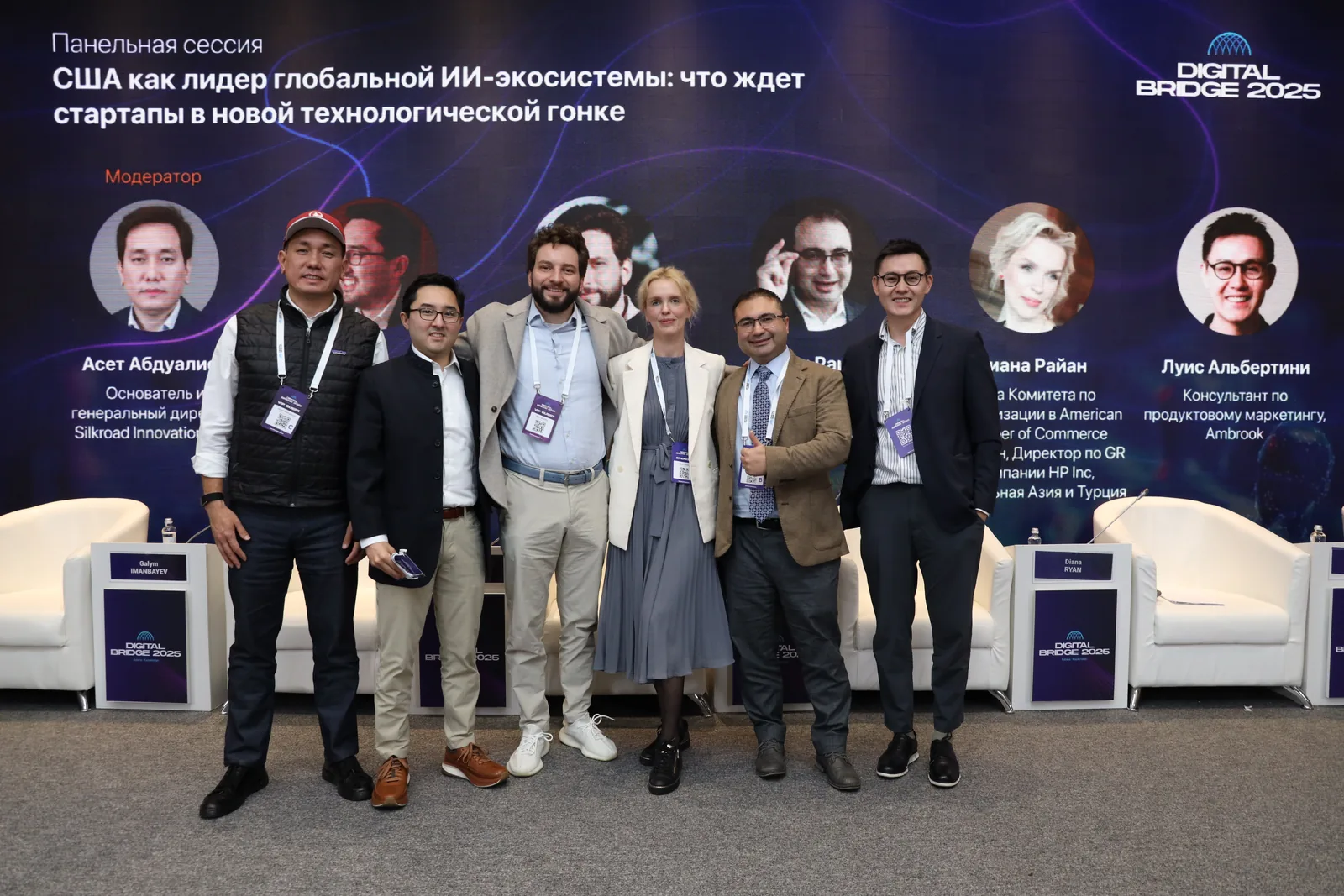
At the panel session of Digital Bridge, speakers discussed why the US remains a leader in AI, what opportunities exist for founders from our region, how the power of diasporas works, what the future of work will look like, and why female leadership is so important. Read more below.
Author - Mansur Ismagulov
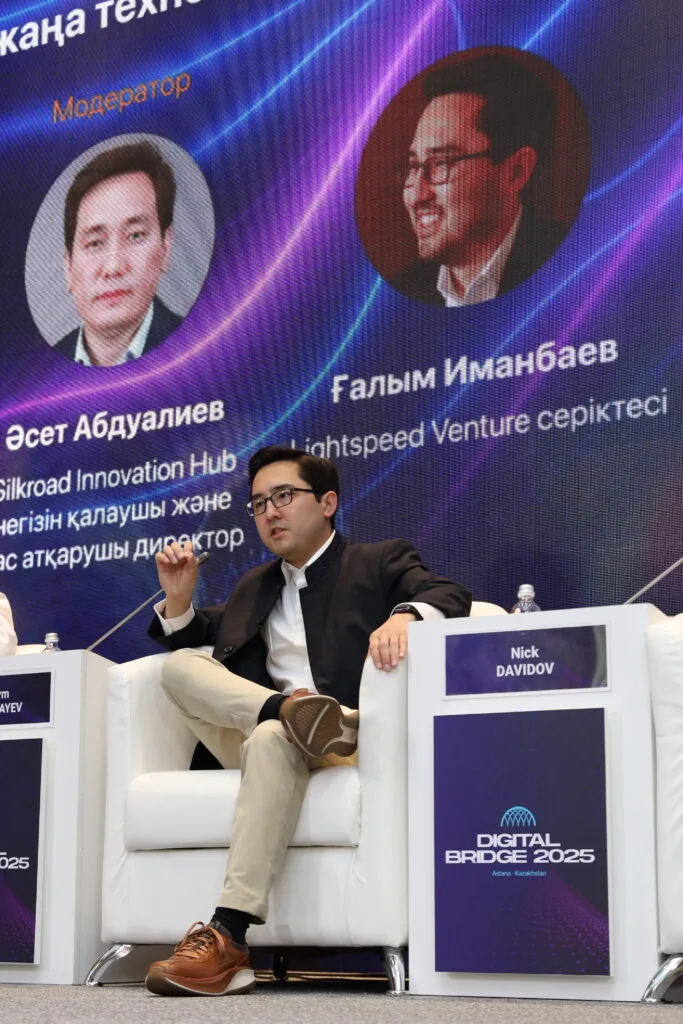
Galym Imambayev, Partner at Lightspeed Venture Partners
Why did the United States become the leader in AI? First, it is the role of the state. Without government investments in the internet and many other technologies, Silicon Valley would not exist. Second, it is culture. In Europe, venture capital is called "risk capital," while in the US it is "venture capital," meaning "adventure capital."
Previously, enterprise software competed for a share of companies' technology budgets. But AI has gone further—it automates the work of specialists, which has increased the market size tenfold.
The mindset is completely different: the word "risk" sounds alarming, whereas in America, it is about opportunity. AI is today changing the very nature of entrepreneurship. If previously technologies competed for corporate budgets, now AI automates white-collar labor. The field of opportunity has grown tenfold. I would compare this to the Colt revolver in the Wild West—it was an equalizer, giving everyone equal chances. AI can become such a global equalizer, including for Kazakhstan.
Strong diasporas—Indian, Chinese, Israeli—help their founders break into the US market. Central Asia is also forming such a community. Our values are honesty, hospitality, and hard work. In the US, these combine with the mentality that "anything is possible." And this is our competitive advantage.
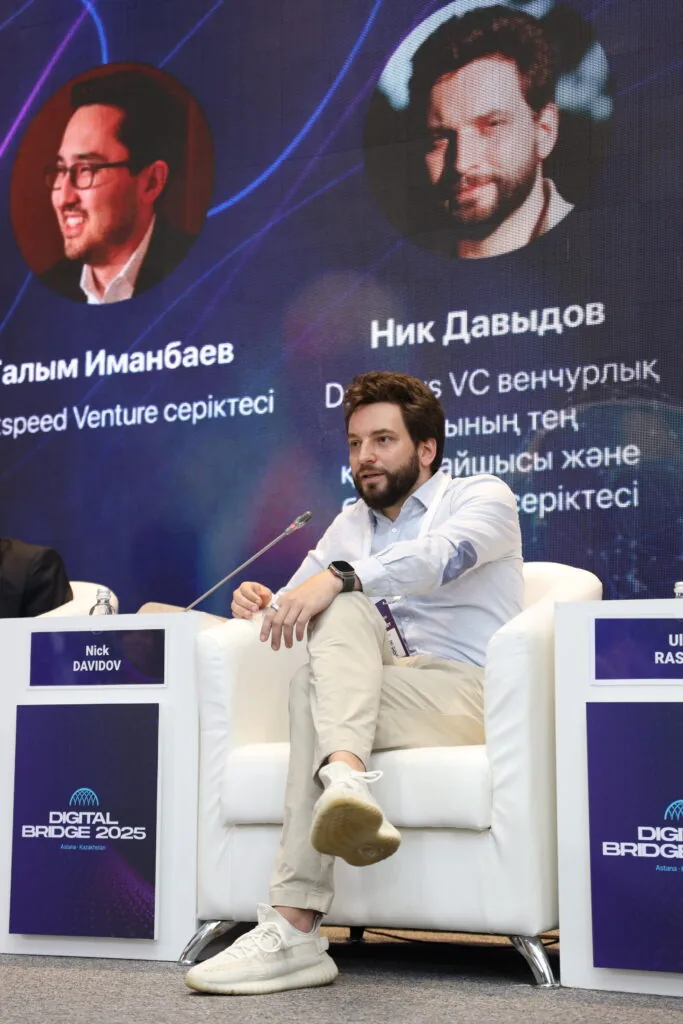
Nick Davydov, Co-founder and Managing Partner at Davidov VC
America is a country of immigrants. People who have already risked once and moved across the ocean are much more likely to take risks again and launch companies. Silicon Valley became a unique place precisely because such people gathered there. Startups are not built by the most rational people. A rational person would go to McKinsey. We build startups because it is fun. The work culture here is also special. In Asia, there is the concept of "996"—from 9 am to 9 pm, six days a week. But in the Valley, it is actually 100 hours a week. And it is this that creates the companies we see.
Let me tell you a story. We invested in the company Perplexity. Initially, we were not admitted to the round, but we found a way to be useful: we helped assemble the team and improve the mobile app. After that, we were invited to the deal.
The lesson is simple—it is not enough to just find a good company; it is important to prove that you can be a valuable partner and stay by the founder's side for the next 10 years.
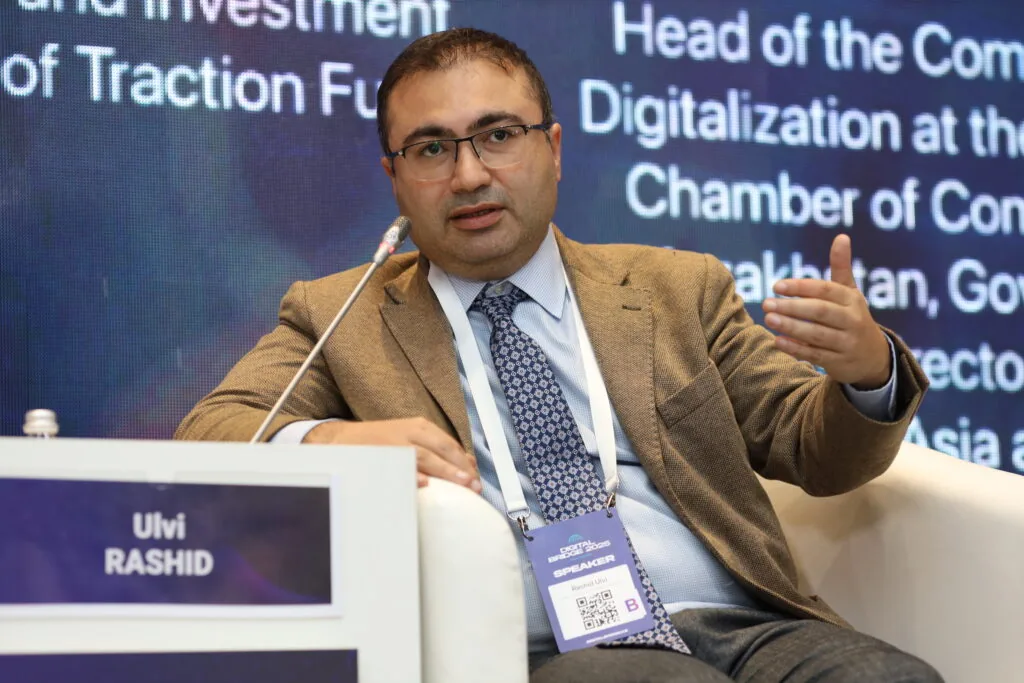
Ulvi Rashid, Founder and CIO of Traction Fund
In the US, a so-called "investment flywheel" works. Corporations and governments create demand for technology, the educational ecosystem prepares personnel capable of creating the requested solutions and building companies, investors invest in the creation and scaling of these companies, and eventually, the companies go public or are sold. Investors receive returns and immediately reinvest in new projects. This cycle, repeating itself, strengthens and accelerates the ecosystem. Without such a cycle, companies like SpaceX, Kraken, and Coursera would not have been possible, in which I invested starting in 2019 and from which I was able to achieve successful exits.
Such a flywheel does not yet exist in the Central Asian region. To accelerate innovation, the region needs to build its own hybrid flywheel, partially creating, partially importing, and partially delegating certain elements of it.
At Traction Fund, for example, we help our portfolio US companies sell to corporations in the region. In this way, regional demand for technology is satisfied by imported technologies, capital in the company is provided regionally and globally, and the exit from the investment is delegated to the US market.
Over time, the region has every opportunity to create all the elements of its own "innovation flywheel."
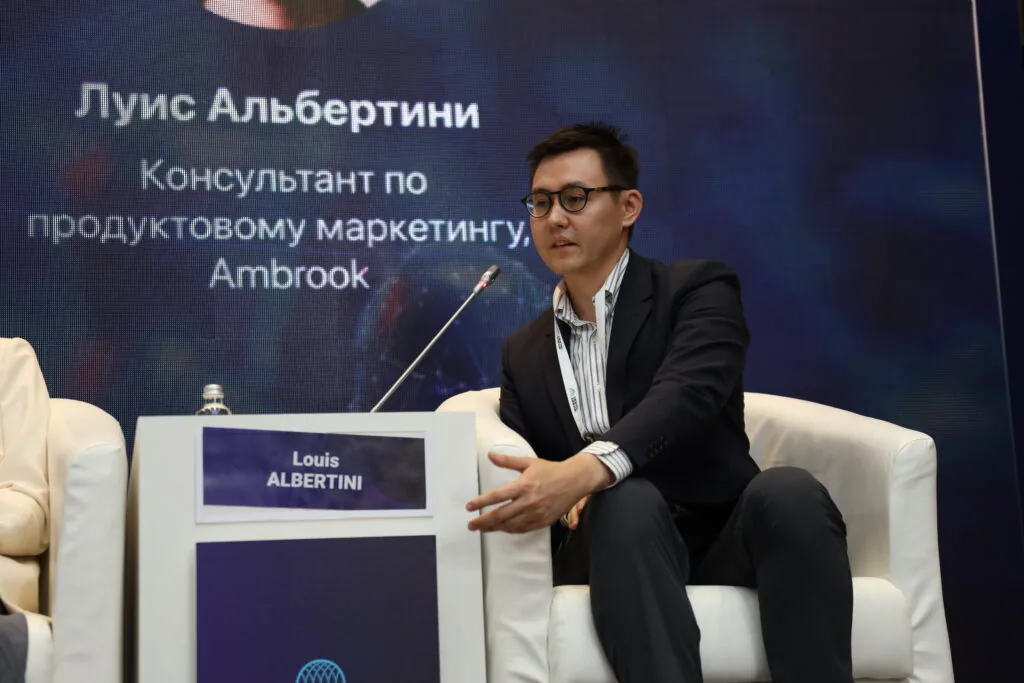
Luis Albertini, Product Marketing Expert
I have worked in four venture-backed startups. The last company where I worked grew from 20 to 150 people in just 18 months. In marketing, the key is positioning. AI allows you to simultaneously reduce costs and find customers. Previously, you could choose only one direction. For founders from Kazakhstan, this is a huge opportunity: with the help of AI, they can become specialists faster and compete with American teams. But it is important to correctly determine whether you are working for the corporate segment or the mass market. A mistake here can cost millions. And, of course, the ability to tell the product story—why it is needed today and in 10 years.
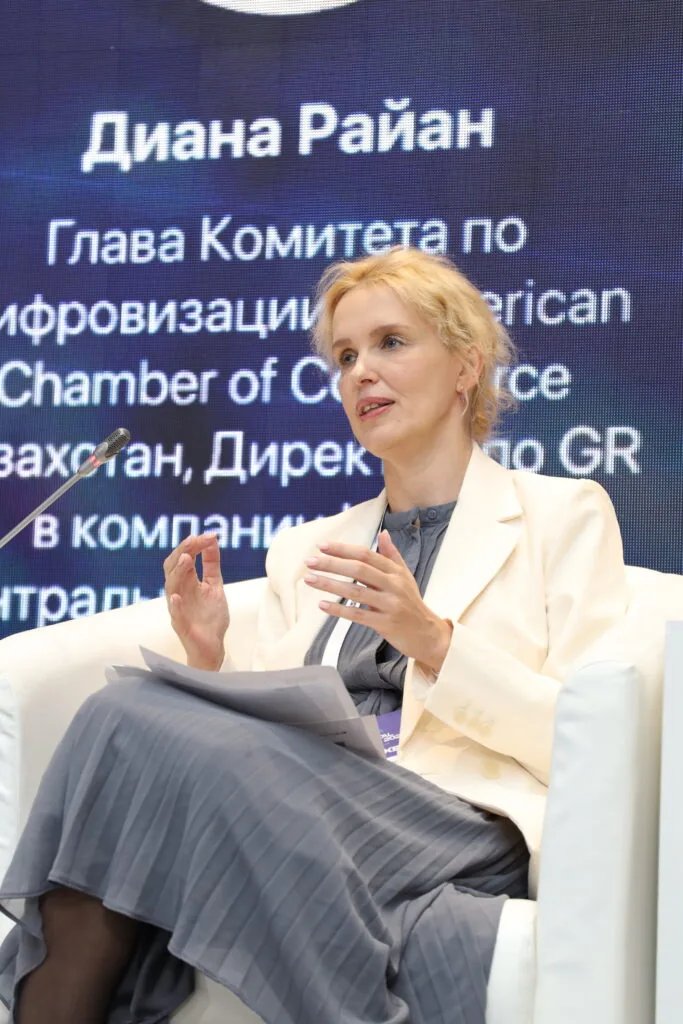
Diana Ryan, Head of the Digitalization Committee at the American Chamber of Commerce in Kazakhstan, Director of Government Relations at HP Inc
At HP, we see AI as a tool for transformation, not a threat. According to analysts, AI could add up to $7 trillion to global GDP and increase global productivity by 1.5 percent. For Kazakhstan, this could mean a GDP growth of 2-4% over the next 10 years. At HP, we work in two directions.
The first is AI-based hardware and solutions: AI PCs, workstations, and software.
The second is education. We have free courses, HP Life and HP Garage, where you can learn programming, artificial intelligence, and blockchain. The courses are available in 12 languages, including in Kazakhstan.
At HP, we work extensively to support women in technology. We have joint programs with the UN, women's IT camps, and educational centers. We see that there are already successful female leaders in Central Asia, and we want there to be more such stories.
The Tech on Telegram Follow The Tech on Telegram
Keep up with the latest technology and startup news.
Related reading







More from this author

News
zypl.ai begins operations in Japan and focuses on next-generation risk models
Mansur Ismagulov

News
Elon Musk's net worth has exceeded $700 billion for the first time
Mansur Ismagulov

Article Interviews
"Central Asian countries should build a joint ecosystem," — Bekhzod Ismoilov on the development of AI in the region
Mansur Ismagulov

Article Interviews
Bloom's Taxonomy and Engineering Levels: A Practical Growth Model
Mansur Ismagulov

Article Useful
How the IT industry in Azerbaijan developed in 2025: key events
Mansur Ismagulov

News
Tajikistan has become a new member of the regional innovation alliance Central Asian Innovation Hubs.
Mansur Ismagulov