"Books are for the soul, and LEGO is for relaxation," — Evgeny Pitolin on his lifestyle
In this article, Evgeny Pitolin talks about his lifestyle and methods of professional development.
Author - Mansur Ismagulov
The Tech AI
Get the key points in seconds - a short summary from The Tech AI.
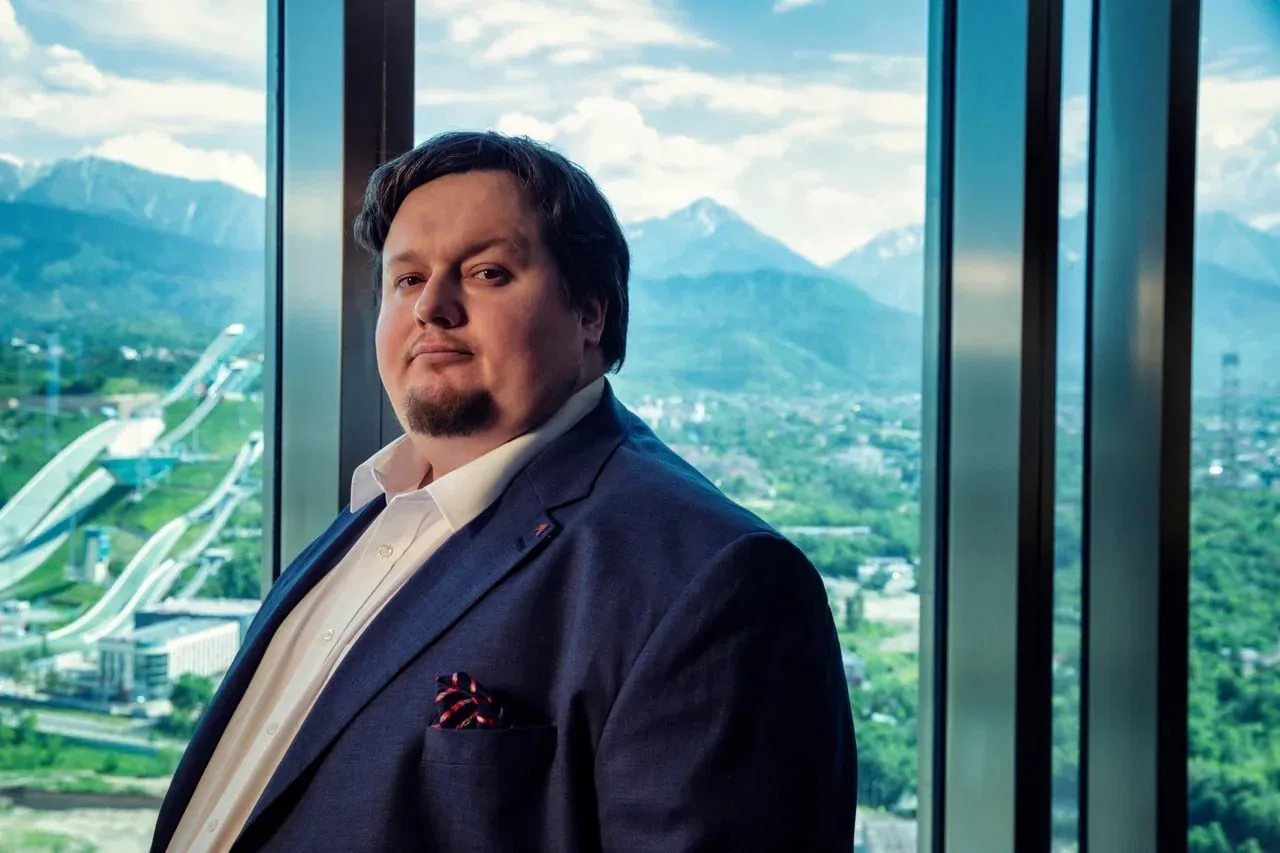
Evgeny Pitolin is the Managing Director of DataStar, Co-Chair of the Information Security Committee of the QAZTECH Alliance, and Founder of Heartland Product Studio. He has 24 years of professional experience in IT and cybersecurity. He actively participates in industry events, develops his network, and explores new technologies through blogs and courses.
Evgeny Pitolin, city — Almaty, Managing Director of DataStar, Co-Chair of the Information Security Committee of the QAZTECH Alliance of Technological Companies, CEO and Founder of Heartland Product Studio, Telegram, Instagram, YouTube.
About Me
I am the Managing Director of DataStar. I also serve as Co-Chair of the Management Committee for Information Security at the QAZTECH Alliance of Technological Companies. My committee is dedicated to protecting the rights of organizations and citizens from digital risks and attacks, while also helping to create a secure digital future.
I have been working in the IT and cybersecurity sectors for over 15 years, with a total professional experience of 24 years. I started my career in telecommunications, then focused on IT and cybersecurity. Throughout my career, I have always been involved in marketing, communications, business development, and digital products.
I also founded the product studio Heartland, which helps companies in Central Asia develop sales and improve public relations and media interactions.
My daily routine can be described as a three-stage process: workday, evening with part of the night, and time dedicated to caring for my children. I usually wake up between 05:00 and 06:00. Since November, my sleep has become more fragmented due to my youngest child. The workday starts at 09:00, but calls can begin at 08:00 and continue until 00:00. I divide my day into blocks: meetings, operational tasks, and conferences.
Sometimes I get tired of endless calls and online meetings, so I decided to delegate tasks to teams, digitize processes, and move everything to short online reports where each participant has limited time.
The schedule has changed over the last few years. Previously, I was always a night owl. I managed to work well at night, and creativity would hit closer to the evening.
Like many others, I use my lunch break to handle work tasks or meet with people. Closer to the evening, it's time for calls and meetings. If possible, I pick up the children from kindergarten; if not, I continue working. By 19:00, I try to be home to spend two to three hours with the children before their bedtime, during which I do not schedule any activities, fully dedicating this time to my family.
When the children fall asleep, there is an opportunity to relax. Sometimes I use this time for work, and sometimes I just rest: read a book, do nothing, or allow myself to be slightly distracted.
Weekends are for family. I made a promise to myself not to work on Saturdays and Sundays, and I try to spend this time with my children and loved one. These moments are a significant part of life.
Where and How I Learn
I try to learn something new every day, preferring text formats most often. I don't like videos because the information flows slower than I can process it.
I read industry blogs, notes from 20-30 IT/cybersecurity specialists, and also follow news and socio-political blogs. I work with media resources, write materials, and publish them.
Communication with clients and partners is an important source of knowledge; many interesting ideas come from them and from my professional network. Two to three times a year, I take training courses to develop specific skills.
Additionally, two to three times a year, I try to take special training courses to develop specific skills.
A significant amount of time is spent studying product and service catalogs of global cybersecurity manufacturers, technical functionality, analytical data, as well as studying the experience of technical and business specialists in the field of cybersecurity. Besides this, I often pay attention to criminal analytics—studying new attack methods used by cybercriminals.
In the field of ABM marketing, I can recommend Danila Gridin—a friend of mine and one of the leading international specialists. In the field of cybersecurity, I read blogs of well-known specialists and companies. Among them are the blog of CARKA, Alexander Pushkin, Askar Dyusekeyev, Oleg Bil, Medet Turin, and Batyrzhan Shakhmanov.
Among international experts are Brian Krebs, Gary McCullie, Troy Hunt, the Dark Reading community, Andrey Lukatsky, Andrey Prozorov, and Denis Batrankov. Usually, they focus on practical security, the development of cyber literacy, and other related topics.
Lately, I have been enjoying attending events organized by the Association of Independent Directors. This is an interesting and useful community where I constantly learn something, particularly the art of quality corporate governance.
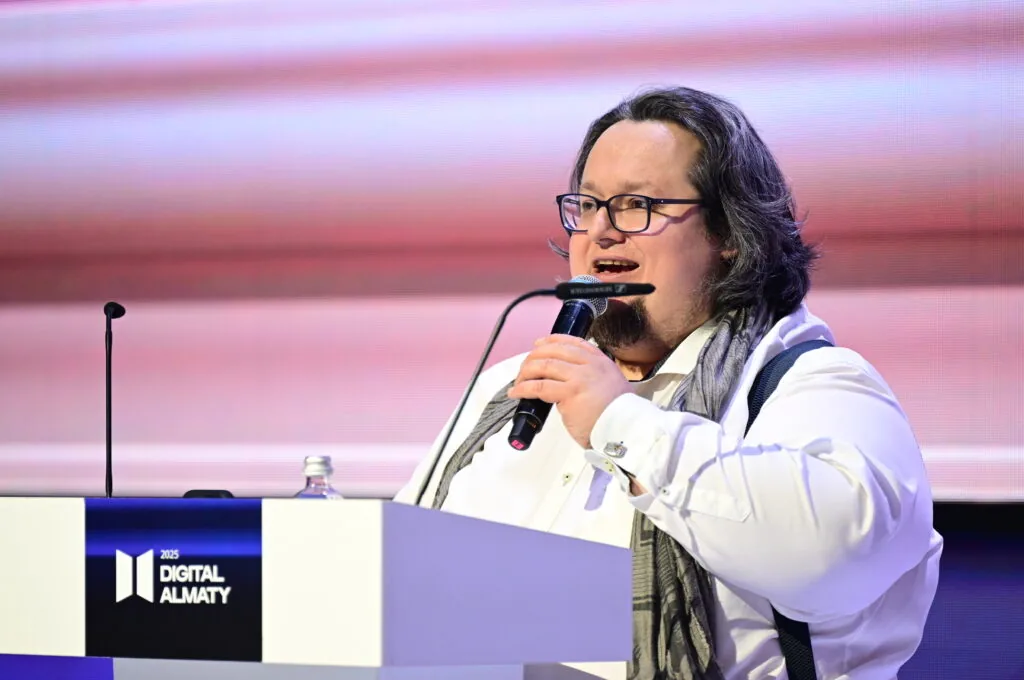
I actively participate in industry cybersecurity events such as Kazhackstan, Cyber Digital Security, ITECA, Digital Almaty, and Digital Bridge. I recommend approaching the choice of events consciously, carefully analyzing their content and benefits. Here are a few tips:
1. Evaluate the speaker lineup. Study their biographies, presence of public speeches, activity on social media, and professional communities. If the list only includes commercial representatives, the event is likely more about sales than useful information.
2. Study reviews. If the event is not held for the first time, look for opinions from those who have already participated to understand how well it meets your expectations.
3. Check the quality of content. At serious events, in addition to company representatives, independent experts, industry leaders, and professionals with verified experience usually speak. If most participants in the list are individuals without obvious public activity, the benefit from such an event may be minimal.
Network
I try to develop my network through three main categories of people.
The first category includes clients, potential clients, partners, and other market participants. These are specialists who are "on the ground," working with technologies and engaged in their practical application: operators, solution architects, and other technical specialists.
The second category consists of representatives of the commercial sector, those responsible not only for sales but also for the strategic development of the business. They see how solutions are integrated into global infrastructure and what tasks need to be solved to protect companies.
The third category includes government officials, representatives of regulatory bodies, profile experts from the legislative branch of power, and people responsible for the development of the industry at the state level. My professional activity is closely linked with state initiatives, and I understand how important their work is for the existence and development of our industry. Despite the fact that the contribution of such specialists is often underestimated, without their efforts, effective work of neither business nor the industry as a whole is impossible.
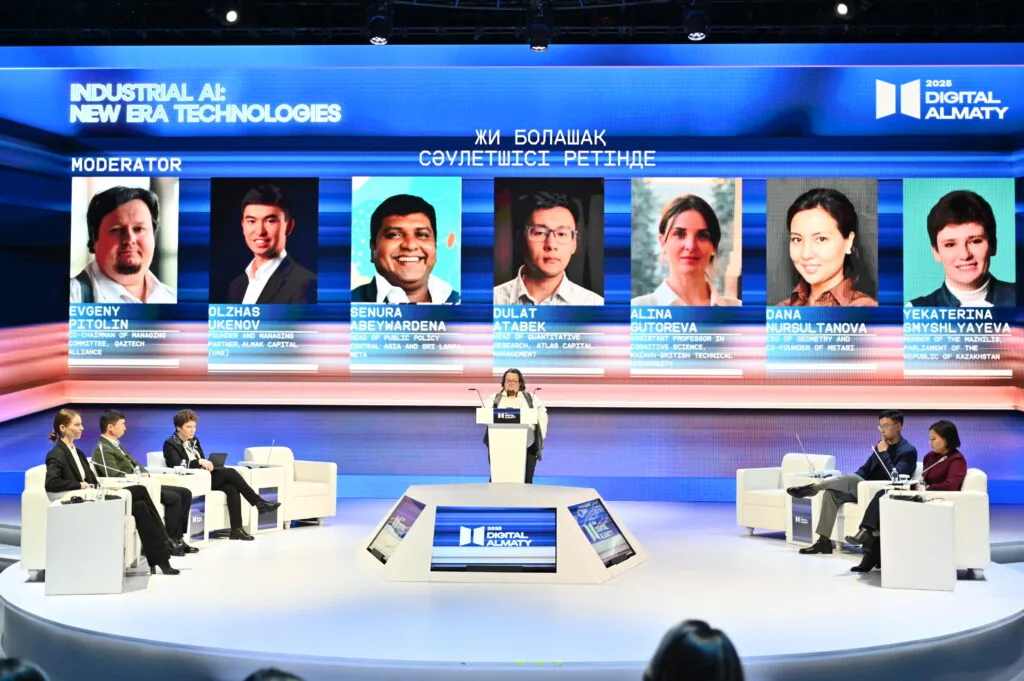
The main platforms for interaction remain industry conferences, state forums, panel discussions, strategic, and plenary sessions. I am often invited as a moderator or organizer of such events, which allows me not only to share experience but also to meet new interesting people.
To find like-minded people in IT, I recommend:
1. Profile communities and chats on Telegram or other platforms. Find those whose views and ideas coincide with yours, communicate with them in comments, and add them as friends.
2. LinkedIn. Use keyword and topic searches to find interesting specialists, add them to contacts, and communicate on professional topics.
3. Niche events. You can organize simple business breakfasts or meetings in an informal setting. Such events do not require large expenses, and their format has already become popular in industry chats.
Where I Spend Free Time
I prefer reading fiction, as industry literature often becomes outdated by the time it is published. For professional development, I choose current articles and posts, and books are for the soul. I like historical novels, detective stories, and "industry novels" where the life of professionals is revealed through narrative. Among my favorite authors is Arthur Hailey.
Another hobby is assembling complex LEGO models. I am particularly attracted to the LEGO Technic and Ideas lines. Currently, I am assembling a model of the Concorde airplane. At home, a large "Titanic" model has been waiting for its turn for a year and a half—one of the largest LEGO models. This activity helps me relax and focus.
I also love watching series, especially English and German ones, to maintain language skills and enrich my vocabulary. Although I have spoken English since the age of three and German since my teenage years, I constantly discover new phrases and terms. Recently, I started watching movies and series in Kazakh—it is part of my effort to improve my skills in the state language.

Where to Buy What
I am a fan of two brands: Apple and Samsung. Additionally, I like Logitech and Soundcore—the latter have proven themselves as worthy alternatives to classic audio devices. I am also interested in Chinese brands such as Xiaomi. However, when buying technology, it is always important to read reviews and pay attention to quality.
Previously, I preferred ordering goods from official stores or major international platforms like Amazon. But over the last year, I discovered the convenience of the Kaspi store and rarely go anywhere else.
I advise not to focus on one brand, but to try new things and see how technologies are developing. When choosing a product, it is useful to read reviews, but it is always important to make your own conclusions.
The Tech on Telegram Follow The Tech on Telegram
Keep up with the latest technology and startup news.
Related reading


More from this author
News
zypl.ai begins operations in Japan and focuses on next-generation risk models
Mansur Ismagulov

News
Elon Musk's net worth has exceeded $700 billion for the first time
Mansur Ismagulov
Article Interviews
"Central Asian countries should build a joint ecosystem," — Bekhzod Ismoilov on the development of AI in the region
Mansur Ismagulov
Article Interviews
Bloom's Taxonomy and Engineering Levels: A Practical Growth Model
Mansur Ismagulov

Article Useful
How the IT industry in Azerbaijan developed in 2025: key events
Mansur Ismagulov
News
Tajikistan has become a new member of the regional innovation alliance Central Asian Innovation Hubs
Mansur Ismagulov