A Kazakhstani created an app for learning Chinese, which is used by 40,000 people.
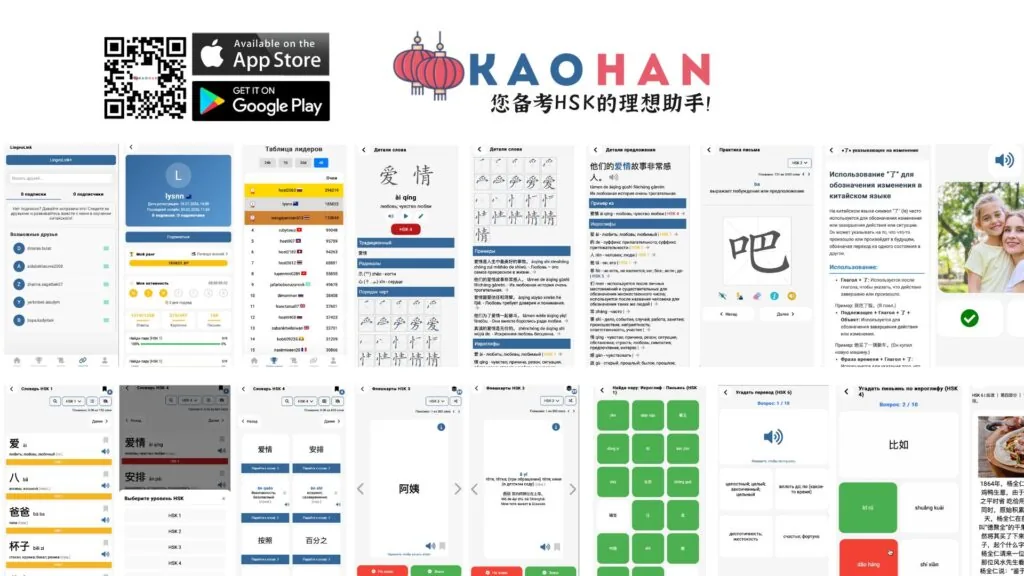
Kaohan is an app for learning Chinese, created by Abilay Mukhamedzhanov, which already helps tens of thousands of users prepare for the HSK exam and master the language systematically and effectively.
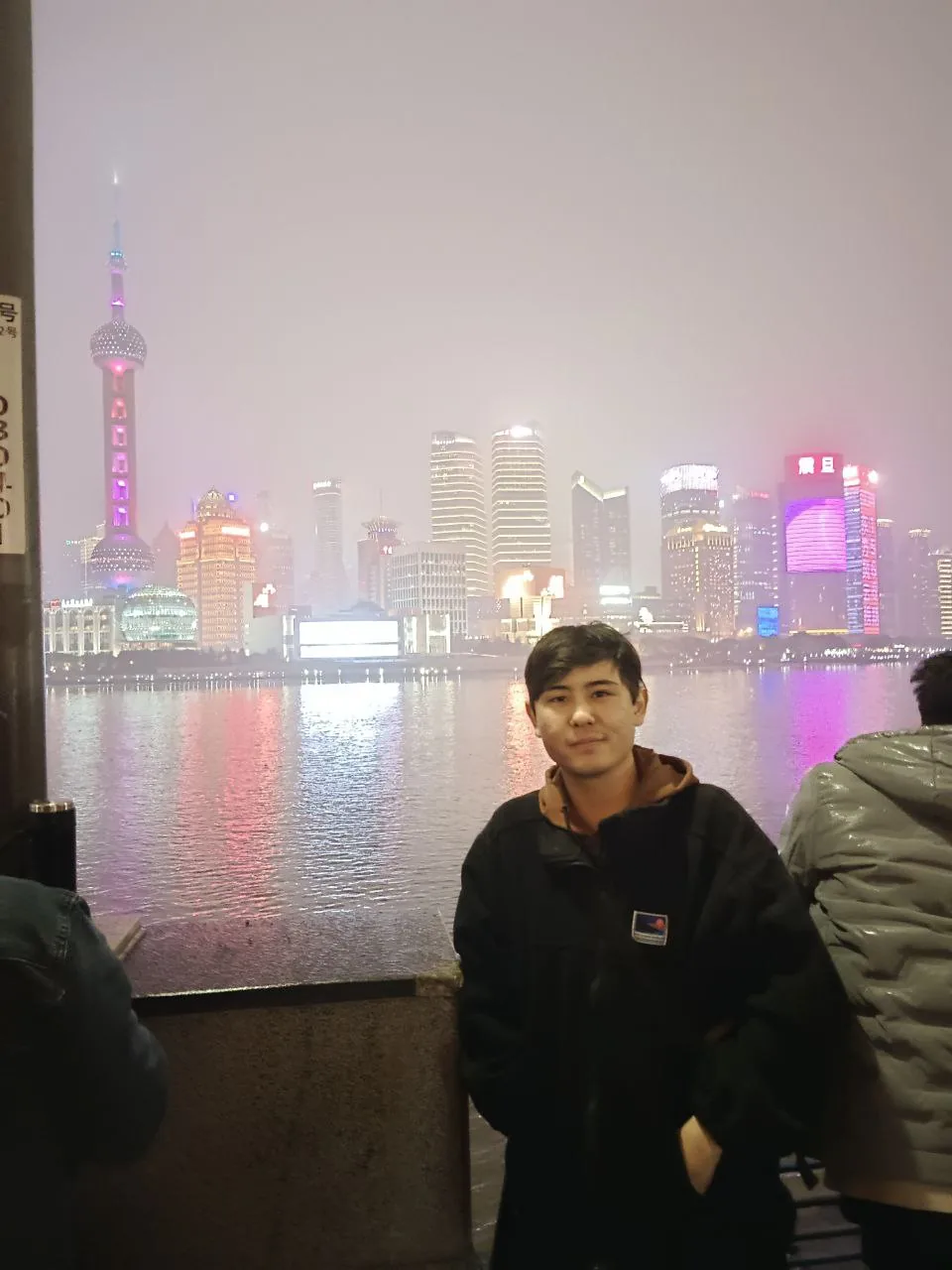
Ablay Mukhadzhan, city — Almaty, founder of Kaohan
How it all started
I was born in the village of Saryozek in the Zhetysu region. Starting from the 10th grade, I began programming, primarily focusing on website development. While still in school, I created a website with study notes and tests for preparing for the National Testing Center (ENT). This site was used by many school students from various parts of Kazakhstan.
After graduating from school, I lost interest in this project because I did not want to remain at the level of school knowledge, so I enrolled in university to study the Chinese language. In parallel, I tried launching several projects, but they did not yield results. Later, I joined an IT company as a fullstack developer. This was a startup in the B2B sector that focused on automating accounting processes for businesses.
Within this project, I implemented many important and complex solutions: automatic calculation and submission of tax reports (forms 910, 200) to the State Revenue Committee, automatic calculation and payment of taxes, as well as other functions related to accounting. The work was challenging and stressful, but it provided me with immense experience. It gave me not only strong technical skills but also a deep understanding of business, taxes, and reporting. Without this knowledge, it is impossible to build a sustainable business.
Returning to my university studies, I was learning the Chinese language, and I had the opportunity to go to China through an academic mobility program to the ancient city of Shaoxing. In China, I actively studied the language, traveled extensively, and visited various cities. With each passing day, my interest in the Chinese language only grew.
Chinese is one of the most difficult languages in the world, and I encountered a lack of effective tools for learning it. I could not find applications that fully addressed this need. Therefore, combining my experience in product development with my personal struggle as a Chinese language learner, I came up with the idea to create an application to help people learn Chinese more effectively and systematically.

Launching the startup
At the start, I consciously chose to develop the project alone, and I continue to do so to this day. My background allows me to cover key roles independently. This enabled me to make quick decisions, dive deeply into the product, and maintain focus.
The first step was not writing code, but research. I started by interviewing and surveying people who were learning Chinese. Since I myself had studied Chinese and lived in China, I had direct access to the target audience: students, foreigners, and people of various proficiency levels. This provided me with high-quality, unbiased feedback.
Based on these interviews, I identified the key pain points and difficulties in learning Chinese and began implementing features step-by-step that addressed the most critical user problems.
Thus, the startup developed not “from an idea,” but from real user demand. The project continues to develop on this principle today.
Target audience
The product is aimed at people learning Chinese, primarily those preparing for the HSK Chinese language proficiency test, which is analogous to IELTS. This is a huge market: more than a million people take the HSK exam every year. For comparison, about two million people take the IELTS exam, and in terms of the number of test-takers, HSK ranks third among all language exams in the world, after IELTS and TOEFL.
The product helps users learn Chinese effectively and prepare for the HSK, making the learning process systematic, structured, and personalized.
To date, the application is used by approximately 40,000 users. To make it accessible to people from different countries, the application works in 12 languages, allowing users to learn Chinese through their native language and making the product global.
Incubation programs
At the moment, I have not participated in traditional accelerator programs, but to systematically understand product development, idea validation, and scaling, I purchased courses from Astana Hub.
In parallel, I participated in startup competitions in Almaty, where the project repeatedly took second and third places.
At the current stage, the startup is developing through self-funding.
On difficulties
The main challenge at the start was building the product alone, when you are simultaneously responsible for development, product management, analytics, and user communication. This requires strict prioritization and the ability to decline features that do not provide real value.
One of the key insights was realizing that a personal sense of a problem is not necessarily a market problem. Despite the fact that I myself was learning Chinese, many of my initial hypotheses were not confirmed by users. I had to remove already implemented features and redesign the product based on real data and feedback. This was psychologically difficult but accelerated the product’s growth.
Another difficulty is user retention. It is relatively easy to attract a user, but much harder to ensure they return and actually achieve results. To solve this task, we added gamification elements that increase engagement and motivation.
My advice to those just starting out is: do not begin with code. First, talk to users, test hypotheses, and do not be afraid to discard even well-executed work if it does not solve a real problem.
Achievements
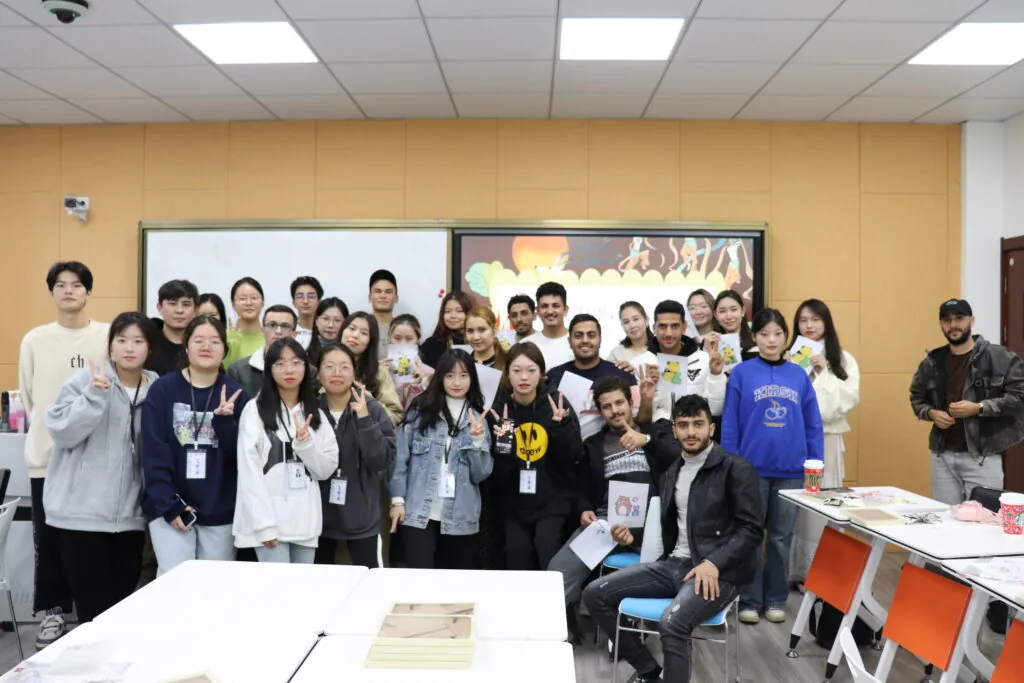
You could add anything to the word “achievements”: creating projects from scratch, attracting thousands of users, the opportunity to go to China through an academic mobility program, participating in competitions, and so on. There are many options in general.
But my main achievement is simply doing what I love, consciously and with benefit to others. When the product I create helps someone in another part of the world solve real problems or makes their life even slightly easier, I feel the true meaning of what I do. For me, this is more important than any awards or numbers. And, of course, I want to continue being useful through my projects, continuing to create things that make people’s lives a little easier and more interesting. Being useful and needed is my main achievement.
Plans
The key goal by the end of the year is to grow to 150,000–200,000 users and establish ourselves in the international market as a recognizable product for learning Chinese.
The focus of development is not only audience growth but also enhancing the product’s value. Currently, I am in contact with a Chinese publishing house specializing in educational materials for learning Chinese. We plan to legally use their content, which will allow integrating high-quality materials directly into the product, increasing user trust, and significantly boosting the educational value of the application.
In parallel, I plan to develop the product towards deeper personalization of learning, improved user retention, and the implementation of AI for progress analysis. This will allow each user to receive recommendations on weak areas and learn exactly what they need for maximum results.
The Tech on Telegram Follow The Tech on Telegram
Keep up with the latest technology and startup news.
Related reading






More from this author

Article Useful
How to protect your accounts from hacking: 8 settings you should check today
The Tech

Article Useful
500 Global: How the Accelerator Works and Who Can Receive Investments
The Tech

Article Interviews
Game Development in Central Asia: Arkady Moldavski on Developing Reverb and the Growth of the Industry
The Tech

Article Useful
Google, Tesla, BlackRock, and the IMF: Where to Apply for an Internship in Fall 2026
The Tech

News IT
Tesla unveiled the flying electric car Roadster
The Tech

News IT
Intero Biosystems startup won the Startup Battlefield at TechCrunch Disrupt 2026
The Tech