A Kazakhstani citizen created an AI startup for the ticket market and received investments from Perplexity Fund
The Tech AI
Get the key points in seconds - a short summary from The Tech AI.
Kazakhstani Alim Kasymov and co-founder Aidan Jordano created the AI platform Ticker for the live ticket market. The startup won The Perplexity Billion Dollar Build competition among 1500 teams, receiving Pre-Seed funding from Perplexity Fund. The platform analyzes data from the secondary market, where primary tickets are controlled by Live Nation / Ticketmaster.
Kazakhstani Alim Kasymov, together with co-founder Aidan Giordano, created Ticker — an AI platform for the live ticket market. The startup won The Perplexity Billion Dollar Build among over 1,500 teams and received funding from the Perplexity Fund. We spoke with Alim about how the Ticker idea emerged, how the startup developed, and what comes next.
Alim Kasymov, Co-founder of Ticker
How It All Started
Since childhood, I have been involved in mathematics: olympiads, competitions. In school — thanks to Tamos and my homeroom teacher Elmira Maskhutovna — I was offered a free trip to California. I was 16 years old; I spent a week living in the house of venture investor Pavel Cherkashin and returned with a clear goal: to learn programming and build my own startup.
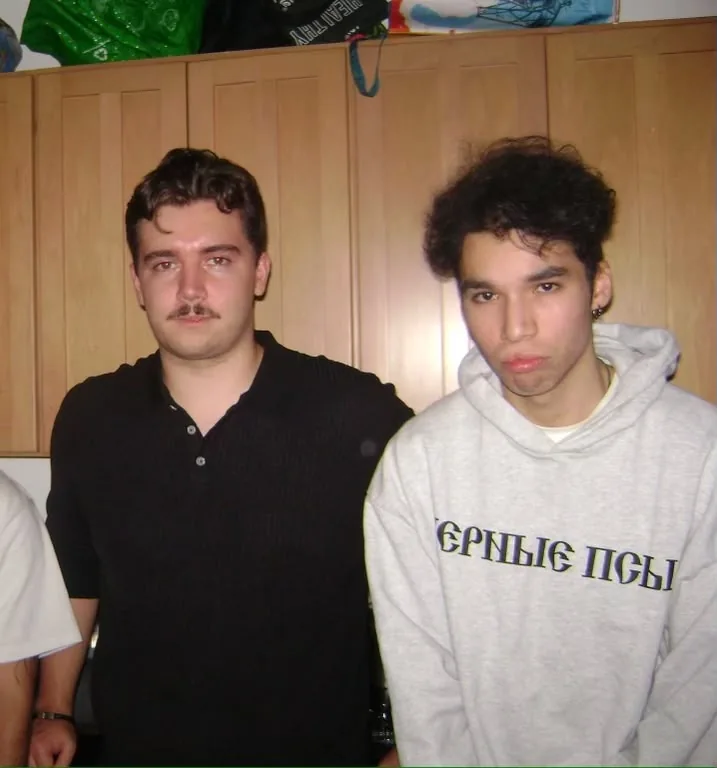
A couple of years later, I enrolled at Stevens Institute of Technology in New Jersey. On the last day of submitting my dormitory application, the system randomly assigned me to live with Aidan Giordano. That’s how I found my best friend and, as it turned out later, my co-founder.
I spoke broken English, while Aidan explained how he sold tickets and how the industry works. From our second year of college, we wanted to launch something of our own and constantly exchanged ideas. The best idea was always lying between us.
If you try to explain how this industry works, it might seem incomprehensible from Kazakhstan. In the US, ticket resale is legal and has become a massive market. The primary market is controlled by Live Nation / Ticketmaster — about 80% of primary tickets for major venues pass through Ticketmaster. The secondary market is divided among StubHub, Vivid Seats, and SeatGeek. The same ticket can have different prices on different platforms at the same time, and no one sees the entire market. Thousands of independent sellers operate blindly: 10 marketplace windows, Excel, and gut feeling.
A ticket essentially behaves like a financial asset: its price changes constantly, and it is crucial on the market to understand demand and price movements. For traders, Bloomberg serves this purpose — a single window with market data. No such tool has ever existed in the ticketing industry. Large players benefit from this opacity, so they are not interested in building such a tool themselves. That is why we are building it.
Startup Launch
We started with people Aidan knew from his work in the ticketing industry. His acquaintances, who were sellers, became the first people we spoke with and the first for whom we built the product. I took on data and engineering: collecting prices, inventory, and demand from all platforms in real time and storing the entire history for each event.
For the first few months, we worked nights and weekends alongside our full-time jobs. We built a screener similar to a stock exchange, alerts, and demand charts for each event. Then we launched MCP — the first in the industry.
Ticker connects to ChatGPT, Claude, or Perplexity, and you can simply say in plain language: “Show me concerts in New York where tickets are selling out, but the price hasn’t reacted yet.” It responds based on live data.
The Team
The team consists of two people — we are both engineers and jointly responsible for both the product and the business. Aidan has experience in the ticketing industry: even during his studies, he independently engaged in ticket resale. Later, he worked with business applications and AI projects at Wiss & Company, an accounting and consulting firm. I have experience working with data-intensive applications and AI systems. Before Ticker, I created complex data applications and agent-based AI pipelines for an EdTech platform that provides online schedules to schools in all 50 US states.
This summer, we both left our full-time jobs to focus entirely on Ticker.
Target Audience
The first segment is professional ticket sellers on the US secondary market: independent sellers and small companies that sell tickets to their clients or on marketplaces like StubHub, Vivid Seats, and SeatGeek.
Ticker shows them the entire market in one window: price and demand history for each event, a screener to find opportunities, and alerts so they don’t miss market movements.
Currently, Ticker is used by about 20 professional sellers. Together, they sell tens of millions of dollars worth of tickets annually. B2B clients also build their own internal applications based on our data.
The next focus is the entire ticketing industry: fans, large ticket consolidators, teams, marketplaces, promoters, and venues that need an independent view of the secondary market.
Achievements
We did not go through incubators or accelerators. We participated in Billion Dollar Build by Perplexity — an eight-week program where teams built businesses with the potential to reach a billion-dollar valuation using Perplexity Computer.
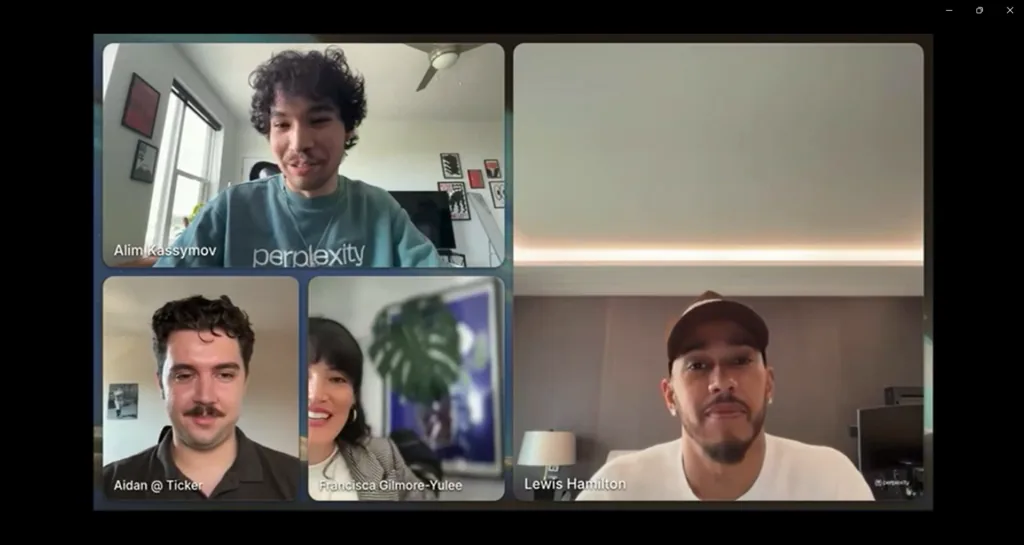
1,500 teams submitted applications; eight reached the final. On June 9, the finalists pitched live to a jury that included Lewis Hamilton, Perplexity CEO Aravind Srinivas, and Android co-founder Rich Miner.
We won. The Perplexity Fund invested in us with a Pre-Seed round, and we also received compute credits for Perplexity infrastructure. Before that, we built the product with our own funds.

Challenges
The main difficulty is getting people to try working differently. Our clients know their market; many have built processes over decades that they trust. Offering a technology that changes how they find opportunities and make purchasing decisions is a significant ask, especially when their own money is at stake. We need to earn their trust and show exactly where the product will improve their work.
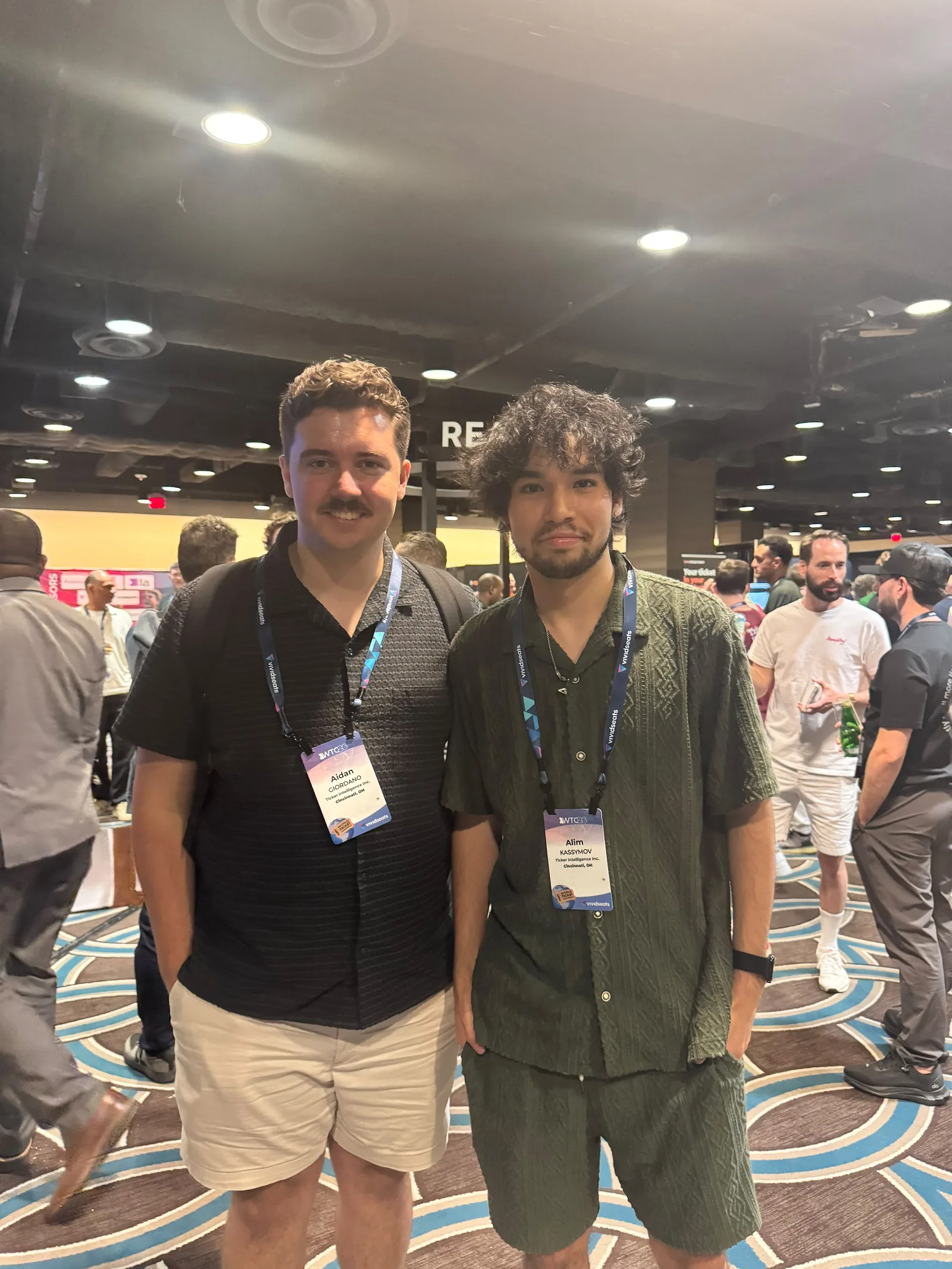
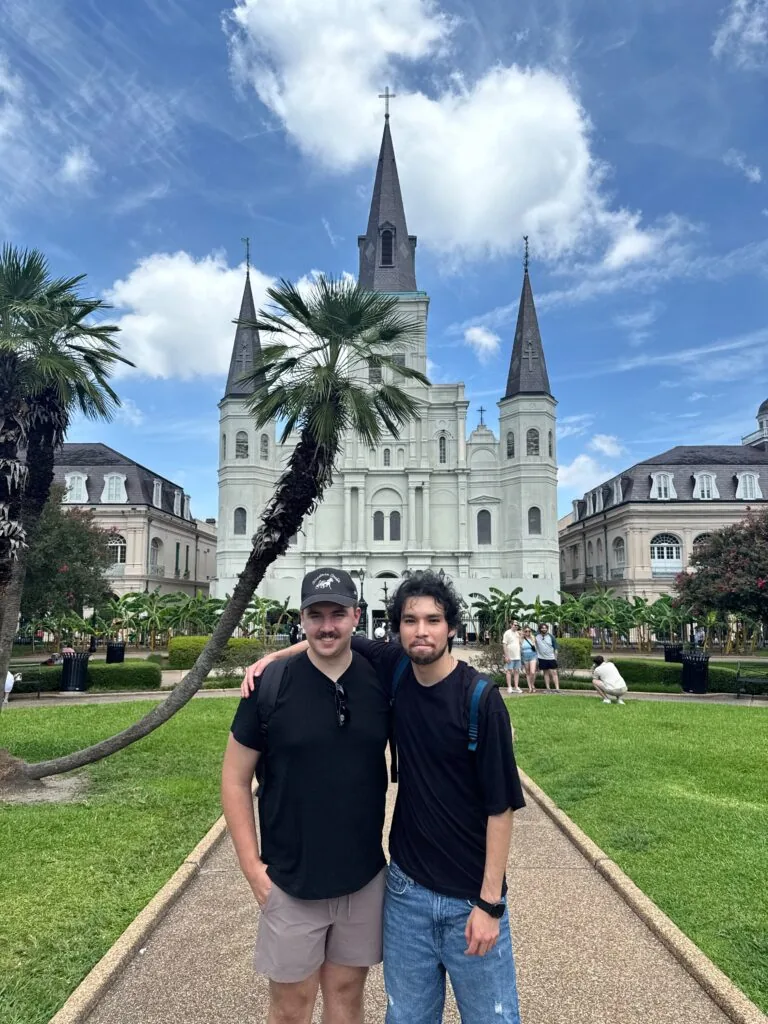
We had to learn how to have this conversation. In our early meetings, we started with a pitch without fully understanding how the seller’s process worked. At the World Ticket Conference this summer in New Orleans, we started with questions: how sellers organize their day, how they evaluate purchases, and where they spend the most time. After that, presenting the product became easier.
Now, we personally onboard sellers and help integrate Ticker into their current processes so they can get used to the product before making larger changes.
For an immigrant in the US, leaving a full-time job for a startup is a separate story: work status is tied to the employer, so we made every decision together with an immigration lawyer. We went through this in the summer of 2026.
My advice to those just starting: the idea is likely already lying next to you — in an industry known to someone in your circle and which seems boring from Kazakhstan. Look for a market where you see what others do not. And talk to customers before writing a single line of code: each such conversation saved us weeks of development.
Plans
By the end of the year, we plan to integrate with all the tools used by ticket sellers: connect new data sources and services where professionals already track inventory and sales. Ticker should become an analytical layer on top of the entire seller workflow.
At the same time, we continue to work manually with sellers: onboarding them, configuring the product to fit their processes, and translating data into actionable insights. We are also developing MCP as a way to access our data from any AI assistant.
As we grow, we plan to expand the team to improve the product and support more users. We are scaling step by step: first sellers, who validate signals with their own money; then large consolidators; and finally, teams, promoters, and venues.
Our goal is to get more people to events and help the industry better understand its market. We want those who produce shows, sellers who help fill the venue, and fans who buy tickets to have the information needed to make better decisions.
The Tech on Telegram Follow The Tech on Telegram
Keep up with the latest technology and startup news.
Related reading






More from this author

Article Useful
How to protect your accounts from hacking: 8 settings you should check today
The Tech

Article Useful
500 Global: How the Accelerator Works and Who Can Receive Investments
The Tech

Article Interviews
Game Development in Central Asia: Arkady Moldavski on Developing Reverb and the Growth of the Industry
The Tech

Article Useful
Google, Tesla, BlackRock, and the IMF: Where to Apply for an Internship in Fall 2026
The Tech

News IT
Tesla unveiled the flying electric car Roadster
The Tech

News IT
Intero Biosystems startup won the Startup Battlefield at TechCrunch Disrupt 2026
The Tech